Why Are Hammerhead Sharks Endangered? National Geographic Documentary Reveals the Truth
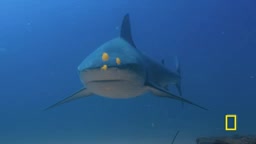
National Geographic documentary explores why hammerhead sharks are endangered and what can be done to save them.
National Geographic's new documentary hosted by Bertie Gregory takes viewers underwater to witness hammerhead sharks up close while revealing the dire threats they face. With populations declining over 80% due to overfishing, the shark fin trade, and habitat loss, the film explores both the crisis and the conservation efforts offering hope for these iconic ocean predators.
National Geographic Releases New Hammerhead Shark Documentary
National Geographic recently released a trailer for a brand-new documentary — Hammerhead Sharks Up Close with Bertie Gregory — hosted by renowned wildlife photographer and explorer Bertie Gregory. The film takes viewers to the ocean's front lines for an up-close look at one of Earth's most recognizable shark species: the hammerhead shark.
This documentary is not just a visual feast — it's also a profound reflection on marine ecosystem conservation.
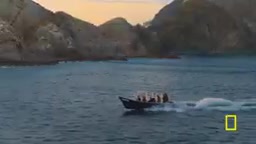
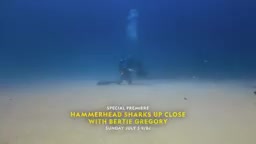
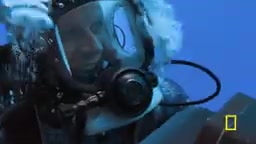
Why Are Hammerhead Sharks on the Brink of Extinction?
Hammerhead sharks are world-famous for their distinctive T-shaped head structure, making them one of the most recognizable shark species in the ocean. However, as Bertie Gregory states in the trailer: "We humans have pushed hammerhead sharks to the edge of extinction."
This is no exaggeration. According to data from the International Union for Conservation of Nature (IUCN), multiple hammerhead shark species have been classified as "Critically Endangered" or "Endangered." The main reasons behind the dramatic decline in hammerhead shark populations include:
- Overfishing: Bycatch and targeted fishing by commercial fisheries pose a severe threat to hammerhead shark survival
- Shark fin trade: Hammerhead shark fins command high prices on the market, driving large-scale hunting
- Habitat degradation: Coastal development and ocean pollution have destroyed hammerhead shark breeding and foraging environments
Globally, some hammerhead shark populations have declined by more than 80% over the past several decades — an extremely dire situation.
Bertie Gregory: Awakening Shark Conservation Awareness Through the Lens
An Explorer's Mission
Bertie Gregory is one of National Geographic's most prominent young wildlife photographers and explorers. He's known for his compelling narrative style and immersive filming techniques, excelling at bringing audiences into the most authentic natural settings.
The trailer conveys his passion for this work — when he finally spots a hammerhead shark underwater, he can barely contain his excitement: "My heart is pounding... Oh my God, the problem with seeing one shark is that now I just want to see more." This genuine excitement and awe is exactly what makes great nature documentaries so moving.
From Documentation to Action: Hope for Hammerhead Shark Conservation
The trailer delivers a positive signal: "But we might still have a chance to make amends." This indicates the documentary goes beyond merely presenting problems — it also attempts to explore viable paths for hammerhead shark conservation.
In recent years, multiple countries and regions around the world have begun taking concrete action:
- Strengthening shark protection legislation and adding hammerhead sharks to priority protection lists
- Establishing marine protected areas to provide safe habitat for sharks
- Restricting and combating the illegal shark fin trade
These efforts are creating conditions for hammerhead shark population recovery.
The Unique Value of Nature Documentaries in Marine Conservation
In an era of digital content explosion, nature documentaries still possess irreplaceable communicative power. National Geographic has long delivered scientific knowledge and environmental awareness to hundreds of millions of viewers worldwide through high-quality visual content.
The core significance of such documentaries lies in:
- Science communication: Helping the public understand the real plight of endangered species, bridging the gap between scientific research and public awareness
- Emotional connection: Building emotional bonds between viewers and wildlife through immersive visual experiences
- Action catalyst: Transforming conservation awareness into actual policy support and individual action
Bertie Gregory's new work continues National Geographic's deep commitment to marine conservation and is poised to become an important piece in bringing the hammerhead shark protection issue into the public spotlight.
Final Thoughts
As we marvel at the elegant form of hammerhead sharks from behind our screens, we should also recognize that these ancient creatures — which have roamed the oceans for tens of millions of years — are facing an unprecedented survival crisis. As Bertie Gregory hints in the trailer, the window for change still exists, but time is running out.
This documentary deserves the attention of every viewer who cares about marine ecology.
Related articles

Five Common Claude Code Mistakes — How Many Are You Making?
Five common Claude Code mistakes developers make: copy-pasting code, skipping CLAUDE.md, inefficient prompting, ignoring docs, and poor context management — with fixes.

Andrew Ng's New Course Explained: A Practical Guide to Using OpenAI's O1 Reasoning Model
Deep dive into Andrew Ng and OpenAI's Reasoning with O1 course covering test-time scaling, new prompting paradigms, multi-model orchestration, and practical applications for developers.

Learning AI After College Entrance Exams: A Complete Path from Zero to Freelancing
How to efficiently learn AI skills during summer break after exams? A complete path from mastering prompts and hands-on projects to freelancing on platforms.