WWDC 2025 Preview: Deep Dive into Siri 2.0 and Three Revolutionary iOS 19 Updates

WWDC 2025 brings Siri 2.0, iOS 19's 3D interface overhaul, and iPhone Stage Manager desktop mode.
With WWDC 2025 just one month away, iOS 19 is set for three major innovations: Siri 2.0 powered by a stronger language model with open third-party AI assistant choices (Gemini, Perplexity deep integration); a system interface moving toward VisionOS's 3D glass aesthetic; and iPhone gaining Stage Manager to transform into a desktop computer via external display. Apple will also shift away from unified iPhone launches, distributing multiple events throughout the year.
Overview
With just one month until Apple's WWDC 2025 developer conference, leaks about iOS 19 and Siri 2.0 are flooding in. From a comprehensive AI assistant upgrade to a 3D interface overhaul to Stage Manager turning iPhones into desktop computers, the scale of this update may far exceed expectations. This article provides an in-depth analysis of these upcoming major changes.
Siri 2.0: From "Dumb Assistant" to Truly Intelligent
Powered by a More Capable Language Model
While the iOS 18 era Siri saw some improvements in conversational ability, it still fell noticeably short of what Apple promised at its keynote. According to reliable sources, Siri 2.0, set to debut in iOS 19, will be powered by a significantly more capable language model than the current one, meaning its comprehension and generation quality will see a quantum leap.
To understand the significance of this upgrade, you need to understand Apple's current AI architecture. Large Language Models (LLMs) are the core technology driving AI assistants. Apple currently deploys a small model with approximately 3 billion parameters on-device, while routing more complex requests to the cloud via Private Cloud Compute (PCC). PCC is a critical piece of infrastructure Apple introduced in 2024, running on Apple Silicon server chips with a custom secure operating system. Data is destroyed immediately after processing, and even Apple itself cannot access user data. This architecture allows Apple to deliver AI capabilities beyond on-device computing limits while maintaining its privacy commitments. By comparison, OpenAI's GPT-4 operates at the scale of hundreds of billions of parameters. The Siri 2.0 upgrade to a stronger model suggests Apple may have made major breakthroughs in on-device model scale, cloud model capability, or the orchestration between both—directly determining whether the AI assistant can evolve from simple command execution to a true agent capable of understanding context and performing multi-step reasoning.
The new Siri will deliver on all of Apple's previous promises: stronger contextual awareness, screen content recognition, and cross-app interaction. Overall intelligence will be significantly elevated, finally transforming it into a genuinely useful AI assistant rather than a "toy" that can only set alarms and check the weather.
Open AI Ecosystem: Users Choose Their Own AI Assistant
Even more noteworthy is Apple's open stance toward the AI ecosystem. Beyond the already confirmed ChatGPT integration, Apple is opening its doors to more partners:
- Gemini: Google's AI model integration is already in progress
- Perplexity: Its first app can already invoke native services like Apple Maps and Mail
- Claude, Grok, and other AI services are also under consideration
The Perplexity partnership is particularly worth watching. Perplexity is an AI search engine company founded in 2022, now valued at over $9 billion. Unlike traditional search engines that return lists of links, it directly generates comprehensive answers with cited sources, representing the emerging "answer engine" paradigm. Its deep integration with Apple means third-party AI is no longer just a simple chatbot but an intelligent agent capable of deeply operating system functions—invoking Apple Maps for navigation planning, sending emails through Apple Mail. This level of integration depth hasn't been achieved in the Android ecosystem.
The future vision is this: just as you can currently choose your default search engine in Settings, users will be able to choose their preferred AI assistant. This breaks the "Apple Intelligence + Siri monopoly" model, letting different AIs showcase their strengths to meet different use-case needs.
Three iOS 19 Innovations: A Fresh Experience Without Buying a New Phone
Innovation One: VisionOS-Style 3D Glass Interface
iOS 19's system interface will undergo a major overhaul, with the overall design moving closer to VisionOS's glass aesthetic—higher transparency and a more futuristic feel. Combined with spatial video and stereoscopic imaging technology, the entire experience will present a 3D-like immersive quality, with interactions becoming more intuitive.
VisionOS is the operating system Apple developed for the Vision Pro mixed reality headset, with "spatial computing" as its core design philosophy. Its signature glass material interface creates the visual sensation of UI elements floating in real environments through multiple semi-transparent layers, dynamic light response, and depth blur effects. Bringing this design language to iOS means Apple is building a unified visual system across devices—from iPhone to iPad to Mac to Vision Pro—users will experience a consistent design philosophy. This also prepares the groundwork for seamless transitions to future form factors like AR glasses.
Looking at the current design language of the Invite app and sports apps gives a preview of iOS 19's direction. This isn't just a visual upgrade—it's a crucial step in Apple's cross-platform convergence strategy.
Innovation Two: Freedom to Choose Your AI Assistant
As mentioned above, AI assistant selection will become much more flexible. Users will no longer be limited to ChatGPT and can customize their own intelligent solution based on their needs. As AI capabilities grow richer, choosing different AI services on demand will become the norm.
Innovation Three: Stage Manager — iPhone Instantly Becomes a Computer
iPhone is about to receive Stage Manager, potentially the most disruptive innovation. Imagine this: connect your iPhone to an external display via USB-C cable, and you can launch a desktop mode similar to Samsung DeX, with the phone doubling as a trackpad.
Stage Manager was originally introduced in iPadOS 16 and macOS Ventura in 2022 as Apple's reimagining of multitasking—placing the active window center stage while other apps are minimized and arranged on the side, solving the chaos of traditional multi-window management. Samsung's DeX mode, available since 2017, has proven the viability of phone-driven desktop experiences, but the actual experience has always been underwhelming due to the lack of desktop-class apps in the Android ecosystem. Apple's advantage lies in its mature desktop-class app ecosystem (Pages, Numbers, Keynote, etc.), plus its experience adapting iPad apps for desktop use. iPhone Stage Manager has the potential to deliver a more complete productivity experience than DeX.
Connect an external keyboard and a 24-inch, 27-inch, or even 49-inch display, and your iPhone instantly becomes a lightweight computer—replying to emails, using Slack, processing documents, all within reach. However, this feature is expected to be exclusive to iPhone 17 Pro and Pro Max.
Three Key Focus Areas for WWDC 2025
Accelerating Cross-Platform System Convergence
Apple will continue pushing the convergence of iOS, iPadOS, and macOS. This trend will become increasingly apparent over the coming years, with the ultimate goal potentially being a unified operating system experience. In the long run, Apple's vision is to free users from device form factor constraints, allowing them to switch freely based on context.
Apple Intelligence Actually Delivering
The AI features promised last year need to actually materialize this year. With the AI wave surging so aggressively, if Apple Intelligence can't keep pace with competitors, ecosystem advantages alone may not be enough to retain users. This is Apple's most pressing challenge.
iPad Pro Software Differentiation
iPad Pro is finally expected to gain professional-grade software features, creating real separation from iPad Air. Currently, the two are nearly identical in software experience, making the justification for the premium Pro pricing feel hollow.
Major Shift in iPhone Launch Strategy
It's worth noting that 2025 will be the last time Apple launches its entire iPhone lineup simultaneously. Going forward, Apple will adjust its product cadence:
- Regular iPhone 17/18 series may launch at staggered times
- Foldable iPhone will have its own dedicated launch event
- Air series and E series will have independent release cycles
- An estimated 2-4 iPhone launch events throughout the year
This strategic shift has deep industry context. Since iPhone X in 2017, Apple has used a fall-concentrated launch strategy for the entire iPhone lineup. While this creates massive media buzz, it also causes products within the lineup to compete with each other for attention. Samsung adopted a distributed launch strategy long ago—Galaxy S series in early year, foldable series mid-year, A series throughout the year—and has proven this maintains sustained brand exposure year-round. Additionally, concentrated launches create extreme production capacity pressure on contract manufacturers like Foxconn. A distributed cadence helps smooth the production curve, reduce yield risks, and gives each product its own dedicated marketing window.
While this distributed launch strategy may create some confusion for consumers, in the long run it benefits Apple's ability to more precisely reach different user segments.
Conclusion
WWDC 2025 will be a critical turning point for Apple in the AI era. Can Siri 2.0 truly catch up to competitors like ChatGPT? Can iOS 19's interface overhaul deliver substantive experience improvements? Can Stage Manager turn iPhone into a real productivity tool? The answers to these questions will be revealed in one month. For Apple users, this may be the most anticipated WWDC in recent years.
Key Takeaways
- Siri 2.0 will adopt a more powerful language model, delivering on promises of contextual awareness, screen recognition, and cross-app interaction
- Apple will open up AI assistant choice, with Gemini, Perplexity, and other third-party AIs deeply integrated into the system
- iOS 19's interface will move toward VisionOS with a 3D glass aesthetic design
- iPhone will gain Stage Manager functionality, transforming into a desktop computer when connected to an external display
- After 2025, Apple will change its unified iPhone launch strategy, distributing 2-4 launch events throughout the year
Related articles
 Tech Frontiers
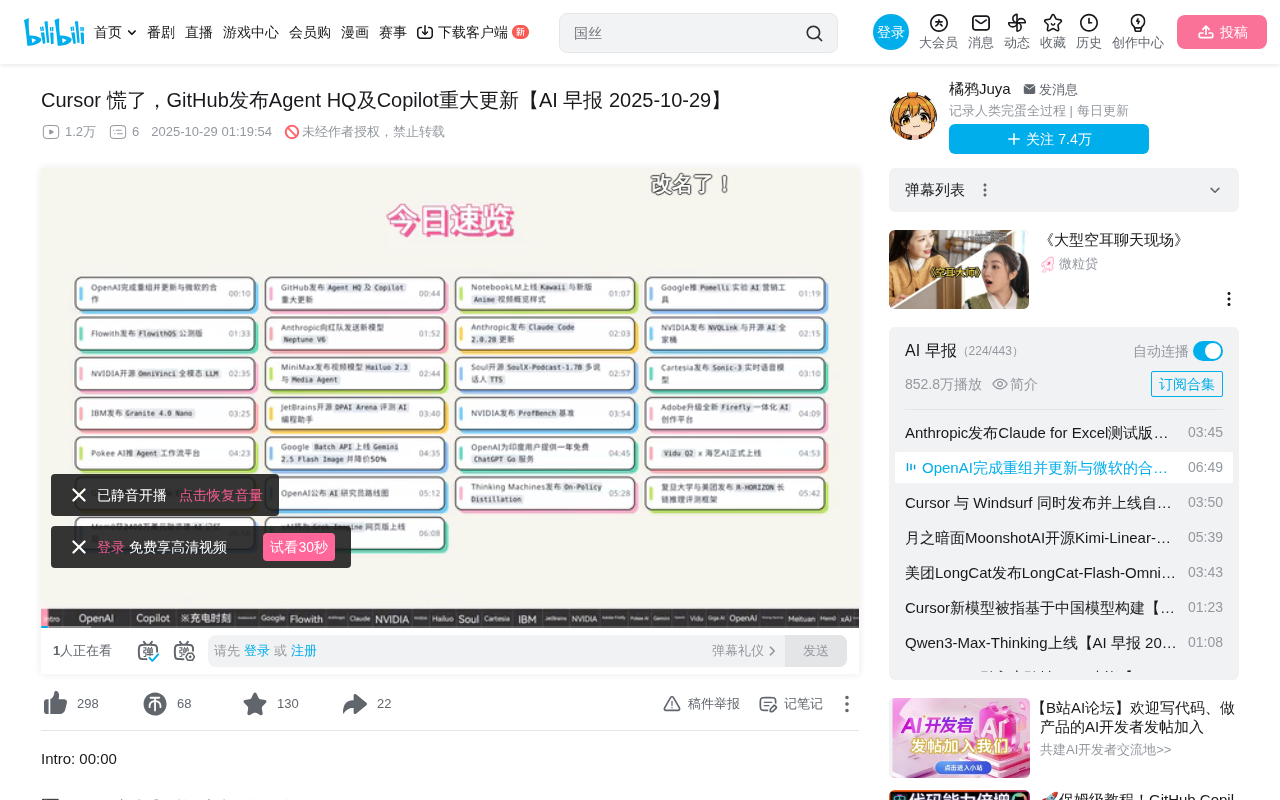
GitHub Agent HQ Launch: AI Coding Tools Enter the Era of Platform Competition
GitHub Universe unveils Agent HQ platform for unified coding agent management, Copilot upgrades with multi-model support. OpenAI completes restructuring, Anthropic tests new model, NVIDIA open-sources AI models.
 Tech Frontiers
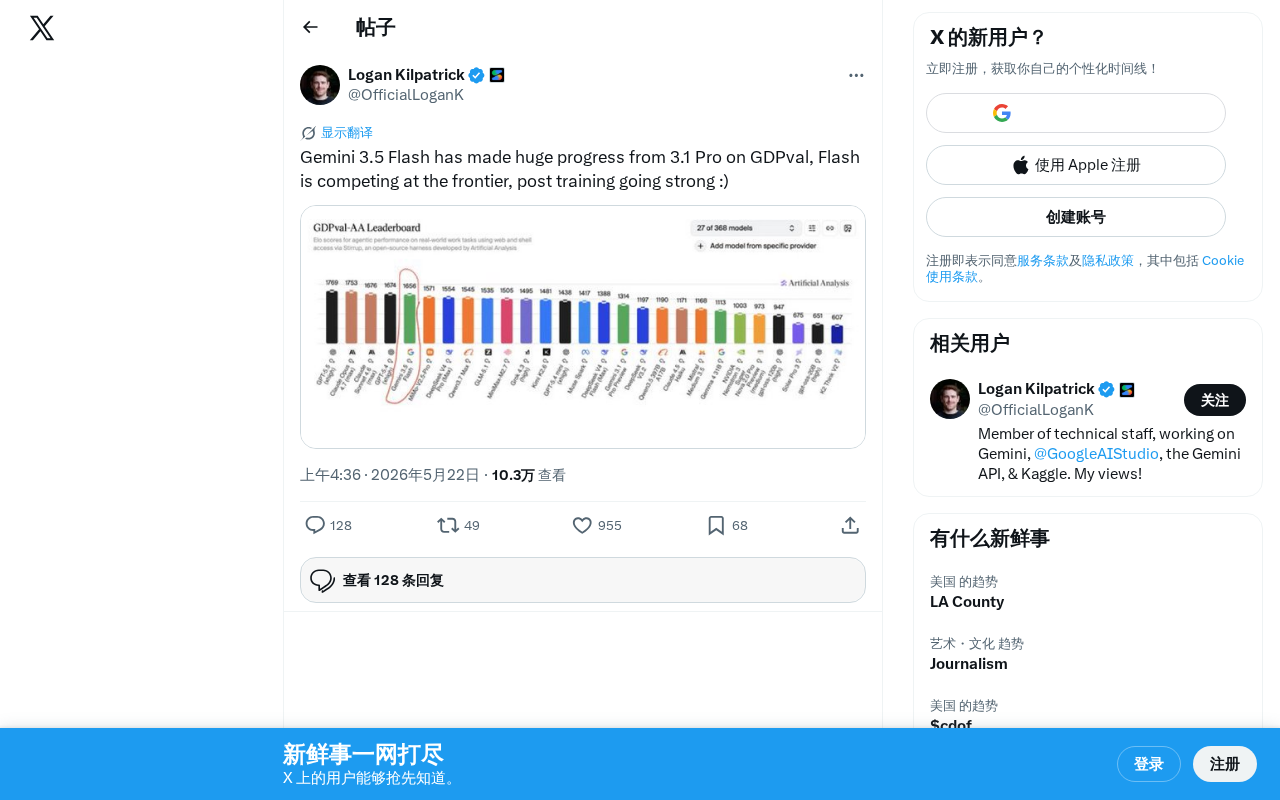
Gemini 3.5 Flash Achieves a Massive Leap on the GDPval Benchmark
Google Gemini 3.5 Flash surpasses Gemini 3.1 Pro on the GDPval benchmark. The lightweight Flash model leverages post-training techniques to approach frontier-level performance, redefining the balance between quality and cost.
 Tech Frontiers
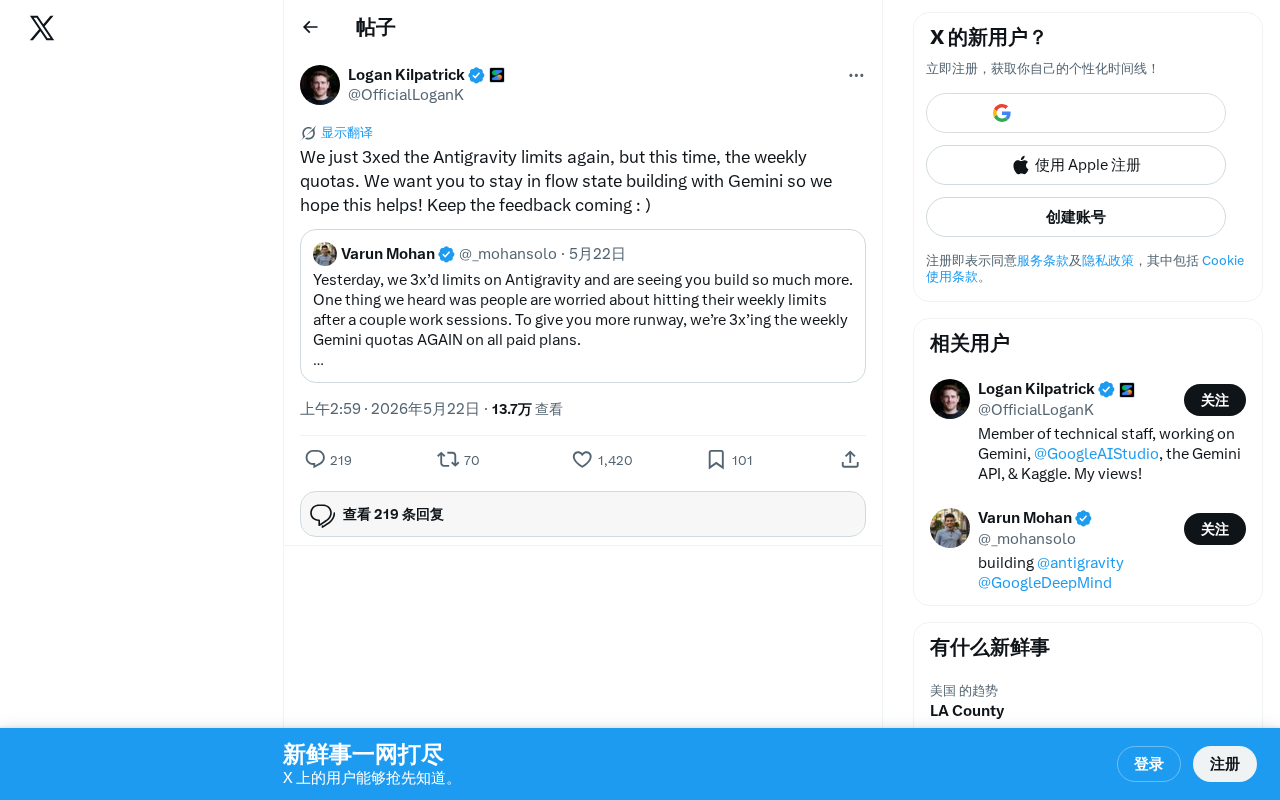
Google Gemini Antigravity Weekly Quota Tripled — AI Coding Without Limits
Google Gemini triples Antigravity weekly quotas following a prior daily quota boost. Analyzing the impact on developers and its strategic significance in AI coding.