WWDC26 Countdown: What the 'All Systems Glow' Theme Hints at for Major Upgrades

Apple's WWDC26 launches in one week — "All Systems Glow" hints at major system-wide upgrades.
Apple has officially announced WWDC26, themed "All Systems Glow," continuing its five-day free online format. The theme hints at major system-wide upgrades across all platforms, with key focus areas including deep Apple Intelligence integration, iOS 26 and full-platform system updates (with version numbers potentially aligning to the calendar year), visionOS spatial computing evolution, and AI-assisted coding capabilities in Xcode. This conference will shape the software direction of the Apple ecosystem for the year ahead.
Apple has officially announced that WWDC26 will kick off in just one week, with the theme set as "All Systems Glow." This annual event for developers worldwide will span five days and continue its free online format. From the theme naming to the visual design, Apple seems to be hinting at major system-wide upgrades this year.
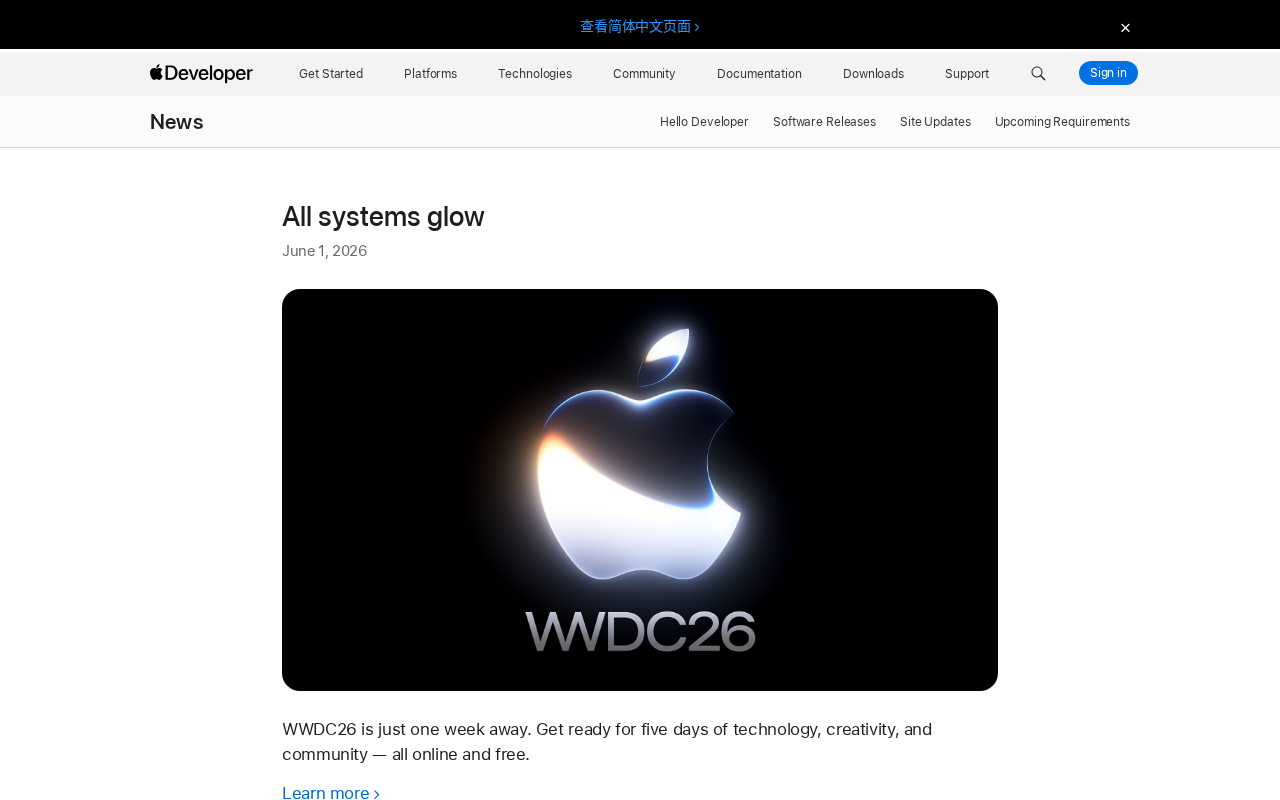
The Deeper Meaning Behind "All Systems Glow"
Apple's WWDC theme names have never been chosen at random. Since its inaugural event in 1987, WWDC (Worldwide Developers Conference) has become one of the most influential developer conferences in the world. Looking back, Apple's theme names have consistently foreshadowed their announcements: 2019's "Write Code. Blow Minds." heralded the birth of SwiftUI; 2023's "Code New Worlds" hinted at visionOS and Vision Pro; and 2024 centered on AI with the launch of Apple Intelligence. Each theme is carefully crafted by Apple's marketing team, serving as both a branding strategy and a "trailer-style" communication to the developer community.
The title "All Systems Glow" is worth dissecting carefully — "All Systems" implies full-platform, full-system coverage, not just updates to a single product line; "Glow" conveys a sense of renewal and radiance.
Looking at the official visual assets, the Apple Logo is rendered in a three-dimensional metallic finish, accompanied by white, blue, and amber light refraction effects set against a pure black background. This design language is noticeably different from previous WWDC editions — placing greater emphasis on light, shadow, and depth. This could hint at a major overhaul in UI design, possibly related to the rumored entirely new design language.
Five Days, Free and Online: Apple Continues Its Open Strategy
Since 2020, Apple has hosted WWDC online for several consecutive years, and this year is no exception. This shift has deep historical roots: before 2020, WWDC was an in-person event held at the McEnery Convention Center in San Jose, with tickets priced at $1,599 and allocated through a lottery system with extremely low odds. The COVID-19 pandemic forced Apple to go fully online in 2020, but this pivot unexpectedly brought enormous positive results — developer participation surged from a few thousand to millions. In 2022, Apple briefly reintroduced small-scale in-person viewing events (Apple Park Special Day), but core content distribution remained primarily online. This hybrid model has become the new paradigm for tech industry conferences, with Google I/O and Microsoft Build making similar adjustments during the same period.
The five-day agenda will include keynotes, technical sessions, developer labs, and more — all completely free and open to developers worldwide.
The benefits of this strategy are clear:
- Lower barriers to participation: Without expensive travel and ticket costs, developers anywhere in the world can access the latest technical information immediately
- Broader reach: The online format allows audience scale to far exceed the physical limitations of in-person events
- Replayable content: Session recordings can be watched repeatedly, making it easier for developers to study in depth
Likely Focus Areas for WWDC26
Based on recent industry trends and Apple's technology roadmap, there are several directions worth watching at WWDC26:
Deep Integration of Apple Intelligence
Over the past year, Apple's investment in Apple Intelligence has been unmistakable. Apple Intelligence is Apple's AI strategy brand officially launched at WWDC24, built on a three-tier technical architecture: on-device models, Private Cloud Compute, and third-party large model integration (such as ChatGPT). The on-device models are based on Apple's proprietary Foundation Models, running on the Neural Engine of Apple Silicon chips, capable of performing text summarization, image generation, smart replies, and other tasks without an internet connection. Private Cloud Compute is Apple's cloud-based solution designed for AI tasks requiring greater computational power, with its core selling point being that data is never stored or exposed to Apple, and server code is available for independent security researchers to audit. This "on-device and cloud collaboration + privacy-first" architecture is Apple's key differentiator from competitors like Google and OpenAI.
WWDC26 will very likely further expand AI application scenarios across iOS, macOS, and other systems, providing developers with more powerful machine learning frameworks and on-device AI capabilities. The "All Systems" in "All Systems Glow" may well signify that AI will permeate every corner of the Apple ecosystem.
iOS 26 and Full-Platform System Updates
As is tradition, WWDC will unveil new versions of iOS 26, macOS, watchOS, tvOS, and visionOS. Notably, iOS 26 suggests Apple may skip the traditional incremental numbering (the previous version was iOS 18) and align directly with the year. This naming strategy change isn't without precedent — macOS jumped from version 10.x to macOS 11 (Big Sur) back in 2020, then incremented annually. Industry observers widely speculate that Apple aims to unify the version numbering system across all platforms, directly linking iOS, macOS, watchOS, and other system version numbers to their release year (e.g., all systems released in 2026 would use 26 as the version number), thereby simplifying brand communication and reducing cognitive overhead for users. This also aligns perfectly with the "All Systems" theme — unification not just at the feature level, but in the naming system as well.
The wording "All Systems" strongly suggests that no platform will be neglected this year, with each system receiving substantive upgrades. Among them, visionOS updates are particularly worth watching. visionOS is Apple's spatial computing operating system built for the Vision Pro headset, first unveiled at WWDC 2023. Spatial Computing is Apple's redefinition of AR/VR/MR technology, emphasizing the natural blending of digital content with physical space rather than the fully immersive experience of traditional VR. Although Vision Pro's market penetration has been limited due to its steep $3,499 price tag, Apple clearly views it as a long-term strategic investment — much like the original iPhone in 2007, which also faced skepticism over its price and feature limitations. The visionOS updates at WWDC26 will be an important window into Apple's commitment to spatial computing, especially against the backdrop of a rumored lower-priced Vision product line on the horizon.
Xcode and Developer Tools Upgrades
Updates to Xcode, the Swift language, and related development frameworks are equally anticipated. The AI-assisted coding tools space is fiercely competitive: GitHub Copilot (based on OpenAI Codex) has amassed over a million paying users since its 2021 launch; the Cursor editor has risen rapidly thanks to deep AI integration; and Google has embedded a Gemini-powered coding assistant into Android Studio. By comparison, Apple's AI integration in Xcode has been relatively conservative — WWDC24 only showcased a preview of Swift Assist, which allows developers to describe requirements in natural language and generate code snippets, but the feature has yet to officially ship. The developer community has been vocal about Apple's slow progress in this area, so whether Xcode receives a breakthrough AI capability upgrade at WWDC26 will directly impact the daily workflows of millions of iOS/macOS developers.
As AI-assisted coding tools become mainstream, whether Apple will deeply integrate an AI coding assistant into Xcode is a topic of intense interest in the developer community.
How Developers Can Prepare for WWDC26
With just one week until WWDC26 opens, developers can take the following steps to prepare:
- Visit the Apple Developer website to review the full schedule
- Ensure your development environment is ready so you can try out new Beta systems and tools as soon as they drop
- Review last year's WWDC technical sessions and take stock of APIs and framework changes that haven't yet been implemented
- Follow community discussions and exchange expectations and preparation strategies with fellow developers
Final Thoughts
Every year, WWDC serves as a bellwether for the Apple ecosystem, not only determining the software direction for billions of devices over the coming year but also profoundly influencing the technology roadmap choices of millions of developers. The ambitious theme "All Systems Glow" has set high expectations for this year's announcements. In one week, we'll have our answers.
Related articles
 Tech Frontiers
GitHub Agent HQ Launch: AI Coding Tools Enter the Era of Platform Competition
GitHub Universe unveils Agent HQ platform for unified coding agent management, Copilot upgrades with multi-model support. OpenAI completes restructuring, Anthropic tests new model, NVIDIA open-sources AI models.
 Tech Frontiers
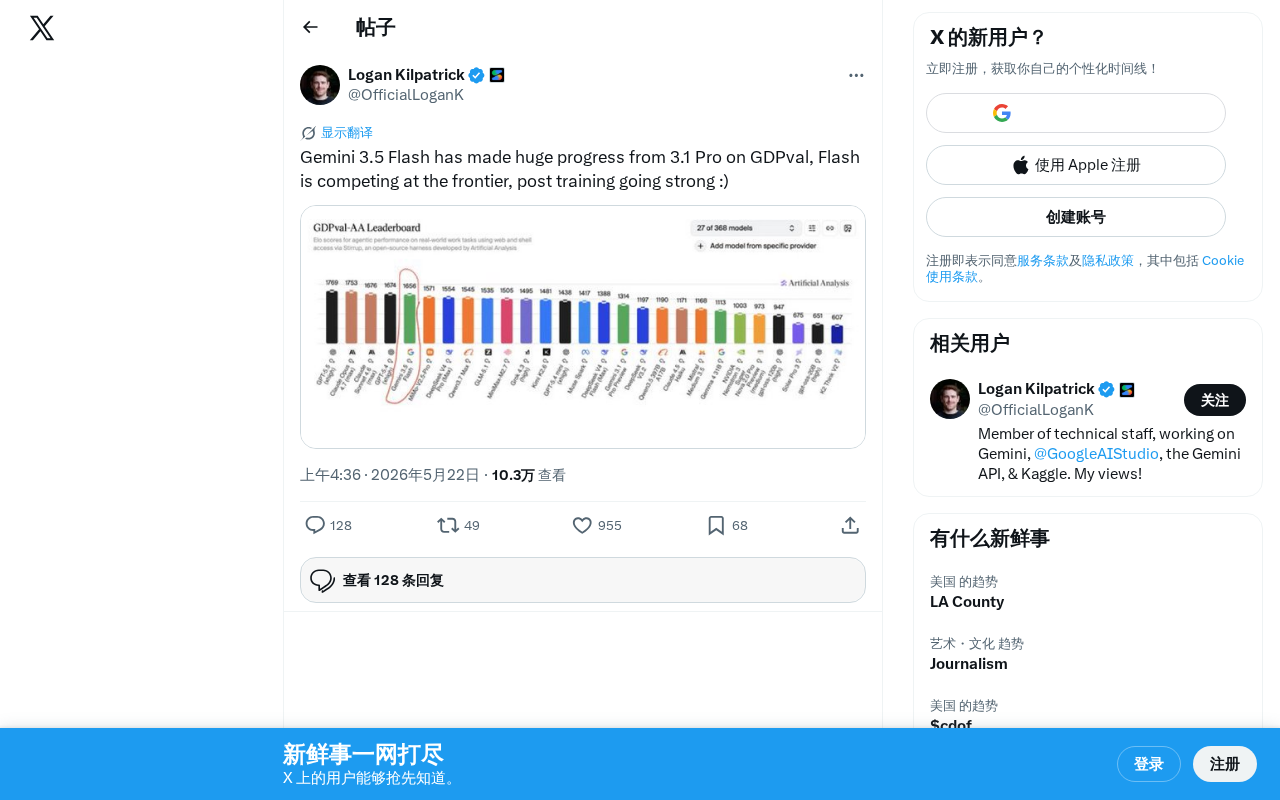
Gemini 3.5 Flash Achieves a Massive Leap on the GDPval Benchmark
Google Gemini 3.5 Flash surpasses Gemini 3.1 Pro on the GDPval benchmark. The lightweight Flash model leverages post-training techniques to approach frontier-level performance, redefining the balance between quality and cost.
 Tech Frontiers
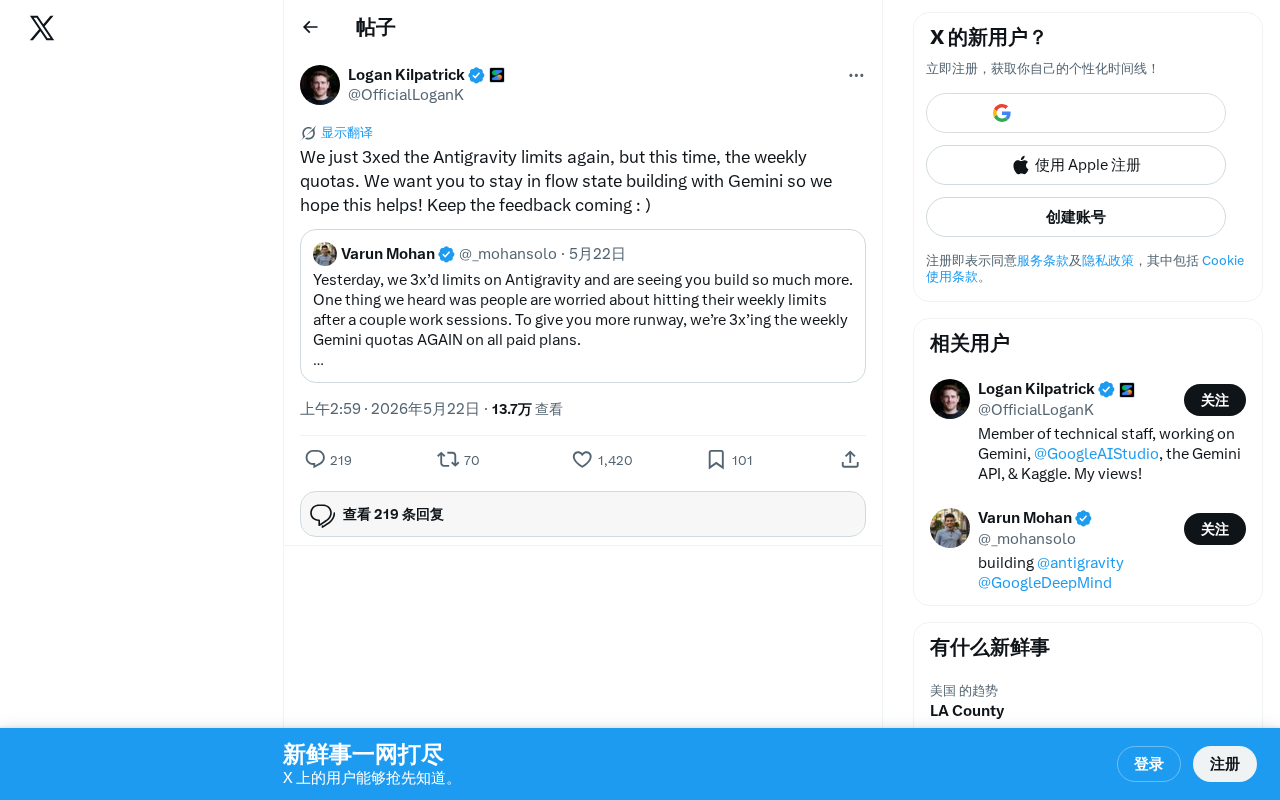
Google Gemini Antigravity Weekly Quota Tripled — AI Coding Without Limits
Google Gemini triples Antigravity weekly quotas following a prior daily quota boost. Analyzing the impact on developers and its strategic significance in AI coding.