A Cleaner Path to Rare Earth Refining: An MIT Alumnus's Green Metallurgy Startup
MIT alumnus Villalón, driven by childhood pollution memories, founded a clean rare earth refining startup to tackle the high-pollution challenges of rare earth production.
The article tells the story of MIT alumnus Tomás Villalón Jr., who was driven by childhood memories of smog from the metal industry in Monterrey, Mexico, to found a clean rare earth refining startup. Rare earths are not truly rare, but traditional separation relies on strong acids and organic solvents, producing radioactive waste and wastewater, which has shifted refining to weakly regulated regions. Villalón aims to build a localized rare earth supply chain without sacrificing the environment, with technical directions likely including reduced acid use, optimized separation, or electrochemical methods—though industrialization faces cost and scale challenges. Global attention to critical mineral security provides market space, and scaled clean metallurgy would reduce environmental footprints and create local manufacturing opportunities.
Rare earth metals are critical materials for electric vehicles, wind turbines, and electronic devices, but traditional refining processes are heavily polluting. MIT alumnus Tomás Villalón Jr. is exploring a cleaner path, attempting to transform this highly polluting industry.
From Childhood Memory to Entrepreneurial Drive
Villalón grew up in San Antonio, Texas, but his memories of Monterrey, Mexico—his family's place of origin—are especially vivid. It was a center of steel manufacturing and metalworking, with smog hanging over the city year-round. As a child, he already understood that breathing that air was a problem.
"I'm motivated because I've seen firsthand the impact of metal manufacturing," Villalón said. He completed his undergraduate studies at MIT, an experience that gave him both an understanding of the metal industry's economic value and a clear awareness of its environmental costs. This dual perspective became the core driving force behind his later entrepreneurial venture.
The Environmental Dilemma of Rare Earth Refining
Rare earth metals are not actually "rare"—it is the mining and separation processes that are extremely complex and highly polluting. Traditional methods involve large amounts of strong acids and organic solvents, producing waste residues and wastewater containing radioactive elements. Under environmental pressure, many countries have shifted refining operations to regions with weaker regulation, creating a global environmental governance challenge.
What Villalón sees is precisely this contradiction: clean energy technologies depend on rare earths, yet rare earth production itself is not clean. His goal is to build a localized rare earth supply chain without sacrificing the environment.
Rare earth elements include the 15 lanthanide elements plus scandium and yttrium. They are not scarce in the Earth's crust, but they tend to be dispersed at low concentrations in minerals such as monazite and bastnäsite, and often co-occur with radioactive elements like thorium and uranium. Traditional separation and purification rely on solvent extraction, requiring repeated use of strong acids (such as sulfuric acid and hydrochloric acid) and organic extractants (such as P204 and P507). The process is long and acid-intensive—each ton of rare earth oxide produced may generate tens of tons of radioactive waste residues and acidic wastewater. If improperly disposed of, these residues can contaminate soil and groundwater, and radioactive elements may accumulate through the food chain. For this reason, the environmental costs of rare earth refining have long been underestimated; only in recent years, as concerns over critical mineral supply chain security and environmental protection have converged, has the industry begun seeking cleaner alternative processes.
Technical Directions for a Cleaner Path
Although the original article does not disclose specific technical details, Villalón's background and entrepreneurial motivation suggest that the new path likely focuses on reducing strong acid use, optimizing separation processes, or introducing electrochemical methods. Such directions have been explored in academia, but industrialization remains a challenge.
You may not have noticed that clean refining is not just a technical issue—it also involves cost, scale, and supply chain restructuring. Villalón's timing aligns with global attention to critical mineral security, which provides market space for innovative solutions.
Electrochemical separation is one of the more closely watched directions in rare earth metallurgy in recent years. Its approach is to use electric fields to drive selective migration of ions onto specific electrodes or membrane materials, thereby replacing some solvent extraction steps. For example, by regulating electrode potential and electrolyte composition, selective deposition or dissolution between adjacent rare earth elements can be achieved, reducing the use of organic solvents and strong acids. In addition, bioleaching (using organic acids produced by microbial metabolism to dissolve minerals) and ionic liquid extraction have also shown potential at the laboratory level, but generally face issues such as insufficient selectivity, small throughput, and relatively high energy consumption. Scaling from laboratory to industrial scale still requires solving engineering challenges including continuous operation, impurity control, and cost accounting—which is also why the industrialization cycle for clean rare earth technologies is relatively long.
Impact and Implications for the Industry
The green transformation of the rare earth supply chain requires concerted efforts from multiple parties. Villalón's case shows that an entrepreneur's personal experience can be transformed into motivation for solving systemic problems. If clean metallurgy technologies reach scale, they will reduce the environmental footprint of rare earth production while creating opportunities for local manufacturing.
From a broader perspective, this path echoes the concepts of circular economy and cleaner production. Only when clean energy technologies themselves are also manufactured cleanly can the loop of green transformation be truly closed.
(End)
Critical mineral security has been a topic of intensive policy attention in various countries in recent years. Rare earth permanent magnet materials are important components of electric vehicle drive motors and wind turbines, and the highly concentrated supply chain exposes downstream manufacturers to price volatility and supply disruption risks. Economies such as the United States and the European Union have promoted the development of domestic or friend-shored rare earth mining, separation, and magnet manufacturing capabilities through legislation and subsidies, but new separation plants must still pass strict environmental assessments. This means that whoever can achieve large-scale separation at lower environmental compliance costs is more likely to obtain project permits and long-term procurement commitments from downstream customers. Clean refining technology is therefore not only an environmental issue but also directly related to supply chain resilience and market access.
One-line Summary
MIT alumnus Villalón, driven by childhood memories of pollution, founded a clean rare earth refining startup to tackle the high-pollution challenges of rare earth production.
Paragraph Summary
The article tells the story of MIT alumnus Tomás Villalón Jr., who was driven by childhood memories of smog from the metal industry in Monterrey, Mexico, to found a clean rare earth refining startup. Rare earths are not truly rare, but traditional separation processes rely on strong acids and organic solvents, producing waste residues and wastewater containing radioactive elements, which has led refining operations to shift to regions with weaker regulation. Villalón's goal is to build a localized rare earth supply chain without sacrificing the environment, with technical directions likely focusing on reducing strong acid use, optimizing separation processes, or introducing electrochemical methods—though industrialization still faces cost and scale challenges. The article notes that global attention to critical mineral security provides market space for clean rare earth technologies, and that clean metallurgy at scale would reduce environmental footprints and create local manufacturing opportunities.
Related articles
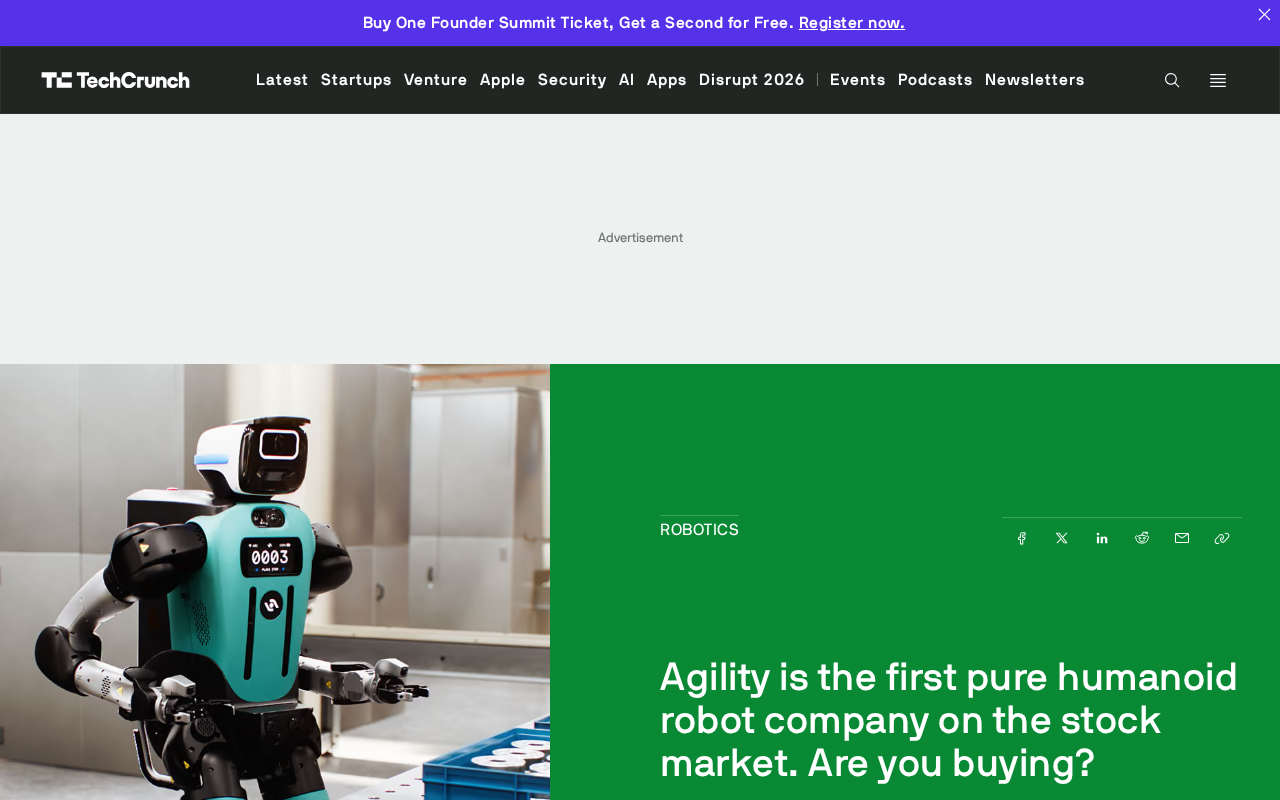
World's First Humanoid Robot Company Agility Lists on Nasdaq: Buy or Not?
Agility becomes the world's first pure-play humanoid robot company to list on Nasdaq. This article analyzes what the landmark event means for the industry and investors, unpacking the commercialization test and investment framework for the pure humanoid robot sector.
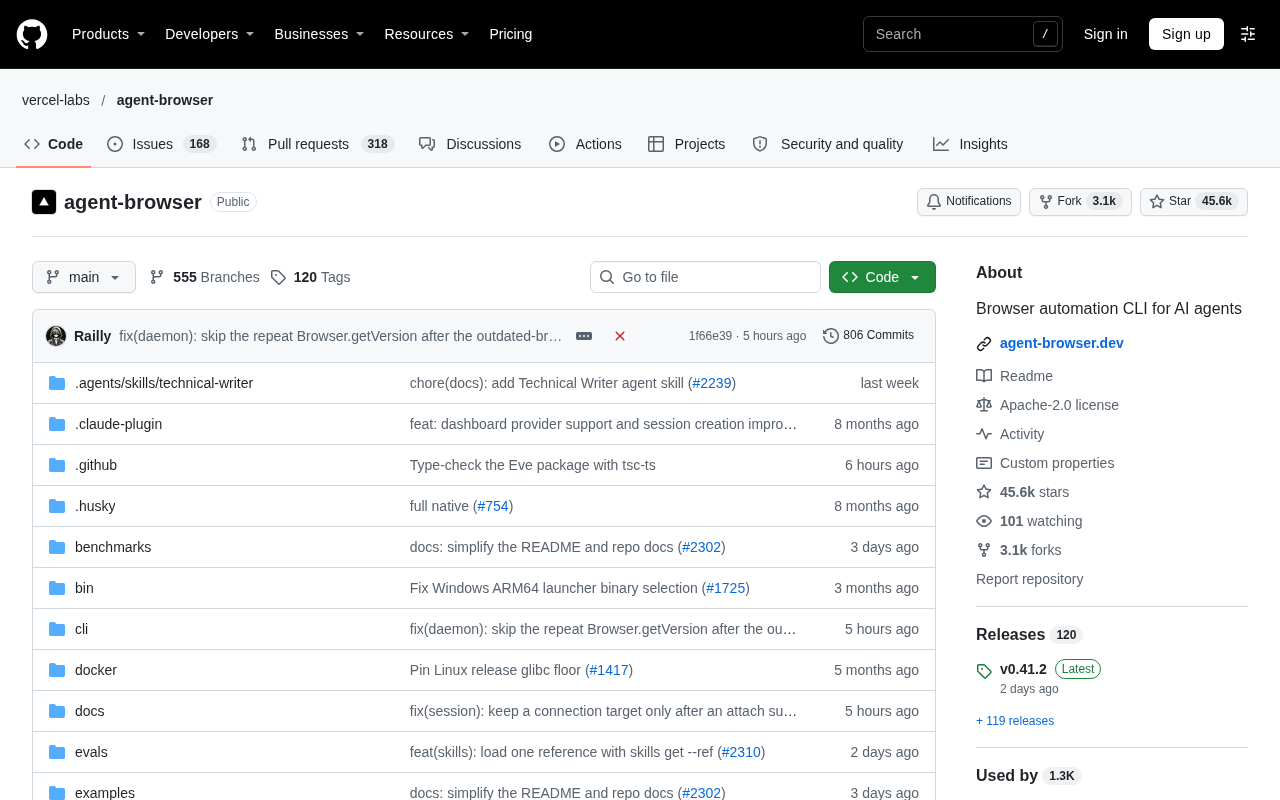
Agent-Browser: A Browser Automation CLI for AI Agents
Vercel Labs open-sources agent-browser, a Rust-built browser automation CLI designed for AI agents, with over 45,000 GitHub stars and command-line-first browser control.
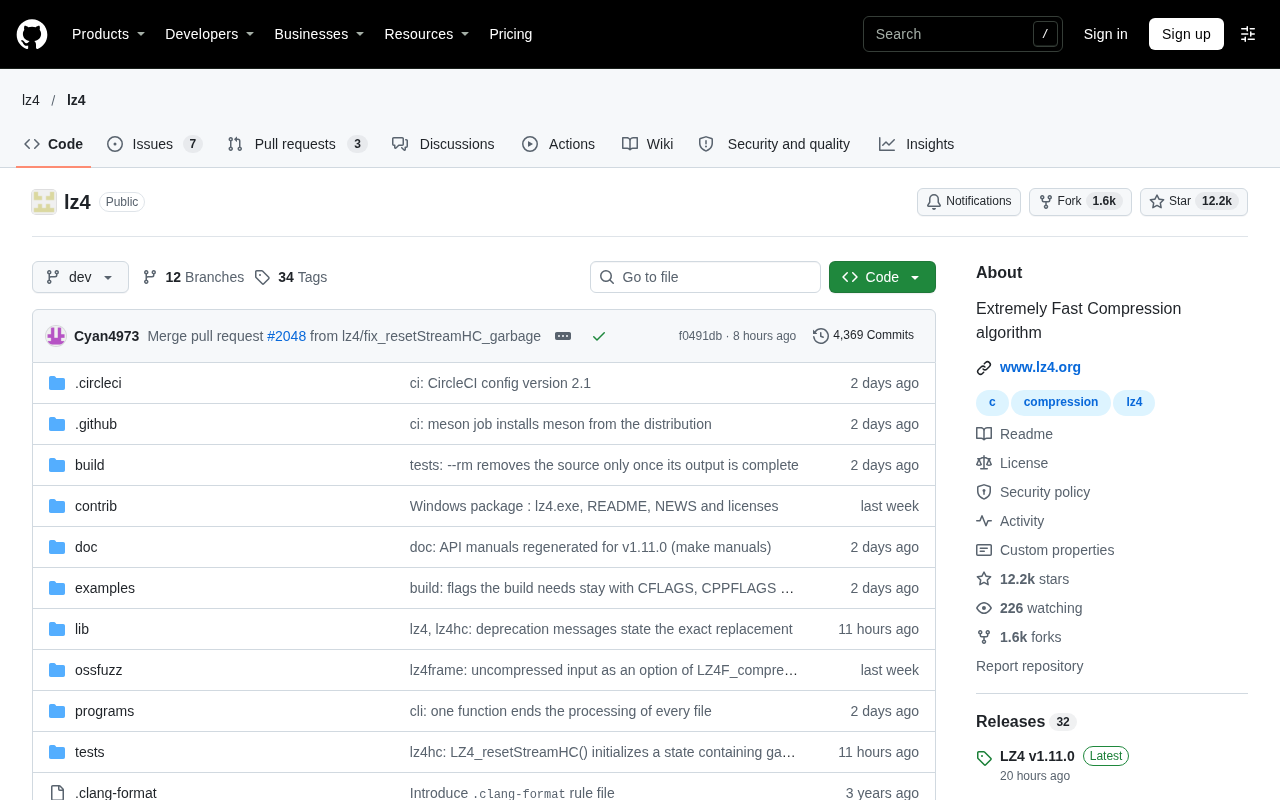
LZ4: The Open-Source Benchmark for Blazing-Fast Compression
Explore the LZ4 blazing-fast compression algorithm: its design philosophy, performance advantages, and wide use in the Linux kernel, databases, and more. How a 12k+ star open-source project became the speed benchmark.