Brazilian Court Sanctions Lawyer: First Prompt Injection Lawsuit Case

A Brazilian court sanctioned a lawyer for embedding prompt injection instructions in court filings—possibly the first judicial discipline case of its kind.
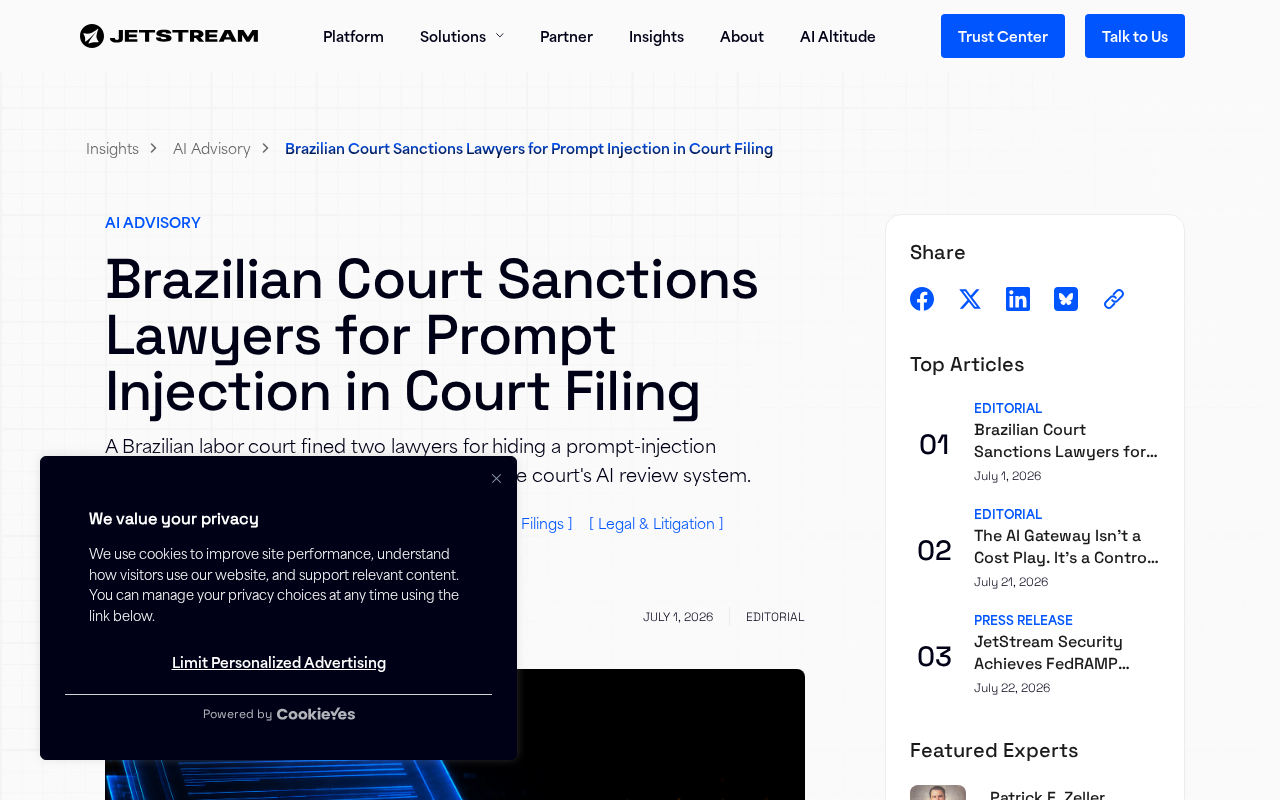
A court in Brazil sanctioned a lawyer for embedding prompt injection instructions in court filings, potentially the first formal judicial discipline for "prompt injection" worldwide. Prompt injection exploits LLMs' inability to reliably distinguish "data" from "instructions" to manipulate the court's AI-assisted tools, such as summarization, retrieval, or classification. Hacker News discussion agreed on the basic facts but split on the sanctions' reasonableness: some say the court overreacted and AI vendors should bear the risk; others stress lawyers' ethical bottom line. The case also exposed courts' lack of security review mechanisms when adopting AI tools and set a precedent for holding technical manipulation accountable under existing law.
When Court Filings Become Attack Vectors
A court in Brazil has sanctioned a lawyer in a case for submitting filings that embedded prompt injection instructions targeting AI systems. This may be the first time a judicial system anywhere in the world has formally disciplined someone for "prompt injection," and the incident sparked over two hundred points of discussion and hundreds of comments on Hacker News—clear evidence that it has struck a sensitive nerve at the intersection of law and technology.
Prompt injection itself is not a new concept—it refers to embedding hidden instructions in text to induce large language models to perform unintended actions. But previously such attacks mostly appeared in web pages, emails, or public documents. Moving the battlefield into court filings is a completely different matter: filings are formal materials that court systems scan, archive, and even process with AI-assisted tools. Embedding instructions in them amounts to an attempt to manipulate the automated links in the judicial process.
Prompt Injection is a class of attack that emerged with the adoption of large language model applications: an attacker hides carefully crafted instructions in text that the model will read, inducing the model to treat that text as a "task instruction" rather than "data to be processed." Common variants include direct injection (the user directly inputs malicious instructions) and indirect injection (malicious instructions are hidden in third-party content such as web pages, emails, or documents and triggered when the model reads them). OWASP has ranked prompt injection as the top security risk for large language model applications. Such attacks are hard to eradicate because the architecture of current mainstream LLMs does not distinguish between an "instruction channel" and a "data channel"—both ultimately enter the same context window as token sequences.
The Technical Logic Behind the Sanctions
According to JetStream Security's analysis, the core of such attacks lies in exploiting the LLM's inability to reliably distinguish "data" from "instructions." When a court uses AI tools to summarize, retrieve, or classify filings, instructions hidden in the body text may be treated by the model as task requirements to execute—for example, asking the model to ignore a prior analytical framework, output a specific conclusion, or leak information from the system prompt.
You may not have noticed that this approach is not necessarily sophisticated technically, but it is extremely dangerous legally. It transforms an information-security attack technique into interference with the integrity of judicial proceedings. The court's sanctions decision sends a signal: regardless of whether the attack succeeds, an attempt to influence AI-assisted adjudication through technical means may itself constitute a violation.
System Prompt refers to a set of instructions preset by the application developer before a conversation begins, used to define the model's role, behavioral boundaries, output format, and safety constraints. It is usually invisible to end users and is one of the primary means by which AI applications implement "guardrails." One important goal of prompt injection attacks is to induce the model to leak the contents of the system prompt or bypass its restrictions. Once the system prompt is extracted, attackers can design subsequent attacks more precisely, so the confidentiality and robustness of the system prompt are regarded as a key line of defense in AI security practice.
Consensus and Divergence Under Multi-Source Cross-Verification
Discussion on Hacker News and JetStream Security's original analysis reach consensus on several key facts: the filings in question did contain prompt injection content, the court did impose sanctions, and the case has precedential significance. Views from multiple technical communities cross-corroborate the basic outline of the incident.
Divergence centers on the reasonableness and boundaries of the sanctions. Some commenters argue that the court overreacted—prompt injection is more like a harmless "technical prank," and the real risk should be borne by AI tool vendors rather than punished through the lawyer who submitted the filings. Others emphasize that lawyers, as legal professionals, bear a higher obligation regarding the authenticity of submitted materials, and deliberately embedding manipulative instructions has crossed the bottom line of professional ethics. Still another distinctive view points out that the deeper problem exposed by this case is the lack of accompanying security review mechanisms when courts introduce AI tools—unilaterally shifting responsibility onto lawyers is unfair.
Implications for the Intersection of Law and AI
The most direct impact of this case is that it moves "prompt injection" from a topic of attack and defense within the tech community onto the risk checklist of the legal profession. For law firms and courts using AI-assisted tools, document review processes need to add detection for hidden instructions—this is not only a technical issue but also a requirement of procedural justice.
For AI developers, this case once again highlights the urgency of the fundamental challenge of separating instructions from data. As long as models still execute text in user data as instructions, similar abuse will keep finding new carriers. The judicial system is just one high-value target.
Looking further ahead, the Brazilian court's sanctions open a precedent: technical manipulation, even when cloaked in the guise of "text," may be held accountable within existing legal frameworks. As AI systems become deeply embedded in the processes of public institutions, the norms governing behavior around them will inevitably move from self-regulation by the tech community toward formal institutional constraints. This case may be only the beginning of that process.
Precedent in a legal system refers to a court's adjudication of a specific case that becomes part of the sources of law because the rules it establishes have reference or binding effect on subsequent similar cases. In common law systems, precedents have formal binding force (the principle of stare decisis); in civil law systems (such as Brazil), although precedents generally do not have strict binding force, rulings by higher courts still have significant influence on lower courts. This case is described as "precedent-setting" precisely because it is the first time technical manipulation such as prompt injection has been brought into judicial evaluation, providing adjudicative reference for similar cases to come.
One-line Summary
A Brazilian court sanctioned a lawyer for embedding prompt injection instructions in court filings—possibly the world's first judicial discipline of its kind.
Paragraph Summary
A court in Brazil sanctioned a lawyer for embedding prompt injection instructions in court filings, potentially the first formal discipline by a judicial system anywhere for "prompt injection." Prompt injection exploits the inability of large language models to reliably distinguish "data" from "instructions," attempting to manipulate the court's AI-assisted tools, such as summarization, retrieval, or classification systems. Discussion on Hacker News reached consensus on the basic facts but diverged on the reasonableness of the sanctions: some argue the court overreacted and the risk should be borne by AI vendors; others emphasize that the bottom line of lawyers' professional ethics must not be crossed. The case also exposed the lack of accompanying security review mechanisms when courts introduce AI tools, and provided a precedent for holding technical manipulation accountable within existing legal frameworks.
Related articles

World's First Humanoid Robot Company Agility Lists on Nasdaq: Buy or Not?
Agility becomes the world's first pure-play humanoid robot company to list on Nasdaq. This article analyzes what the landmark event means for the industry and investors, unpacking the commercialization test and investment framework for the pure humanoid robot sector.
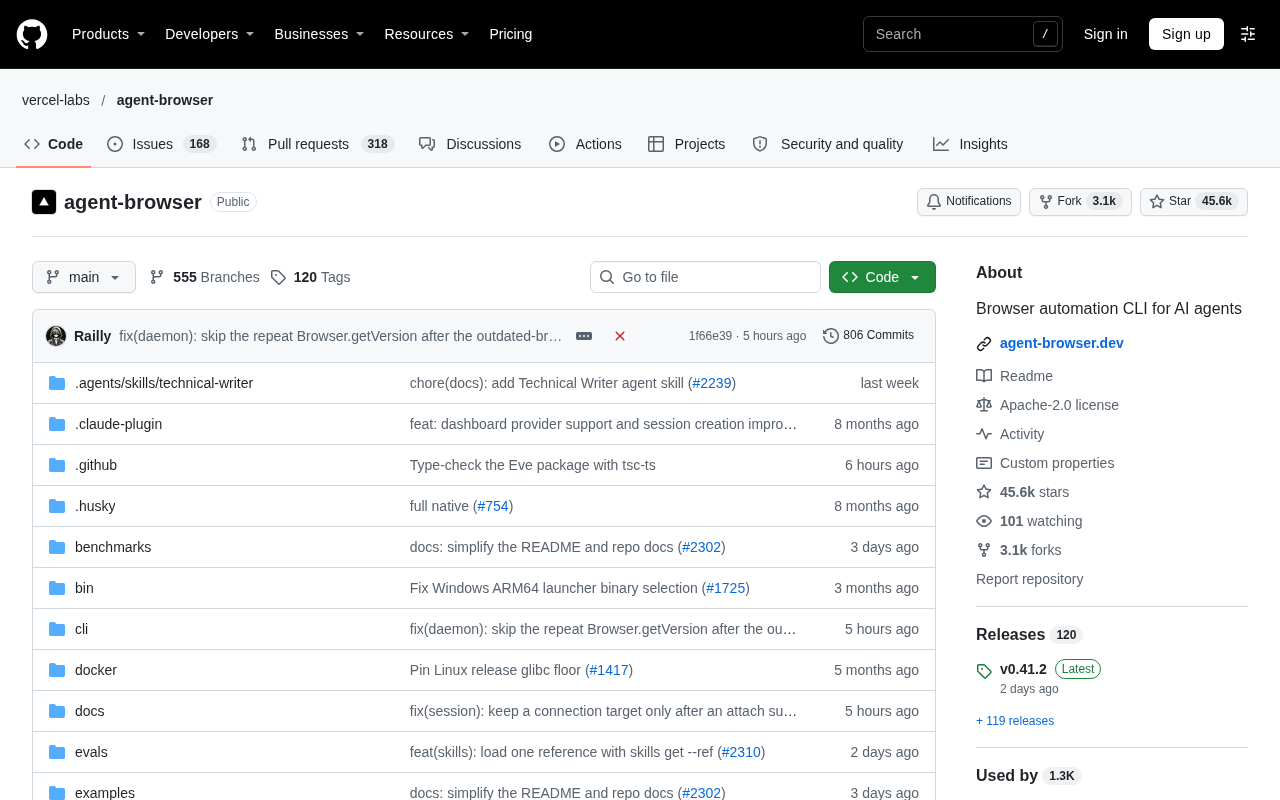
Agent-Browser: A Browser Automation CLI for AI Agents
Vercel Labs open-sources agent-browser, a Rust-built browser automation CLI designed for AI agents, with over 45,000 GitHub stars and command-line-first browser control.
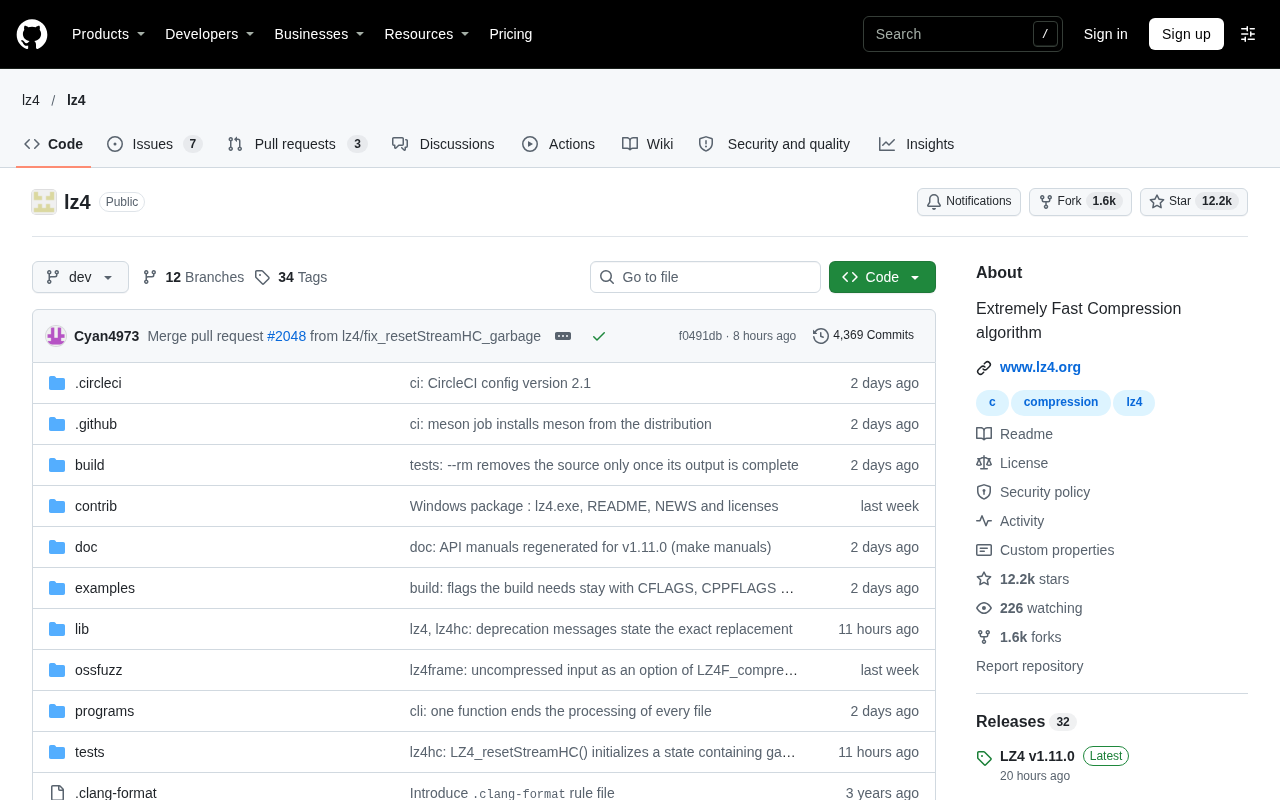
LZ4: The Open-Source Benchmark for Blazing-Fast Compression
Explore the LZ4 blazing-fast compression algorithm: its design philosophy, performance advantages, and wide use in the Linux kernel, databases, and more. How a 12k+ star open-source project became the speed benchmark.