Data Centers Become a Midterm Election Flashpoint: AI Infrastructure Meets Community Backlash

Data centers became a midterm flashpoint because they're physically stoppable, forcing tech to relearn community negotiation.
Around U.S. midterm voting day, data centers unexpectedly became a central issue in multiple state races. The Vergecast's David Pierce and Addy Robertson unpacked how data centers differ from past tech issues: they are physical, and residents can actually stop them via city councils, permits, and environmental reviews. Opposition cuts across party lines—Arizona water, Texas grid load, Maine land disputes—converging on a national trend: almost no politician will defend data centers unreservedly. Loudoun County's tax win-win is a rare positive but predates the hyperscale AI era and is hard to replicate. Robertson notes the tech industry's "inevitable" defense no longer works; it must relearn how to offer real community incentives. Data centers have become a physical stand-in for AI anxiety, while research on their long-term impacts remains insufficient.
Data Centers Become a Midterm Election Flashpoint: AI Infrastructure Meets Community Backlash
As the U.S. midterm elections reach voting day, data centers have unexpectedly become a central issue in races across multiple states. The Vergecast host David Pierce and reporter Addy Robertson sat down the day before the vote to unpack how data centers escalated from a local zoning matter into a national political issue—and why, regardless of the election outcome, the expansion of AI infrastructure will face unprecedented community resistance.
Why Data Centers Became an Election Issue
According to The Verge reporter Addy Robertson, the core reason data centers have been repeatedly invoked in this midterm cycle is that they differ from any previous tech issue—they are a physical presence that can be stopped.
Over the past few years, Congress has summoned tech CEOs to testify, but at the federal level there is almost no way to effectively regulate websites or algorithms. Data centers are different: they require land, permits, grid connections, and local government approval. Residents can attend city council meetings, complain to local officials, and demand environmental reviews. As Robertson put it bluntly on the show: "A data center is something you can actually say no to."

This also explains why opposition to data centers cuts across party lines, age groups, and demographics. Polling shows that when asked about data centers and AI, most respondents say, "This matters, and I don't like what's happening." Although issues like the economy and war still rank higher in voter priorities, data centers have become an emotional outlet—a way for people to project their anxiety about energy prices, environmental impact, and tech giants intruding on daily life onto a massive physical building.
From Virginia to Texas: Two Scripts for Local Battles
The data center fight is not monolithic. According to Robertson and The Verge team's ongoing tracking, different states present markedly different points of conflict.
Loudoun County, Virginia: A Former Win-Win Model
Loudoun County is known as the data center capital of the U.S.—David Pierce's show opener even jokes that The Vergecast is "the flagship podcast of Loudoun County." Robertson notes that Loudoun's success lies in a clear exchange of interests: data centers bring in massive tax revenue, allowing local government to lower taxes in other areas and fund public services, while property values rise. Residents pay the price of "a data center in the backyard," but they get visible returns.
However, Robertson also cautions that Loudoun's model was built before the era of hyperscale AI data centers, and whether it can be replicated today remains an open question.
The Data Center Capital
Loudoun County is located in northern Virginia, adjacent to Washington Dulles International Airport, and is one of the key hubs for global internet traffic. By some estimates, about 70% of the world's internet traffic passes through data centers in the county. This status stems from historical circumstance: in the 1990s, AOL chose the area for its headquarters, and a large number of internet infrastructure companies subsequently clustered there, forming a complete industrial ecosystem. The county government has long viewed data centers as a premium tax source—property taxes on rack equipment and real estate paid by data centers once contributed nearly one-third of the county's tax revenue, allowing residents' personal income tax rates to remain low.
Yet this model's footprint on land and the power grid has become increasingly significant. With the arrival of hyperscale AI data centers, a single campus can draw hundreds of megawatts—equivalent to the electricity consumption of tens of thousands of homes—and Loudoun County is beginning to face real constraints on grid expansion and community carrying capacity.
Texas and Maine: Amplifiers of Opposition
Texas is one of the most closely watched states in this election. As a deep-red state and an emerging data center heavyweight, Texas has abundant available land and should be a friendly destination for the tech industry. But Robertson observes that politicians who enthusiastically welcomed data centers a decade ago are now trying to distance themselves from their past positions.
Maine presents a different picture: relatively rural, less affluent areas have been chosen by tech capital as data center sites, and residents feel "this is being imposed on us." Robertson points out that the siting logic itself creates resistance—"you don't push this kind of project into wealthier, more densely populated places."

Arizona's water stress, Texas's grid load problems, Maine's land-use disputes—each state's issues are specific, but together they point to the same trend: almost no politician is willing to defend data centers without reservation. Even supporters tend to emphasize that "the community should decide" and cite bills requiring data centers to pay their own electricity costs as cover.
Where Data Centers Typically Get Built
Data center siting usually depends on three core conditions: land cost, electricity prices, and grid connection capacity. Texas has become a data center heavyweight due to its vast land, deregulated electricity market, and abundant renewable energy; Arizona attracts companies with low electricity prices, but its arid climate means data center cooling water competes with residential water use; Maine has lots of land and few people, and its cool climate aids heat dissipation, but its relatively weak economy means tech companies acquire land at low prices, easily creating the impression of "cheap resource acquisition."
This siting logic determines the geographic distribution of conflict: data centers tend to go where land is cheap, regulation is loose, and community bargaining power is weak—not to wealthy or densely populated cities. This also explains why opposition is especially pronounced in Texas, Maine, Arizona, and elsewhere—residents feel decisions are made without them, yet they bear the consequences of higher electricity prices, water consumption, and landscape changes.
What the Election Results Could Change
When asked what would happen if Democrats win big, Robertson's assessment is that a full ban is unlikely, but "the appetite for moratoriums or heavy restrictions will rise significantly." She describes the ideal scenario in opponents' minds—data centers can be built, but they must follow the rules: they must not drive up electricity prices, they must use water efficiently, and in some cases they must pay dividends to state residents.
Conversely, if Republicans hold their ground, the question becomes whether local resistance can be sustained. Robertson worries that if the electoral accountability path fails, highly localized opposition movements could suffer a morale blow. But she also stresses that there is no indication that residents fighting at the city council level will give up.
One repeatedly cited variable is Trump's own strong support for data centers, which makes it difficult for Republican candidates to form a unified strategy. And tech companies have previously leaned heavily Republican in political donations; if Democrats win, AI companies will have to relearn how to navigate Democratic politics.
Moratoriums and Community Benefits Agreements
The policy tools pushed by data center opponents fall into two main categories. One is the moratorium—local governments pausing approval of new data center projects for months to years in order to study cumulative impacts and develop plans. The other is the Community Benefits Agreement (CBA), which requires developers to sign legally binding agreements with the community before receiving permits, committing to pay electricity surcharges, use water-saving cooling technology, contribute to local funds, or provide job training.
Neither tool amounts to a full ban, but both can significantly raise project thresholds and costs. The "ideal scenario" opponents describe—data centers can be built but must follow the rules—is essentially a demand to internalize external costs, making developers bear the true price of their electricity, water, and infrastructure upgrades.
The Tech Industry Needs to Relearn "Give and Take"
Robertson offers a sharp observation: tech companies have forgotten how to offer real incentives to enter a community.
In the past, a factory locating in a small town meant jobs, tax revenue, and political wins—a victory local politicians were happy to tout. But data centers create limited direct employment after the construction phase, while consuming large amounts of electricity and water. The tech industry's defense logic often degenerates into "this is inevitable, you must learn to coexist"—which Robertson believes is extremely unlikely to work today.
"The ideal capitalist answer" is for companies to find incentive packages that genuinely benefit communities. Loudoun County proves this is theoretically possible, but that was pre-AI-era experience. Under hyperscale computing demand, a single data center is far larger than before, and replicating the Loudoun model is correspondingly harder.
As for building data centers overseas, Robertson believes this cannot solve the fundamental problem: AI companies need such massive computing capacity that overseas deployment can only divert part of the pressure.
Why Data Centers Create Limited Jobs
Data centers bring a large number of temporary construction jobs during the build phase, but once operational they require very few long-term employees. A large data center typically needs only a few dozen technicians for operations and maintenance—far fewer than a manufacturing plant of comparable investment. This is because the core function of a data center is server hosting and cooling, which is highly automated and has limited pull-through for local supply chains.
Meanwhile, data centers' consumption of electricity and water is continuous. This "busy during construction, quiet during operation" employment structure makes it hard for local governments to answer to voters with jobs data the way they would for a factory. When residents ask "what do we get?", tax breaks have often already been conceded in the investment agreement, leaving only electricity price pressure and land-use disputes.
A Stand-In for AI Anxiety
One recurring point in the conversation is that data centers are the physical stand-in for AI anxiety. People find it hard to take action against model training, algorithmic bias, or privacy erosion, but they can speak out against a construction permit in their own backyard.
Robertson notes that in coverage of the midterms, almost only one person articulated the benefits of data centers head-on—"it lets you do things online." When sentiment is this negative, even feeling proud of data centers' value becomes difficult. And this sentiment is largely fueled by AI companies' own messaging: CEOs talk on TV about AI replacing jobs while asking communities to accept the supporting infrastructure.
As for the actual impact of data centers, Robertson acknowledges that research remains insufficient. There is a lack of systematic empirical data on the long-term effects of hyperscale data centers on local finances, the environment, and employment. Asking a community to serve as a "guinea pig" is politically almost impossible.
Signals to Watch
For voters who care only about the data center issue, Robertson offers two windows to watch:
Florida is a bellwether. Republican candidate Byron Donalds has been tagged by opponents as "Data Center Donalds," and the race over whether he would push Florida wide open to data centers is fiercely contested. Florida has long leaned red; an unexpected swing would show that the data center issue has greater reach than expected.
The post-vote attribution problem is equally key. Robertson warns that it is hard to attribute a candidate's defeat solely to their data center stance—an unpopular president, an unpopular war, and structural changes in the district all play a role simultaneously. Data centers are one item on the list, but by no means the only one.
Regardless of the outcome, one thing is already clear: after an entire election season of debate, the answer "people don't want data centers" is clear enough. If the tech industry continues to expand, it must offer a better reason than "inevitable."
One-line Summary
Data centers have become a midterm election flashpoint because they are physically stoppable, and cross-partisan opposition is forcing the tech industry to relearn community negotiation.
Paragraph Summary
Around voting day in the U.S. midterm elections, data centers unexpectedly became a central issue in races across multiple states. The Vergecast host David Pierce and reporter Addy Robertson unpacked this shift: unlike any previous tech issue, data centers are a physical presence that residents can actually stop through city council meetings, permitting, and environmental reviews. Opposition cuts across party lines—Arizona's water resources, Texas's grid load, and Maine's land disputes each have their own focus, but together they converge into a national trend: almost no politician is willing to defend data centers without reservation. Loudoun County's tax win-win model is a rare positive example, but it predates the hyperscale AI data center era and is hard to replicate directly. Robertson notes that the tech industry's usual "inevitable" defense no longer works and that it must relearn how to offer communities real incentives. Data centers have essentially become a physical stand-in for public AI anxiety, while empirical research on their long-term impacts remains insufficient.
Related articles
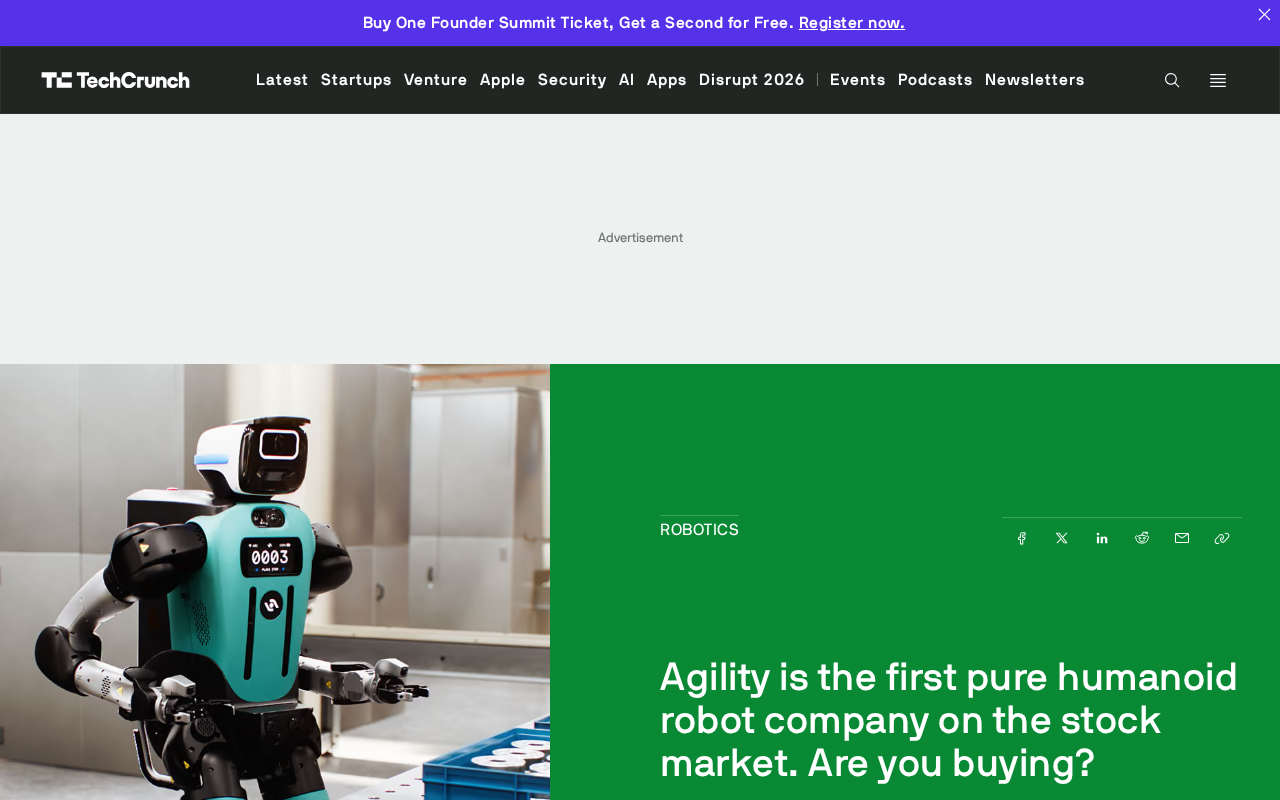
World's First Humanoid Robot Company Agility Lists on Nasdaq: Buy or Not?
Agility becomes the world's first pure-play humanoid robot company to list on Nasdaq. This article analyzes what the landmark event means for the industry and investors, unpacking the commercialization test and investment framework for the pure humanoid robot sector.
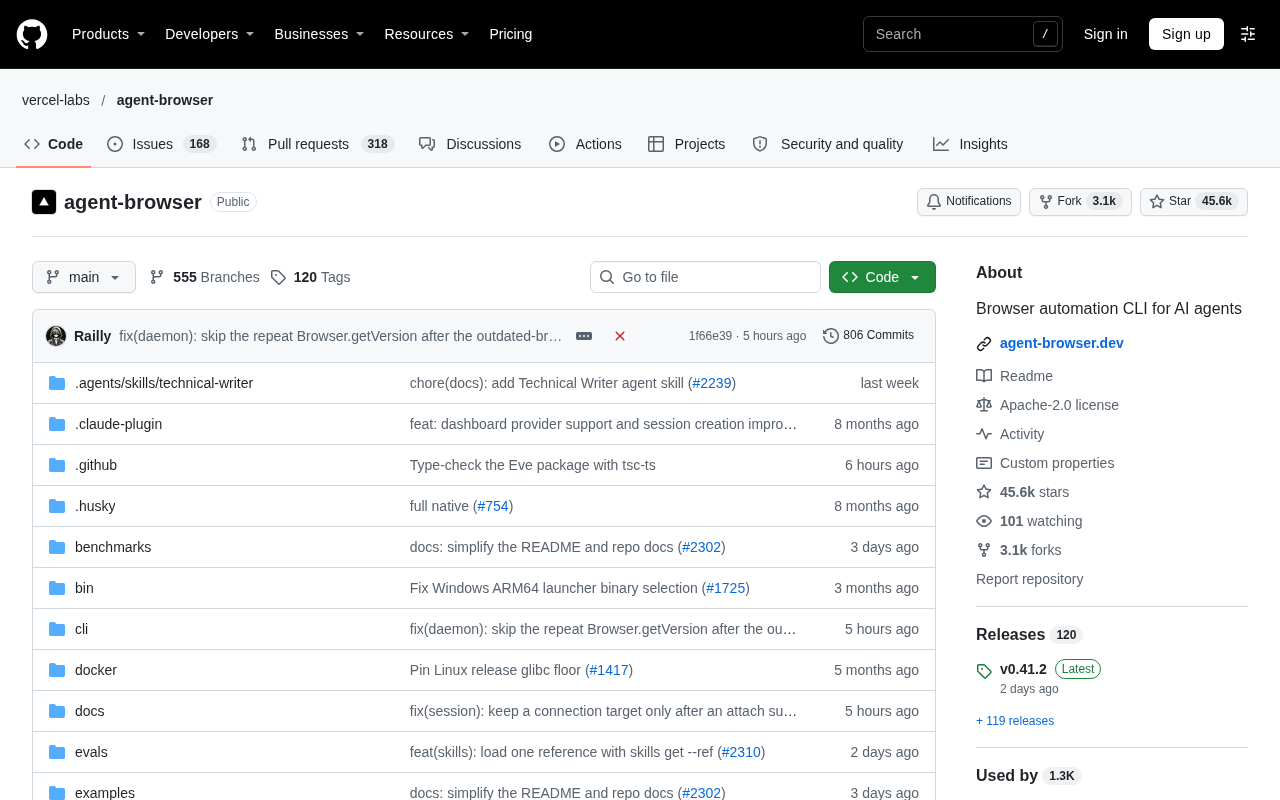
Agent-Browser: A Browser Automation CLI for AI Agents
Vercel Labs open-sources agent-browser, a Rust-built browser automation CLI designed for AI agents, with over 45,000 GitHub stars and command-line-first browser control.
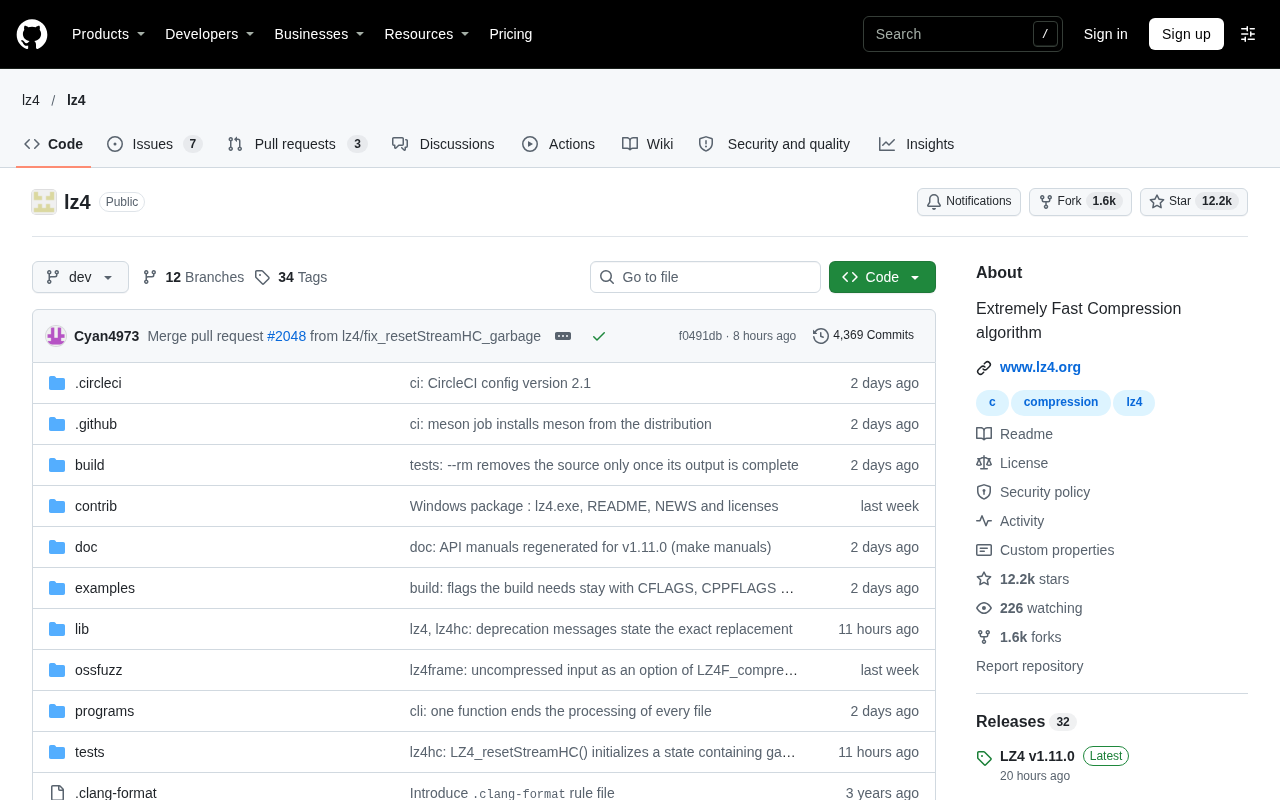
LZ4: The Open-Source Benchmark for Blazing-Fast Compression
Explore the LZ4 blazing-fast compression algorithm: its design philosophy, performance advantages, and wide use in the Linux kernel, databases, and more. How a 12k+ star open-source project became the speed benchmark.