Kitiz Cat Game Review: 51 Cats That Remember Your Story

Indie game Kitiz upgrades cat collecting into emotional companionship with a unique dialogue memory mechanic.
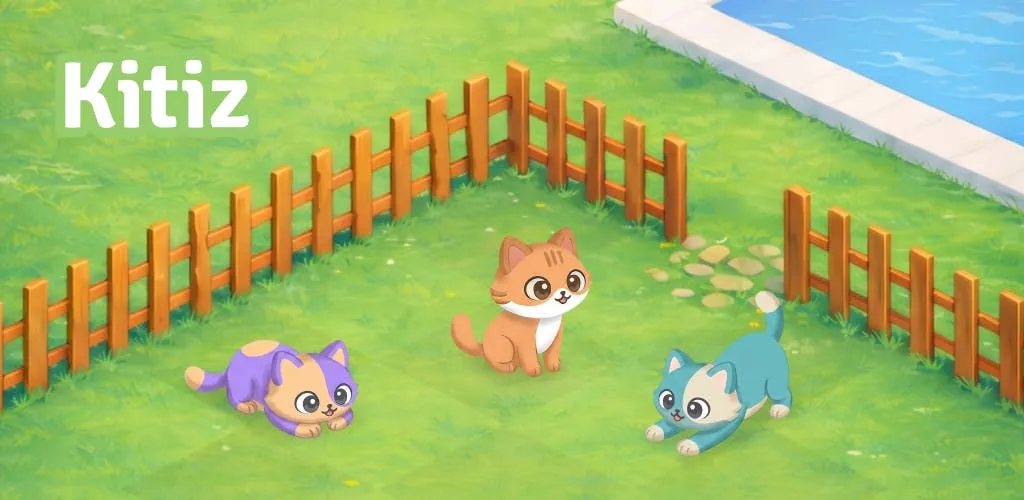
Kitiz is a free iOS/Android raising game by indie developer Martin Berbesson where players collect 51 uniquely designed cats and interact with them through life-sim activities like fishing, cooking, and dress-up. What sets it apart is a dialogue memory system that tracks each player's interaction history with every cat and reflects that continuity in future conversations, making companionship feel genuinely tangible. The article argues this design aligns with the healing game trend validated by Stardew Valley and Animal Crossing, and echoes today's AI-driven personalization wave — pointing to a meaningful new direction for casual game differentiation.
What Is Kitiz: A Cat Game Built Around Emotional Companionship
In today's fast-paced mobile gaming market, casual healing games are emerging as a steadily growing niche. Kitiz — a new entry that recently launched on Product Hunt — is a free collect-and-raise game for iOS and Android, centered around the premise of "collecting 51 cats and building a unique bond with each one."
According to its Product Hunt page, Kitiz was created by indie developer Martin Berbesson. It has received 14 upvotes and ranked 17th on the daily chart, filed under three tags: Android, Free to Play, and Cats. While those numbers aren't eye-catching, the game's positioning and design philosophy reflect an important evolution in healing games in recent years.
Core Gameplay: It's Not Just Collecting — It's Building Relationships
A Diverse Lifestyle Simulation System
Kitiz weaves several lightweight gameplay mechanics into one cozy world. Players can enjoy fishing, cooking, tending a garden, and dressing up their cats — a variety of life-sim activities packed into a single experience. This "all-in-one" casual format isn't new, but for a healing cat game, its value isn't in challenge — it's in creating a soothing, sustainable sense of everyday rhythm.
Each cat is designed to be "one of a kind," which means the developers invested significant effort in character differentiation. From appearance to personality, the 51 cats form a complete world for players to gradually explore and collect.
Dialogue Memory: Cats That Remember Your Shared Story
The standout design feature in Kitiz is its emphasis on a "dialogue memory" system. According to the official description, players can build personalized relationships with each cat through conversation — and those conversations "remember the stories you've shared together."
This clearly sets Kitiz apart from traditional cat collection games. In most raising games, NPC responses tend to be scripted and repetitive. A memory system, however, means the game tracks a player's interaction history with specific characters and reflects that continuity in future dialogue. This design can significantly deepen emotional investment, transforming "companionship" from a marketing buzzword into something players can actually feel.
Differentiation Trends in the Healing Game Space
Emotional Comfort as a Core Need
From Stardew Valley to Animal Crossing, slow-paced, low-pressure healing games have consistently won players over. Their success proves that players don't only seek excitement and competition — emotional comfort is an equally valid gaming need.
Kitiz chose "cats" as its theme — naturally warm and approachable — and made "building bonds" its core selling point. This is a precise read of the trend. In an oversaturated casual game market, emotional depth and character memory have become new dimensions of competitive differentiation.
The Untapped Potential of Memory Mechanics
While the developers haven't disclosed the technical details behind the dialogue system, the concept of "remembering shared stories" aligns closely with today's wave of AI-driven personalized interaction. Whether the underlying system relies on carefully crafted branching narratives or more dynamic generative technology, the direction of using "memory" to forge emotional connections represents a compelling avenue for upgrading the casual game experience.
If smarter dialogue generation capabilities are incorporated in the future — making each cat's personality and responses feel more vivid and consistent — the immersion and companionship value of games like Kitiz could increase substantially.
The Indie Developer's Design Sensibility
Kitiz comes from an indie developer, which explains its "small but refined" character. Compared to the commercial scale and user-base ambitions of major studios, independent projects have more room to focus on emotional expression and thoughtful design details. Offering the game for free with cross-platform support on both iOS and Android lowers the barrier to entry and encourages word-of-mouth growth.
For players who love cats and prefer a relaxed, pressure-free gaming experience, Kitiz is well worth a try. Its value doesn't lie in complex systems or stunning visuals — it lies in that gentle feeling of being remembered and accompanied.
Conclusion: Kitiz Points Casual Games in a New Direction
Kitiz is a quintessential healing cat collection game, but its original "dialogue memory" mechanic makes it stand out among a crowded field of similar titles. At a time when the game industry is placing greater emphasis on emotional experience, this design philosophy centered on relationships and companionship may well represent an important future direction for casual cat games. Though it remains a modestly sized indie project for now, the product vision behind it is worth the industry's attention and reflection.
Related articles
AWS AgentCore Gateway: Connecting AI A…
AWS AgentCore Gateway: Connecting AI Agents to Enterprise Backends with MCP
How AWS AgentCore Gateway acts as a primary MCP server to aggregate REST APIs, Lambda, and existing MCP services? Analyzing its AST real-time mapping, zero cold start, semantic search for tool overload, session isolation, and key injection security design, plus the architectural approach to decoupling enterprise AI agents from backends.

One Link Gives Figma AI a New Skill: Hands-On with MCP Connectors
Paste one MCP server link and the AI Agent in Figma gains new tool capabilities. We break down the setup flow, 20+ one-click apps, read/write permissions and execution policies, and the public HTTPS requirement.

Cognition SWE-2 in Practice: One Prompt to Handle the Whole Product Launch Process
Analyzing a YouTube creator's prompt for using Cognition SWE-2 to launch a product: a landing page, seven-email sequence, and non-buyer follow-up tool, plus how the 'test and report' constraint changes AI delivery quality.