N-able Remote Access Service Hit by Zero-Day Vulnerabilities: Emergency Shutdown and Security Reflections
N-able urgently took its remote access service offline after a researcher publicly released dozens of zero-day vulnerabilities and urged self-hosted customers to shut down servers.
Remote access service provider N-able urgently took its hosted remote access service offline after a security researcher publicly released dozens of zero-day vulnerabilities, and urged self-hosted customers to shut down their servers. The article reviews the incident, analyzes why remote access services—sitting at the network perimeter—become a hotspot for vulnerabilities, and points out the fragility of self-hosted models in emergency response as well as the destructive power of zero-days' "zero reaction time." It also discusses the disclosure controversy raised by the researcher's public release of dozens of zero-days, compares coordinated disclosure with full disclosure industry practices, and reminds enterprises to include remote access services in critical security asset management, establishing rapid patch response, network segmentation, and emergency cut-off plans. As the information comes from a single source, incident details await further disclosure.
Event Overview: An Emergency Shutdown Triggered by Zero-Day Vulnerabilities
Remote access service provider N-able recently announced that it has urgently taken its remote access service offline after a security researcher publicly released dozens of zero-day vulnerabilities. The company also urged self-hosted customers to shut down their own servers in response to this "serious security incident," and expressed concern about potential cyberattacks.
According to the original report, the researcher disclosed dozens of vulnerabilities, all of which were zero-days—meaning no official patch existed at the time of disclosure. N-able's response included two measures: taking its hosted remote access service offline and advising self-hosted customers to proactively shut down their servers. This posture of "preferring service disruption over being attacked" is unusual for remote access products and reflects the severity of the situation.
Based on a single-source public report, this article reviews and analyzes the incident itself, the security risks of remote access services, and industry practices around zero-day vulnerability disclosure.
Why Remote Access Services Are a Hotspot for Zero-Day Vulnerabilities
Remote access tools inherently sit at the network perimeter—the "door" between a corporate intranet and the outside world. Once this door is breached, attackers can often reach internal systems directly. For this reason, remote access products have long been prime targets for vulnerability researchers and attackers.
The Double-Edged Sword of Self-Hosted Models
N-able offers both hosted services and self-hosted solutions. Self-hosting means customers run the service on their own infrastructure, which appears to offer more control, but it also means that responsibility for patch deployment and security hardening is partly shifted to customers. When a vendor discovers a serious vulnerability, a hosted service can be taken offline with a single action, while self-hosted customers can only be "urged" to manually shut down—making response speed and consistency difficult to guarantee. In this incident, the vendor had to publicly call on self-hosted customers to take servers offline, precisely exposing the fragile link in this model.
The Destructive Power of Zero-Day Vulnerabilities
Zero-day vulnerabilities are dangerous because defenders have no reaction time. When dozens of zero-days are disclosed simultaneously, attackers can quickly develop exploit tools, while the vendor's remediation, testing, and release processes take time. N-able's choice to take services directly offline is essentially trading "availability" for "security," avoiding exposure to attack risk before patches are ready.
Zero-day vulnerability: The "zero day" refers to the number of days the vendor has known about the vulnerability—at the time of discovery, the defender has zero time to remediate. This contrasts with "N-day vulnerabilities," where the vendor already has a patch but some users have not yet updated, and attackers can still exploit unpatched systems. The full lifecycle of a zero-day vulnerability typically includes: being discovered (possibly by an attacker or researcher), being exploited (possibly weaponized), being disclosed publicly, vendor remediation, and user patch deployment. The window between "disclosure and remediation" is the highest-risk phase, during which attackers can launch "zero-day attacks," and traditional signature-based defenses are almost ineffective. When multiple zero-days are disclosed simultaneously, attackers can combine exploits and expand the attack surface, while defenders face cascading pressures such as patch backlogs and insufficient testing resources—which is precisely why N-able chose to take services directly offline rather than "patch while running."
The Disclosure Controversy: Is It Reasonable for a Researcher to Publicly Release Dozens of Zero-Days?
The core conflict in this incident lies in the manner of vulnerability disclosure. The security researcher publicly released dozens of zero-day vulnerabilities without giving the vendor sufficient time to remediate, directly triggering the vendor's emergency shutdown.
From the perspective of industry norms, responsible disclosure typically includes: privately notifying the vendor first, allowing a reasonable remediation window, and coordinating the public disclosure timing between both parties. But in reality, friction often arises between researchers and vendors due to poor communication, delayed remediation, or differing perceptions of severity. When researchers believe the vendor is unresponsive, public disclosure is sometimes used as a pressure tactic.
It should be noted that the original report did not detail the researcher's motivation for disclosing the vulnerabilities, the communication history with the vendor, or the waiting period before disclosure. Therefore, it would be premature to conclude whether this action was "reasonable." What is certain is that publicly releasing dozens of zero-days immediately expands the attack surface, forces the vendor to take services offline before remediation, and ultimately imposes costs on a large number of ordinary users.
Coordinated Vulnerability Disclosure (CVD) is the mainstream practice in the security industry today, with the core principle of "private notification first, then coordinated disclosure." Common timeframes include the 90-day remediation deadline proposed by Google Project Zero, as well as longer periods negotiated between some vendors and researchers. The goal of CVD is to strike a balance between "informing users so they can take protective measures" and "giving vendors time to remediate." This contrasts with Full Disclosure, where researchers publicly release vulnerability details without coordination; its supporters argue this forces vendors to speed up remediation and prevents vulnerabilities from being secretly covered up. In practice, there are also intermediate forms such as "partial disclosure" and "limited disclosure." When researchers believe vendors are slow to respond or communicate poorly, public disclosure is often used as a pressure tactic, but the cost is that the attack window is immediately opened. Understanding this spectrum helps assess which disclosure strategy "dozens of zero-days released simultaneously" represents in this incident and its potential consequences.
What It Means for Enterprises Using Remote Access Services
Immediate Action: Inventory and Isolation
For enterprises currently using N-able remote access services, the first priority is to determine whether they use the hosted service or a self-hosted deployment. The hosted service has been taken offline by the vendor, so the impact is relatively manageable; self-hosted customers need to assess whether to shut down their servers per the vendor's recommendation and check related systems for signs of anomalous access.
Network segmentation and the Principle of Least Privilege are key means of limiting the scope of impact when remote access products are compromised. Network segmentation refers to dividing the network into multiple isolated zones so that even if an attacker breaches the remote access entry point, they find it difficult to move laterally to core business systems; the principle of least privilege requires that remote access accounts have only the minimum permissions necessary to complete their tasks, avoiding "one entry breach, entire domain exposed." In emergency response scenarios, enterprises should also have an access cut-off plan—predefining under what conditions, by whom, and through what process remote access services can be quickly disabled, and ensuring that business units are aware of the disruption impact. These measures cannot prevent zero-day vulnerabilities themselves, but they can significantly reduce the actual damage after exploitation, and they are the security logic behind the vendor's "urging self-hosted customers to shut down servers" in this incident.
Long-Term Lesson: Don't Treat Remote Access as "Trusted by Default"
Remote access services should not be treated as trusted infrastructure by default. Enterprises should include them in critical security asset management, specifically: monitoring vendor security advisory channels, establishing rapid patch response processes, applying least privilege and network segmentation to remote access entry points, and maintaining contingency plans for cutting off access in emergencies. In this incident, the vendor proactively took services offline, which to some extent serves as a reminder to all enterprises relying on remote access—service availability is not always a given.
Follow-Up and Points to Watch
Currently, public information is limited. Areas worth watching include: when N-able will release patches and restore services, the specific technical details of the vulnerabilities, whether there is evidence that the vulnerabilities have been actually exploited, and whether further disputes will arise between the researcher and the vendor over the disclosure approach.
For the security community, this incident once again raises an old question: when the number of zero-day vulnerabilities reaches dozens, is the coordinated disclosure mechanism robust enough? How to find the balance point that minimizes harm to users between vendor remediation speed and researcher willingness to disclose remains a difficult question without a standard answer.
(This article is based on a single-source public report; incident details are subject to subsequent disclosures by the vendor and researcher.)
Related articles
Anthropic Model Benchmarking: Fable 5 vs 5.1 vs 5.2 Comparison
Based on Reddit community comparison material, this analyzes benchmark differences among Anthropic models Fable 5, 5.1, and 5.2, and discusses the practical implications of version iterations for developers and model selection advice.
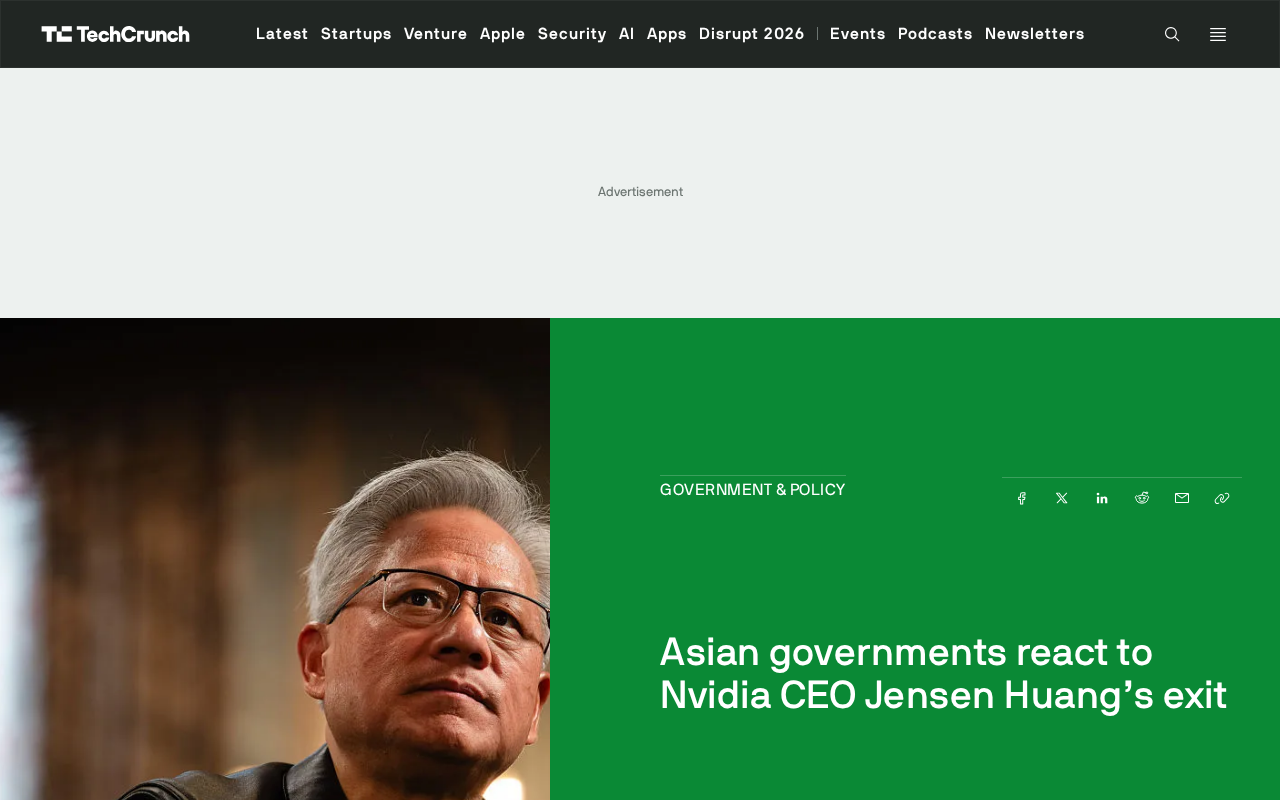
Jensen Huang Steps Down as Nvidia CEO, Asian Governments Scramble to Respond to Chip Supply Shifts
Jensen Huang's departure as Nvidia CEO triggers chain reactions across Asian governments: some confirm chip supply commitments, others monitor local AI project impacts and handle related investigations. This article analyzes supply chain stability, project risks, and compliance uncertainty.
Reddit Player Builds RISK Game Environment and Trains an AI That's Nearly Impossible to Beat
Reddit player builds a RISK training environment and trains an aggressive AI model that's nearly unbeatable. Strong at expansion but weak at defense, the author hits a bottleneck trying human data training, revealing common game AI development challenges.