Three Claude Code Mods: Cost Savings, Progress Bars, and File Collision Protection

Three Claude Code mods tackle cache costs, long-task visibility, and multi-session file conflicts.
The article introduces three lightweight mods that run inside Claude Code to patch specific pain points. Cache Keeper warns before the session cache expires and can proactively keep it warm, avoiding re-read costs of up to $2.50 at a 500K token context. Goal Meter adds a progress bar to Slash Goal automated execution, reducing the black-box feel of waiting on long tasks. Collision Guard intercepts when two sessions might overwrite the same file, offering three options: continue, switch to a work tree, or cancel. None of the mods require manual coding—users describe the requirement in natural language and Claude writes the implementation. Their role is to fill friction points not covered by core features.
Claude Code's open architecture has spawned a class of lightweight extensions—mods—that run directly inside Claude Code to patch specific pain points in the user experience. A recent video introduced three such mods, targeting cache costs, long-task visibility, and multi-session file conflicts. Each mod can be written by Claude itself after describing the requirement in natural language—no manual coding required.
Cache Keeper: Warn Before the Cache Goes Cold
Claude Code's session cache has an expiration window. Once it expires, the model must re-read the full context, and costs spike sharply. The video gives a striking comparison: at a 500K token context size, re-reading after the cache goes cold costs $2.50, while a cache hit costs only 10 cents. Cache Keeper's job is to warn the user before the cache is about to expire and can proactively keep the cache warm, avoiding unnecessary re-reads.
This mod addresses hidden overhead in long-session scenarios. For workflows that involve repeated conversation and constantly accumulating context, cache management directly affects the bill. Building the reminder into Claude Code is more timely than checking usage after the fact.
Goal Meter: Adding a Progress Bar to Automated Execution
Claude Code has a Slash Goal feature: once you set a goal, Claude keeps working until the goal is achieved. The video's author says he uses this feature often, but during long automated runs there's no visual feedback on how far along things are. Goal Meter adds a progress bar on top of Slash Goal.
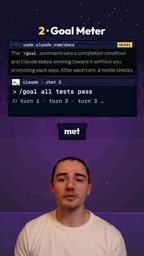
The progress bar itself isn't a new concept, but placed within Claude Code's automated execution flow, it solves the "black box waiting" problem. Users don't need to frequently interrupt to check status and can let Claude run long tasks with more confidence.
Collision Guard: Preventing Two Sessions from Overwriting Each Other's Files
The third mod targets file conflicts during parallel multi-session work. When two Claude Code sessions are working on the same project at the same time and one session is about to modify a file that the other session just edited, Collision Guard intercepts the operation and offers three options: continue, switch to a work tree, or cancel.

This design moves conflict handling from "discovering after the fact that a file was overwritten" to "asking before the modification happens." The work tree option is especially sensible—isolating the conflicting session into a separate work tree lets both sides keep making progress without breaking each other. For users who habitually open multiple sessions to handle different tasks in parallel, this kind of protection can reduce irreversible loss.
Work tree is Git's multi-working-directory mechanism. Traditionally, a Git repository has only one working directory, and switching branches overwrites current uncommitted changes. The git worktree add command allows multiple independent working directories to be associated with the same repository; each directory can check out a different branch and they share the same .git object store. This means two Claude Code sessions can modify files in parallel in their respective work trees without interfering with each other, and differences can later be resolved through merging. For scenarios that require experimenting with multiple approaches simultaneously or handling different tasks in parallel, work trees provide a lighter-weight isolation method than copying the entire repository.
No Coding Needed—Just Describe the Requirement
A common point the video emphasizes: none of these three mods require users to write code themselves. The Claude Code mod development approach is to describe the desired functionality in natural language and let Claude generate the implementation. This dramatically lowers the barrier—users only need to be clear about what problem they're facing and what they want the mod to do, and the model handles the rest.
Judging from these three examples, mods aren't meant to replace core functionality but to fill friction points in usage: cost reminders, status visibility, and conflict protection. They're all small, but each corresponds to a recurring annoyance in real workflows. The video's author mentions he'll post the prompts for the three mods in the comments, indicating there's a substantial user base for this kind of need.
Implications for Daily Use
These three mods point in the same direction: Claude Code's extensibility is becoming a tool for users to optimize their own experience. Cache costs, long-task waiting, and file conflicts are all problems that only surface after heavy use. Official features may not cover them, but users can quickly fill the gaps with mods. For users who regularly work with large contexts, run long tasks, or run multiple sessions in parallel, these mods are worth checking out.
Related articles
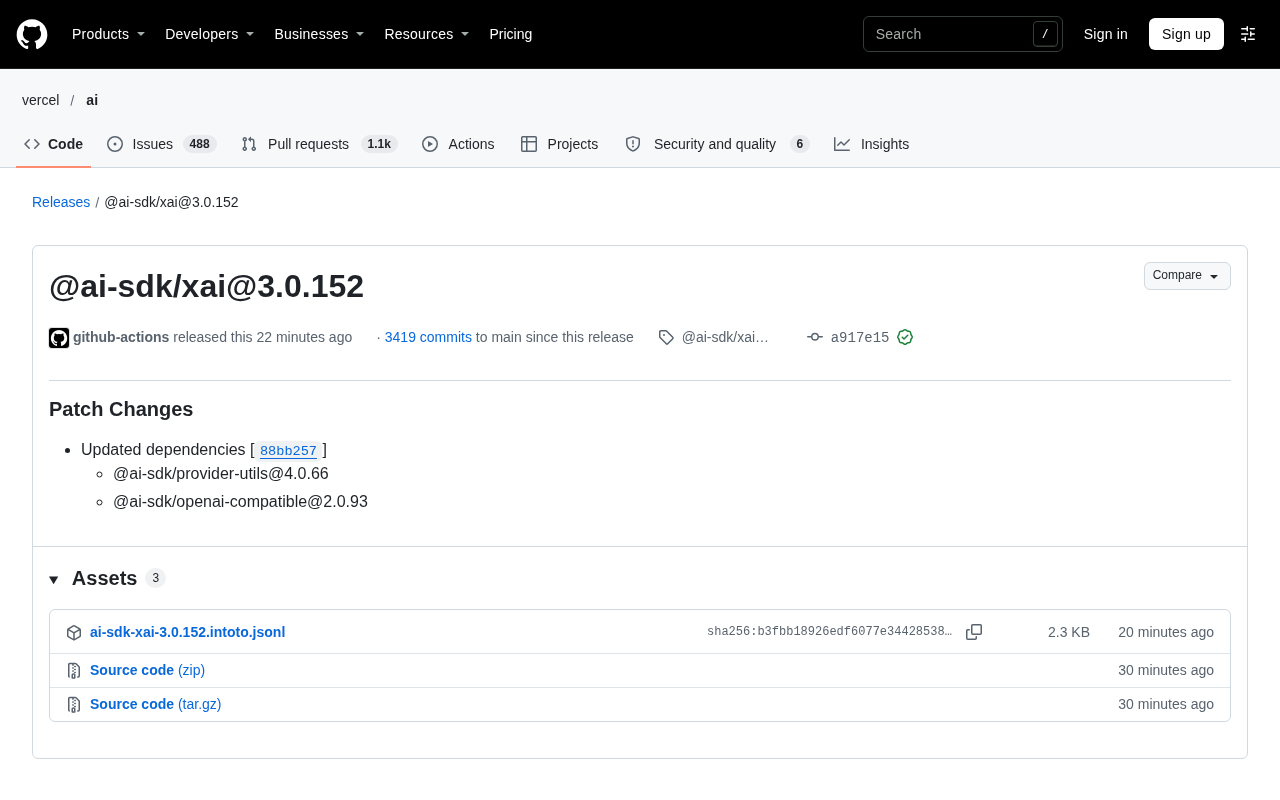
AI SDK xAI 3.0.152 Patch Update: Dependency Upgrades and Ecosystem Compatibility
AI SDK's xAI provider releases patch 3.0.152, updating provider-utils and openai-compatible dependencies. This article analyzes the patch contents, the xAI provider's positioning, and upgrade considerations.
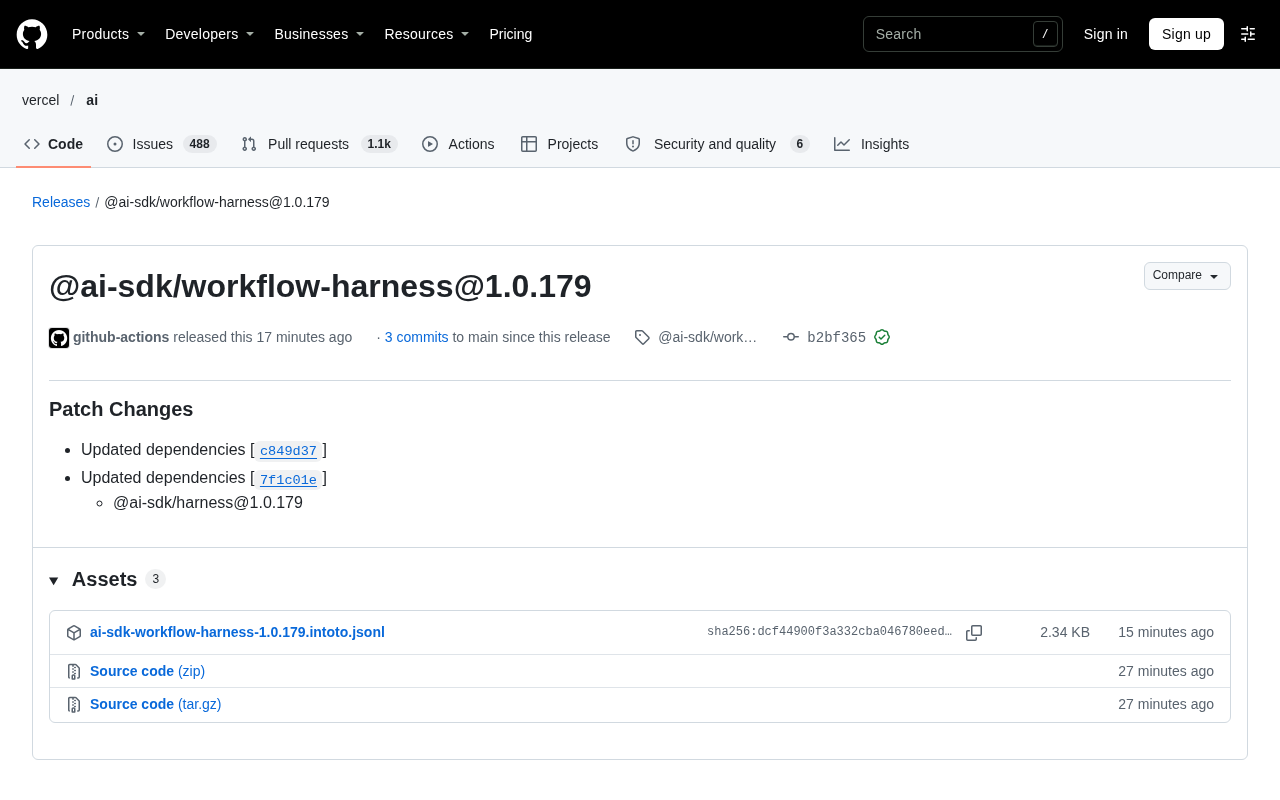
@ai-sdk/workflow-harness 1.0.179 Released: Dependency Patch Update
@ai-sdk/workflow-harness releases patch version 1.0.179 with two dependency updates and a synchronized @ai-sdk/harness upgrade. Release overview, patch change meaning, and upgrade advice.
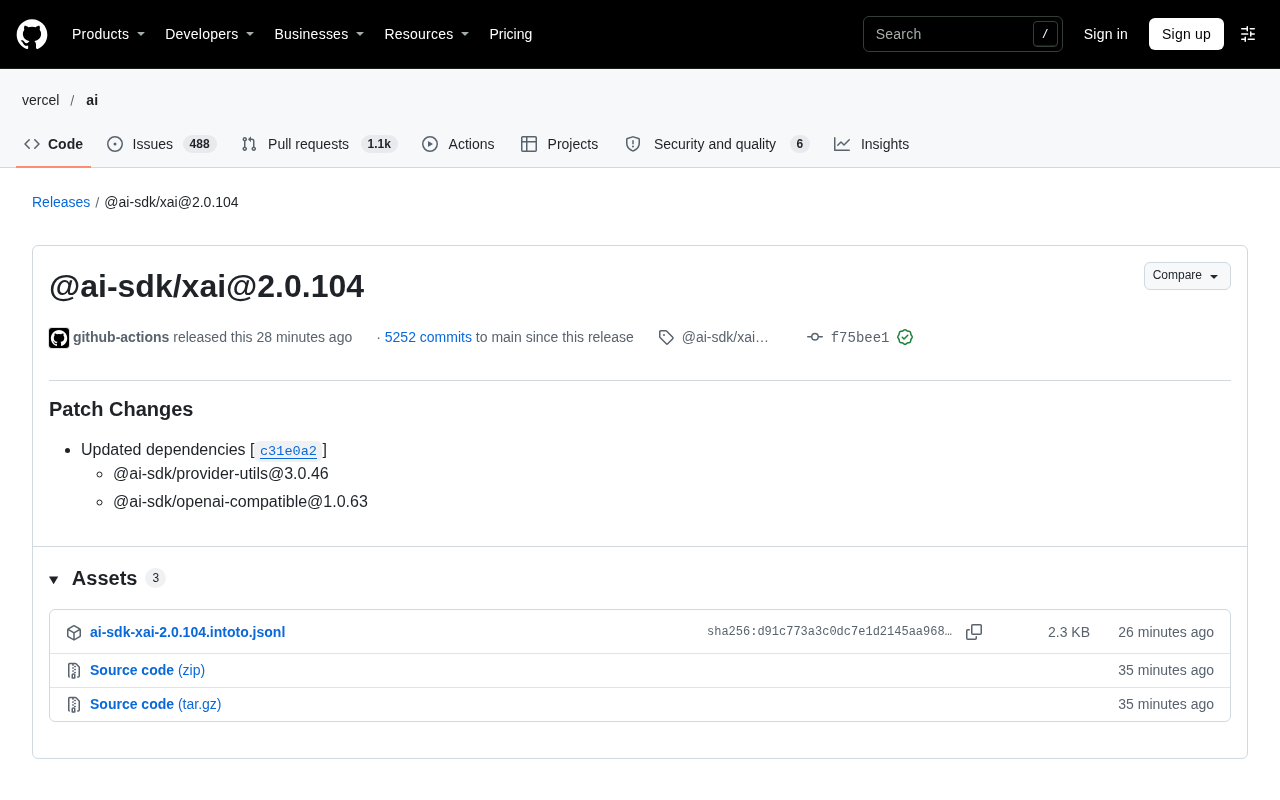
@ai-sdk/xai 2.0.104 Patch Release: Coordinated Dependency Updates
@ai-sdk/xai releases patch version 2.0.104, syncing provider-utils to 3.0.46 and openai-compatible to 1.0.63. Here's what this coordinated dependency update means for developers.