#Agent工作流
32 related articles

Stop Hand-Writing Prompts: Deconstructing the Graph Engineering Workflow for AI Agents
Deconstructing Graph Engineering for AI Agents: distinguishing control graphs, knowledge graphs, and graphs of loops, explaining the code-as-graph and model-as-graph paths, plus the Super Design team's daily bad-design triage and change-release cases with key design points.

Agentic Engineering with Claude Code and Android CLI
Google's Android team shares how to do agentic engineering with Claude Code and Android CLI: build the right environment, keep context around 150K tokens, inject info precisely via hooks and skills, and use layered verification loops to raise benchmark pass rates from 22% to 90%.
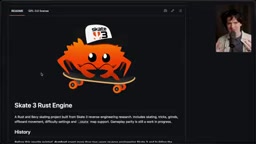
Letting Claude Run Indefinitely: Three Key Loops for Long-Horizon Agent Tasks
How to let Claude Agent run autonomously for long periods: from RLVR principles to the four-step loop of tedious task selection, automated verification design, tool supply, and bottleneck questioning—plus a review of TS Rust, Lust, and Skate 3 Bench's real costs and limitations.

Storage SDK Agent: A Delivery Loop of Planning, Retrieval, Verification, and Repair
Volcano Engine storage team shares Storage SDK Agent practices: building a deliverable loop with planning, knowledge retrieval, sandbox verification, and reflection repair, covering multi-language interface generation, quality gates, and effect measurement, with transferable implementation suggestions.

The Trust Ladder for AI Coding Agents: Install the Brakes Before Building the Software Factory
How do AI coding agents move from assistants to software factories? A developer deep-dive into the trust ladder, verification-first brakes, three-layer anti-cheating, and why human taste remains irreplaceable.

Building a Lights-Out Factory with a Dozen Agents: Lauren Tan's Trust Ladder and the Michelin Kitchen
Lauren Tan shares how a dozen coordinated agents merge 2,500+ PRs monthly: the trust ladder, Michelin kitchen metaphor, verification skills, and inner/outer loop connections reveal the environment engineering philosophy behind the lights-out factory.
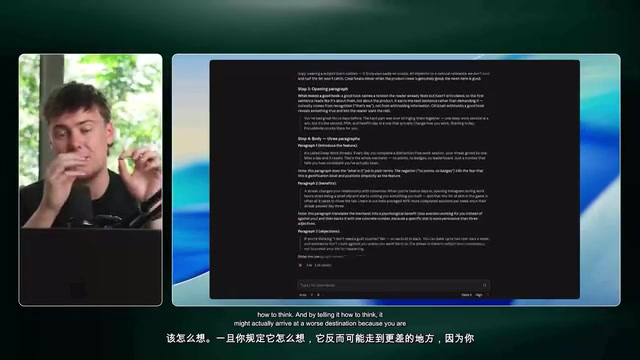
Claude 2026 Best Practices: Delete CLAUDE.md and Let Agents Manage Agents
Claude Code head Boris Cherny suggests regularly deleting CLAUDE.md and rebuilding instructions via ablation. This article breaks down five Claude best practices for 2026.

Tired of Babysitting AI Coding Agents? This Open-Source Tool Makes Them Self-Check
Developers tired of repeatedly accepting AI coding agents' output built Agent Config: an open-source set of skills, rules, and quality checks for Claude Code and other tools that make agents self-check before saying "done," with a standalone production validator.

Vercel CEO's AI Coding Workflow: 7 Key Principles
Vercel CEO shares his complete workflow for collaborating with AI agents: validate ideas with an MVP, use the direction command to prevent drift, scan security debt with DeepSec, use a breaker agent to attack the app, test from a first-visit user perspective, and close the customer feedback loop through MCP—plus seven actionable AI coding practices.

Zero-Code Bioinformatics Analysis with AI Agents: From Workstation Setup to Automated Figures
Bilibili creator Jeremy explains how to use AI Agents like Claude Code and Codex to do zero-code bioinformatics analysis: from environment setup and MCP/Skills concepts to installing four bioinformatics-specific skill packs, building an AI analysis workstation within a week that automatically fetches data, generates figures, and produces a paper draft.

Matt Pocock on AI Programming: The Core Logic of Making Agents Work Efficiently
Matt Pocock shares AI programming insights on the podcast: why software engineering principles matter more, how communication makes Agents efficient, why spec-driven development fails, and career opportunities plus the trust ladder for non-technical people.

Stop Over-Engineering Prompts: An Engineer's Guide to Agent Thinking
A tech blogger rejects the over-engineering narrative of Prompt Engineering: engineers' problem isn't imprecise prompts but turning one-sentence questions into complex features. With T3 Code case studies, this article explains how Agent thinking replaces reinventing the wheel and how to build MCP and other infrastructure for Agents.

The Top 1% Way to Use Claude Code: Drop Plan Mode and Use Verifiable Criteria to Boost Quality
Top Claude Code users have dropped plan mode. This article breaks down the top 1%'s practices: verifiable criteria that boost quality 2-3x, /goal auto-loops, a lean CLAUDE.md as a table of contents, skills for error correction only, hooks instead of all-caps rules, sub-agent limits, and scheduled tasks for unattended work.
AI Replacing Developers? A Year Later, I Overturned My Own Judgment
A year ago I argued AI wouldn't replace developers. I still believe that, but how we code has changed completely. My journey from autocomplete to agent orchestration, vibe coding, S-curve misjudgments, and how developers can avoid becoming prompt operators.

The APX Default Project: A Scratchpad, Not a Workspace
APX's built-in default project suits draft work but shouldn't host real projects. Learn the risks of the default workspace and when to create or register an APC project.

OpenAI Engineer Tests DOTS: How a Persistent Cloud Agent Takes Over On-call
OpenAI engineer Ali demonstrates DOTS cloud agent's engineering use: independent Slack identity, one-prompt on-call automation, 3 AM mobile triage, and seamless local Codex thread handoff.
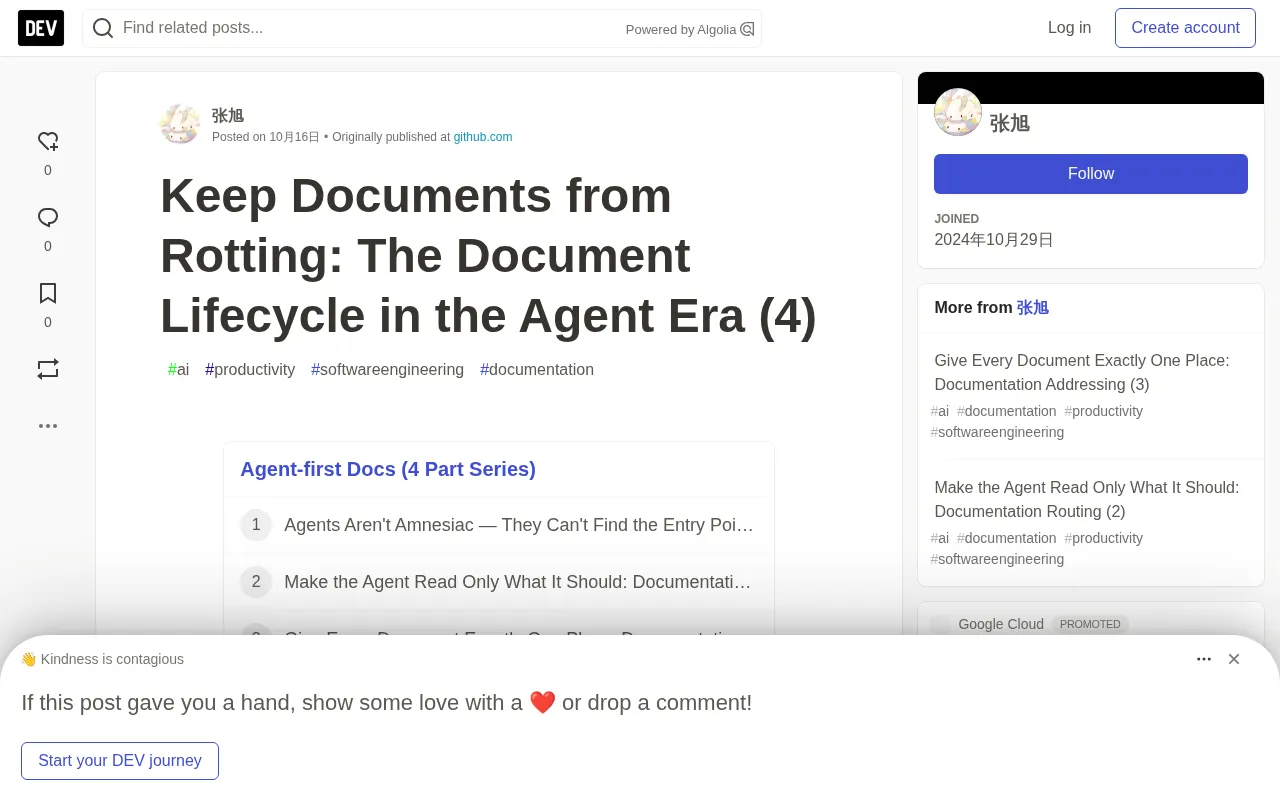
Stop Documents from Rotting: The Document Lifecycle Mechanism in the Agent Era
Why do documents rot fast in the Agent era? A real-world enterprise payment system cleanup: write-back loops, doc-lint checker, enforcement ladder, and a ratchet-only baseline — an engineering mechanism to keep documentation from rotting.
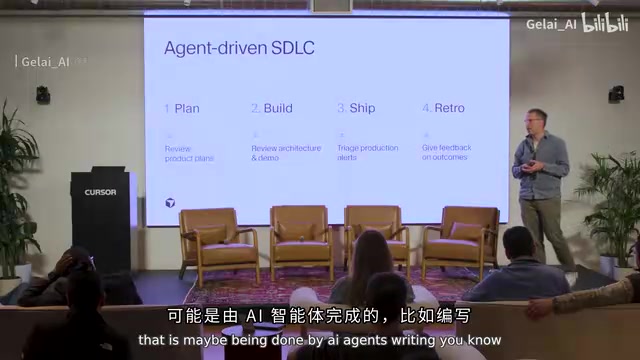
Cursor's Agent Team in Practice: How to Break Through the 40% Productivity Ceiling
Cursor shares how AI coding tools plateau at 40% productivity gains — and how building agent teams across the full SDLC breaks through that ceiling.

The Secret Behind 2000 PRs a Month: Lauren's AI Agent Trust Workflow
SpaceX AI engineer Lauren shares how she ships 2000+ PRs/month: not better prompts, but a trust-based Agent workflow built on verification skills, Agent-friendly codebases, static analysis, and the Dune framework.

momo Canvas Universal Agent Tutorial: One Person, Full AI Short Drama Pipeline
A hands-on guide to the momo Canvas Universal Agent: preference setup, persistent skill slots, wireframe generation, MCP extensions, and media transfer — all in one free canvas workstation for AI short drama production.