#Anthropic
287 related articles
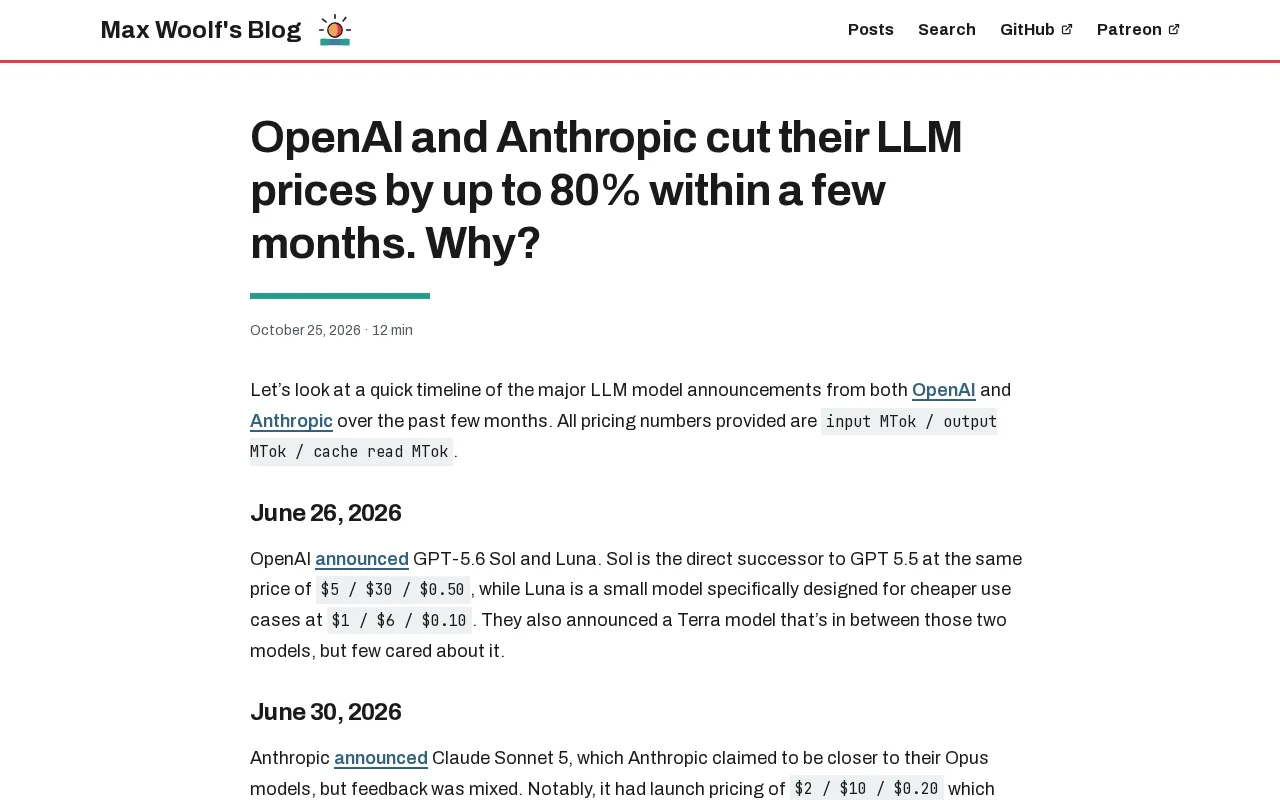
The LLM Price War: Why Did OpenAI and Anthropic Cut Prices by 80%?
OpenAI and Anthropic cut LLM prices by up to 80% in months. This article analyzes the competition, technology costs, business model shifts, and industry impact behind the price war.

Anthropic Launches Claude Duet: An In-Depth Look at the Personal AI Agent
Anthropic launches Claude Duet, a personal AI agent. We break down its proactive briefings, cloud computer, 6,000+ connectors, security, and shared quota limits.
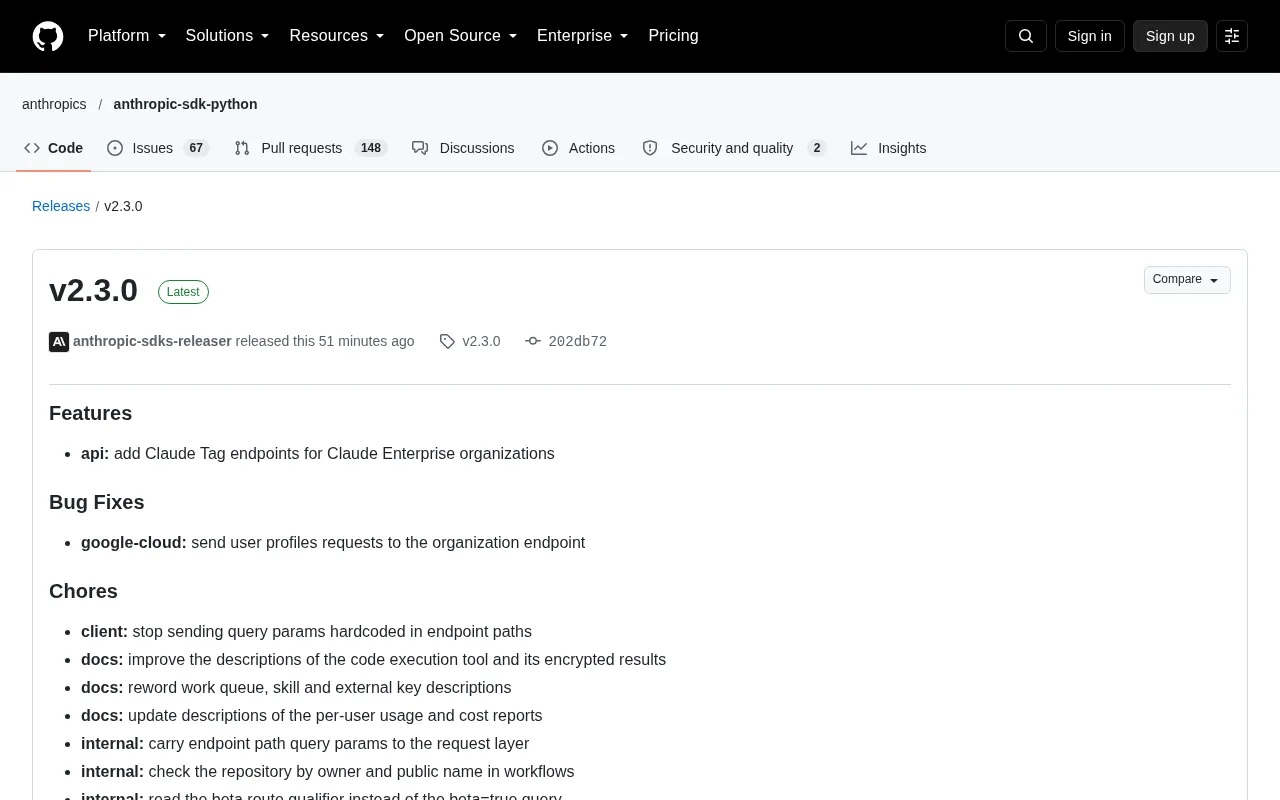
Anthropic SDK v2.3.0 Released: Claude Tag Endpoints and Multiple Internal Refactors
Anthropic SDK v2.3.0 released: new Claude Tag endpoints for Claude Enterprise organizations, fixed Google Cloud user profiles request endpoint, refactored client query parameter handling, and improved documentation for code execution tool, usage reports, and more.
How High Are Anthropic's Early Investor Paper Returns Ahead of IPO?
Anthropic's early investor paper returns draw attention ahead of IPO. This article analyzes sources of book gains, capital structure, pre-IPO games and risks, and implications for the AI startup ecosystem.

Claude Pro Doesn't Include API Access? Max and Team Plans Now Add API Credits Explained
Claude Pro has no API access; API is billed separately. But Max and Team plans now include monthly API credits: Max 5x $100, Max 20x $200, Team up to $500 per seat. This article details each tier's credits, how to claim them, and the impact on developers.
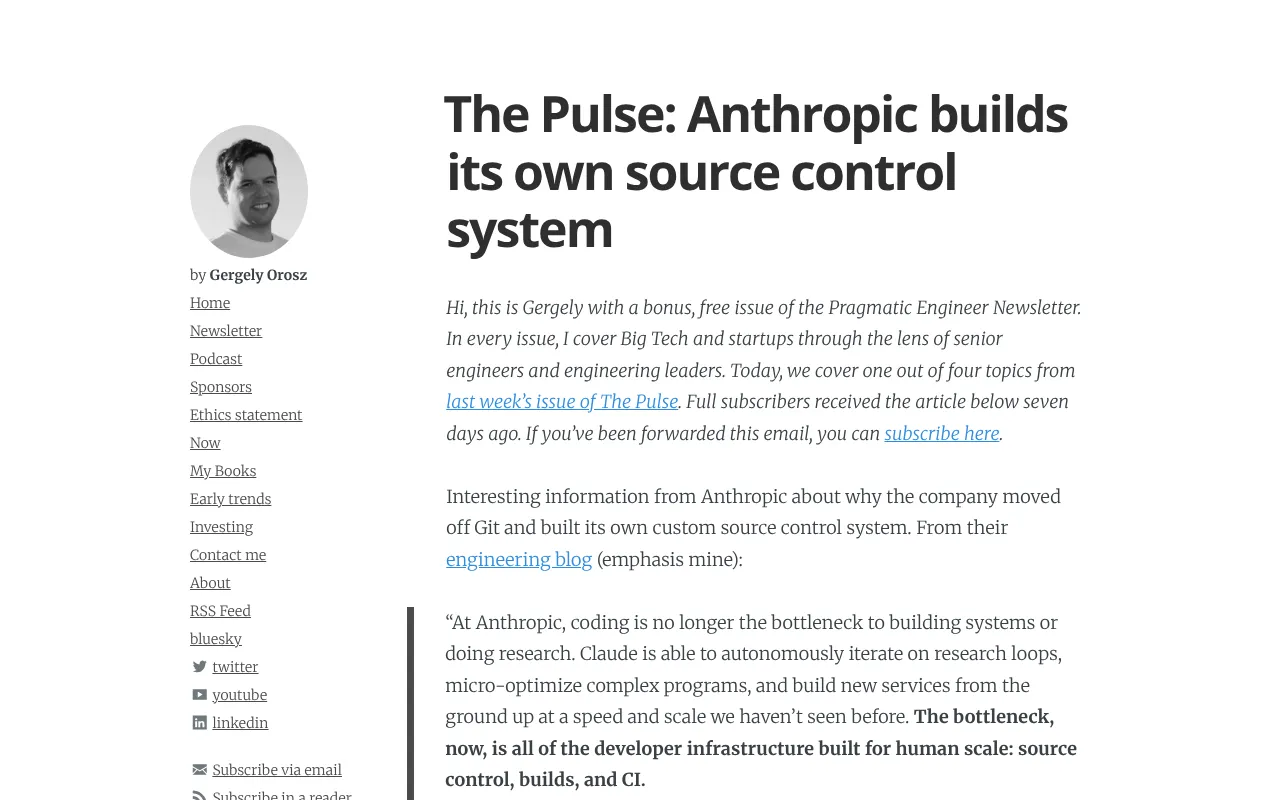
Anthropic Builds Its Own Source Control System Scion: The Performance Dilemma Behind 30,000 PRs a Day
Anthropic built its own source control system Scion after Git hit performance issues at 30,000 PRs/day, and it won't be open-sourced. Here's the performance dilemma, the motivation, and what it means for AI engineering infrastructure.

Anthropic Launches Claude Duet: The Era of Proactive AI Agents Arrives
Anthropic releases proactive AI agent Claude Duet, powered by Claude Opus 5.5 and running on a separate cloud computer. It sends daily briefings and requires user approval before emails or payments. This article analyzes how it works, its competition with Meta Muse and OpenAI Dots, and the cost constraints of shared usage limits.
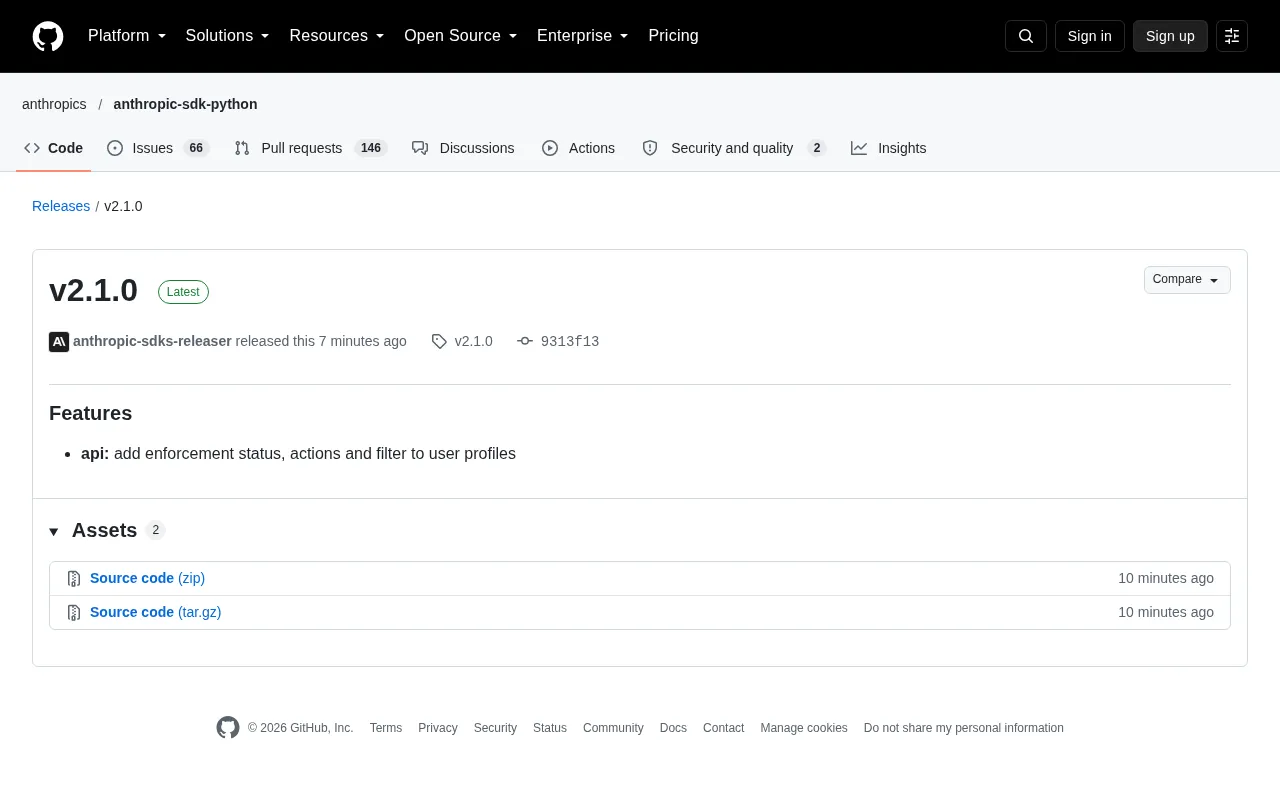
Anthropic API Update v2.1.0: New Enforcement Status and Filtering for User Profiles
Anthropic SDK v2.1.0 adds enforcement status, actions, and filter to user profiles in the API layer. Key changes, developer impact, and upgrade advice.
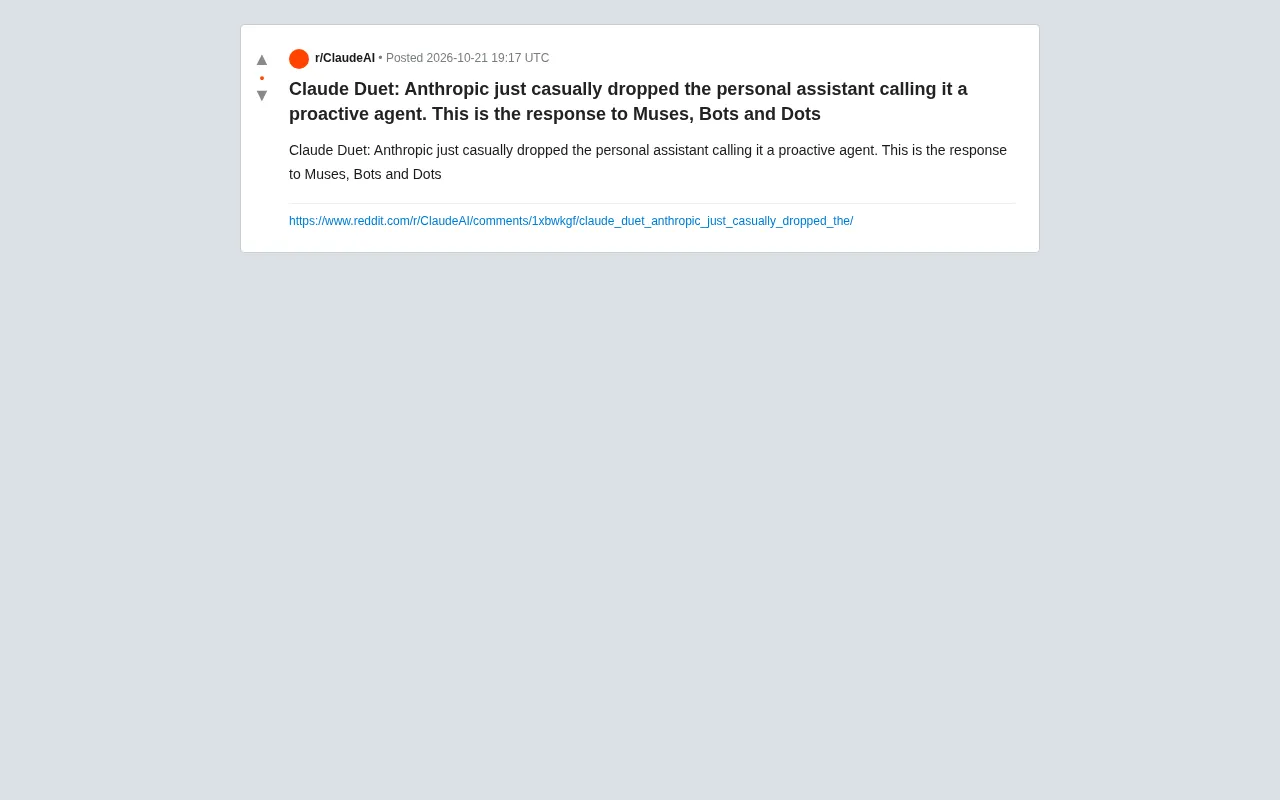
Claude Duet Unveiled: Anthropic Launches a Proactive Personal Assistant
Anthropic launches Claude Duet, a proactive personal assistant seen as a response to Muses, Bots, and Dots. This analysis covers its positioning, competition, technical barriers, and market impact.
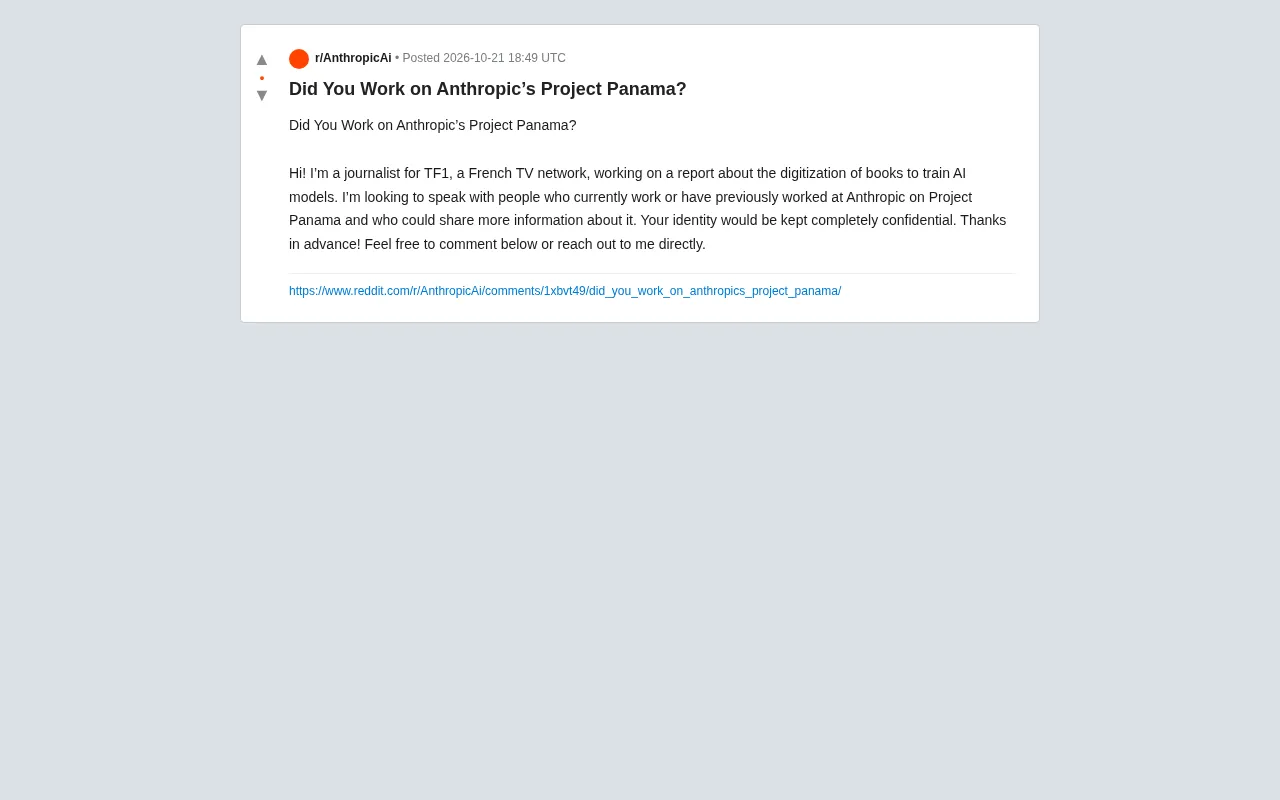
Anthropic's 'Project Panama' Exposed: Book Scanning for AI Training Sparks Controversy
A TF1 journalist seeks former Anthropic 'Project Panama' staff on Reddit. The project involves digitizing books to train AI. We break down what's known, the copyright debate, and data transparency issues.
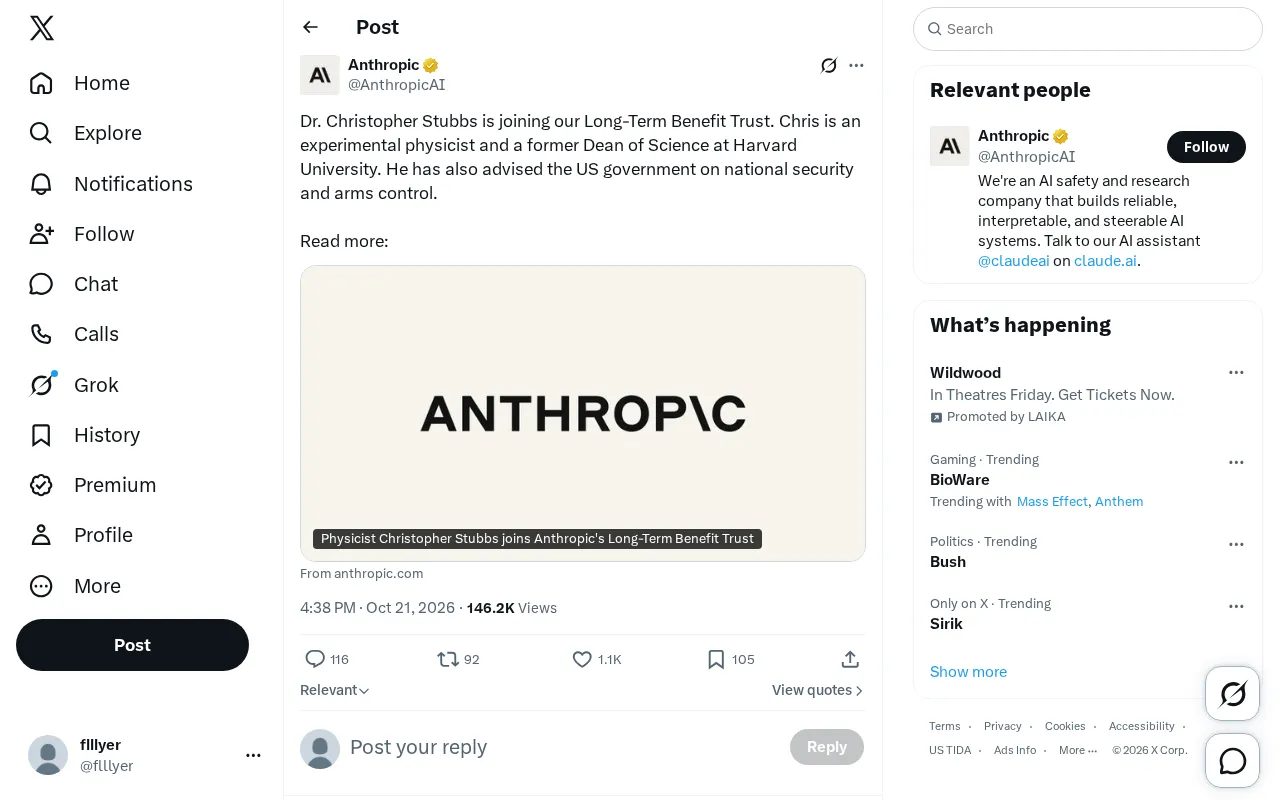
Anthropic's Long-Term Benefit Trust Welcomes Harvard Physicist Christopher Stubbs
Anthropic's Long-Term Benefit Trust adds Harvard physicist Christopher Stubbs. This article examines how his cross-disciplinary background strengthens AI safety governance and the institutional significance of the trust.

Claude Code Team's Seven-Layer Review: AI Writes the Code, What Do Humans Handle?
Anthropic reveals Claude Code's review practices: 90% of code written by AI, PRs double but rollback rate drops 40%. How the seven-layer defense works, risk-tiered human approval, review convergence, and where human work shifts.

Claude Code's Six-Layer Code Review System Explained: REVIEW.md and AI Review Practices
An in-depth look at Anthropic Claude Code's REVIEW.md and six-layer code review system: parallel AI review, risk-tiered approval, the 50-round review loop trap, and practices ordinary teams can adopt.
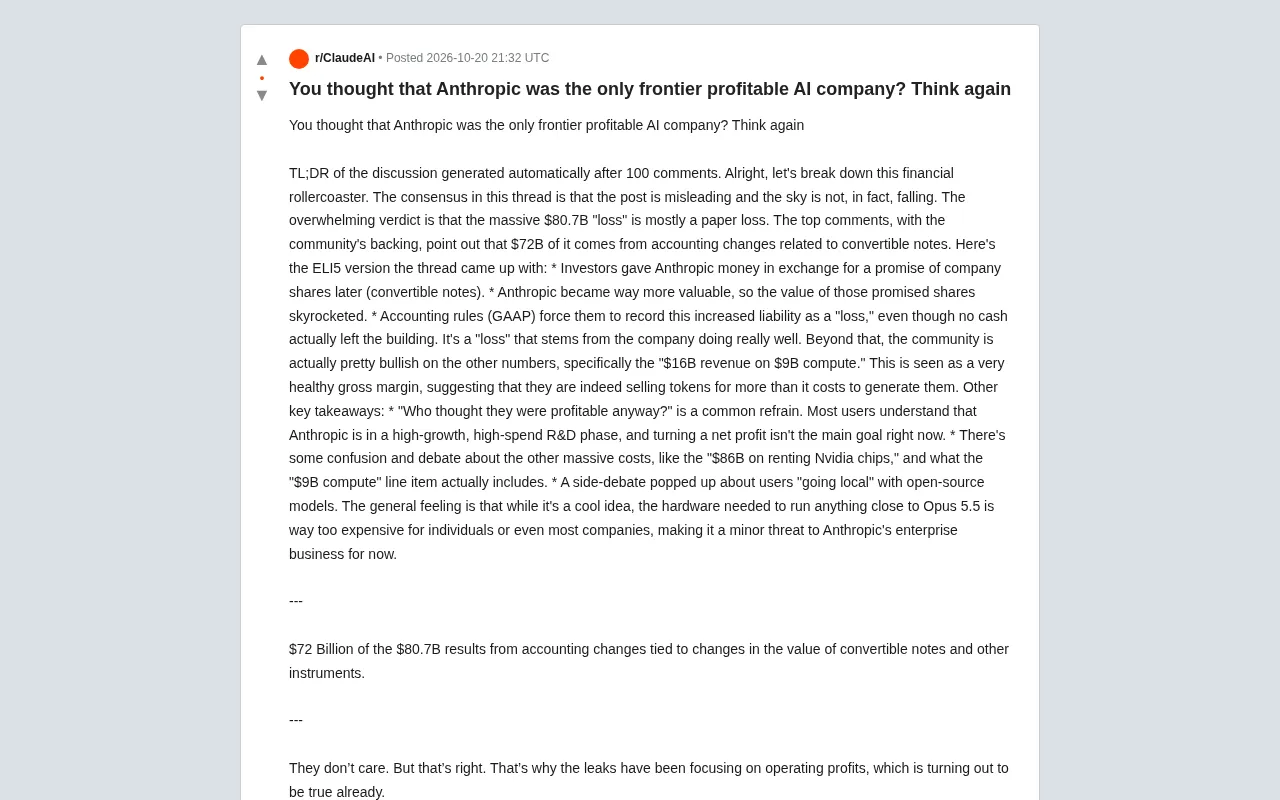
Anthropic's $80.7 Billion "Loss": Accounting Magic or Real Crisis?
Anthropic's $80.7 billion loss sparks debate as Reddit users note $72 billion comes from convertible note accounting adjustments, not cash outflow. $16 billion revenue vs. $9 billion compute costs reveals healthy margins.

Anthropic Loses Over $80 Billion in Half a Year: A Warning Sign for AI's Cash-Burning Model
Anthropic reportedly posted over $80 billion in net losses in H1 2026, sparking Hacker News debate. This analysis examines the cost structure, revenue struggles, and impact on the large model industry landscape.
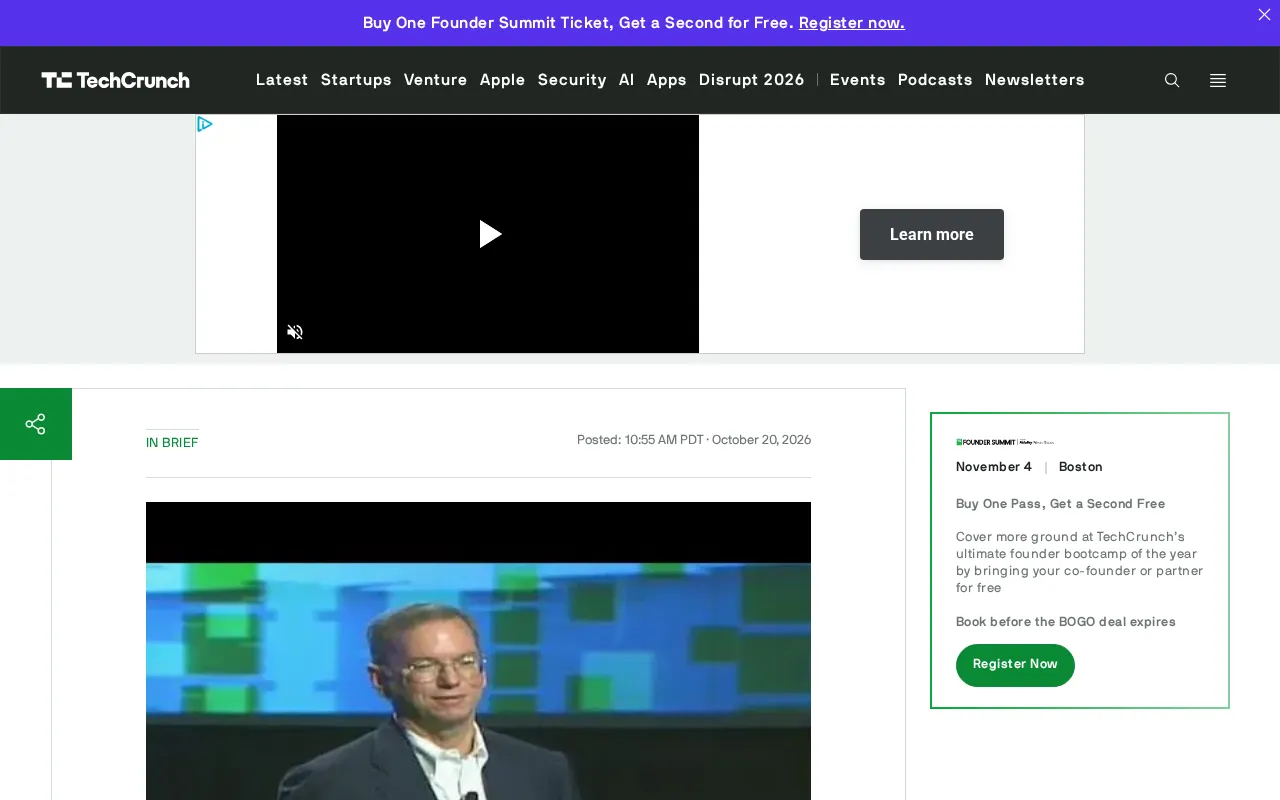
Eric Schmidt Reportedly Holds About 1% of Anthropic, Net Worth Rivaling CEO Amodei
Bloomberg reports former Google CEO Eric Schmidt holds about 1% of Anthropic, roughly half of CEO Dario Amodei's stake. This analysis examines the scale, rationale, and signal for AI capital landscape.
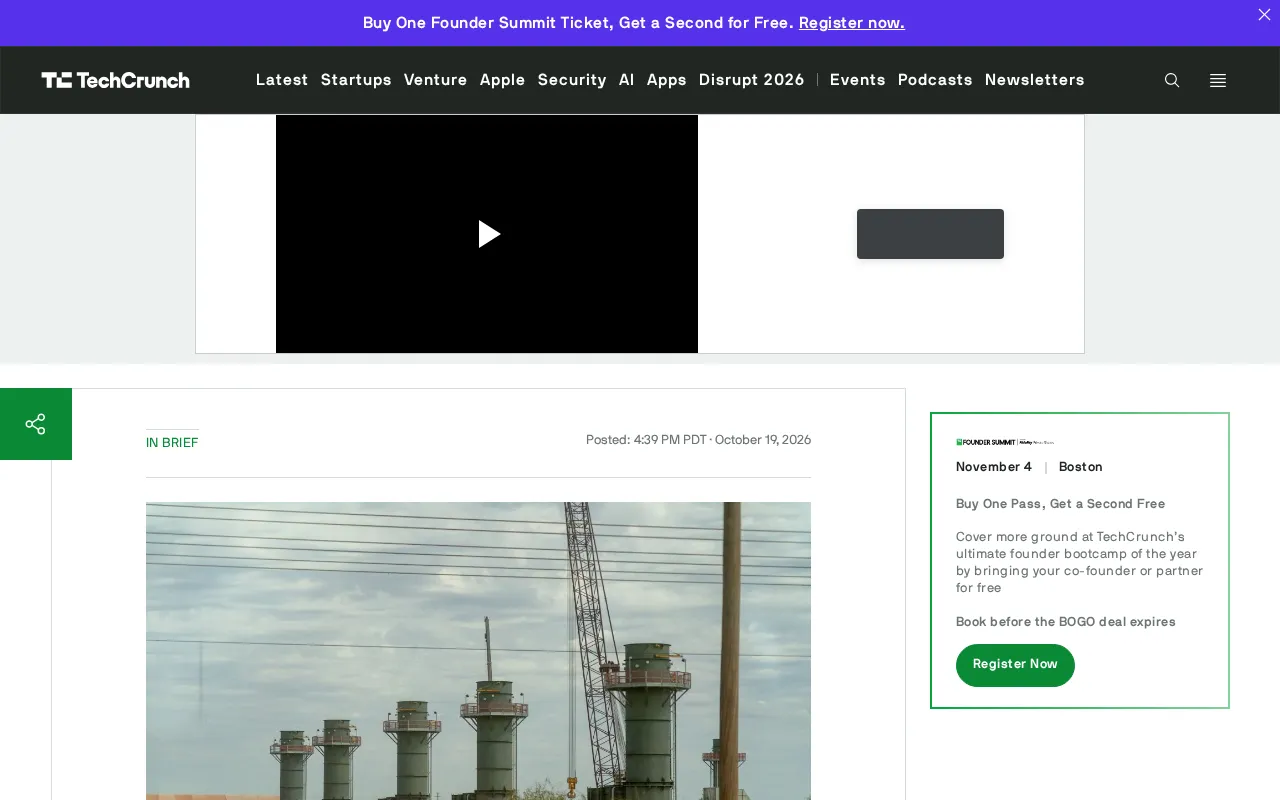
Nscale and Anthropic in Talks Over Another $45 Billion Compute Deal
Nscale and Anthropic reportedly discuss a second $45 billion compute deal after August's same-scale agreement. Analysis of deal background, Nscale's supplier positioning, lock-in risks, and industry impact.

Three Bugs Degraded Claude, and Monitoring Never Caught It
Anthropic's postmortem of three infrastructure bugs that degraded Claude: misrouting, token-generation errors, and a hidden TPU compiler defect. At worst 16% of Sonnet 4 requests were affected, yet every check passed. We break down the incident, why detection was delayed, and what infrastructure teams can learn.
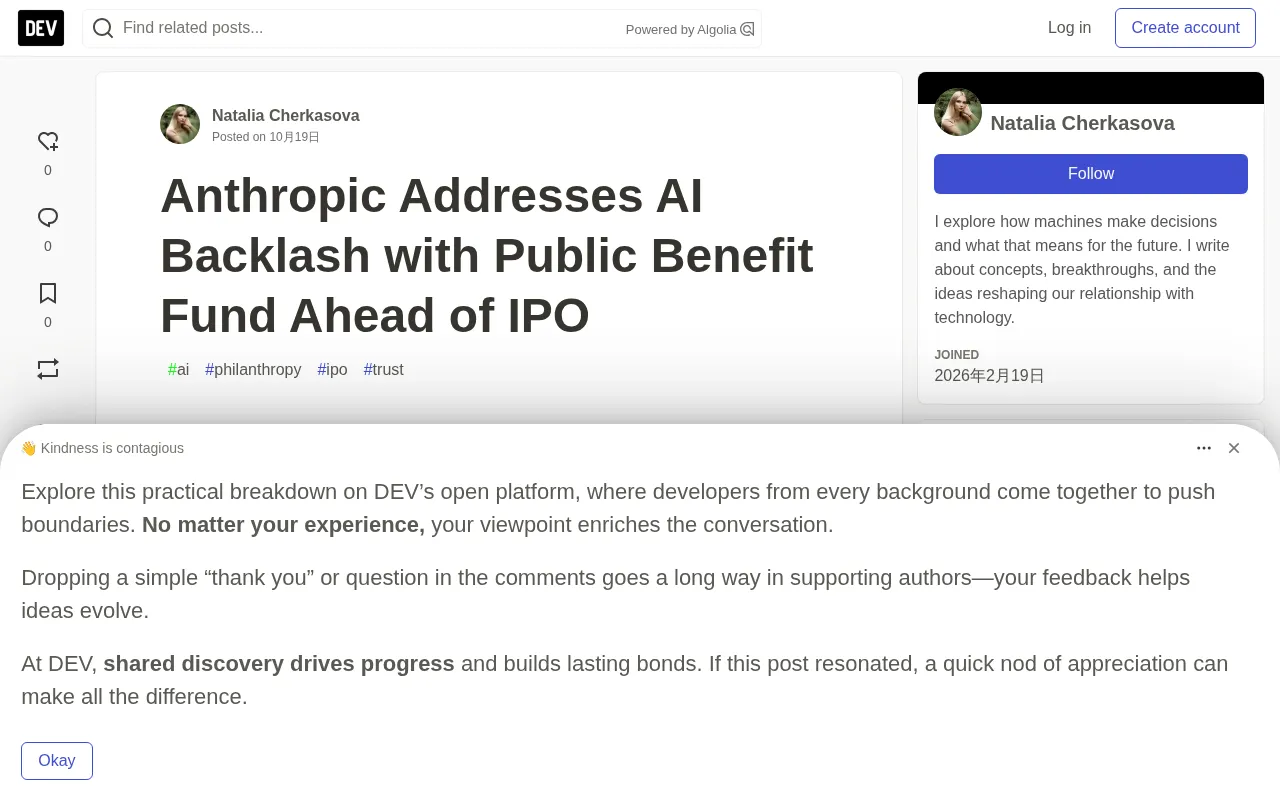
Anthropic Plans Public Interest Fund Ahead of IPO: Can 5% Equity Stake Defuse AI Public Opinion Crisis?
Anthropic announces 5% of shares will go to a public interest fund before its IPO, with a valuation-linked dynamic scaling mechanism. This article breaks down the three-layer design of equity allocation, dynamic contribution, and trust building, analyzes three hidden reefs—shareholder approval, baseline transparency, and regulation—and assesses whether this move can truly defuse the AI public opinion crisis.
Anthropic Establishes Public Benefit Fund: 20% of Shares Pledged to Public Interest
Anthropic announces the Anthropic Public Benefit Fund, initially holding 5% of shares, expandable by up to 2% for every 50% valuation growth—totaling about 20% pledged to public benefit.