AI Comic Drama Side Hustle Guide: A Complete Path from Zero to Earning Money

A practical guide to earning money with AI-generated short dramas as a side hustle.
This guide covers the AI comic drama side hustle from start to finish—explaining why the space is booming, the two main revenue models (platform sharing and freelance work), a step-by-step production workflow using tools like Midjourney and Runway, realistic income timelines, and five key risks to watch out for including competition and copyright issues.
Why the AI Comic Drama Space Suddenly Took Off
AI short dramas (also called AI comic dramas) are becoming a dark horse in the content creation space. From Bilibili to major social platforms, more and more creators are sharing their real experiences earning income through AI-generated short dramas.
The logic behind this trend isn't complicated: long-form video platforms like iQiyi, Youku, and Tencent Video are actively supporting short drama content with traffic boosts and revenue-sharing incentives. The explosion of the short drama space isn't coincidental—it's a product of structural changes in China's video industry. Since 2023, China's short drama market has exceeded tens of billions of yuan in scale, with paid micro-dramas becoming the fastest-growing subcategory. Long-form video platforms are investing heavily for two reasons: first, to counter the erosion of user watch time by short-video platforms like Douyin and Kuaishou; second, because short dramas typically run 1-5 minutes per episode, cost far less to produce than traditional long-form series, yet can monetize efficiently through paid unlocks and ad revenue sharing.
That said, the rapid maturation of AI illustration and video generation tools has dramatically lowered both the technical barriers and financial costs of content production. Current mainstream AI image generation tools are based on Diffusion Model technology, which learns from massive image datasets to generate high-quality images from text descriptions. Midjourney operates as a cloud service where users input prompts via Discord to generate images with an extremely low barrier to entry; Stable Diffusion is an open-source model that supports local deployment and high customization, suitable for users with some technical background who want fine-grained control. In the video generation space, tools like Runway Gen series, Pika, and Kling can already transform static images into short video clips with dynamic effects. Combined with editing tools like CapCut (Jianying), individual creators can stitch multiple AI-generated visual segments into complete narrative short dramas.
Comedy, cultivation fantasy (xianxia), and CEO romance dramas perform particularly well across platforms due to their large audience base and high completion rates. The strong performance of these three genres is supported by deep user psychology and distribution mechanisms: comedy content uses exaggerated plot twists and absurd humor to create emotional peaks in extremely short timeframes, making it naturally suited for fragmented short-video consumption; cultivation fantasy content inherits the massive audience base built over a decade of Chinese web novels, with narrative templates like "underdog rises to power" and "breakthrough to the next level" repeatedly validated by the market; CEO romance content is essentially a variant of urban romance fiction, precisely targeting the emotional needs of female users in lower-tier markets, with its "Cinderella" narrative structure being simple, direct, and highly conducive to binge-watching behavior. According to practitioners, this type of content generates anywhere from several hundred to several thousand yuan per minute of revenue, while production costs and timelines are dramatically reduced compared to traditional animation.
Two Major Revenue Models for AI Comic Dramas
Platform Revenue Sharing
AI short dramas have two main revenue streams:
- Paid drama revenue sharing: Users pay to unlock subsequent episodes, and creators receive a percentage of the revenue
- Ad-based revenue sharing: Users watch ads to access content for free, and creators earn advertising revenue
Platform revenue-sharing mechanisms typically use CPS (Cost Per Sale) or CPM (Cost Per Mille) models, where creator income is directly tied to content distribution performance. This decentralized distribution logic means that even brand-new accounts with zero followers can receive substantial traffic recommendations as long as their content data performs well.
These two models share a common advantage—no livestreaming required, no face-on-camera needed, no follower base necessary. Platform recommendation algorithms allocate traffic based on content quality and completion rates. As long as you consistently update and your content retains viewers, revenue will gradually grow.
Freelance Client Work
Besides publishing your own content for revenue sharing, there's another monetization path through commercial orders, including:
- Custom AI short drama production
- AI advertising clips
- AI digital avatar videos
- Corporate promotional materials
According to practitioners, once you've mastered the workflow, production fees for a single AI short drama episode run around 2,000 yuan, and you can complete delivery with just two to three hours of daily investment.
The Complete Path from Zero to AI Comic Drama Creation
Learning Phase: Tool Familiarization and Practice
For complete beginners, getting started with AI comic drama production generally involves three stages:
- Tool familiarization period (3-7 days): Learn the basic operations of mainstream AI illustration tools (such as Midjourney, Stable Diffusion) and AI video generation tools
- Imitation practice period (1-2 weeks): Reference the style and pacing of popular AI short dramas, and attempt to create your first batch of practice works
- Publishing and testing period: Publish works to platforms, observe data feedback like view counts and completion rates, and adjust your content direction
A complete AI comic drama production typically involves five core steps: First is script creation, where creators can use large language models like ChatGPT or Claude to assist in generating story outlines and storyboard scripts, breaking down the plot into specific scene descriptions; second is AI illustration, using Midjourney or Stable Diffusion to generate static frames for each scene based on the storyboard—this step requires mastering Prompt engineering techniques, meaning how to use precise text descriptions to guide AI toward generating images with the desired style and composition; third is image-to-video conversion, using tools like Runway or Kling to add dynamic effects to static images, such as facial expression changes, camera push/pull, and scene transitions; fourth is voiceover and sound effects, using AI voice synthesis tools (such as ElevenLabs, Microsoft Azure TTS) to generate character dialogue and narration; finally comes post-production editing, completing scene assembly, subtitle addition, background music pairing, and pacing adjustments in tools like CapCut. Throughout this entire process, the quality and consistency of Prompts is the key factor determining the final product's quality—how to maintain consistent character appearance, clothing, and art style across multiple AI-generated images is the most common technical challenge beginners face.
Based on real cases, after about one week of systematic learning, you can attempt to create complete works. Initially, a single video might take one to two days to complete, but production efficiency improves significantly as proficiency increases.
Monetization Phase: From First Income to Stable Output

One practitioner shared their monetization timeline:
- First month: Learning while creating, earned 6,850 yuan by month's end
- First three months: Working a day job while making AI short dramas at night, gradually accumulating experience
- Stable period: Investing two to three hours daily, monthly income reaching three to four times their previous salary
Understanding how platform recommendation algorithms work is crucial for revenue growth. Mainstream video platforms typically use a multi-tier traffic pool mechanism: newly published content is first pushed to a small batch of users (usually several hundred to several thousand), and the system evaluates content quality based on this group's completion rate, like rate, comment rate, share rate, and follow conversion rate. If the data outperforms competing content from the same period, the content gets pushed into larger traffic pools, gaining exponential exposure growth. This means creators need to set a powerful hook in the first 3 seconds to reduce bounce rate, place multiple suspense points throughout the plot to maintain completion rates, and guide users toward interactive behaviors at the end. For serialized AI short dramas, the "hook" design at the end of each episode is particularly critical—it directly determines whether users are willing to pay to unlock the next episode or continue following the series.
It's important to emphasize that this income level isn't achievable by everyone. Final earnings depend on multiple factors including content quality, update frequency, topic selection, and understanding of platform rules.
A Sober Look at the AI Side Hustle Craze
Real Opportunities That Exist
AI tools have genuinely brought substantive changes in lowering content creation barriers. Previously, producing an animated short required team collaboration over several months; now individuals can achieve comparable results in just hours using AI tools. This means individual creators have more opportunities to compete in the content market.

Five Risks You Must Watch Out For
However, any side hustle packaged as "easily earn over 10,000 yuan monthly" deserves sober scrutiny:
- Rapidly intensifying competition: As tools become widespread, more entrants flood in, and homogenized content will drive down overall returns
- Constantly changing platform rules: Revenue-sharing ratios and recommendation algorithms can be adjusted at any time, creating income uncertainty
- Continuously rising quality thresholds: As audiences experience aesthetic fatigue, demands for content creativity and production quality will keep rising
- Course marketing clouding judgment: Many related posts are essentially selling paid courses—you need to identify the marketing elements in the information
- Copyright and compliance risks: Globally, there is still no unified consensus on copyright ownership of AI-generated content. In China, a 2023 ruling by the Beijing Internet Court determined that AI-generated images can receive copyright protection, provided the creator invested sufficient intellectual labor in the generation process (such as Prompt design, parameter adjustment, post-generation selection, etc.). Additionally, when using AI tools, creators need to avoid generating character images that are highly similar to existing well-known IPs, or they may face infringement risks. Some platforms have already begun requiring creators to label and declare AI-generated content. As regulatory policies gradually improve, compliance awareness will become an essential quality for AI content creators.
Four Rational Recommendations for Beginners
If you're interested in AI comic drama creation, here's how to get started steadily:
- Self-learn before paying for courses: Master basic operations using free tools and public tutorials—don't rush to spend money on courses
- Test with minimal cost: Use your spare time to create and publish works, and let real data guide your direction
- Stay tool-aware: AI tools iterate extremely fast—continuously follow new features and approaches
- Start as a side hustle, validate before transitioning: Don't rashly quit your job to go all-in—first run through the entire process in side-hustle mode
Conclusion: AI Comic Dramas Are Worth Trying but Require Rational Expectations
As an emerging content format, AI comic dramas do present real market opportunities. AI tools have lowered production barriers, and platform subsidy policies provide viable monetization channels. But it's by no means a "passive income" shortcut—consistently producing quality content, deeply understanding platform algorithms, and maintaining the ability to learn and iterate are the keys to long-term profitability.
For ordinary people, treating AI comic dramas as a side hustle direction worth exploring is a reasonable choice. But keep your revenue expectations grounded in reality, and let data—not imagination—guide your decisions.
Related articles
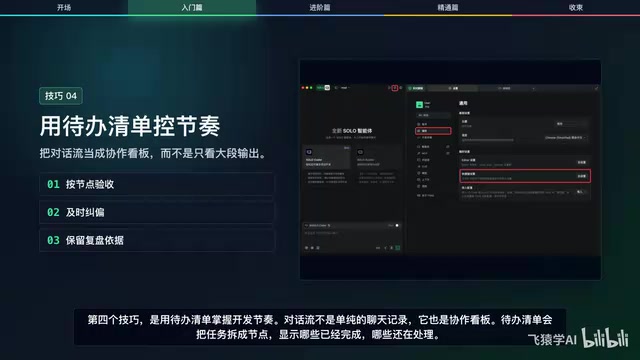
12 Practical Tips for Vibe Coding with Trae SOLO: From Getting Started to Efficient Collaboration
12 practical tips for vibe coding with Trae SOLO covering agent selection, Plan mode, context management, custom rules, and more to build an efficient AI programming workflow.
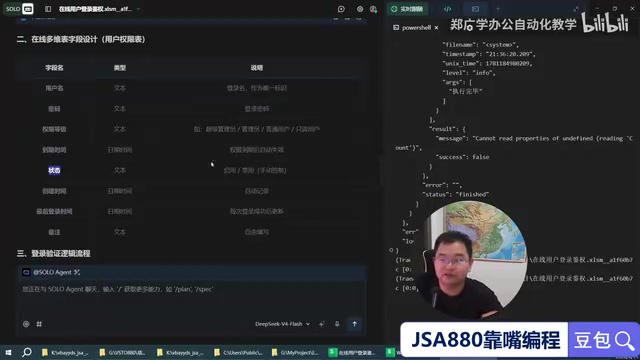
Trae + WPS: Building a Zero-Code JSA Login Authorization System — A Practical Tutorial
Learn how to use Trae AI programming tool with WPS Bitable to build a JSA login authorization system with zero handwritten code, covering online tables, Web API auth scripts, and remote user management.
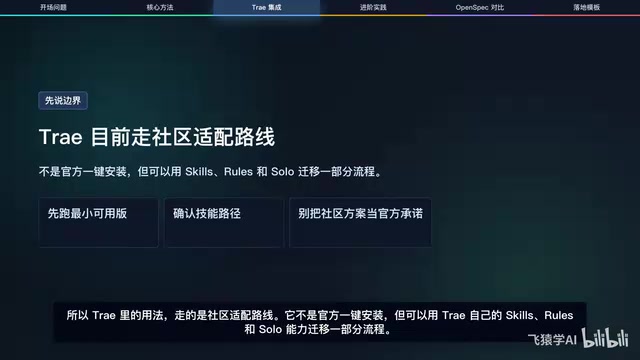
Superpowers: Installing Work Standards for Your AI Coding Assistant
How the Superpowers methodology constrains AI coding assistants through requirement clarification, task decomposition, TDD, and verification loops — with setup tips for Trae.