Antigravity SDK Hands-On: The Google Agent Runtime Behind 20 Lines of Python
Google's Antigravity SDK hides a full binary Agent runtime behind 20 lines of Python code.
Google's Antigravity SDK (v0.1.1) simplifies Agent development to ~20 lines of Python, but its real differentiator is a pre-compiled binary runtime handling sandbox isolation and tool scheduling. Unlike Pydantic AI or LangGraph, it pushes infrastructure to native code — offering potential performance gains but introducing black-box dependencies and Google ecosystem lock-in. Best suited for edge-case experimentation, not production systems yet.
Introduction: The Worst Part of Building Agents Isn't the Model — It's the Glue
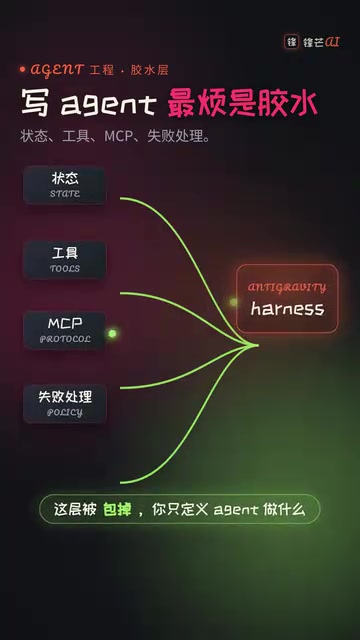
Anyone who's built AI Agents knows that the real energy drain is never calling the model — it's all the "glue layers" surrounding it: state management, tool calling, failure handling, MCP protocol integration… Each one requires custom wrapping, and each one is a pitfall.
Google's newly released Antigravity SDK (package name google-antigravity 0.1.1, uploaded to PyPI on May 28) aims to solve exactly this problem. Its goal is clear: handle all the infrastructure layers in Agent development so developers only need to define what the Agent should do.
But here's the counterintuitive part: on the surface, you only need 20 lines of Python code, yet behind the scenes lies a full Agent runtime capable of reading files, running commands, and modifying code. Is this a development superpower, or a "remote control" that hands over your system permissions?
Antigravity SDK Core Architecture: Minimal Entry Point, Complex Runtime
How Short Is the Shortest Path?
Antigravity SDK's entry point design is remarkably restrained, centered around just two objects: Agent and LocalAgentConfig. Developers can integrate custom Python tools, MCP protocols, Hooks, and Policies.
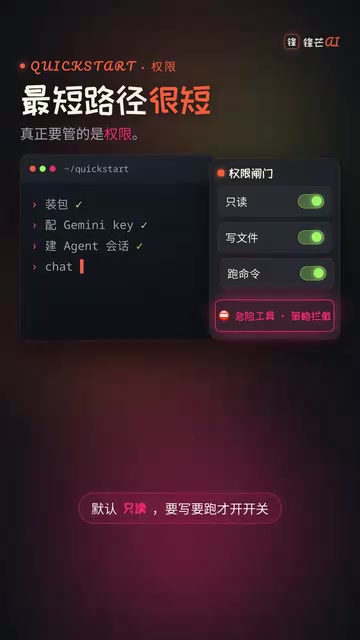
The minimal usage path looks roughly like this:
- Install the package
- Configure the Gemini API Key
- Create an Agent session
- Call the Chat interface
Four steps, and the code can indeed be compressed to under 20 lines. For rapid prototype validation, the barrier to entry is essentially zero.
Capability Switches and Policy Safeguards
By default, the Antigravity SDK Agent leans toward a "read-only" mode — it can read information and answer questions but won't proactively modify files or execute system commands.
If you need the Agent to write files or run Shell commands, you must explicitly enable capability switches, and you can use Policies to intercept dangerous tool calls. This design philosophy deserves praise: permissions are tightened by default, opened on demand, with policies as the safety net.
In scenarios where the Agent can operate on the local file system and execute commands, security risks escalate dramatically without fine-grained permission controls. Antigravity SDK has at least addressed this concern at the architectural level.
Key Differences from Competitors: Not in the Abstraction Layer, but in the Runtime
How Does Antigravity SDK Differ from Pydantic AI and LangGraph?
Since Antigravity SDK's release, the most discussed question in the community has been: how does it actually differ from existing Agent development frameworks like Pydantic AI and LangGraph?
On the surface, these frameworks all do similar things — providing abstraction layers for Agent development that simplify tool calling and state management. But a deeper analysis reveals that the core difference lies not in abstraction layer design, but in the binary runtime Google provides.
Pydantic AI and LangGraph are essentially Python libraries where all logic runs within the Python process. Antigravity's Wheel package, however, contains a pre-compiled binary runtime, meaning the Agent's execution environment, sandbox isolation, tool scheduling, and other low-level capabilities are provided by Google's native code rather than pure Python implementations.
This leads to two direct implications:
- Potentially better performance and security: Native runtimes typically outperform pure Python solutions in sandbox isolation and resource management
- Stronger ecosystem lock-in: You're not just using a Python library — you're depending on Google's entire Agent runtime infrastructure
Current Pitfalls and Usage Limitations
Installation Has Its Nuances
One easy trap to fall into: you can't simply clone the GitHub repository to use it. The official documentation explicitly requires installing the Wheel package with the binary runtime from PyPI. This means you cannot fully control the SDK's behavior through source code — the binary portion is a black box.
The Cost of Google Ecosystem Lock-in
Antigravity SDK is currently deeply tied to the Gemini model and Google's ecosystem. While this makes perfect sense within Google's product strategy, for teams that need multi-model switching or want to avoid vendor lock-in, this is a risk point that requires serious evaluation.
The Gap Between GitHub Hype and Maturity
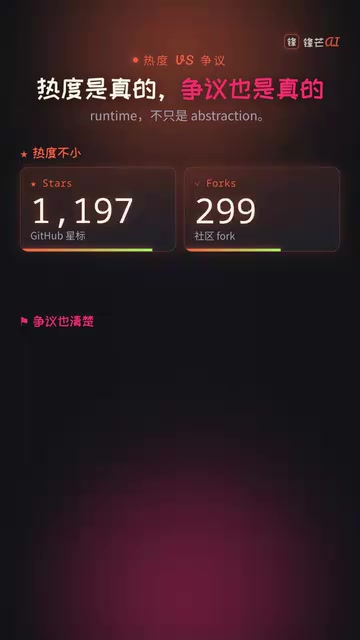
As of now, Antigravity SDK has garnered approximately 1,200 stars and nearly 300 forks on GitHub. The buzz is real, but as a version 0.1.1 preview SDK, it's clearly far from production-ready. APIs may change at any time, and documentation and community support are still in early stages.
Practical Advice: Start with Edge Cases
Based on the analysis above, here's the recommendation for using Antigravity SDK:
Don't rush to rewrite your production core systems with it. Start with low-risk, high-frequency edge scenarios:
- Automated weekly report generation: Let the Agent read project data and automatically compile summaries
- Dependency checking: Scan project dependencies to identify security vulnerabilities or outdated versions
- Repository auditing: Periodically check code standards, documentation completeness, etc.
Even if the Agent makes mistakes in these scenarios, the impact remains manageable, while helping you build real-world understanding of Antigravity SDK's capability boundaries and runtime behavior.
Conclusion
Antigravity SDK represents an important attempt by Google in the Agent development infrastructure space. Its core value isn't in providing yet another Python abstraction, but in pushing the Agent runtime down to the binary layer, attempting to fundamentally solve the "glue problem" in Agent development.
But the flip side of the coin is real: binary black boxes, ecosystem lock-in, and early-version instability are all tangible risks. Don't blindly chase stars — hands-on testing reveals the truth. That advice applies to any new technology.
Related articles
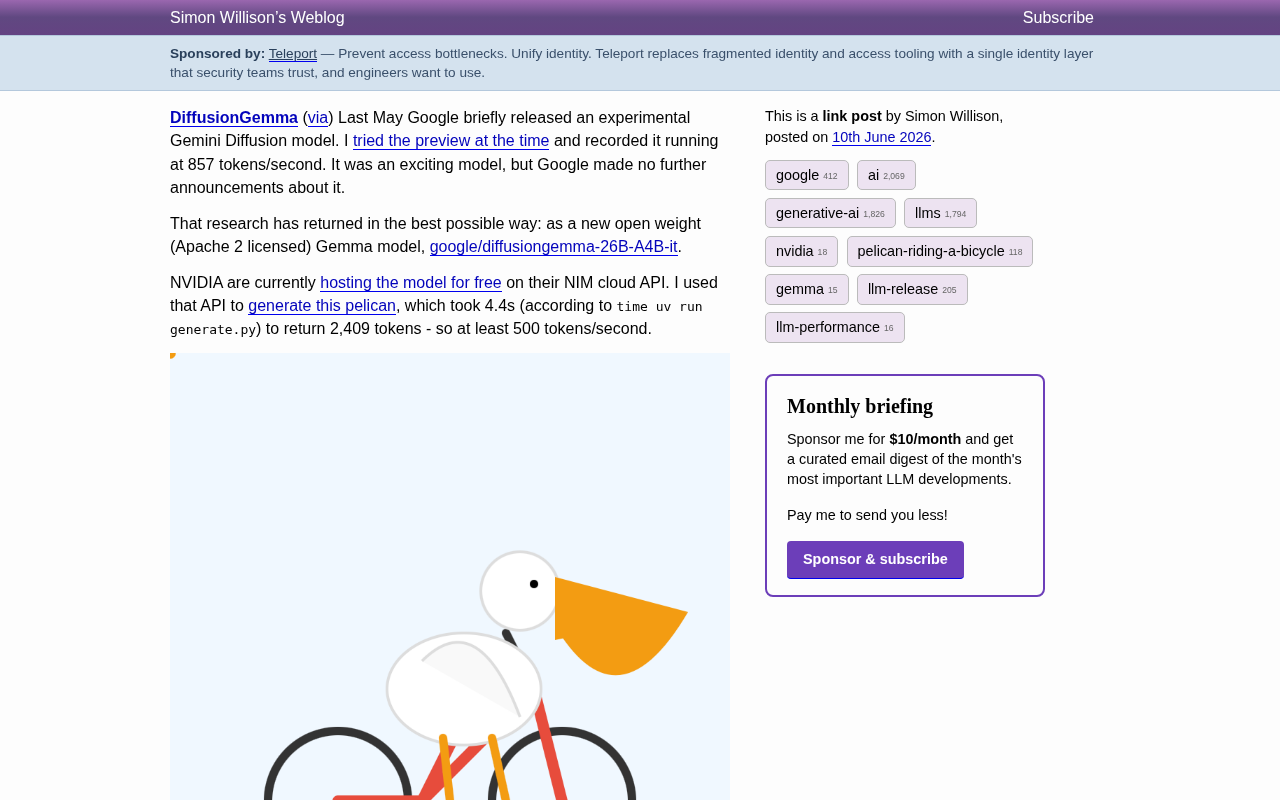
DiffusionGemma: Google's Open-Source Diffusion Language Model Exceeding 500 Tokens/s
Google releases DiffusionGemma, an open-source diffusion language model with Apache 2.0 license. The 26B-parameter MoE model achieves over 500 tokens/s in real-world tests.
Reviving a 28-Year-Old Quake 2 Custom …
Reviving a 28-Year-Old Quake 2 Custom Map with AI: New Possibilities in Digital Archaeology
A developer used AI tools to revive a 28-year-old Quake 2 custom map as a browser game, showcasing AI's new role in digital heritage restoration and game preservation.
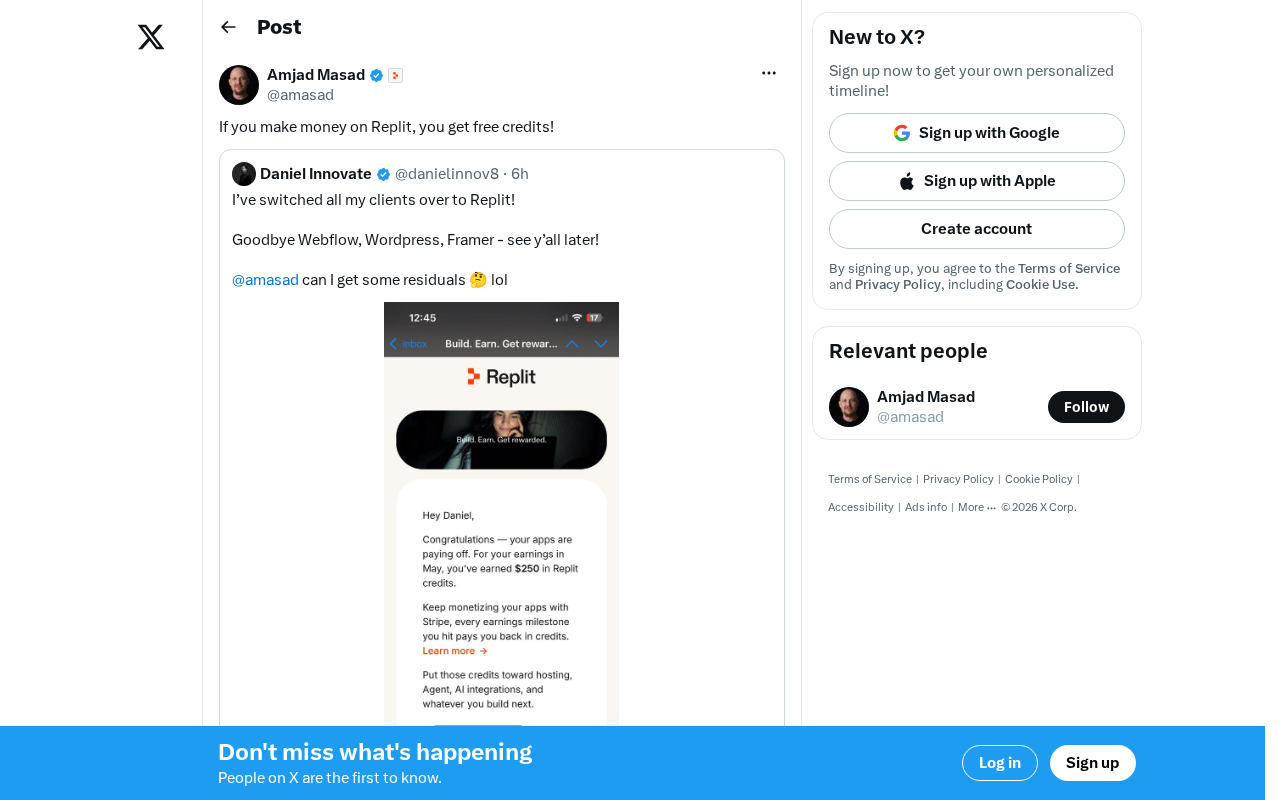
Replit's Revenue Incentive Policy Explained: Earn Money on the Platform, Get Free Credits
Replit's new revenue incentive policy gives developers free credits when they earn money on the platform. A deep dive into its impact on indie developers and the AI platform landscape.