Codex Guide: An Open-Source Guide Covering Everything from Installation to Advanced Techniques

An open-source guide helping developers master OpenAI Codex from setup to advanced workflows.
Codex Guide is a community-driven open-source project that provides a comprehensive practical guide for OpenAI's Codex. It covers installation, ChatGPT Plus subscription methods, third-party API integration (like DeepSeek), hands-on case studies such as PPT generation and architecture diagrams, and plans for advanced topics including agents.md writing, Skills MCP, and Agent workflow construction.
Why You Need a Practical Codex Guide
As a heavyweight product in the AI programming space, OpenAI's Codex has attracted growing attention from developers. However, there's a huge gap between "knowing it's powerful" and "actually using it well." Many people run into a series of problems when getting started: not knowing how to install and configure it, being confused about the differences between Cloud Code, Codex, and Cursor, not understanding how to write agents.md, being unclear about how to use Skills MCP... A massive amount of time gets wasted on searching, asking questions, and troubleshooting.
Bilibili creator Changhe, after extensively using Codex, compiled all the pitfalls and experience into an open-source project — Codex Guide (codexguide.ai) — designed to help beginners, creators, developers, and teams get up to speed with Codex quickly and reduce unnecessary learning costs.
What Codex Guide Covers
Installation and Configuration from Scratch
This guide provides a complete learning path covering every aspect of using Codex:
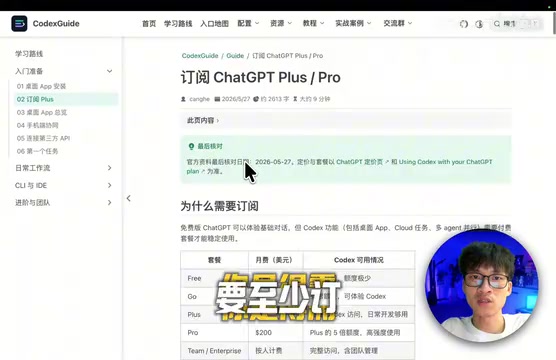
- Installation & Download: The complete installation process for the Codex App, walking you through environment setup step by step
- Subscription Guidance: Using the official Codex requires at least a ChatGPT Plus subscription — the guide details multiple subscription methods
- Multi-Device Connectivity: Includes tutorials on how to connect to Codex from your phone, enabling AI programming anytime, anywhere
Third-Party API Integration
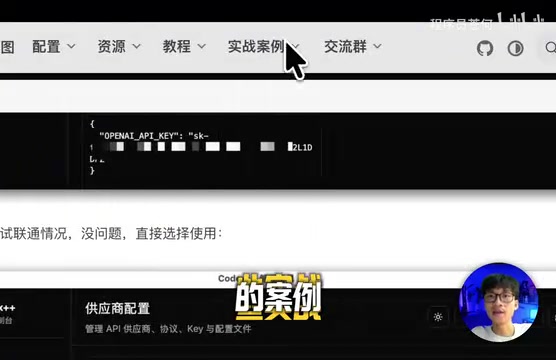
One frequently asked question is: How do you use third-party APIs like DeepSeek with Codex? The guide summarizes three viable approaches:
- Manual Configuration: Directly modify Codex's configuration files to specify third-party API endpoints
- Using Codex CLI: Connect to third-party APIs through the command-line tool
- Middleware Bridging: Use middleware tools to bridge API connections
This is extremely practical for developers looking to reduce costs or who need specific model capabilities.
Hands-On Case Studies
The guide goes beyond theory and provides rich practical examples:
- Generate a PPT with a Single Sentence: Using PPT-related tools, have Codex generate a complete presentation from a single prompt
- Automatic Architecture Diagram Drawing: Combined with MCP tools like Excalidraw, let Codex automatically generate system architecture diagrams
These examples demonstrate that Codex is far more than just a code generation tool — it has powerful application potential across documentation, design, project management, and many other dimensions.
Future Roadmap: From Getting Started to Advanced Techniques
According to the project roadmap, a series of advanced topics will be added:
- Large Project Management: How to have Codex participate in managing complex, large-scale projects
- Agent Workflow Construction: Building your own automated Agent workflows
- Writing High-Quality agents.md: This is the key file for Codex to understand project context — writing it well can significantly improve Codex's output quality
- Deep Utilization of the Skills Mechanism: Boosting development efficiency through Skills MCP
- Personalized Workflow Customization: Deeply integrating Codex into your daily development process
As these topics are progressively fleshed out, Codex Guide will evolve from a beginner's handbook into a comprehensive AI programming knowledge base.
Why This Open-Source Project Is Worth Following

As the project author puts it, AI programming is changing the future of software development. As more and more people start using AI Agents to assist with programming, the learning curve is becoming the biggest barrier. A good introductory guide can help everyday developers quickly overcome this barrier and spend their time on truly valuable creation instead of repeatedly stumbling through the same pitfalls.
From a broader perspective, community-driven open-source guides like this reflect an important trend in the AI tool ecosystem: official documentation tends to focus on feature descriptions, while what truly helps users implement tools in practice comes from community experience. Codex Guide fills exactly this gap — it doesn't just tell you what Codex can do, but shows you how to do it and how to do it better.
How to Access Codex Guide
- Website: codexguide.ai
- GitHub Repository: Search for "codexguide" on GitHub to find the project repository
The project is completely open-source and free. If you're learning Codex or exploring AI programming, this guide is worth bookmarking. As an open-source project, community participation and feedback will continue to drive its improvement.
Related articles
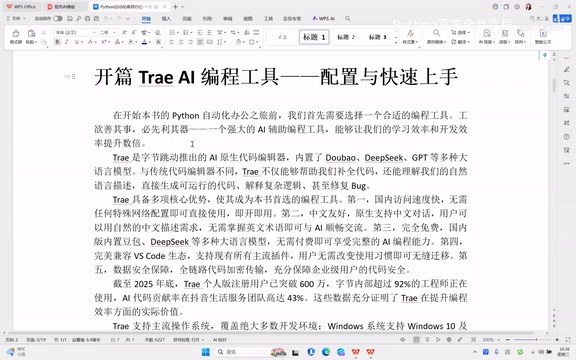
Trae AI Coding Tool: Complete Guide to Download, Installation, and Getting Started
Complete guide to ByteDance's Trae AI editor: core features, download & installation, Python setup, and AI chat coding. Free, Chinese-native, no VPN needed.
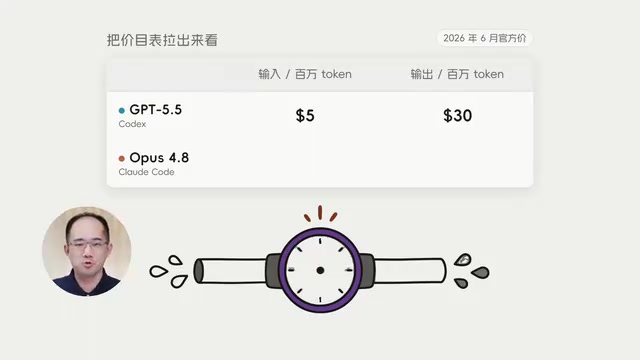
Codex vs Claude Code Cost Comparison: Breaking Down the Real Reasons Behind the 10x Price Gap
Codex costs $15 vs Claude Code's $155 for the same task. We break down the 10x price gap across Token pricing, consumption, and work patterns with practical tips.

Interview with Claude Code Lead: AI Programming ROI Mindset, Loops, and the Evolving Role of Engineers
Claude Code lead Boris Cherny shares insights on 100% AI coding, ROI thinking frameworks, Loops automation, Fable model capabilities, and how engineers are shifting from coding to product intuition and system design.