#AI programming
440 related articles
·2 min
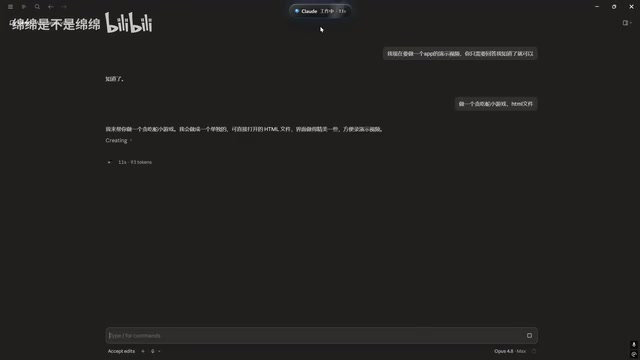
Claude Code Desktop Status Capsule: An Open-Source Widget for Real-Time AI Coding Status Monitoring
An open-source desktop status capsule that monitors Claude Code's idle, working, and completed states in real time, with multi-conversation management, memos, and music control for developers.
Read more →

·3 min
GPT-5.2 Codex vs Opus 4.5 Hands-On: A Comprehensive Comparison of Coding Ability, Speed, and Developer Experience
Hands-on comparison of GPT-5.2 Codex vs Opus 4.5 across frontend generation, physics simulation, 3D scenes, and code refactoring, with practical selection advice.
Read more →
Deep Dive into the Three AI Programmin…
·3 min
Deep Dive into the Three AI Programming Frameworks: The Right Way to Do Specification-Driven Development
Deep dive into the three frameworks of Specification-Driven Development (SDD) for AI programming: Blueprint, Execution Flow, and Change Records — solving the problem of AI code going off the rails.
Read more →
·2 min
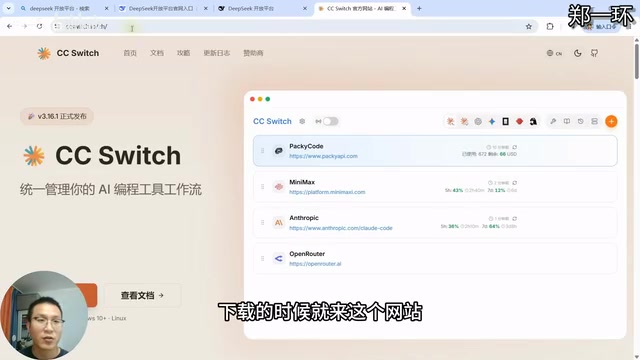
How to Connect Codex to DeepSeek Models: Free Switching via CC Switch
Learn how to connect OpenAI Codex to DeepSeek models via CC Switch, enabling free switching between DeepSeek and GPT with complete setup and routing guide.
Read more →
·1 min
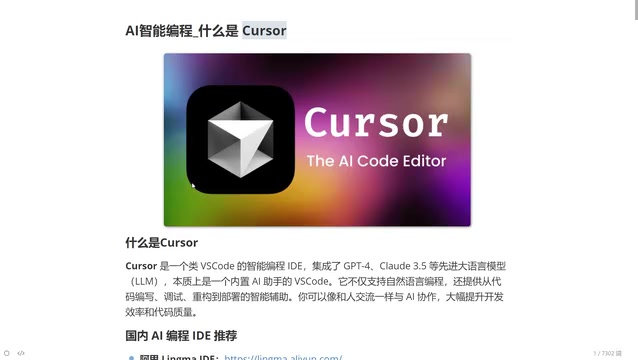
Cursor AI Programming Tool: A Complete Guide — Write High-Quality Code Even with Zero Experience
A deep dive into Cursor AI programming tool's core features, advantages over traditional IDEs, and target users. Learn how this AI-native IDE boosts coding efficiency for developers at all levels.
Read more →

·3 min
Cursor Internal Data: 75% of Code Generated by AI, Engineers Transforming into Agent Managers
Cursor reveals internal data: enterprise AI-generated code surges from 15% to 75%, Agent requests grow 15x YoY, and 30% of PRs are completed entirely by Agents. Engineers are becoming Agent managers.
Read more →
·4 min
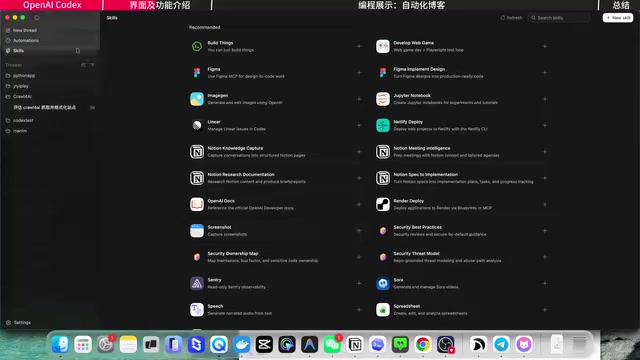
OpenAI Codex Desktop Experience: A Zero-to-Hero Guide for AI Programming
A detailed hands-on experience with OpenAI Codex Desktop, covering interface features and real-world examples. Free users can try it now with parallel tasks and natural language programming.
Read more →
·2 min
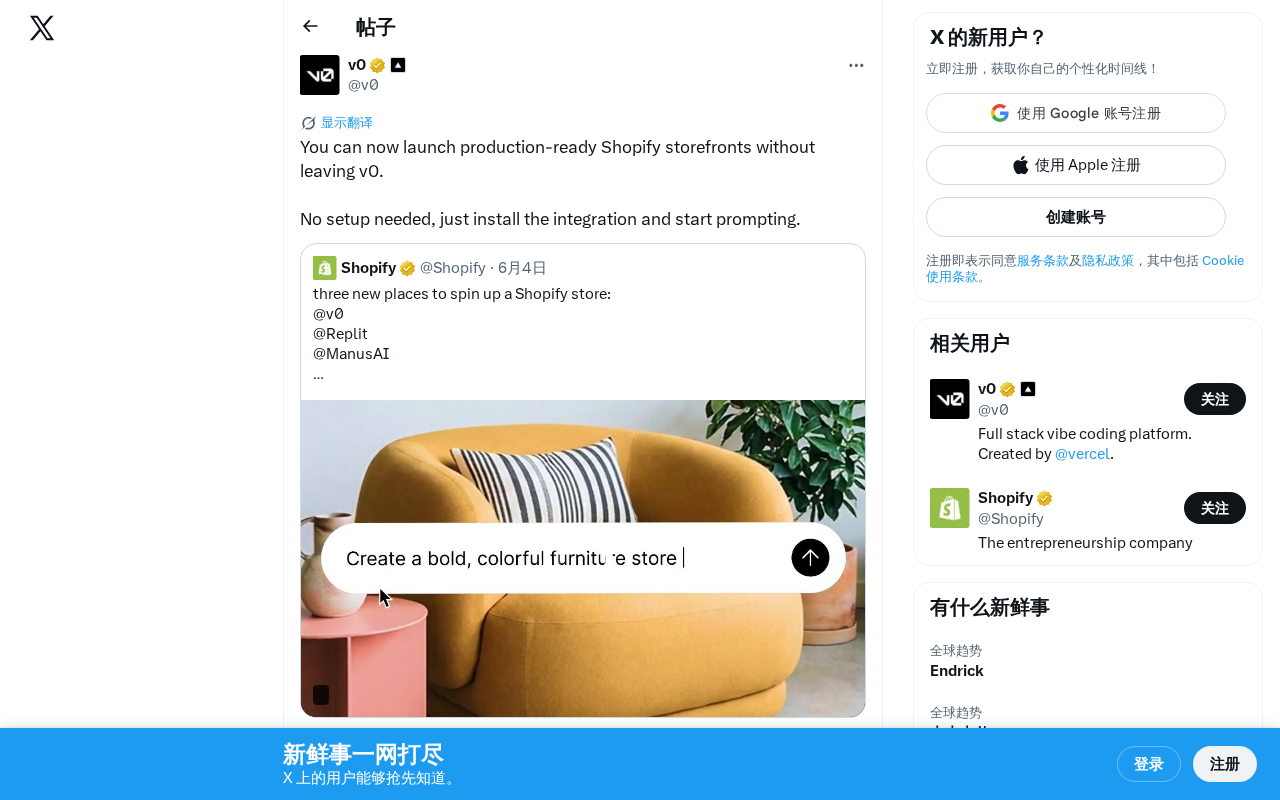
v0 Integrates with Shopify: AI Conversations Generate Production-Grade E-Commerce Websites
Vercel's AI tool v0 announces deep Shopify integration, enabling users to generate production-ready e-commerce storefronts via natural language prompts.
Read more →
·3 min
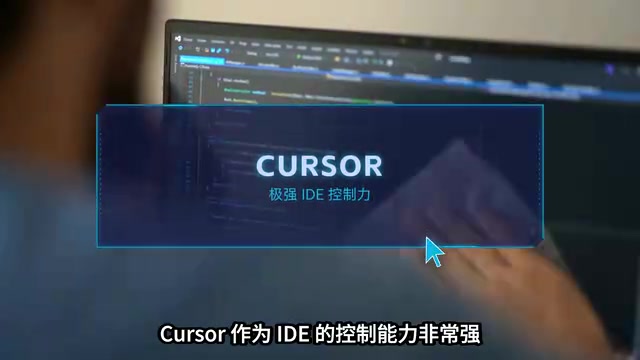
Cursor vs Codex In-Depth Comparison: Where Should You Spend Your $200?
In-depth comparison of Cursor and Codex AI programming tools — their strengths, ideal use cases, and cost differences. Find out where your $200 is best spent.
Read more →

·2 min
Claude Code + Codex: The Most Reliable Division of Labor — A Three-Phase Approach of Planning, Execution, and Review
A detailed guide to the Claude Code and Codex collaborative workflow: Claude Code handles architecture planning and code review, while Codex handles execution. Boost dev efficiency through standardized handoffs.
Read more →

·4 min
Claude Code Practical Guide: Deep Dive into 7 Core Modules with Learning Path
Deep dive into Claude Code's 7 core modules: project integration, agent construction, multi-agent collaboration, plugin systems, and workflow automation, with learning tips and certification trends.
Read more →
·3 min
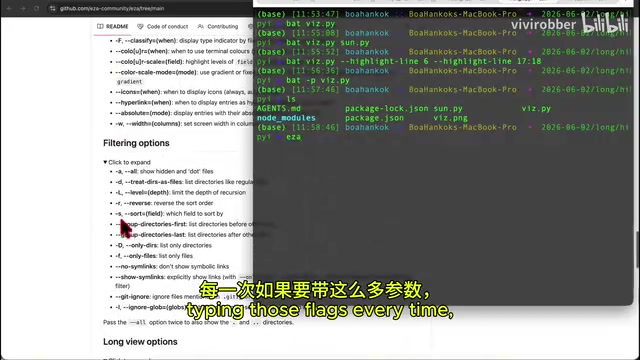
8 Terminal Enhancement Tools to Supercharge Your Claude Code Programming Experience
8 free terminal tools—Bat, Eza, Chafa, Zoxide, TLDR, Miru, Yazi, LazyGit—to dramatically boost your Claude Code and AI coding workflow efficiency.
Read more →
·2 min
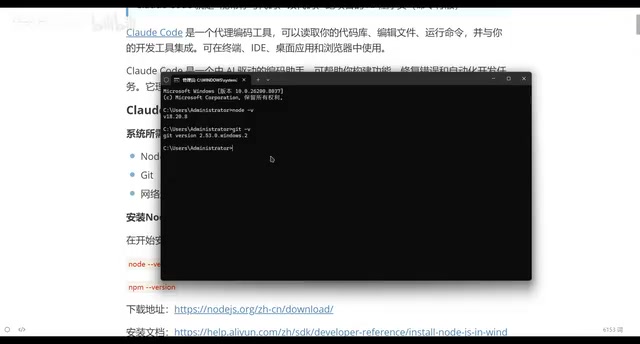
Claude Code Installation & Deployment Guide: From Environment Setup to Successful Launch
Complete guide to installing and deploying Claude Code, covering Node.js setup, NVM version management, network proxy configuration, and API provider switching.
Read more →

·3 min
Monetizing Claude Code: 4 Proven Revenue Paths Broken Down
Deep breakdown of 4 monetization paths for Claude Code: AI-accelerated freelancing, shipping tools at scale, selling methodology, and content creation. Each path is validated with real examples.
Read more →
·4 min
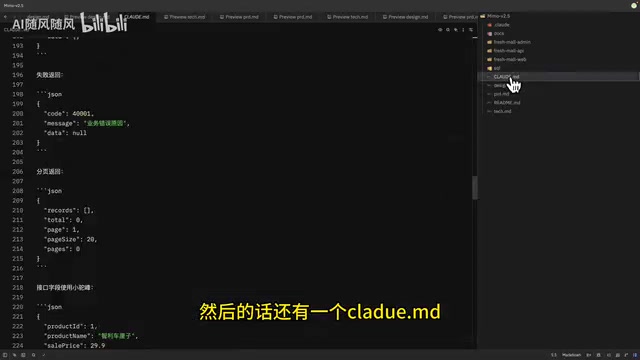
Real-World Comparison of Chinese AI Coding Models: Which One Best Generates a Complete E-Commerce System in One Shot?
Real-world test of six Chinese AI coding models — Qwen 3.7 Max, DeepSeek V4 Pro, MiniMax M3 and more — generating a complete e-commerce system, scored on UI, checkout flow, and backend management.
Read more →
·3 min
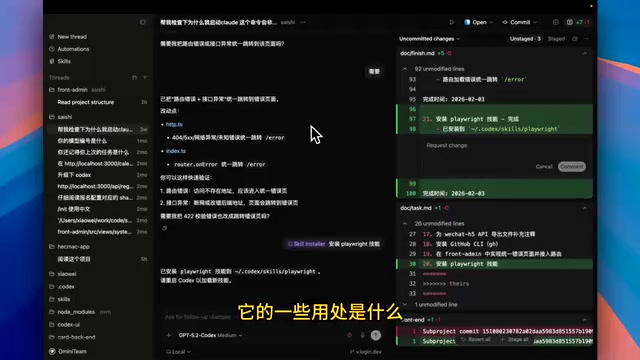
OpenAI Codex App In-Depth Review: Streets Parallel Development and Five Core Features Explained
In-depth review of OpenAI Codex App's five core features: Streets parallel development, deep Git integration, Skills system, Automation tasks, and MCP support.
Read more →

·2 min
Claude Code Dynamic Workflows: A Complete Guide to Six Patterns and Ten Scenarios
Deep dive into Claude Code's dynamic workflow mechanism covering Agent, Parallel, and Pipeline functions, six orchestration patterns, and ten real-world scenarios with cost control tips.
Read more →
·3 min
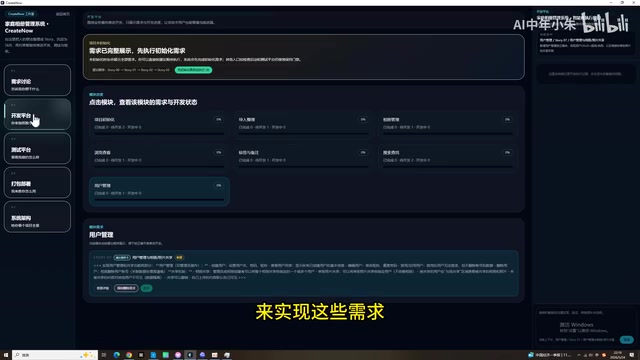
CreateNow Controlled Development in Practice: Getting AI to Write Code Requirement by Requirement
Hands-on with CreateNow's controlled AI development: from requirements breakdown to modular coding. Covers model selection, breakpoint-resume, and acceptance checks.
Read more →

·2 min
ChatGPT Merges with Codex: What a 24-Hour Autonomous AI Assistant Means
OpenAI fully integrates Codex into ChatGPT, creating an AI digital worker capable of autonomous planning and up to 24 hours of continuous execution. A deep dive into core upgrades, use cases, and industry impact.
Read more →
·4 min
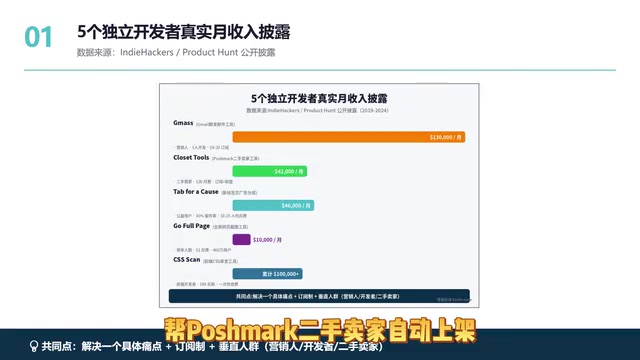
Making 5-Figure Monthly Income with AI-Developed Chrome Extensions: A Complete Hands-On Guide
Learn how to use AI tools to develop Chrome extensions for overseas monetization, covering demand research, Cursor development, store review, and subscription revenue with a 28-day timeline.
Read more →