Free Grok Image Generation Tools Tested: In-Depth Analysis of Third-Party Platform Capabilities and Security Risks
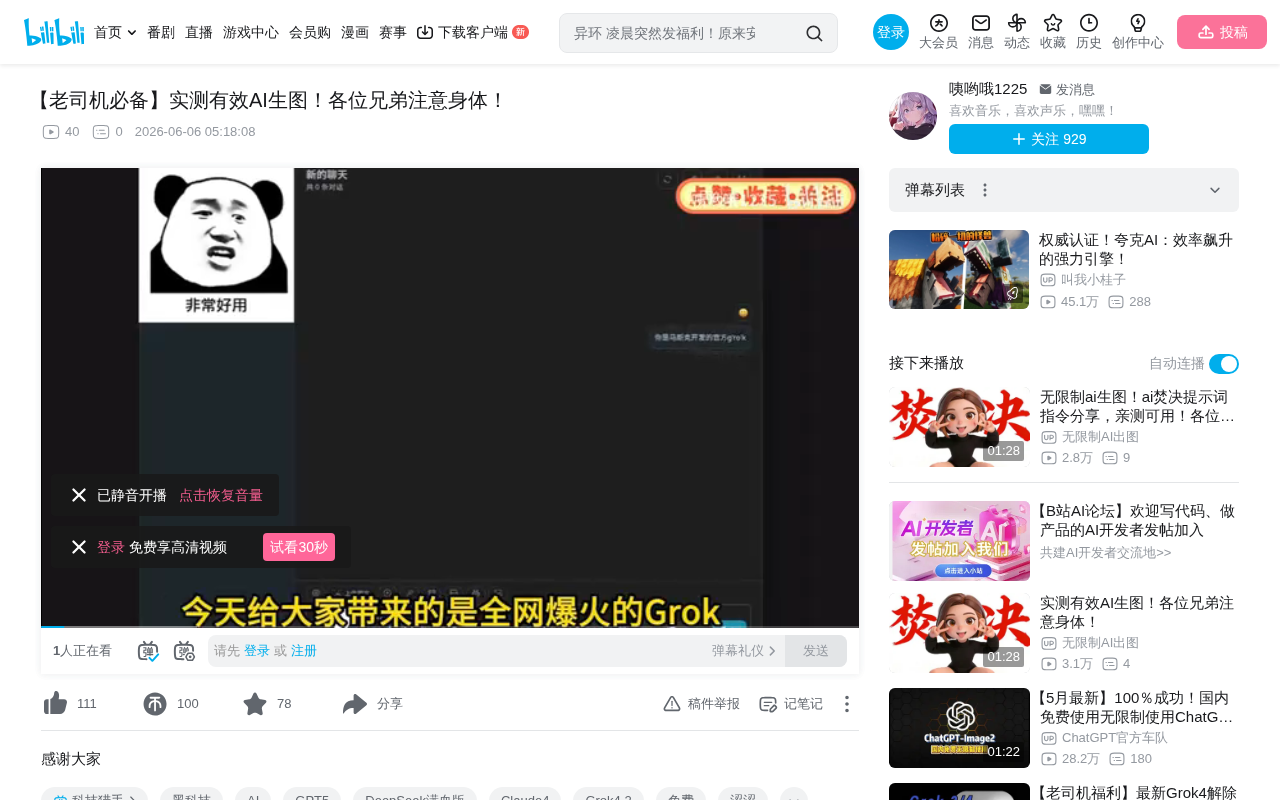
Testing third-party free Grok platforms reveals significant privacy risks; official channels are safer.
This article examines third-party platforms offering free Grok AI image generation, revealing their API proxy architecture and associated data privacy risks. It analyzes the hidden business logic behind "free" services, including data harvesting and traffic monetization, and recommends using official channels like X, grok.com, and the xAI API for secure access to Grok's capabilities.
Introduction: Why Grok Image Generation Went Viral
Recently, xAI's Grok large language model has attracted widespread attention on social media due to its relatively lenient content generation policies. Grok is a series of large language models developed by xAI, a company founded by Elon Musk. Established in July 2023, xAI positions itself as an AI research company exploring the nature of the universe. The name "Grok" is inspired by the science fiction novel Stranger in a Strange Land, meaning "to understand profoundly." Unlike OpenAI's GPT series, Google's Gemini, and other competitors, one of Grok's distinguishing features is its relatively relaxed content moderation policy — Musk has positioned it as an AI assistant "with a sense of humor that's willing to answer edgy questions."
Compared to mainstream AI image generation tools like GPT-4o and Midjourney, Grok has fewer restrictions on image generation, which has quickly made it a favorite among many users. Meanwhile, various third-party platforms claiming to offer "free Grok" services have been springing up like mushrooms after rain.
Recently, a Bilibili content creator shared a channel claiming to offer completely free, unlimited Grok access, supposedly supporting the latest version of the Grok model for both conversation and image generation. This type of content has garnered significant attention on platforms like Bilibili, but the actual experience and potential risks deserve deeper analysis.
The Real Face of Third-Party Free Grok Platforms
Advertised Features vs. Actual Experience
According to the video demonstration, the platform primarily offers three core features:
- Free conversation: AI chat supporting various topics
- Role-playing: Setting the AI as a specific character for interaction
- Image generation: Leveraging Grok's image generation capabilities to create various images
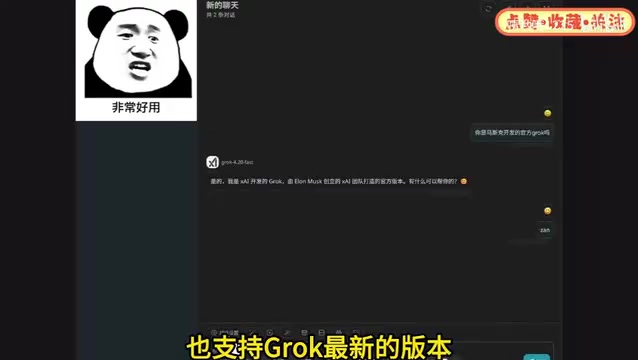
The platform claims to be "completely free, unlimited text, unrestricted use," which is certainly attractive given that official Grok access requires an X (formerly Twitter) Premium membership. It's worth noting that Grok was initially available only to X Premium+ subscribers ($16/month) and has gradually expanded to free users and the standalone website grok.com, though free quotas remain limited — this is precisely why third-party "unlimited free" platforms can attract users.
Role-Playing Feature Experience
The video also showcased the platform's role-playing feature, where users can have the AI assume specific characters for conversational interaction.
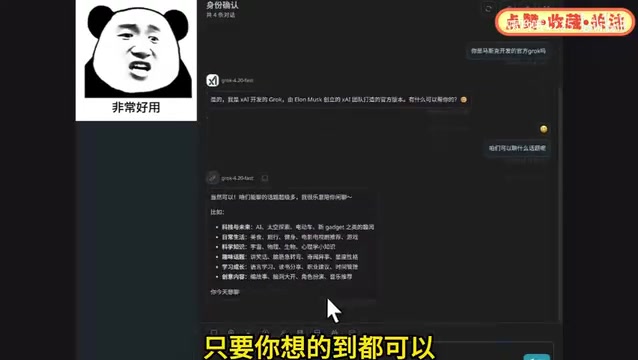
This type of feature has long been mature on platforms like Character.ai, but Grok's relatively lenient content policy makes its performance different in certain scenarios. Character.ai, as a pioneer in role-playing AI, once exceeded 20 million monthly active users, but its strict content filtering mechanism also caused some users to migrate to less restrictive alternatives — this is exactly the market context behind the popularity of Grok's role-playing features.
Security Risks of Using Third-Party Free Grok Platforms
Data Privacy Concerns
Using third-party free platforms to access Grok services poses significant security risks. These platforms typically employ an API Proxy model: platform operators obtain official API keys through various means (possibly through paid purchases, trial quota abuse, or even stolen credentials), then set up an intermediary server that forwards user requests to the official API and returns results. In this process, the intermediary server can fully record all request and response data.
Specific risks include:
- Conversation logs may be collected: As an intermediary layer, third-party platforms have full capability to record all user inputs and outputs. Since all data traffic passes through the proxy server, operators can build comprehensive user profile databases without users' knowledge.
- Personal information leakage: If the platform requires registration, users' email addresses, phone numbers, and other information may be misused. More seriously, some platforms may use stolen API keys — once keys are banned by the official provider, the service can be interrupted at any time, while conversation data generated on the platform has already been permanently recorded and cannot be recovered.
- Unknown API key sources: When commercial API services are offered for free, questions arise about who bears the costs and how API keys are obtained. Referencing xAI's official API pricing, the conversation and image generation requests from large numbers of users would generate considerable fees. A "free" service without a reasonable business model is itself the biggest red flag.
The Business Logic Behind "Free"
There's no such thing as a free lunch. These platforms' monetization models typically include:
- Collecting and reselling user data
- Gaining followers through traffic diversion for other monetization
- Attracting users with free access initially, then converting to paid models
- Embedding advertisements or promoting other products
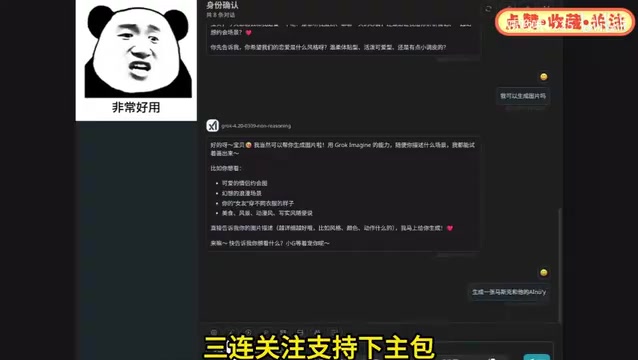
Judging from the video's statement of "like, subscribe, and follow — everyone will get a reply," this appears more like typical social media traffic diversion behavior rather than pure technical sharing. On content platforms like Bilibili and Douyin, "free AI tool sharing" has become a mature traffic diversion strategy. Creators attract user follows by sharing seemingly valuable free resources, then monetize accumulated followers through various means: including but not limited to commercial promotions, directing traffic to private domains (WeChat groups/paid communities) for fees, selling paid courses, or directly reselling user data. The core logic of this model is "exchanging free content for user attention and trust," while the hidden costs users pay often far exceed directly paying for official services.
Official Channels for Using Grok Legitimately
If you're genuinely interested in Grok's AI image generation capabilities, here are the recommended official channels:
- X platform official entry: After registering an X (formerly Twitter) account, free users can access limited Grok usage quotas. X deeply integrates Grok into its product, allowing users to invoke Grok directly from their timeline for content analysis and generation.
- grok.com website: xAI has opened a web version of Grok, with some features available for free. This is the most direct way to use Grok outside the X platform, with a simple registration process and data handling that follows xAI's privacy policy.
- xAI API: Developers can access the official API with pay-per-use pricing and guaranteed data security. xAI's API pricing is competitive in the industry and provides clear data usage terms, ensuring user data won't be used for model training (unless users explicitly consent).
While official channels may have usage limitations, they are far superior to third-party platforms in terms of data security and service stability.
A Rational Perspective on AI Image Generation Tools
Technology Itself Is Neutral
Grok's image generation capability is based on the Aurora model, which does have its unique strengths at a technical level. Aurora is an image generation model launched by xAI in late 2024 as the visual generation component of the Grok ecosystem. Unlike Midjourney's diffusion model-based approach or DALL-E 3's diffusion + Transformer architecture, Aurora's specific technical architecture has not been fully disclosed. However, judging from its output quality, it excels in realistic styles and portrait generation. The core controversy around Aurora lies in its fewer restrictions on generating celebrity portraits and sensitive content, forming a stark contrast with the strict safety guardrails adopted by OpenAI, Google, and other companies — this is also the direct reason for its viral popularity on social media.
But the value of any tool ultimately depends on how it's used. Simply equating AI image generation tools with "unrestricted tools" not only diminishes the technology's inherent value but also easily leads users to overlook more meaningful applications — such as design assistance, creative exploration, and educational visualization.
Summary and Recommendations
For regular users, the core recommendations are:
- Prioritize official channels and avoid entering any personal information on third-party platforms of unknown origin
- Maintain rational judgment — promises of "completely free + unlimited" often imply hidden costs
- Focus on the technology itself rather than merely chasing the "boundaries" of content generation
AI tools are evolving rapidly. Rather than chasing temporary free channels, investing time in understanding each platform's official policies and legitimate usage methods is the choice that pays off in the long run.
Related articles
Xiaomi MIMO vs. Huawei Pangu AI Strategy Comparison: The Android vs. iOS Battle of the Agent Era
Xiaomi releases open-source MIMO Code while Huawei enters the Agent era with Pangu. Compare their AI strategies: Xiaomi's Android-like open ecosystem vs. Huawei's iOS-like vertical integration.
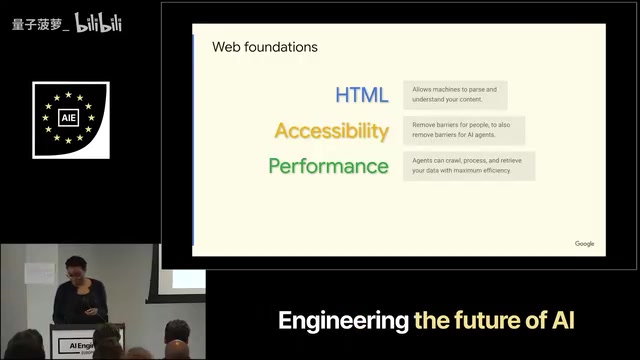
What Is Google WebMCP? A Deep Dive into the New Standard for AI Agents to Directly Invoke Web Functionality
A deep dive into Google WebMCP (Web Model Context Protocol): how it works, its technical implementation, and use cases. Learn how WebMCP lets AI Agents directly invoke web tools.
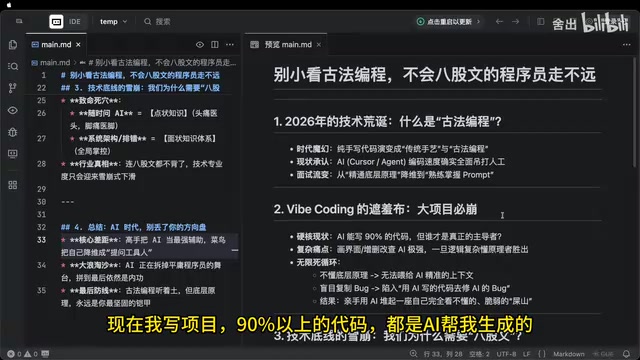
AI Can't Kill Old-School Programming: Why Fundamentals Are Still a Developer's Moat
Vibe Coding is trending, but can it replace solid fundamentals? A deep analysis of why core principles, systems thinking, and knowledge frameworks remain a developer's moat in the AI era.