Frontend to AI Agent Architect: A Complete 3-Month Learning Roadmap
A 3-month roadmap for frontend engineers to transition into AI Agent architecture and development.
This article outlines a complete 3-month learning roadmap for frontend engineers looking to transition into AI Agent development. It covers solidifying frontend fundamentals, mastering core AI concepts like Tool Use, MCP, and CoT, practical model selection strategies, building AI-powered team productivity workflows, and developing full Agent projects — all aimed at landing high-paying offers in the emerging Agent Engineer role.
Introduction: The Tipping Point for Frontend Roles
Pure frontend positions are shrinking fast — this is no longer a prediction, it's happening right now. Open any job board and you'll notice that more and more frontend roles come with AI-related requirements — either experience in intelligent agent development or the ability to boost team productivity using AI tools.
For frontend engineers with 3–5 years of experience, the market looked promising when they started, but the winds have shifted completely. Rather than stressing about it, it's better to proactively plan your transition. This article provides a systematic learning roadmap and skill tree for frontend engineers transitioning into AI Agent development, helping you build the competence to land a 30K–50K offer within 3 months.
Frontend Fundamentals: The Foundation You Can't Skip
Before talking about an AI transition, one thing must be clear: a solid frontend foundation remains the bedrock of your competitiveness. Without it, AI skills are castles in the air.
The Big Three and Framework Proficiency
Here's a key detail worth noting: among the foundational trio, the emphasis is on HTML + CSS + TypeScript — not JavaScript. TypeScript has become the standard in modern frontend development, and its type system is critical for managing complex data flows in AI-related projects.
On the framework side, pick React or Vue (or master both), but the expected depth goes far beyond just "being able to use it":
- Ability to independently build components and component libraries
- Ability to clearly explain core framework principles and source code logic
- Understanding of the engineering philosophy behind framework design
Engineering Practices and Team Infrastructure
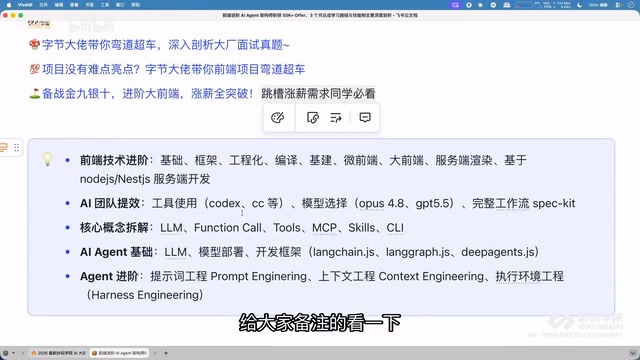
Engineering capabilities cover the build systems of Webpack and Vite, compiler fundamentals, and the full picture of team infrastructure. Team infrastructure includes but is not limited to:
- Component libraries, chart libraries, and utility libraries — building and maintaining them
- Frontend stability systems: monitoring, alerting, and error tracking
- AI-powered productivity toolchains (this is now considered part of infrastructure)
Interestingly, the traditional "rote memorization" style interview questions are no longer the focus. Interviewers care more about your hands-on experience with team productivity improvements and AI Agent development.
AI-Powered Team Productivity: The First Required Module for Transitioning
Core Concept Framework
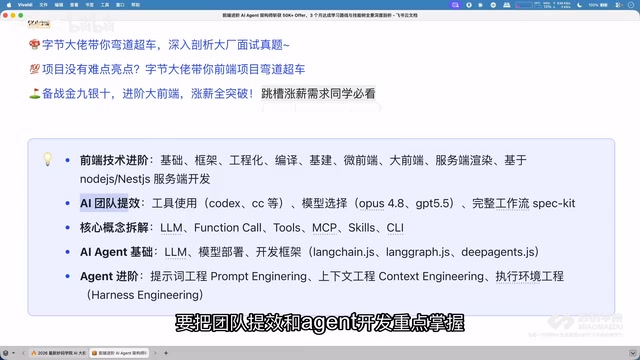
To transition into the AI Agent space, you first need to build a comprehensive conceptual framework. The following concepts are absolutely essential:
- Model: Understanding the capability boundaries and applicable scenarios of different large language models
- Tool Use / Function Calling: Enabling models to perform external operations
- MCP (Model Context Protocol): A standardized way for agents to interact with external systems
- Skill: Encapsulating specific capabilities into reusable skill units
- CoT (Chain of Thought): Chain-of-thought reasoning — a key technique for improving a model's complex reasoning ability
These concepts aren't isolated knowledge points; they form the foundational vocabulary of AI-powered development. Without understanding them, you can't design a sound Agent architecture.
Practical Model Selection Experience
In team productivity scenarios, model selection is an extremely practical problem — it's not about picking the most expensive one, but the most suitable one. Here's a selection strategy based on real-world experience:
| Scenario | Recommended Model | Rationale |
|---|---|---|
| Copywriting | Doubao | Best Chinese language feel, great cost-effectiveness |
| Solution design & architecture planning | GPT-4.8 | Strong logical reasoning and systematic thinking |
| Complex code generation & autonomous execution | GPT-5.5 | High-quality code generation, handles complex tasks |
| Repetitive / template-based work | DeepSeek V4 | Low cost, good enough for simple tasks |
The key principle: use the right model at the right stage — save tokens without sacrificing quality. GPT-4.8 is powerful but burns through tokens; DeepSeek V4 is cheap but underperforms in complex scenarios. Smart model orchestration is itself an architectural skill.
Standardizing the Development Workflow
Team productivity isn't simply about "using AI to write code" — it's about making the entire development workflow fixed and process-driven. Specific practices include:
- Rule-driven workflows: For example, using Cursor's Spec rules or other IDE configuration files to codify team coding standards and architectural conventions into AI-understandable instructions
- Encapsulating existing development processes as Skills: This is what's known as Harness Engineering — transforming a team's accumulated best practices into standardized capabilities that agents can invoke
Agent Development: The Core Differentiator in Interviews
If team productivity is "defense" (proving you can keep up with the times), then Agent development is "offense" (proving you can create incremental value).
From Frontend Engineer to Agent Engineer
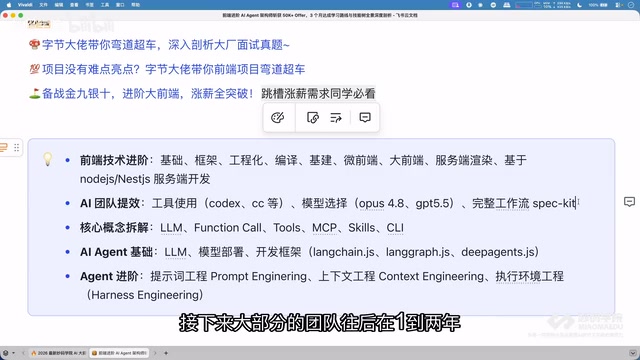
Here's a thought-provoking prediction: over the next 1–2 years, the boundary between frontend and backend will blur further, eventually converging into a unified "Agent Engineer" role. The traditional frontend/backend division is based on tech stack boundaries, but Agent development is inherently full-stack — you need to understand the complete chain of frontend interaction, backend services, model invocation, and tool orchestration.
For frontend engineers, this is both a challenge and an opportunity. Frontend developers have natural advantages:
- User interaction design skills: An Agent's value is ultimately delivered through the user interface
- State management experience: Multi-turn conversations and context management in complex Agents share similarities with frontend state management
- Engineering mindset: Component-based, modular thinking translates directly to Agent Skill design
Expanding Your Tech Stack
On top of frontend fundamentals, transitioning to AI Agent development requires building the following capabilities:
- Server-side development: Backend development skills with Node.js or Nest.js — the foundation for deploying Agent services
- Model deployment and invocation: Not just calling APIs, but understanding the basics of model deployment
- Hands-on experience with major LLMs: International models like the GPT series, Claude, and Gemini, as well as domestic models like Doubao, Qwen, and DeepSeek — you need to have actually used them and understand their pricing, strengths, weaknesses, and applicable scenarios
3-Month Learning Roadmap: Phased Plan from Frontend to AI Agent
Based on the analysis above, the 3-month journey can be broken into three phases:
Month 1: Solidify Fundamentals + AI Concept Onboarding
- Fill gaps in core frontend skills (TypeScript, framework internals, engineering practices)
- Systematically learn core AI concepts (Models, Tool Use, MCP, CoT)
- Try out major LLMs and build intuitive judgment
Month 2: Team Productivity in Practice
- Set up an AI-assisted development workflow
- Practice rule-driven code generation
- Complete at least one team productivity tool
Month 3: Agent Development + Interview Prep
- Complete a full Agent project (with multi-tool invocation and context management)
- Distill project highlights and prepare to articulate your technical approach
- Conduct targeted mock interviews
Final Thoughts
The market is shifting aggressively, but from another perspective, this is precisely the window for frontend engineers to leapfrog ahead. AI Agent development hasn't yet formed a mature talent pipeline, and frontend engineers who can quickly fill in AI skills will have a scarcity advantage in the market.
The key takeaway: don't invest your skill points in the wrong tree. Channel your limited study time into core competencies like model selection, tool invocation, and Agent architecture — not into endlessly grinding traditional interview trivia. The times have changed, and so should the way you allocate your skill points.
Related articles

Replit CEO on the Rise of AI-Native Developers: Future Companies Will Have Only Builders and Sellers
Replit closes $400M Series D at $9B valuation. CEO Amjad shares insights on vibe coding, Agent 4 parallel agents, cross-platform deployment, and how AI is reshaping companies and software development.
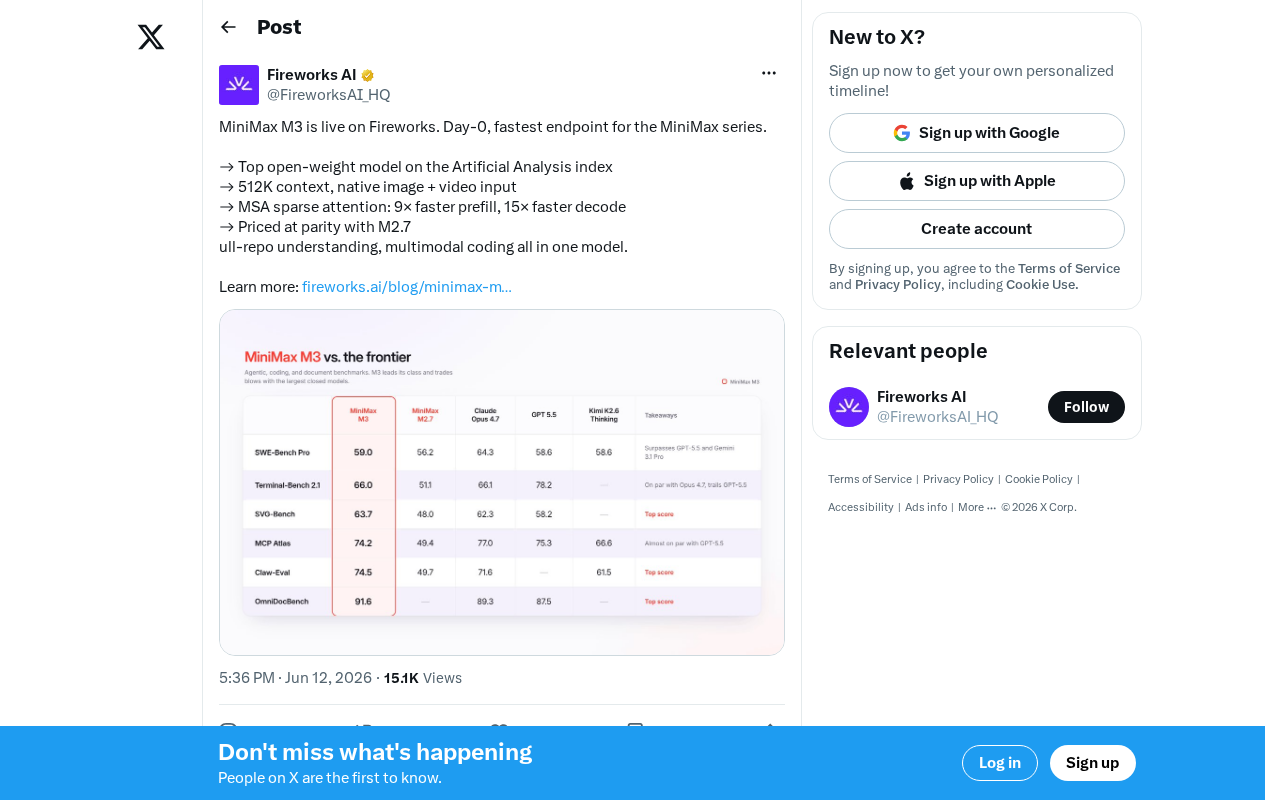
MiniMax M3 Launches on Fireworks: 512K Context and MSA Sparse Attention Explained
MiniMax M3 launches on Fireworks with 512K context and multimodal input. MSA sparse attention delivers 9x prefill and 15x decode speedups. Deep dive into architecture, pricing, and open-model competition.
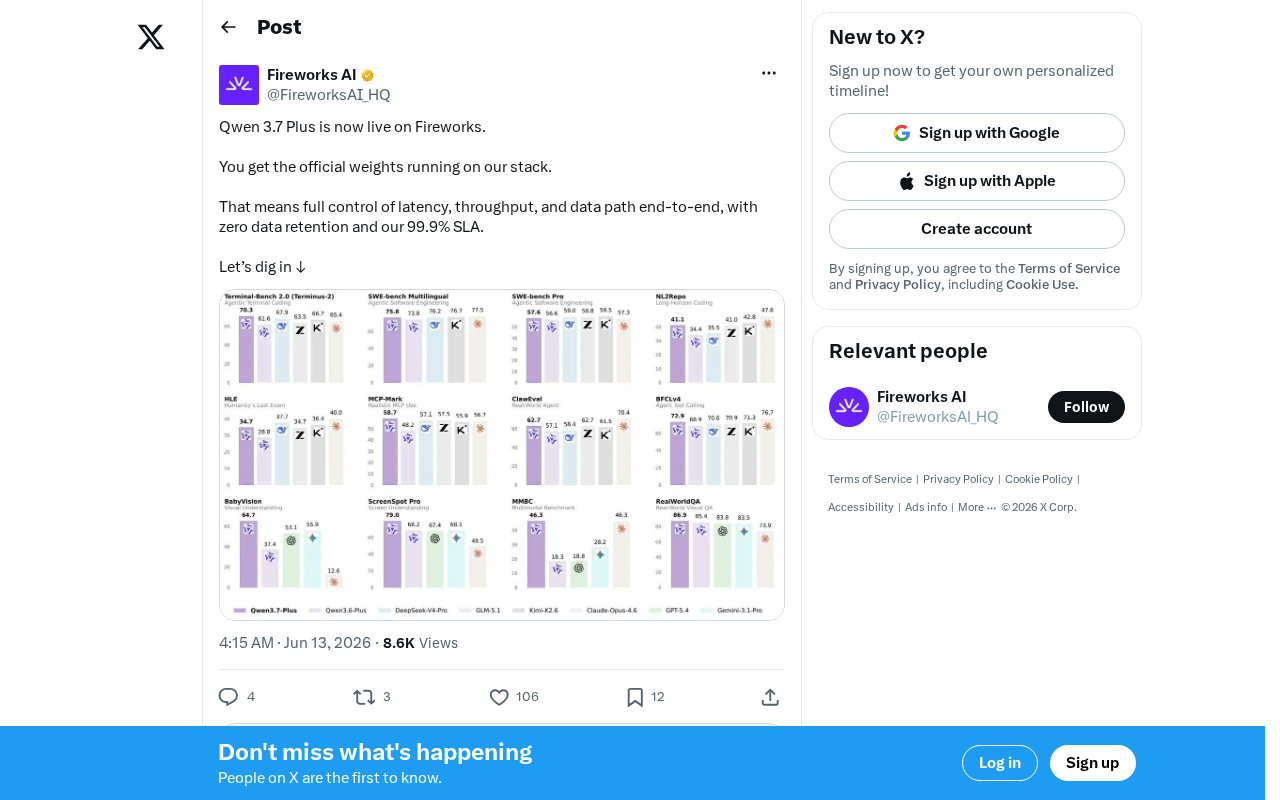
Fireworks AI Launches Qwen 3.7 Plus: Zero Data Retention and 99.9% SLA for Enterprise Deployment
Fireworks AI launches Qwen 3.7 Plus with latency/throughput optimization, zero data retention, and 99.9% SLA enterprise guarantees. Explore the full-stack deployment solution for commercial open-source model inference.