Replit CEO on the Rise of AI-Native Developers: Future Companies Will Have Only Builders and Sellers
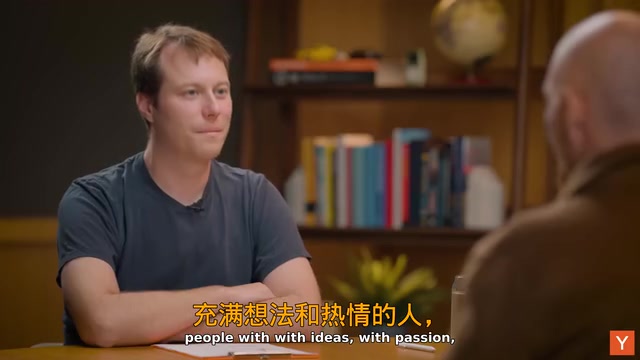
Replit CEO envisions a future where AI-native developers and domain experts replace traditional coding workflows.
Replit CEO Amjad Massad discusses the company's $9B valuation, the rise of AI-native developers, and Agent 4's parallel agents and cross-platform deployment. He argues future companies will have only builders and sellers, as domain experts increasingly build their own software using vibe coding tools, unlocking massive untapped markets across industries.
Replit just closed a $400 million Series D round at a $9 billion valuation. In a recent YC interview, CEO Amjad Massad shared his deep insights on the democratization of software development, the rise of AI-native developers, and the future shape of companies. The conversation not only reveals the logic behind Replit's transformation from a developer tool to a platform for universal creation, but also paints an exciting and thought-provoking picture of the future.
From Developer Tool to Universal Creation Platform
Amjad's founding motivation came from a counterintuitive observation: programming tools have become increasingly harder to use over the past few decades. He recalls writing his earliest code on a BASIC command line — just fire up the interpreter and start programming. But by the time he graduated from college, setting up a web application had become a nightmare — the complexity of configuring toolchains like React and Webpack far exceeded the programming itself.
Replit spent ten years gradually solving this problem: first tackling development environment configuration, then deployment environments, and finally launching the industry's first "vibe coding" product, which fully abstracts away the code. Users simply interact with AI using natural language, while coding agents handle all the technical work behind the scenes.
A pivotal strategic shift happened in 2023. The Replit team discovered that the people getting the most value from the product weren't traditional developers — those folks actually enjoyed configuring environments, much like craftsmen who prefer building their own tools. The true core users were "tech-adjacent" people: product managers who had written code years ago, designers blocked by engineering bottlenecks, and entrepreneurs full of passion but shut out by technical barriers.
"We're no longer chasing developers. If you walk into Replit today, it still looks like a developer tools company. But we're building for creators — a generation of AI-native developers is rising, people who can create software without needing to understand every component of the system."
Real-World Cases: Domain Experts Building Industry Applications with Replit
Amjad shared several impressive examples of what happens when domain experts gain the ability to build software.
A physical therapist with deep expertise in a niche specialty needed an app that could scan the body, track range of motion, and display results on a 3D model. She and her husband had previously spent hundreds of thousands of dollars outsourcing to developers around the world, with frustrating results. They eventually built it themselves on Replit, creating what Amjad called "one of the best health-tech apps I've ever seen."
Similar stories abound: a founder from a family pool maintenance business building vertical SaaS; a sports club software developer who discovered clients were still using MS-DOS-based systems; a mother in South Korea who built management software for her child's rare medical condition.
This reveals a massive market blind spot: Silicon Valley keeps asking "what else can we build," but countless industries in the real world are still using extremely outdated tools. When anyone can create software, vast overlooked corners of the economy will see improvement.
Agent 4 Core Features: Parallel Agents and Cross-Platform Deployment
Replit's product iteration cadence stays in sync with the step-function leaps in AI capability — roughly a new Agent version every six months. The latest Agent 4 brings several major breakthroughs:

Parallel Agents: Previous autonomous agents had a pain point — you'd submit a large task and then just sit there watching it work. Agent 4 allows users to launch multiple agent threads simultaneously: one building features in the background, another handling design tasks, while the user plans next steps on the canvas. This creates a "flow state" experience.
Built-in Design Canvas: Replit introduced a visual design interface where users can do drag-and-drop design exploration while agents build in parallel. Once the design is finalized, push it into a new thread to start building.
Team Collaboration: The parallel agents architecture naturally supports multi-user collaboration — each person who joins a session can fork an independent virtual machine to work in parallel, with an orchestrator handling task assignment and merge conflicts.
Cross-Platform Deployment: Most excitingly, web apps built on Replit can now generate mobile apps with one click and deploy to TestFlight. Websites, mobile apps, presentations — all outputs share the same project context. Amjad's vision: you can run an entire company on Replit.
What Skills Matter in the Post-Prompt Era?
When asked what skills people need to develop to fully leverage these tools, Amjad gave a surprising answer: we're moving toward a "post-prompt" world.
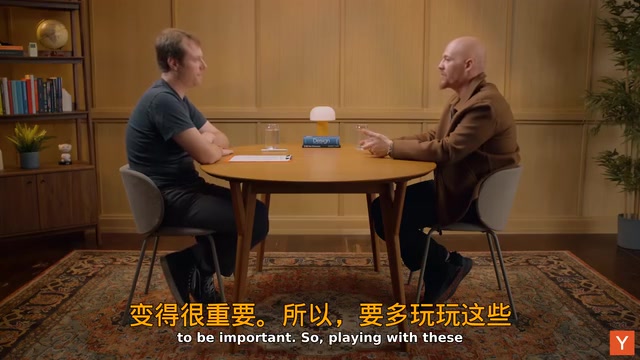
Users are increasingly giving high-level goals like "optimize my marketing funnel" rather than precise technical instructions. He even predicts that in future versions, users should be able to tell Replit: "Run a SaaS company for me every day, try marketing strategies, see what works, and generate revenue for me."
He believes the truly important skills include:
- Understanding the boundaries of what's possible: Use these tools extensively, maintain a playful mindset, and stay current with the latest developments in AI
- Don't give up too easily: What AI can't do today might work if you try again a month later
- Idea generation ability: Continuously think about problems that need solving and stay creative. Indie entrepreneurs like Peter Levels know that products often have lifecycles, requiring a constant stream of new ideas
- Business intuition: Understanding customers, understanding economics, understanding where the world is heading
Technical Bottlenecks in AI Coding: Computer Use and Continual Learning
On the technical side, Amjad candidly identified two areas where he's been waiting for breakthroughs:

Computer-Use Models: Surprisingly, getting AI to operate a mouse and click through interfaces has been much harder than expected. Amjad finds this somewhat baffling — if self-driving cars can make progress, operating a computer interface should be simpler. Coding agents have in some sense become a "workaround," since many tasks that need to be done on a computer can be accomplished through code. But vast amounts of legacy software still require computer-use agents to handle.
Continual Learning: The current approach has agents write learned skills into files (like skill.md), but true "on-the-job learning" hasn't been achieved yet. If you could deploy an agent within an organization and have it automatically improve with use, that would be a transformative capability.
The Future Company: Only Two Roles — Builders and Sellers
The most thought-provoking part of the interview was Amjad's prediction about the future shape of companies: companies will consist of only Builders and Salespeople.
The sales role will evolve into evangelists and educators — helping other companies understand and adopt new technologies. This role won't disappear because people still trust humans and still need to learn from people.
Builders' work will continuously evolve toward higher levels of abstraction. Amjad used an elegant analogy: "computer" originally referred to humans who performed calculations. Then we packed an entire room of human computers into a box, and the operator's job became using the computer. Now we have agents that use computers, and the abstraction level has risen yet another layer.
Replit is already practicing this model internally. They have a "vibe coding residency team" with a deliberately vague mission: walk around the company and make everything better. This team visited the support department, discovered issues with ticket prioritization, and built visualization tools; they went to HR, found pain points in the onboarding process, and built an internal HR platform. CSAT scores have been rising steadily as a result.
"The abstract vision for future companies is this: almost everyone is a founder. They wake up in the morning thinking 'how do I make the company more successful,' then look for problems within the company and create or dispatch agents to solve them."
Core Startup Methodology Replit Learned from YC
Amjad was rejected by YC three or four times before being invited after Paul Graham and Sam Altman noticed them on Hacker News. The biggest lesson YC gave him was that what you can accomplish in three months far exceeds what you imagine. When they entered YC, Replit was just a command-line tool; three months later, it had a full IDE with web development, hosting, and code intelligence.
This "sprint" culture continues to this day — every Agent release is a four-week intensive sprint with everyone in the office, meals provided around the clock, pushing toward extremely aggressive goals. Another YC classic — 7% compound weekly growth — remains Replit's core methodology when launching new product lines.
This interview shows us that the democratization of software development isn't just a technology trend — it's a profound economic transformation. When the people closest to problems can directly build solutions, when anyone with an idea can become a "developer," we're entering an era where software creativity is fully unleashed.
Related articles

Frontend to AI Agent Architect: A Complete 3-Month Learning Roadmap
How can frontend engineers transition to AI Agent development? A systematic 3-month roadmap covering AI concepts, model selection, team productivity, and Agent architecture.
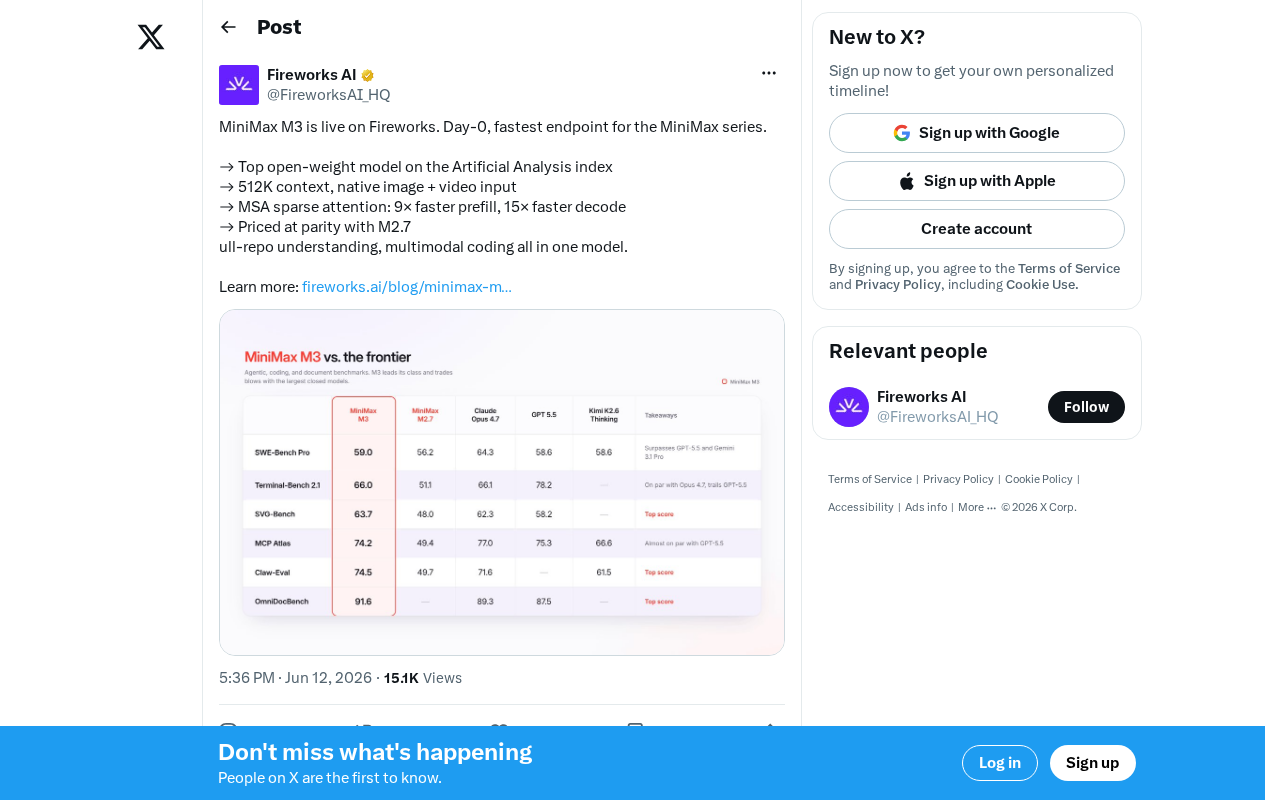
MiniMax M3 Launches on Fireworks: 512K Context and MSA Sparse Attention Explained
MiniMax M3 launches on Fireworks with 512K context and multimodal input. MSA sparse attention delivers 9x prefill and 15x decode speedups. Deep dive into architecture, pricing, and open-model competition.
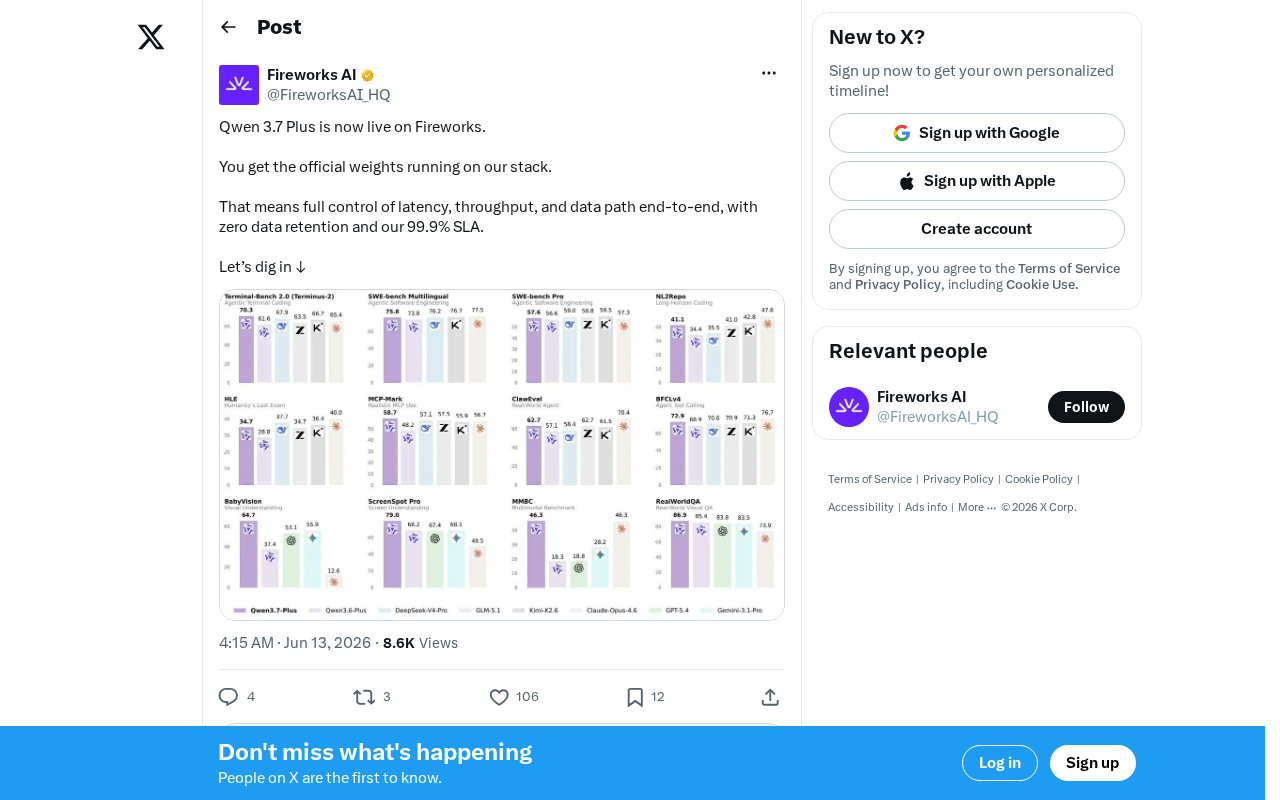
Fireworks AI Launches Qwen 3.7 Plus: Zero Data Retention and 99.9% SLA for Enterprise Deployment
Fireworks AI launches Qwen 3.7 Plus with latency/throughput optimization, zero data retention, and 99.9% SLA enterprise guarantees. Explore the full-stack deployment solution for commercial open-source model inference.