Gemini Notebooks Feature Officially Launches in Europe: Full Rollout Complete
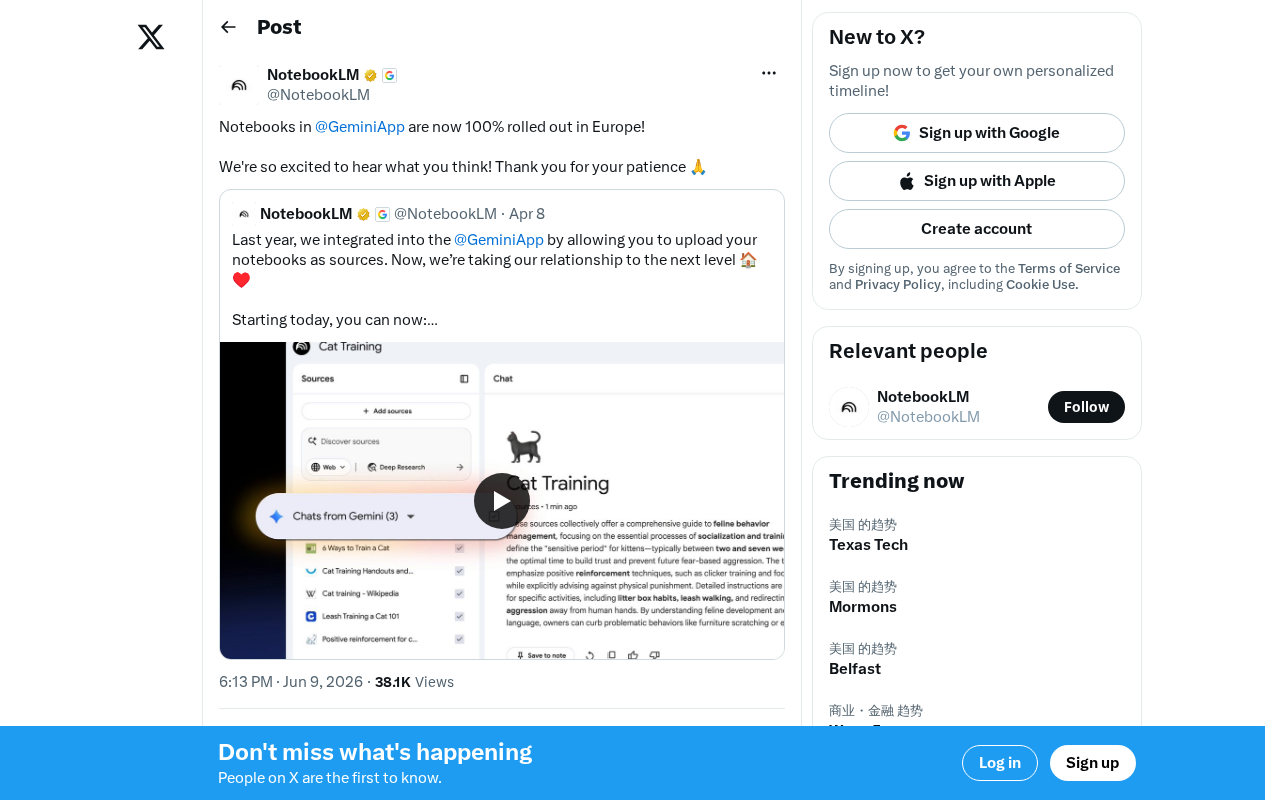
Google completes full European rollout of Gemini Notebooks, marking a key AI compliance milestone.
Google has announced the complete rollout of the Notebooks feature in its Gemini App across Europe. This persistent AI workspace enables structured knowledge management, long-form content creation, and project organization. The launch is significant given Europe's strict GDPR and EU AI Act requirements, and positions Gemini more competitively against ChatGPT, Claude, and other rivals in the European market.
Gemini Notebooks Achieves Full Coverage in the European Market
Google recently announced that the Notebooks feature in the Gemini App has completed its 100% rollout across Europe. This means European users can finally access this highly anticipated AI tool without any restrictions.
What Are Gemini Notebooks?
Gemini Notebooks is a core feature within the Gemini App that allows users to interact with AI in a more structured, notebook-style format. Unlike traditional single-turn conversations, Notebooks provides a persistent workspace where users can organize information, structure their thoughts, create long-form content, and manage knowledge.
From a technical perspective, traditional conversational AI operates in a session-based mode, with fixed context window limitations per conversation and context information that typically isn't persisted or reused across sessions. The core innovation of Notebooks lies in introducing a persistent context management mechanism — user inputs, AI outputs, and intermediate editing processes are all saved in a continuously accessible workspace. This is similar to upgrading from instant messaging to document collaboration, where AI can understand the evolution of user intent over longer time spans. This involves long-term memory management, Retrieval-Augmented Generation (RAG), and incremental processing capabilities for large-scale text, placing higher demands on the underlying model's context window length and information retrieval precision.
This feature had previously launched in markets like the United States, but due to Europe's strict data privacy regulations (such as GDPR), Google's AI feature rollouts in Europe typically require longer compliance review cycles. This full launch marks a milestone in Google's efforts to balance AI innovation with privacy compliance.
It's worth noting that the Gemini App itself is the AI assistant application Google launched in early 2024 after rebranding its former Bard chatbot, built on Google's latest Gemini series of large language models. Google's strategic intent is to position Gemini as the core AI entry point for users' daily digital lives, forming a three-way competitive landscape with Apple Intelligence and Microsoft Copilot. Notebooks is a key feature module in this strategy for increasing user engagement.
The Special Significance of the European Market
A Regulatory Compliance Milestone
Europe has long been one of the world's strictest regions for AI regulation. From GDPR to the soon-to-be-fully-implemented EU AI Act, tech giants face higher compliance thresholds when launching AI features in Europe. Several of Google's AI features have experienced delayed launches in Europe, including the initial rollout of Bard (Gemini's predecessor), which arrived later than in other markets.
GDPR (General Data Protection Regulation) took effect in May 2018 and is one of the world's most influential data privacy regulations. It grants European citizens extensive control over their personal data, including the right to access, the right to erasure (right to be forgotten), and the right to data portability. For AI services, GDPR poses particular challenges: AI model training requires vast amounts of data, while GDPR mandates that data processing must have a clear legal basis, and users have the right to refuse automated decision-making. Non-compliant companies may face fines of up to 4% of global annual revenue or €20 million (whichever is higher) — Italy's data protection authority briefly banned ChatGPT in 2023, a real demonstration of this enforcement power.
The EU AI Act officially entered into force in August 2024 and is the world's first comprehensive legislation regulating AI systems. The act adopts a risk-based tiered regulatory framework, classifying AI systems into four levels: unacceptable risk (directly prohibited), high risk (requiring strict compliance), limited risk (requiring transparency obligations), and minimal risk (essentially unrestricted). General-purpose AI models like Gemini must also meet additional transparency requirements, including disclosing training data summaries and complying with copyright law. The act will be fully implemented in phases between 2025 and 2026, binding all companies offering AI services in the EU market.
The full coverage of the Notebooks feature indicates that Google has completed the necessary data processing assessments and privacy impact analyses, paving the way for more AI features to launch in Europe going forward.
Shifts in the Competitive Landscape
In the European market, Google Gemini faces fierce competition from OpenAI's ChatGPT, Anthropic's Claude, and other rivals. Timely feature parity is crucial for user retention. The launch of Notebooks helps Gemini deliver a more complete product experience in Europe, narrowing the feature gap with competitors.
The competitive landscape for AI assistants in Europe has unique characteristics. Due to the strict regulatory environment, different AI companies launch products at varying paces, creating periodic competitive windows. OpenAI's ChatGPT has accumulated a large user base in Europe through its first-mover advantage, though it has also faced regulatory challenges over privacy concerns. Anthropic's Claude, known for its safety features and long-text processing capabilities, has gradually gained recognition among European enterprise users. Notably, Mistral AI, as a French-native AI company, holds a natural advantage among data sovereignty-sensitive customers with its "Made in Europe" identity. Additionally, Meta's Llama open-source models are widely used in the European developer community. Google needs to consolidate its market position in this diverse competitive environment through feature completeness and ecosystem integration advantages, and Notebooks represents an important step in product differentiation.
Practical Impact for Users
European users can now leverage Gemini Notebooks for the following use cases:
- Knowledge Organization: Consolidate key information from multiple conversations into a single notebook, forming a structured knowledge base
- Long-form Content Collaboration: Progressively refine articles, reports, and other long-form content within a notebook, with AI providing more precise suggestions based on context
- Project Management: Create different notebooks by project or topic, keeping workflows clear and organized
Looking Ahead
Google expressed anticipation for user feedback in its official post, suggesting that the Notebooks feature is still undergoing continuous iteration. As the European user base expands, Google will gain more feedback data from diverse cultural contexts and use cases, potentially driving further feature optimization.
It's worth watching whether Google will roll out more advanced features in the European market that complement Notebooks, such as deep integration with Google Workspace, multimodal notebook support, and more. These will become key differentiators for Gemini's competitive positioning in Europe. Meanwhile, as the EU AI Act enters full phased implementation between 2025 and 2026, whether Google can keep its AI feature iteration pace competitive in Europe will largely depend on the collaborative efficiency between its compliance and product teams.
Key Takeaways
Related articles
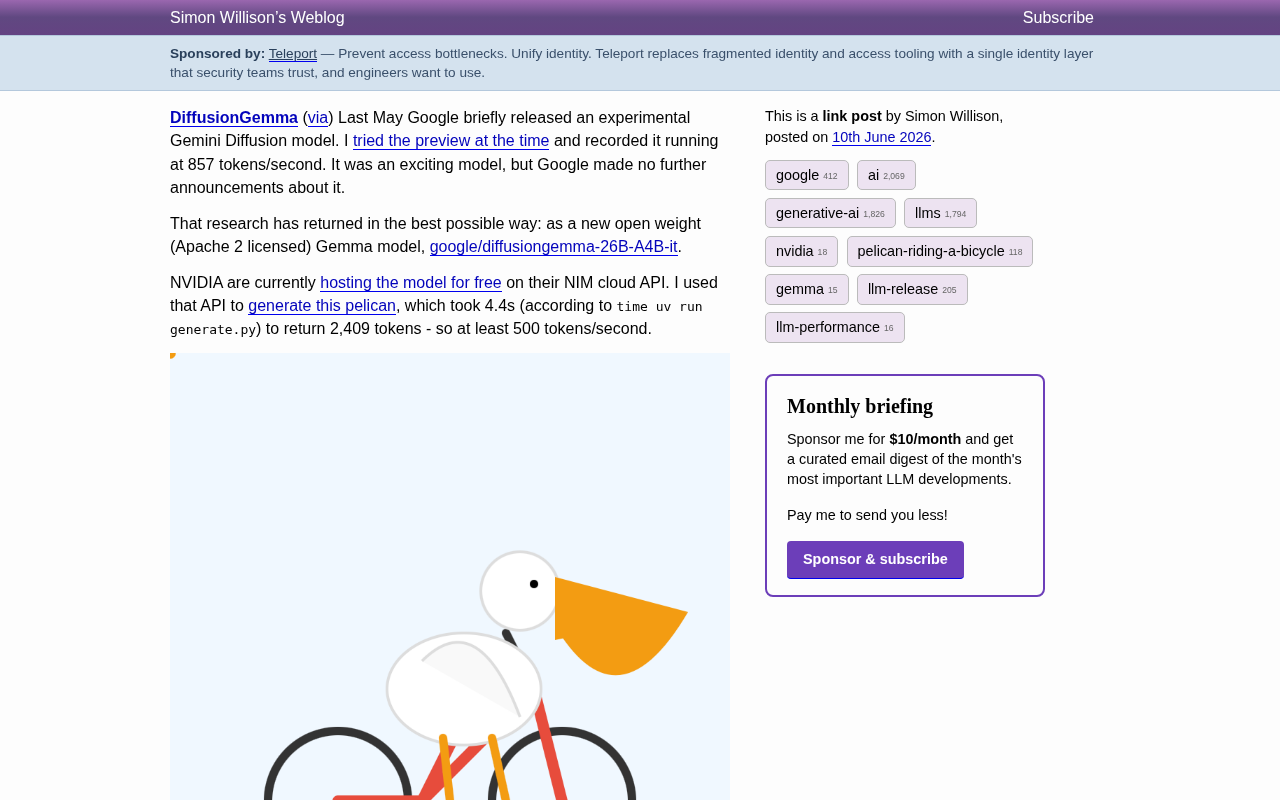
DiffusionGemma: Google's Open-Source Diffusion Language Model Exceeding 500 Tokens/s
Google releases DiffusionGemma, an open-source diffusion language model with Apache 2.0 license. The 26B-parameter MoE model achieves over 500 tokens/s in real-world tests.
Reviving a 28-Year-Old Quake 2 Custom …
Reviving a 28-Year-Old Quake 2 Custom Map with AI: New Possibilities in Digital Archaeology
A developer used AI tools to revive a 28-year-old Quake 2 custom map as a browser game, showcasing AI's new role in digital heritage restoration and game preservation.
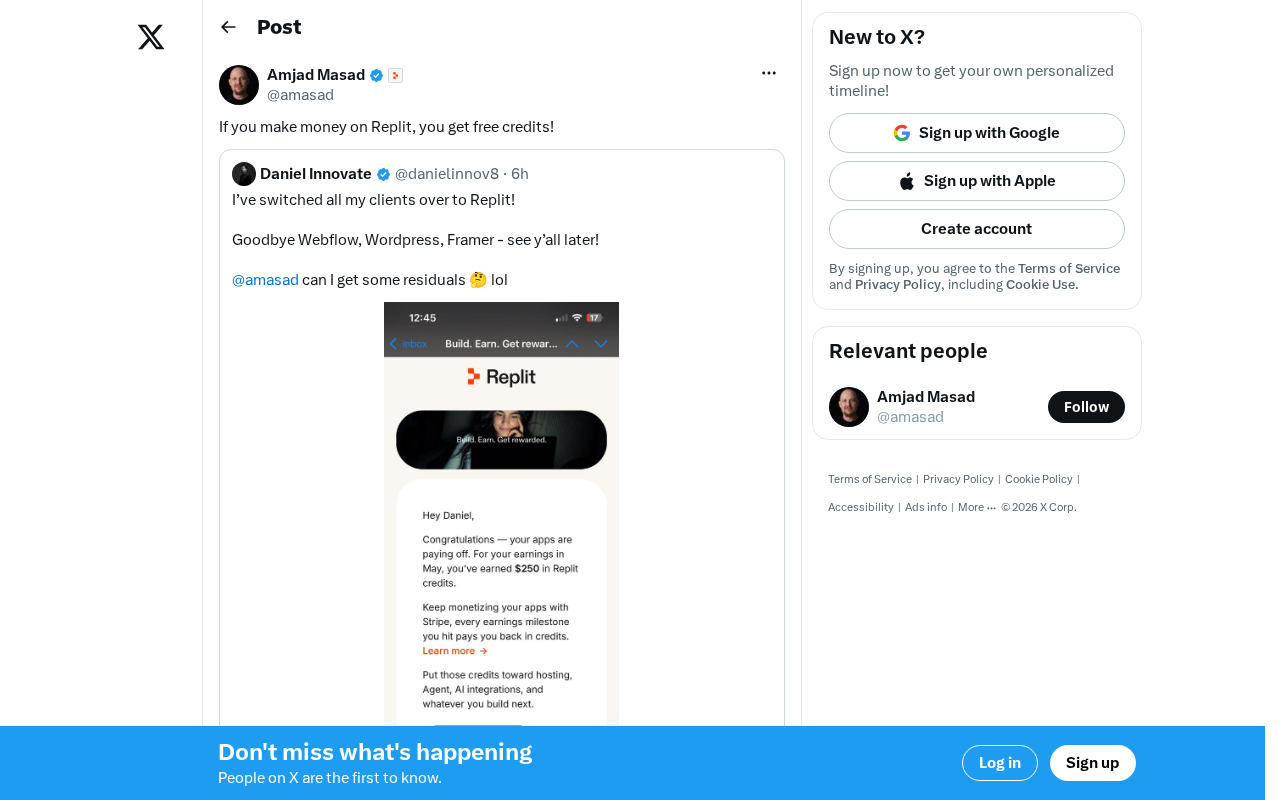
Replit's Revenue Incentive Policy Explained: Earn Money on the Platform, Get Free Credits
Replit's new revenue incentive policy gives developers free credits when they earn money on the platform. A deep dive into its impact on indie developers and the AI platform landscape.