Getting Started with AI Agent Development: A Three-Stage Learning Roadmap Explained
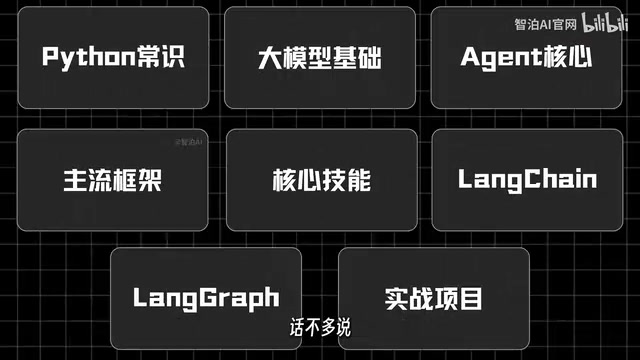
A three-stage learning roadmap for AI Agent development: from foundations to core skills to hands-on projects.
This article outlines a structured three-stage learning path for AI Agent development. Stage one covers Python and LLM fundamentals. Stage two focuses on five core Agent capabilities: task planning, tool use, memory management, self-reflection, and context optimization, along with frameworks like LangChain and LangGraph. Stage three emphasizes hands-on practice through progressive projects, with RAG knowledge bases recommended as the ideal starter project.
Introduction
With the rapid advancement of large language model technology, AI Agents have become one of the hottest technical directions today. More and more developers and career changers want to master Agent development skills, but faced with a bewildering array of concepts and tools, many don't know where to start and repeatedly stumble.
Recently, an Agent development tutorial on Bilibili gained attention for proposing a three-stage learning roadmap from zero to one. This article will build on that content, combined with real industry insights, to outline a clear learning path for Agent development along with some practical advice.
What Is an AI Agent? Why Is It Worth Learning?
Simply put, an AI Agent is an intelligent system capable of autonomously perceiving its environment, making plans, invoking tools, and completing complex tasks. Unlike traditional chatbots, an Agent can not only "converse" but also "act" — it can decompose tasks, call APIs, read and write files, search the web, and even self-reflect and self-correct.
From an industry trend perspective, Agents are becoming the core form factor for deploying large language models in production. Whether it's enterprise internal automation, intelligent customer service, or productivity tools built by individual developers, Agents have demonstrated enormous application potential. Mastering Agent development skills carries high practical value for both career transitions and business implementation.
Stage One: Building a Solid Foundation
Python and LLM Basics
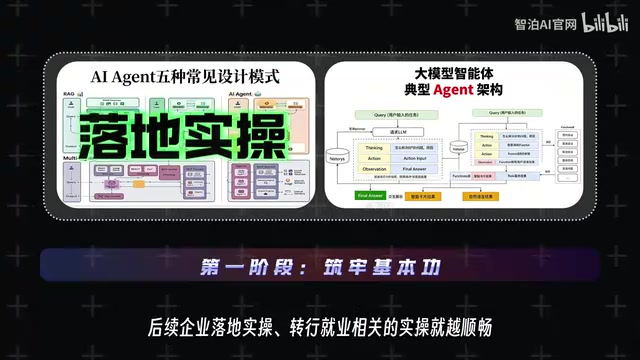
Every tall building starts from the ground up, and the first step in Agent development is laying a solid foundation. There are three core modules to master:
- Python programming fundamentals: Agent development is nearly inseparable from Python. Focus on mastering commonly used concepts like data structures, functions, classes, and asynchronous programming — you don't need to become a Python expert.
- LLM foundational concepts: Understand basic concepts like Prompt Engineering, tokens, context windows, and API calls — these are prerequisites for interacting with large models.
- Core Agent terminology: Get clear on the meanings and relationships of key concepts like Agent, Tool, Memory, Chain, and Graph.
Understanding Agent Core Characteristics and Mainstream Frameworks
Beyond basic concepts, you need to understand what distinguishes Agents from ordinary LLM applications — their core traits of autonomy, planning capability, and tool-use ability. Additionally, familiarize yourself with the design philosophies and applicable scenarios of current mainstream frameworks (such as LangChain, LangGraph, AutoGen, CrewAI, etc.) to lay the groundwork for future technology selection.
This stage may seem "boring," but as the original video emphasizes: "The more solid this step is, the smoother your enterprise deployment and hands-on practice will be later." Many people rush into projects only to stumble repeatedly — the root cause is often a weak foundation.
Stage Two: Mastering Core Skills and Tools
The Five Core Capabilities of an Agent
This is the most critical part of the entire learning roadmap. A mature Agent needs to possess the following five core capabilities:
- Task Planning: The Agent can decompose complex tasks into executable sub-steps and formulate a reasonable execution order. This is the core manifestation of an Agent's "intelligence."
- Tool Use: The Agent can invoke external tools as needed — such as search engines, database queries, code executors, and API endpoints — greatly expanding its capability boundaries.
- Memory Management: This includes short-term memory (current conversation context) and long-term memory (persistent storage of historical interaction information), giving the Agent the ability to "remember" past information.
- Self-Reflection: The Agent can evaluate the quality of its own output, identify errors, and make corrections — a key mechanism for achieving reliability.
- Context Optimization: Within a limited context window, reasonably managing and compressing information to ensure the Agent receives the most relevant input.
Hands-On with Mainstream Frameworks
With an understanding of core capabilities, you need to dive deep into the practical usage of at least one mainstream framework. Currently recommended frameworks to focus on include:
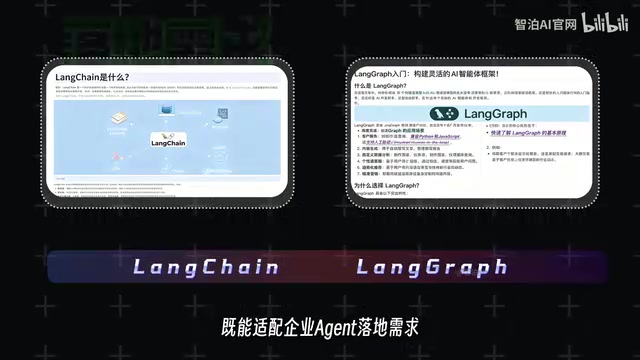
- LangChain: The most complete ecosystem and most active community, suitable for rapid prototyping.
- LangGraph: A graph-structured orchestration framework from the LangChain team, suitable for building complex multi-step Agent workflows and currently a popular choice for enterprise-level applications.
The recommendation is to start with LangChain and gradually transition to LangGraph — this way you can understand basic chain-based calls while also mastering more flexible graph-structured orchestration.
Stage Three: Hands-On Practice and Advanced Topics
A Progressive Path from Demo to Project
Practice is the only standard for testing learning outcomes. A progressive strategy is recommended for this stage:
- Simple Demos: Start by implementing small features, such as a simple Agent that can call a search tool to answer questions, or an Agent that can read local files and summarize their content.
- Simple Projects: Combine multiple capabilities to complete a relatively complete application. For example, build an information assistant that can automatically search, organize, and generate reports.
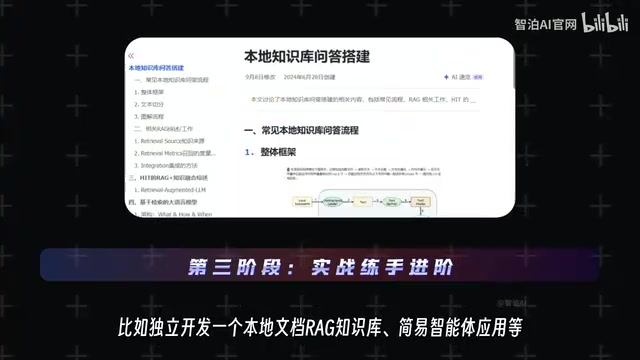
- Advanced Practice: Challenge more complex projects, such as independently developing a local document RAG knowledge base or a multi-Agent collaboration system.
RAG Knowledge Base: The Best Starter Practice Project
A RAG (Retrieval-Augmented Generation) knowledge base is one of the most recommended Agent practice projects, for three reasons:
- Broad technical coverage: It involves multiple stages including document parsing, vectorization, retrieval, and generation, providing comprehensive skill training.
- Strong enterprise demand: Almost every company adopting large models has knowledge base needs, and hands-on experience directly translates to job-ready skills.
- Demonstrable results: As a portfolio piece or interview project, a RAG knowledge base offers both technical depth and practical value.
Learning Tips and Pitfall Avoidance Guide
Based on the roadmap above, here are a few additional practical tips:
- Don't skip the basics and jump straight to frameworks: Many people start by copying LangChain example code and are completely unable to debug when problems arise. Understanding the underlying principles is what enables you to flexibly handle various scenarios.
- Follow official documentation rather than outdated tutorials: The Agent field iterates extremely fast — tutorials from six months ago may already be obsolete. Official documentation for frameworks like LangChain and LangGraph is the most reliable learning resource.
- Start small and iterate gradually: Don't try to build an "omnipotent Agent" from the start. Get a single feature working well first, then expand step by step.
- Prioritize Prompt Engineering: An Agent's performance largely depends on the quality of its system prompt design — this is a skill that requires continuous refinement.
Conclusion
AI Agent development is not out of reach — the key is finding the right learning path and sticking with it. Start with Python basics and LLM concepts, progressively master the five core capabilities including task planning, tool use, and memory management, then solidify your skills through hands-on projects like RAG knowledge bases — this three-stage roadmap of "Foundation → Skills → Practice" provides beginners with a clear and actionable growth path.
Whether you want to introduce AI capabilities into your current work or plan to transition into the AI field, Agent development is a direction well worth investing your time and energy in.
Related articles
AI Agent Development: A Complete 6-Week Systematic Learning Roadmap
A 6-week systematic learning roadmap for AI Agent development, covering core architecture, ReAct principles, multi-agent collaboration, RAG integration, and deployment.
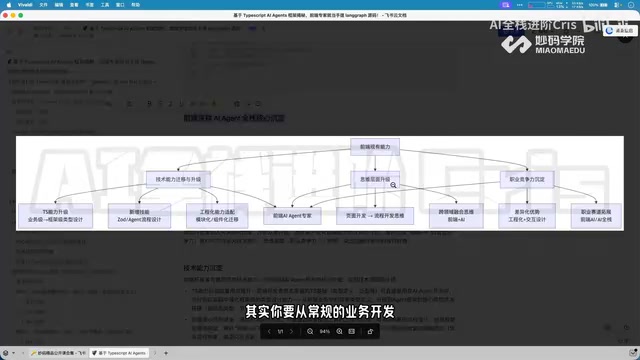
Four Core Advantages Frontend Developers Have When Transitioning to AI Agent Development
Frontend developers have key advantages for AI Agent development: TypeScript ecosystem fit, low-barrier full-stack bridging, and state management isomorphism. Learn the transition path here.
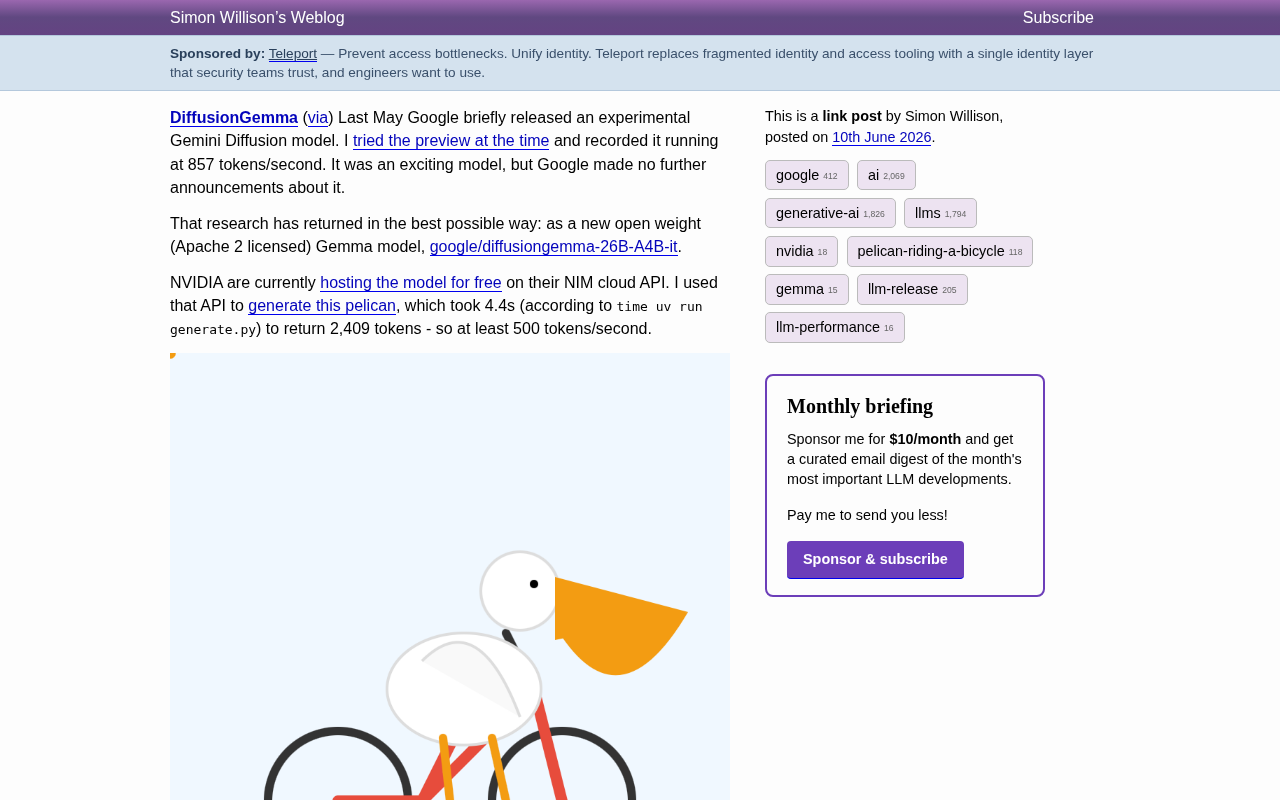
DiffusionGemma: Google's Open-Source Diffusion Language Model Exceeding 500 Tokens/s
Google releases DiffusionGemma, an open-source diffusion language model with Apache 2.0 license. The 26B-parameter MoE model achieves over 500 tokens/s in real-world tests.