Global Robotaxi Scorecard: How China Is Establishing Autonomous Driving Dominance
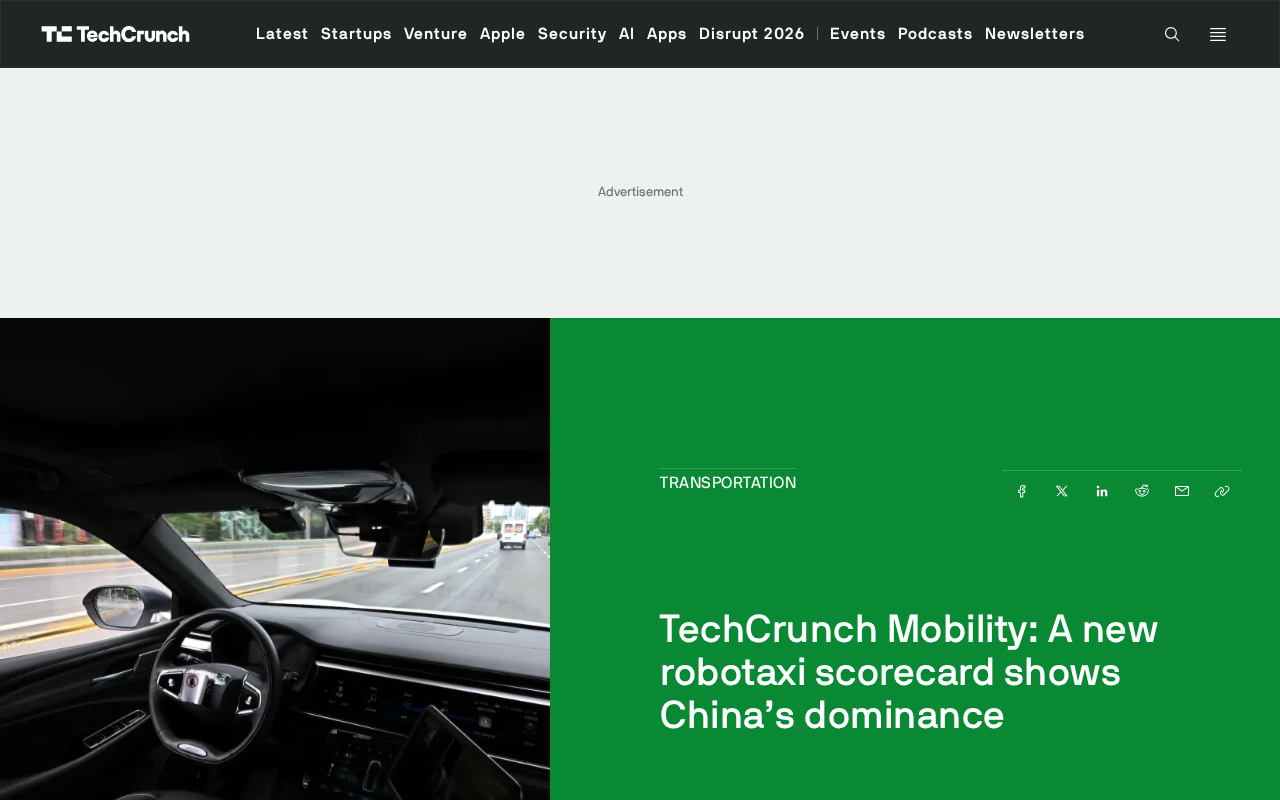
A new TechCrunch Robotaxi scorecard reveals China's commanding lead in autonomous taxi commercialization.
A new Robotaxi scorecard from TechCrunch highlights China's dominance in autonomous taxis, driven by massive commercial scale (Baidu's Apollo Go exceeding 7 million orders), strong government policy support, and a mature domestic supply chain spanning LiDAR, chips, and vehicle manufacturing. While the U.S. has Waymo's deep-city approach, China's rapid multi-city expansion creates unmatched data advantages. Profitability at scale remains the industry's core challenge.
Introduction: A New Scorecard Reveals the Industry Landscape
In the Robotaxi race, the global competitive landscape is undergoing a profound transformation. According to the latest report from TechCrunch Mobility, a new Robotaxi scorecard clearly demonstrates China's dominance in this field. This conclusion is based on a comprehensive assessment across multiple dimensions, including technological maturity, commercialization progress, policy support, and actual operational scale.
A Robotaxi scorecard is a comprehensive tool used by industry analysts to quantitatively evaluate the competitiveness of autonomous taxi companies and countries. These scoring systems typically cover several key dimensions: technological maturity (including autonomous driving levels, Miles Per Intervention/MPI, and other metrics), commercialization progress (number of operating cities, daily order volume, revenue scale), policy and regulatory environment (scope of testing permits, issuance of commercial operating licenses), safety records (accident rates, accidents per million miles), and capital and ecosystem support (funding scale, supply chain completeness). As one of the world's most influential tech media outlets, TechCrunch's scorecard carries significant industry reference value and often shapes how investors and policymakers assess the industry landscape.
Why China's Robotaxi Sector Leads the World
A Commanding Lead in Commercialization Scale
China's advantage in the Robotaxi space is most evident in the scale of its commercial operations. Led by Baidu Apollo's "Apollo Go" (萝卜快跑), China's autonomous taxi services have achieved large-scale commercial operations across multiple cities including Wuhan, Beijing, Shanghai, Guangzhou, and Shenzhen. Wuhan, in particular, has become one of the world's largest Robotaxi operating cities, with daily order volumes climbing steadily and coverage areas continuously expanding.
Apollo Go is the commercialization brand of Baidu's Apollo autonomous driving technology, officially launched in 2022. Its operating model uses an app-based ride-hailing and autonomous vehicle pickup format, offering a user experience similar to traditional ride-hailing services. By the end of 2024, Apollo Go had cumulatively provided over 7 million autonomous ride-hailing orders, making it one of the world's largest autonomous mobility service providers. In Wuhan, Apollo Go's operational coverage exceeds 3,000 square kilometers, with hundreds of vehicles in operation, and some areas have achieved fully driverless operations (no safety operator in the vehicle). The massive volume of data accumulated through such large-scale real-world operations is irreplaceable for training and optimizing autonomous driving algorithms — every real road trip provides new training samples for the system.
By comparison, while the U.S. market has Waymo steadily advancing in San Francisco, Phoenix, and other cities, Cruise suspended operations following a safety incident, and the overall pace of expansion has noticeably slowed. Waymo, a subsidiary of Alphabet (Google's parent company), is widely regarded as one of the world's most technologically mature autonomous driving companies. As of early 2025, Waymo offers commercial Robotaxi services in four cities — San Francisco, Phoenix, Los Angeles, and Austin — with weekly order volumes exceeding 150,000. Waymo's strategy is to deeply cultivate each city, ensuring extremely high safety standards before gradually expanding. Cruise, General Motors' autonomous driving subsidiary, had been aggressively pursuing commercial operations in San Francisco, but in October 2023, after a serious traffic incident (its vehicle dragged a pedestrian who had been knocked down by another vehicle for several meters), California regulators revoked its operating permit, leading to a complete operational shutdown. In 2024, General Motors announced it would cease investing in Cruise's Robotaxi business, instead integrating its technology into GM's personal vehicle driver-assistance systems. Cruise's experience starkly illustrates the devastating impact safety incidents can have on autonomous driving commercialization.
China's quantitative accumulation is translating into a massive advantage in data and algorithm iteration.
Strong Policy Support as a Driving Force
China's policy support for the autonomous driving industry at all levels of government is unmatched globally. From national-level intelligent connected vehicle development strategies, to local governments actively opening test roads and issuing operating licenses, to dedicated autonomous driving legislative initiatives, the policy framework provides end-to-end support from R&D to commercial deployment.
Specifically, China's intelligent connected vehicle policy system is a complex, multi-tiered, multi-agency collaborative architecture. At the national level, multiple ministries including the Ministry of Industry and Information Technology (MIIT), the Ministry of Public Security, and the Ministry of Transport have jointly issued the "Regulations on Road Testing and Demonstration Application of Intelligent Connected Vehicles," providing a top-level framework for nationwide testing and demonstration operations. In November 2023, four ministries including MIIT jointly issued a pilot notice for L3/L4 autonomous driving access and road operation, marking a critical step in China's regulatory framework for high-level autonomous driving. At the local level, Beijing established the nation's first high-level autonomous driving demonstration zone, and Shenzhen pioneered the "Shenzhen Special Economic Zone Intelligent Connected Vehicle Management Regulations" — the country's first intelligent connected vehicle management legislation, which clearly defines the legal status of autonomous vehicles and accident liability allocation. Wuhan is known for having the widest open road coverage and the most operational vehicles.
This model of "policy first, enterprise follows" with "central-local coordination and pilot-first experimentation" enables Chinese companies to accumulate massive operational data in real urban scenarios — precisely the core fuel for the continuous evolution of autonomous driving technology.
Significant Supply Chain Synergy Effects
China's Robotaxi competitiveness stems not just from individual companies, but from synergy effects across the entire supply chain. From LiDAR and HD maps to automotive-grade computing chips, China has built a relatively complete autonomous driving supply chain:
- LiDAR: Companies like Hesai Technology and RoboSense have risen rapidly
- Computing Chips: Horizon Robotics and Black Sesame Technologies have achieved key breakthroughs
- Vehicle Manufacturing: Economies of scale continue to drive down costs
LiDAR (Light Detection and Ranging) is one of the core sensors for autonomous vehicles, constructing high-precision 3D point cloud maps of the surrounding environment by emitting laser pulses and measuring reflection times. Hesai Technology has become the world's largest automotive LiDAR supplier by shipment volume, with products widely used in both Robotaxis and mass-produced passenger vehicles. RoboSense has made breakthroughs in solid-state LiDAR, with product costs continuing to decline. On the computing chip front, Horizon Robotics' Journey series chips have been adopted by multiple mainstream automakers, with its Journey 6 chip delivering 560 TOPS (Tera Operations Per Second) of computing power, capable of supporting real-time computation for high-level autonomous driving. Black Sesame Technologies' Huashan series chips also hold a significant position in automotive-grade AI computing. It's worth noting that autonomous driving chips must meet stringent automotive-grade certification standards (such as AEC-Q100), with requirements for temperature tolerance, reliability, and functional safety far exceeding those of consumer-grade chips, creating a substantial technical barrier.
The maturation of these supply chain components provides a solid cost foundation for the scaled deployment of Robotaxis.
In-Depth Analysis of the Global Competitive Landscape
A New Era of U.S.-China Rivalry
The current global Robotaxi market has essentially formed a U.S.-China duopoly, but the two sides employ significantly different competitive strategies:
| Dimension | U.S. Model (Waymo as representative) | China Model (Baidu as representative) |
|---|---|---|
| Expansion Strategy | Deep penetration in limited cities | Rapid expansion of city coverage |
| Core Advantage | Exceptional safety record | Scale effects to reduce costs |
| Key Challenge | Limited expansion speed | Standardizing safety standards |
Divergence and Convergence in Technical Approaches
China and the U.S. are exhibiting both divergence and convergence in their technical approaches. The introduction of end-to-end large models is reshaping the technological paradigm of autonomous driving, and Chinese companies have demonstrated exceptional ability to follow and innovate in this wave of technological change.
End-to-end large models represent the most significant technological paradigm shift in autonomous driving over the past two years. Traditional autonomous driving systems use a modular architecture, where perception, prediction, planning, and control modules are developed and optimized separately, with information passed between modules through predefined interfaces. The problem with this architecture is information loss and error accumulation between modules. End-to-end models attempt to use a single unified neural network to directly map from raw sensor inputs (camera images, LiDAR point clouds, etc.) to driving decision outputs (steering angle, throttle and brake, etc.), eliminating the need for intermediate hand-crafted rules. Tesla's FSD (Full Self-Driving) V12 is the landmark product of the end-to-end approach, making driving decisions entirely based on visual input and neural networks, dramatically reducing the amount of hand-written code. In China, companies like Huawei, XPeng, and Li Auto are also actively advancing end-to-end solutions. The core advantage of this technical approach is that system performance can continuously improve as training data volume increases, and it can handle long-tail scenarios (corner cases) that traditional rules struggle to cover. However, its challenges include poor model interpretability and dependence on massive amounts of high-quality labeled data.
Tesla FSD's continued progress is also spurring the global industry to accelerate iteration.
Future Outlook: Profitability at Scale Remains the Core Challenge
Despite China's impressive performance on the Robotaxi scorecard, the entire industry is still some distance from achieving true profitability at scale. Key challenges that need to be addressed include:
- Continued reduction in per-vehicle costs: Hardware cost reduction and software efficiency improvement in parallel
- Optimizing remote safety operator ratios: Evolving from 1:1 to 1:many
- Handling extreme scenarios: Coverage and response to corner cases
- Deep integration with mobility ecosystems: Coordination with public transit and ride-hailing platforms
Among these, optimizing the ratio of remote safety operators (Remote Safety Operator/Teleoperator) is a critical variable in determining whether the Robotaxi business model can achieve viability. In the early stages, each autonomous vehicle was equipped with an in-vehicle safety operator ready to take over vehicle control at any time. As technology maturity improves, safety operators have moved from inside the vehicle to remote monitoring centers, where they monitor vehicle status in real-time through high-bandwidth, low-latency communication networks and intervene remotely or issue commands when the system encounters scenarios it cannot handle. The key economic metric for the industry is the "remote safety operator to vehicle ratio" — evolving from an initial 1:1 (one operator monitoring one vehicle) toward 1:3, 1:5, or even higher ratios. This ratio directly determines the labor cost structure of Robotaxis. Taking Wuhan's Apollo Go as an example, some areas have achieved fully driverless operations, but more complex urban scenarios still require remote safety operator support. The industry generally believes that when the remote safety operator ratio reaches 1:10 or above, Robotaxi operating costs will be significantly lower than traditional ride-hailing services, at which point the business model can truly achieve a positive cycle.
From a global perspective, Robotaxi is not just a technology race — it's a comprehensive contest involving policy, capital, supply chains, and social acceptance. China's current leading position has been hard-won, but whether this advantage can be converted into sustainable commercial success still requires time to prove.
What is certain is that 2025 will be a pivotal year for further clarification of the Robotaxi industry landscape. Whether it's Chinese companies' overseas expansion strategies or American companies' technological breakthroughs, both will bring new variables and developments to this arena.
Related articles
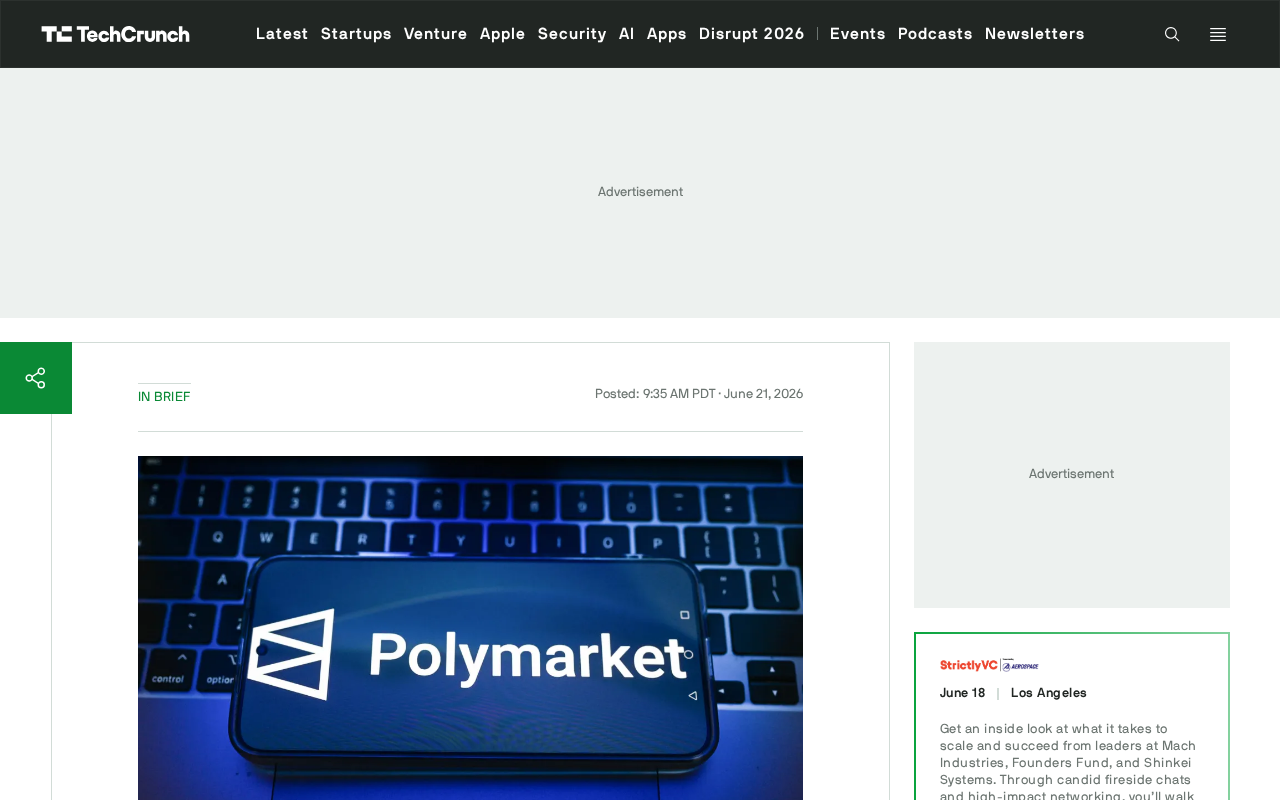
Polymarket Caught Paying Creators to Post Fake Betting Videos: A Full Breakdown
Polymarket allegedly paid creators to record fake betting videos on clone websites, fabricating trading profits to attract users. A deep dive into the details, methods, legal risks, and industry impact.
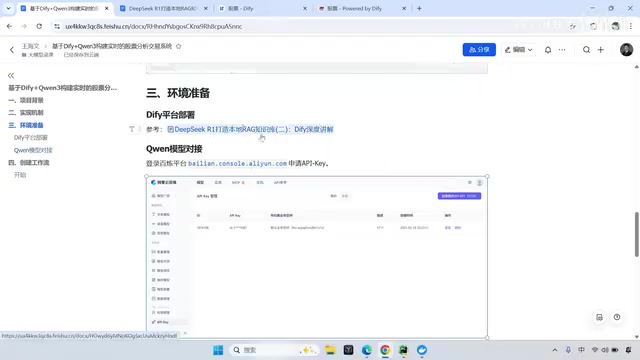
Building an AI Stock Analysis System with Qwen3 + Dify: A Hands-On Tutorial
A hands-on guide to building a real-time AI stock analysis system using Dify workflows and Qwen3. Covers deployment, technical indicators (RSI/MACD/Bollinger Bands), and trading strategy generation.
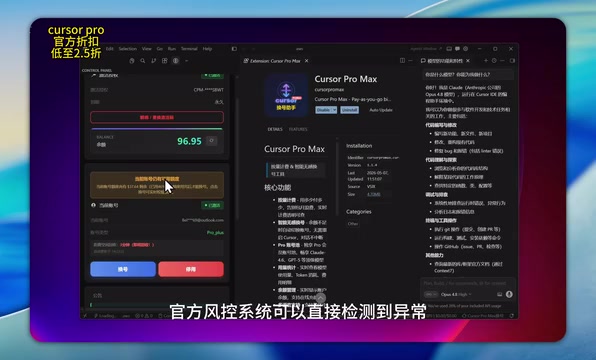
Deep Dive into Cursor Refill Plugins: Pay-Per-Use Billing and Account Pool Scheduling Mechanisms
Deep analysis of Cursor refill plugin architecture: how clean account pool scheduling replaces cracking tools, the business logic of 35% pay-per-use pricing, and compliance risks developers should consider.