Polymarket Caught Paying Creators to Post Fake Betting Videos: A Full Breakdown
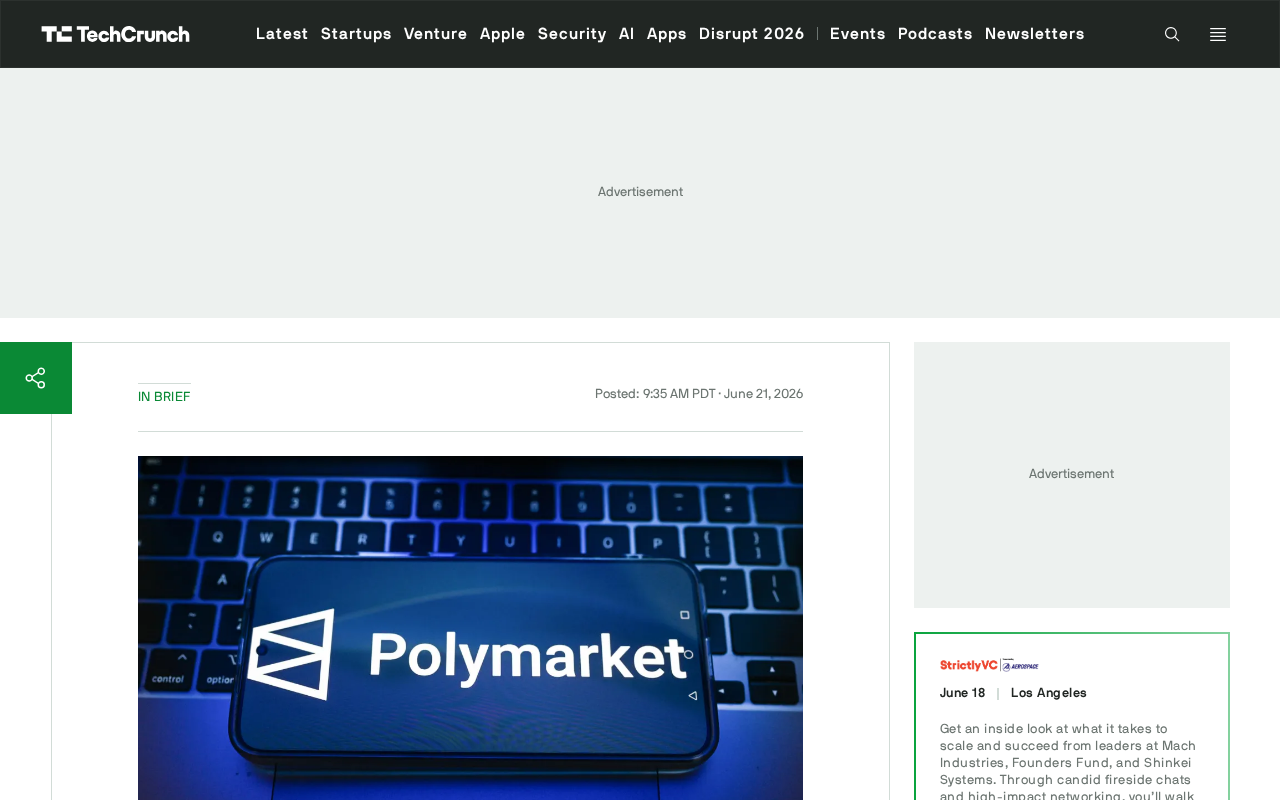
Polymarket exposed for paying creators to post fake betting videos filmed on clone websites.
Polymarket, a leading prediction market platform, has been caught allegedly paying content creators to publish deceptive betting videos on social media. The videos were filmed on near-perfect clone websites with fabricated trading profits to lure new users. The scandal raises serious concerns about false advertising, financial misrepresentation, and platform liability — especially given Polymarket's prior CFTC fine — and may accelerate regulatory scrutiny of prediction market marketing practices.
Overview of the Polymarket Fake Promotion Scandal
Polymarket — one of the world's most prominent prediction market platforms — has recently been exposed for a highly controversial marketing practice: the platform allegedly paid content creators to publish deceptive betting videos on social media in order to attract new users to sign up and trade.
According to reports, the trading records and profit figures shown in these promotional videos were not real. Instead, they were filmed in carefully fabricated environments. The incident has sparked widespread concern over the marketing ethics and regulatory compliance of prediction market platforms.
What Is a Prediction Market?
To understand the severity of this incident, it helps to first understand how prediction markets work. A prediction market is a platform that allows users to trade on the outcomes of future events. The core logic is similar to financial derivatives markets: users purchase "shares" representing a specific outcome. If the prediction is correct, each share settles at $1; if incorrect, it goes to zero. The real-time price of shares reflects the collective judgment of market participants regarding the probability of an event occurring. Polymarket is built on Polygon, an Ethereum Layer 2 scaling solution, and uses USDC stablecoin for settlement, enabling low transaction costs and fast settlement times. Unlike traditional betting, prediction market pricing is entirely driven by supply and demand, theoretically harnessing "the wisdom of the crowd" to produce probability estimates more accurate than polls or expert forecasts. Because of this financial nature, platforms bear a higher compliance obligation in their marketing practices than ordinary social products.
How the Deception Worked: Clone Websites and Fake Profits
The core detail revealed in the reports is striking: these promotional videos were not recorded on the real Polymarket platform but were instead filmed on "near-perfect copies" of the site. This means the interfaces, trading flows, and profit screenshots shown in the videos — while visually almost indistinguishable from the real platform — depicted entirely fictitious bets and earnings.
The Technical Side of Clone Websites
From a technical standpoint, creating a high-fidelity clone website is extremely easy today. Developers can use web scraping tools (such as HTTrack or wget) to download a target website's entire front-end code — including HTML structure, CSS stylesheets, JavaScript interaction logic, and all image and font assets — then deploy a visually identical copy on a local machine or private server. For Web3 applications like Polymarket, where front-end code is typically open-source or publicly accessible, the replication barrier is even lower. The key difference is that the clone site's backend database can be arbitrarily manipulated — developers can preset any account balance, transaction history, or profit data they want to display. In the crypto industry, this clone website technique has previously been used primarily for phishing attacks, tricking users into entering private keys or authorizing malicious transactions. In this case, the same technology was used for marketing fraud — a relatively novel but equally dangerous application.
This method is highly deceptive for several reasons:
- Visually near-identical: Average viewers can barely distinguish the interface in the video from the real Polymarket platform
- Fabricated profit data: The high returns shown in the videos easily create a false impression of "easy money" for potential users
- Creator endorsement effect: Distribution through the personal influence of social media creators further enhances the content's credibility
The Gray Area of Prediction Market Marketing
Polymarket's Industry Background
Polymarket rose to prominence during the 2024 U.S. presidential election, when its election predictions became a focal point for media and public attention. During the election cycle, Polymarket's daily trading volume at times exceeded hundreds of millions of dollars, and its pricing of Trump's winning probability was widely cited by mainstream outlets like The Wall Street Journal and Bloomberg — even regarded by some analysts as a more reliable forecasting tool than traditional polls. This unprecedented level of attention catapulted Polymarket from a niche crypto-native platform to a household name synonymous with prediction markets.
However, Polymarket's journey has not been without setbacks. In January 2022, the U.S. Commodity Futures Trading Commission (CFTC) fined Polymarket $1.4 million for offering event-based binary options contracts without proper registration. As part of the settlement, Polymarket agreed to restrict access for U.S. users. This regulatory history makes the current fake promotion scandal all the more sensitive — a platform already penalized for compliance violations could face far harsher regulatory consequences if proven to have orchestrated deceptive marketing.
As the prediction market concept has moved into the mainstream, competition for users among platforms has intensified. Beyond Polymarket, platforms like Kalshi, Metaculus, and PredictIt are also actively vying for market share. Under such competitive pressure, some platforms may have resorted to more aggressive — or even boundary-crossing — marketing strategies.
The KOL Marketing Ecosystem in Crypto
Another important backdrop to this incident is the highly mature paid KOL (Key Opinion Leader) promotion ecosystem in the crypto industry. Industry research firms estimate that crypto projects spend billions of dollars annually on social media influencer marketing. In this ecosystem, YouTube creators, crypto opinion leaders on Twitter/X, and TikTok short-video creators are all common promotional channels. Many creators showcase themselves trading on a platform and profiting in their videos, presenting it as a "real experience" to attract followers to sign up.
This marketing model has already sparked controversy multiple times. In 2023, the U.S. Securities and Exchange Commission (SEC) filed lawsuits against several crypto influencers for promoting crypto tokens without disclosing paid relationships. The Federal Trade Commission's (FTC) Endorsement Guides explicitly require that any paid promotional content clearly and prominently disclose the commercial relationship, but in practice — especially on short-video platforms — this requirement is frequently ignored or executed in barely noticeable ways. What makes the Polymarket incident unique is that it involves not just undisclosed paid relationships but the use of fabricated data in promotions, escalating the issue from "inadequate disclosure" to "active fraud."
Legal and Ethical Risks of Fake Promotions
Paid promotion itself is not inherently illegal, but when promotional content includes fabricated trading records and profit displays, it may cross multiple legal red lines:
- False advertising: In most jurisdictions, using fabricated data to promote a product constitutes false advertising. In the U.S., the FTC can take enforcement action under Section 5 of the Federal Trade Commission Act against "unfair or deceptive acts or practices"; in the EU, the Unfair Commercial Practices Directive similarly prohibits the use of false information to mislead consumer decisions
- Financial misrepresentation: Prediction markets inherently involve financial speculation, and displaying fake profits may constitute investor misleading. Under U.S. securities law and commodity trading regulations, any marketing materials involving financial products must not contain false or misleading statements — violators may face civil or even criminal liability
- Platform liability: If it is confirmed that the platform itself orchestrated this behavior rather than it being a spontaneous third-party action, Polymarket would bear significantly greater legal responsibility. Legally, there is a fundamental distinction between a platform directly planning and funding fake promotions versus a third-party creator independently exaggerating returns — the former implies systematic fraudulent intent and could lead to harsher penalties and higher damages
Warnings for Users and the Industry
How Ordinary Users Can Guard Against Fake Betting Promotions
This incident serves as yet another reminder for ordinary users to remain highly vigilant about "investment return showcases" seen on social media. Whether it's cryptocurrency, prediction markets, or other financial products, the high returns displayed in short videos are often carefully packaged — and may even be entirely fabricated. In fact, the tactic of displaying fake profits to attract new users has a long history in financial fraud — from early Ponzi schemes to recent crypto "pump and dump" scams, the core logic has always been to exploit the psychological suggestion that "others have already made money" to lower potential victims' guard.
Before participating in any platform involving funds, users should:
- Independently verify the platform's compliance credentials and operational history, including checking public databases of relevant regulators (such as the CFTC and SEC) to confirm whether the platform holds necessary licenses or has any violation records
- Maintain a skeptical attitude toward profit displays on social media, especially when creators have not clearly disclosed their commercial relationship with the platform
- Understand the actual risks of prediction markets rather than focusing solely on potential returns. Research shows that most retail traders in prediction markets lose money over the long term, and the high-return cases showcased by platforms typically represent extreme outliers rather than typical outcomes
Regulatory Outlook for the Prediction Market Industry
As a rapidly evolving emerging field, the regulatory framework for prediction markets remains incomplete. In the U.S., the regulatory jurisdiction over prediction markets has long been disputed: the CFTC views them as derivatives markets requiring regulation, while some industry participants argue they are closer to information aggregation tools than financial products. Between 2023 and 2024, the lawsuit between Kalshi and the CFTC over the legality of election prediction contracts became a landmark industry event — a federal court ultimately ruled that the CFTC did not have the authority to prohibit Kalshi from offering election prediction contracts. This ruling was seen as a major victory for the prediction market industry but also exposed ambiguities in the existing regulatory framework.
The Polymarket fake promotion scandal may accelerate regulatory scrutiny of prediction market platform marketing practices, particularly regarding the authenticity and compliance of paid promotional content. Notably, because Polymarket operates on a blockchain and its operating entity is registered overseas, traditional territorial regulatory models face significant challenges. This is one of the core regulatory dilemmas across the entire decentralized finance (DeFi) space: when a platform's smart contracts are deployed on permissionless public chains, the operations team is distributed globally, and users bypass geographic restrictions through VPNs and similar tools, no single country's regulator can effectively exercise jurisdiction.
For the broader Web3 and decentralized finance ecosystem, while the exposure of such incidents may damage the industry's image in the short term, it can help drive the establishment of more transparent and standardized marketing practices over the long run. Some industry self-regulatory organizations, such as the Blockchain Association and the DeFi Education Fund, have begun advocating for voluntary marketing codes of conduct, but these efforts are still in their early stages and lack enforcement power.
Conclusion
Polymarket's exposed fake promotion scheme reveals the marketing chaos that can emerge during the rapid expansion of prediction markets. Under the dual pressures of user growth targets and regulatory vacuums, the platform chose a high-risk shortcut. Regardless of the final investigation outcome, this incident serves as a wake-up call for the entire industry: in the pursuit of growth, integrity and transparency should never be sacrificed.
From a broader perspective, this incident also reflects the deep-seated tensions the Web3 industry faces as it transitions from niche to mainstream — the friction between decentralized technological ideals and centralized business operations, the mismatch between rapidly growing market demand and lagging regulatory frameworks, and the balance between innovation freedom and user protection. How these tensions are resolved will determine the long-term fate of prediction markets and the decentralized finance industry as a whole.
Related articles

Global Robotaxi Scorecard: How China Is Establishing Autonomous Driving Dominance
Based on TechCrunch's latest Robotaxi scorecard, a deep analysis of China's dominance in autonomous taxis covering commercialization scale, policy support, supply chain synergy, and U.S.-China competition.
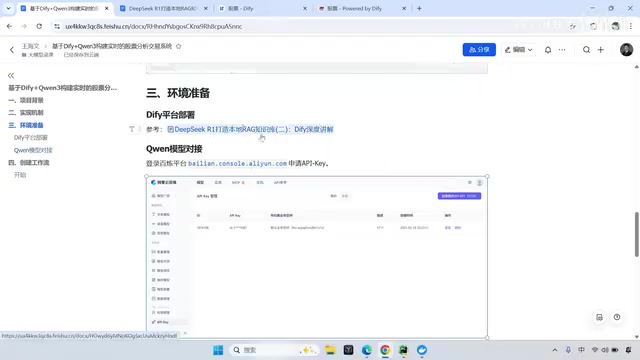
Building an AI Stock Analysis System with Qwen3 + Dify: A Hands-On Tutorial
A hands-on guide to building a real-time AI stock analysis system using Dify workflows and Qwen3. Covers deployment, technical indicators (RSI/MACD/Bollinger Bands), and trading strategy generation.
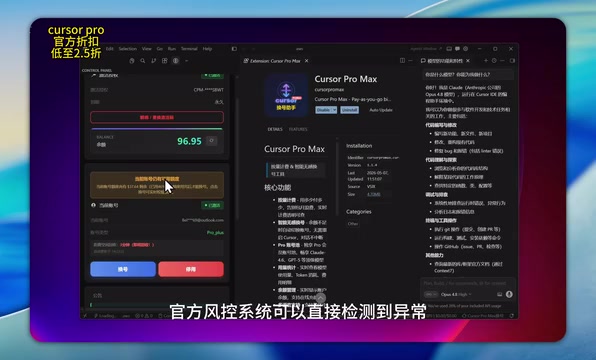
Deep Dive into Cursor Refill Plugins: Pay-Per-Use Billing and Account Pool Scheduling Mechanisms
Deep analysis of Cursor refill plugin architecture: how clean account pool scheduling replaces cracking tools, the business logic of 35% pay-per-use pricing, and compliance risks developers should consider.