Hidden Gems in OpenAI's Showcase: A Deep Dive into the Mystery Teaser
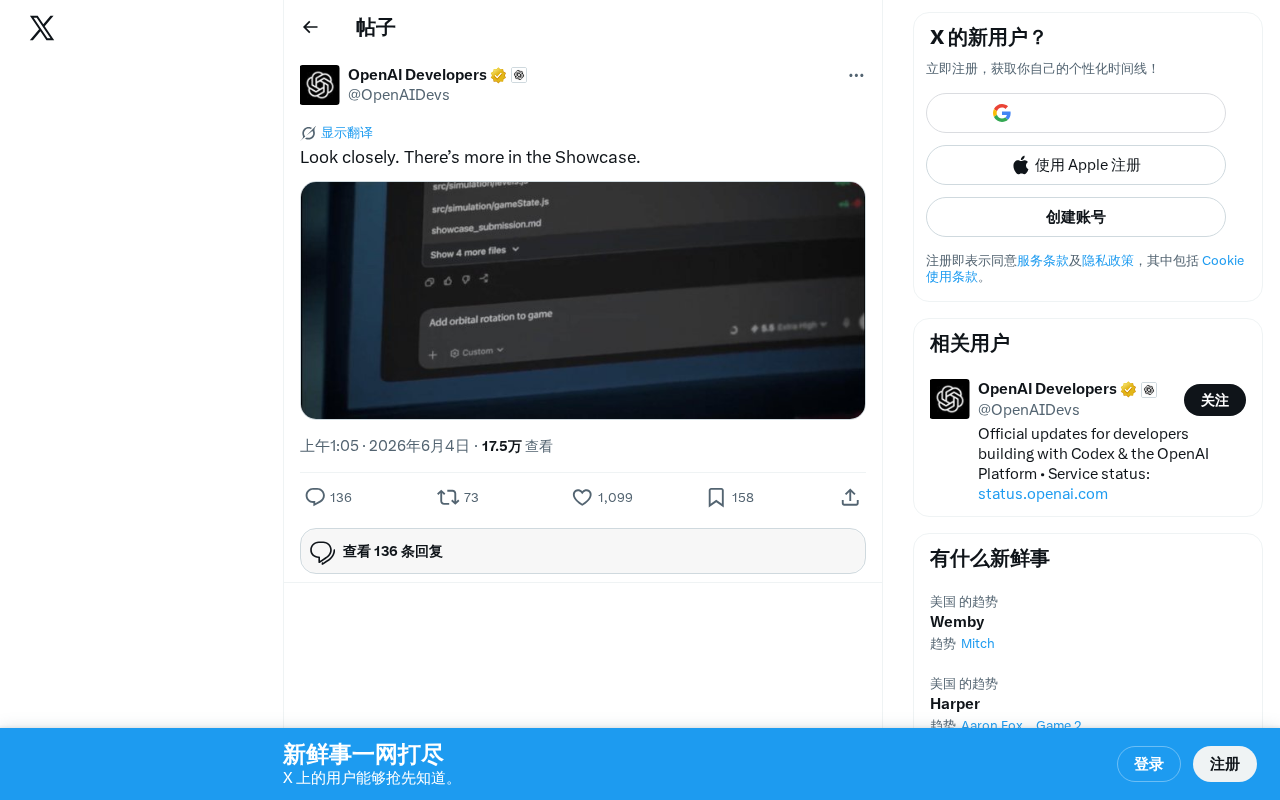
OpenAI's mysterious tweet hints at undiscovered features hidden in its Showcase page.
OpenAI posted a cryptic tweet—"Look closely. There's more in the Showcase"—sparking widespread speculation. This article analyzes what the hidden content might be (new model capabilities, UI updates, or product roadmap clues), examines OpenAI's suspense-driven marketing strategy and its competitive implications, and offers guidance on how to follow subsequent developments.
Event Overview
OpenAI recently posted a cryptic tweet on social media: "Look closely. There's more in the Showcase." This brief yet mysterious message quickly sparked widespread attention and speculation across the AI community.
Decoding OpenAI's Hidden Showcase Content
What Exactly Is the "Showcase"?
OpenAI's Showcase typically refers to its product demonstration pages or presentation segments during launch events. This tweet suggests that beyond what has already been publicly shown, there are hidden new features or product details that most people haven't noticed yet.
Looking at the historical context, OpenAI's Showcase mechanism has undergone significant evolution. From the low-key launch of ChatGPT in November 2022, to the formal GPT-4 unveiling in March 2023, to the OpenAI DevDay developer conference, the company has gradually built a multi-layered product demonstration system. The Showcase page isn't just a static product display—it's a dynamically updated capability demonstration window that includes use-case demos, API call examples, and partner integration cases. This presentation approach lets both developers and general users intuitively grasp the boundaries of model capabilities, and provides a natural vehicle for this kind of "hidden Easter egg" information release.
This "Easter egg" marketing approach isn't uncommon among tech companies. Google is famous for hidden Easter eggs in its search engine (like triggering page effects by searching specific keywords), Apple frequently hides product clues in its event invitations, and Tesla embeds hidden games and features in software updates. The core logic of this strategy leverages users' desire to explore and share, transforming product discovery into social currency—when users "discover" hidden content themselves, their motivation to share far exceeds that of passively receiving information, and propagation efficiency grows exponentially. But OpenAI's choice to hint so subtly suggests the hidden content may be quite significant—they don't want to officially announce it prematurely, yet they want attentive users to discover it and spark discussion.
Possible Directions for Hidden Features
Based on OpenAI's recent product activity, this teaser could point to several directions:
- Hidden demonstrations of new model capabilities: New model capabilities may be embedded within existing demo cases, waiting for users to uncover them. This could include further breakthroughs in multimodal capabilities (such as more refined image understanding or real-time video analysis), significant improvements in reasoning ability, or entirely new interaction modes
- Hidden UI updates: ChatGPT or the API platform may have quietly rolled out certain new features, such as new tool-calling capabilities, more flexible customization options, or advanced features for enterprise users
- Clues about upcoming products: Hinting at next-step product plans through details on the Showcase page—a common "breadcrumb" strategy among tech companies that manages market expectations through gradual information release
Analysis of OpenAI's Suspense Marketing Strategy
The Art of Building Suspense
In recent years, OpenAI has become increasingly adept at generating buzz through social media. From various hints before the GPT-4 launch to the "warm-up" before each major update, the company has developed a mature rhythm for information release.
This tweet is characterized by:
- Extreme brevity: No specific information whatsoever, relying entirely on suspense to drive engagement
- High interactivity: Encouraging users to actively "discover" rather than passively receive information
- Community-driven: Making early discoverers into nodes of information propagation
There are deep communication principles behind this strategy. In an age of information overload, users have developed immunity to straightforward product announcements, but "secrets" and "discoveries" always trigger human curiosity instincts. OpenAI is essentially transforming a product launch into a community-participatory puzzle game, where every participant becomes a co-creator of brand communication.
Signal Significance for the AI Industry
In the current white-hot AI competition landscape, OpenAI's choice to release information this way involves multiple strategic considerations. The AI industry's competitive landscape in 2024-2025 has undergone profound changes: Google DeepMind continues advancing the Gemini model series, Anthropic's Claude keeps iterating and establishing differentiated advantages in long-context and safety, Meta's Llama open-source model ecosystem is growing rapidly, and emerging forces like Mistral and xAI continue to surface. In this environment, the timing and method of information release is itself part of the competitive strategy.
Announcing too early might give competitors time to respond; too late might mean losing market initiative. OpenAI's "suspense-style" release both maintains continuous public attention and preserves strategic flexibility. On one hand, it sustains market interest; on the other, it tests community reactions to different feature directions.
This "soft launch" strategy allows the company to collect user feedback and adjust communication strategies before making formal announcements. Soft Launch is a classic product management strategy—opening new features to a limited user group before full-scale promotion. OpenAI combines this with social media propagation to create a unique "public soft launch" model—by letting the community discover and discuss new features on their own, the company can observe genuine user reactions: which features generate excitement, which are overlooked, and which raise concerns. These signals hold significant reference value for subsequent product positioning, pricing strategy, and messaging. At the same time, it serves as a risk management tool: if hidden features trigger negative reactions, the company can make adjustments before the official release, avoiding large-scale PR crises.
Recommendations for Following Up
For readers following AI developments, here are suggestions for staying informed:
- Closely monitor changes to OpenAI's official Showcase page, particularly clues that may be hidden in page source code, metadata, and interaction details
- Watch for community discussions from those who first discover hidden content, especially on Reddit's r/OpenAI, the AI researcher community on Twitter/X, and various developer forums
- Follow whether OpenAI will issue formal feature release announcements, and how well announcement content aligns with community speculation
- Observe competitor reactions—when OpenAI builds suspense, will Google, Anthropic, and others accelerate their own product release timelines?
Regardless of what's ultimately revealed, OpenAI's "treasure hunt" approach to information release itself demonstrates their confidence in what they're about to showcase—great products don't need loud promotion, they just need to be seen.
Key Takeaways
Related articles
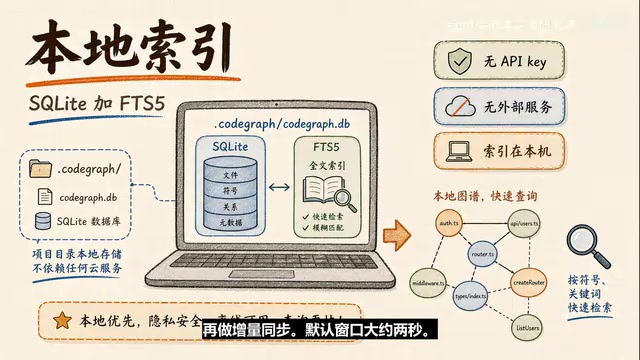
CodeGraph: Give Your Coding Agent a Code Map, Save 47% Tokens
CodeGraph is an open-source project with ~40K GitHub stars that uses Tree-sitter to build a local queryable code map, helping Claude Code and Cursor reduce 47% token usage and 58% tool calls.
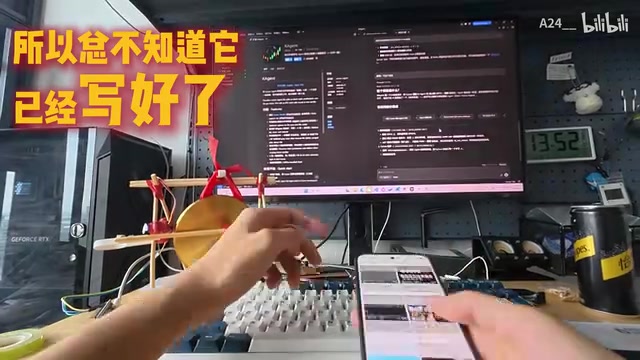
AI Finishes Writing Code, Automatically Strikes a Gong to Alert You: Open-Source Physical Feedback Tool DAgent
A developer built a physical feedback device with chopsticks and a small gong that auto-strikes when AI finishes coding. Now open-sourced as DAgent, it also simulates IPO bell-ringing when creating new files.

Level Up Claude Code: Building an Enhanced Plan Mode with Grill Me
Learn how to install and use the Grill Me Skill for Claude Code, replacing AI guesswork with structured questioning to clarify requirements before generating execution plans.