Instagram Enters the Living Room: Long-Form Video, Series, and Live Streaming Challenge Netflix
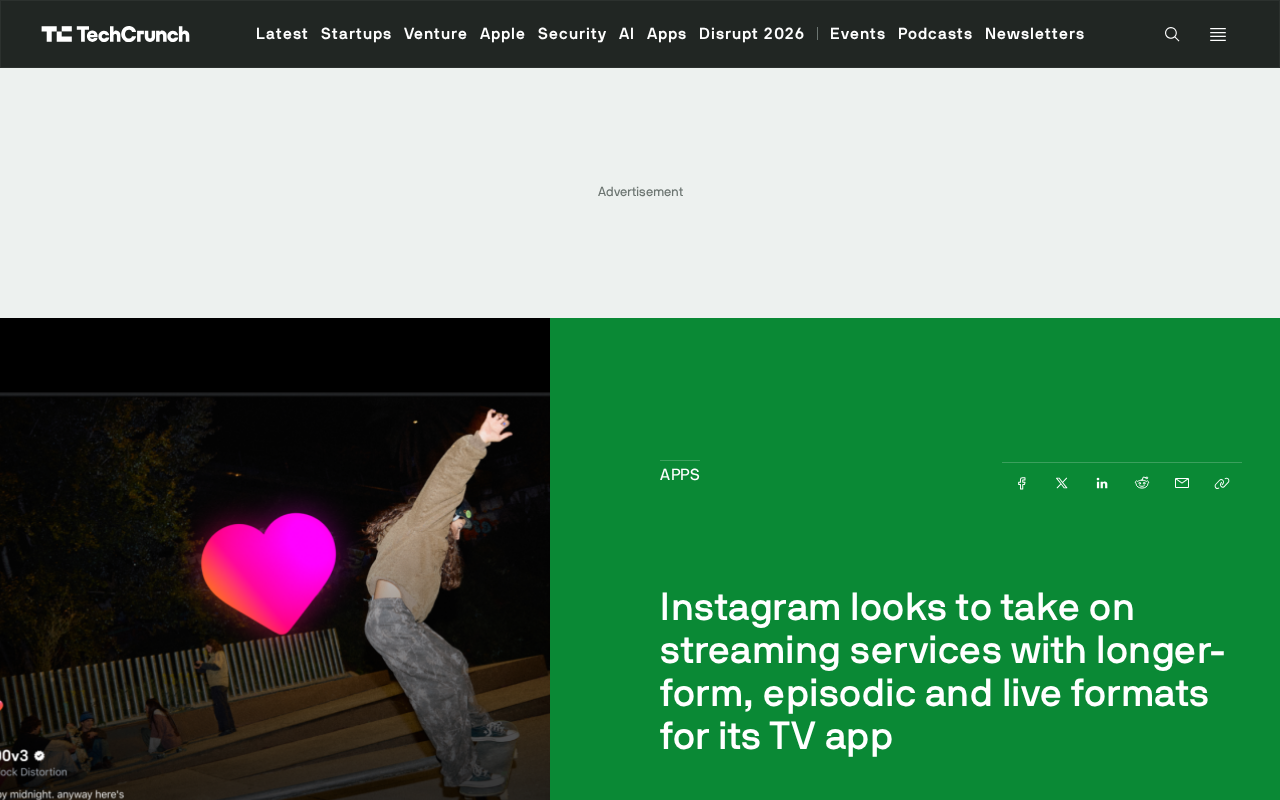
Instagram is launching a TV app with long-form video and series content to challenge Netflix in the living room.
Meta's Instagram is making a bold strategic pivot toward the living room big screen, developing a TV app featuring long-form video, episodic series, and live streaming to directly compete with Netflix and other streaming giants. Leveraging its 2 billion+ monthly active users, mature creator ecosystem, and Meta's advanced ad tech, Instagram aims to differentiate through social interactivity and ad-supported free content in an increasingly saturated streaming market.
Instagram's Streaming Transformation
Meta's Instagram is brewing a major strategic transformation—setting its sights on the living room big screen, directly challenging mainstream streaming services like Netflix and Amazon Prime Video. This move marks a significant leap for Instagram from a short-video social platform to a long-form video content platform.
According to the latest reports, Instagram is positioning its TV app with longer-duration video content, episodic series, and live streaming formats, targeting users' living room viewing scenarios. This isn't merely a simple feature expansion—it represents a fundamental rethinking of Instagram's positioning.
From Short Videos to Long-Form Content: Instagram's Evolution Logic
Short Video Dividends Reaching Their Peak
In recent years, Instagram successfully countered TikTok's competitive pressure through its Reels short-video feature, but growth potential in the short-video market is narrowing. According to industry analysis, global short-video user penetration has exceeded 70% in major markets, with new user acquisition costs continuing to rise. Meanwhile, average short-video watch time growth is also slowing, as users develop a degree of "scroll fatigue" from infinite-scroll content. More critically, short-video ad rates (CPM, or cost per thousand impressions) are typically lower than long-form video, because users spend less time and have scattered attention—brand advertisers prefer placing high-value ads within immersive long-form content. This economic logic drives all short-video platforms to extend into longer content.
The battle for user attention has extended from phone screens to TV big screens. Against this backdrop, Instagram's choice to expand into long-form video and episodic content is a logical strategic decision.
The Strategic Value of the Living Room
The living room big screen represents an entirely different consumption scenario—users invest more time here, attention is more focused, and advertising value is higher. The Connected TV (CTV) market has experienced explosive growth in recent years. According to eMarketer data, U.S. CTV ad spending is projected to grow from approximately $25 billion in 2023 to over $40 billion by 2027. Big-screen ad CPMs are typically 3-5x higher than mobile, because users are more attentive in the big-screen environment, ad viewability is higher, and brand recall is stronger. Additionally, CTV advertising can achieve precise targeting and performance tracking that traditional TV advertising cannot, combining traditional TV's brand impact with digital advertising's measurability.
Netflix, Disney+, Amazon Prime Video, and other platforms have already proven the commercial potential of this scenario. Instagram's attempt to enter this market clearly reflects the enormous business opportunity it sees within.
Three Content Formats: Long-Form Video, Series, and Live Streaming
Long-Form Video Content
Instagram previously experimented with the IGTV long-video feature, which was ultimately integrated back into the main app due to low user adoption. IGTV launched in June 2018, initially supporting vertical videos up to 60 minutes long, and was seen as Instagram's major move to challenge YouTube. However, IGTV faced multiple issues: poor viewing experience for vertical long-form video, insufficient monetization incentives for creators, and difficulty shifting users' habits within the Instagram main app to a long-video mode. In March 2022, Instagram officially retired the IGTV brand, integrating its video features back into Instagram Video.
This experience demonstrates that forcibly mixing different content duration formats within the same app leads to fragmented user experience. In this renewed push for long-form video, Instagram has clearly learned from past lessons, choosing to host this content through a standalone TV app to avoid conflicting with the main app's short-video experience.
Episodic Series Content
Episodic series content is one of the core competitive advantages of streaming platforms. Instagram's introduction of this format means the platform needs to establish entirely new content production and distribution systems. This may involve collaboration with professional production teams, or even original self-produced content.
Notably, the production cost and complexity of episodic content far exceeds short videos. Netflix invests over $17 billion annually in content, while Amazon and Apple each invest billions of dollars. However, Instagram may not need to directly match this investment level—the platform could adopt a "middle path" strategy, producing "mid-budget premium content" that falls between UGC (user-generated content) and Hollywood-level production. YouTube's original content strategy and Snapchat's short series on Discover channels both provide reference models.
For Instagram, which already possesses a massive creator ecosystem, this is both an advantage and a challenge—how to convert social media creators' influence into professional-grade long-form video content will be a key issue. Instagram's vast creator network includes no shortage of teams with professional production capabilities, and the platform can enhance content quality through funding support and production resources.
Big-Screen Live Interaction
Live streaming is one of Instagram's traditional strengths, and bringing it to the big screen is a natural extension. Users can watch their favorite creators' live streams on their living room TV and participate in interactions—this experience is fundamentally different from traditional TV live broadcasts, with social attributes becoming Instagram's core differentiating advantage over traditional streaming services.
Challenges and Prospects: Can Instagram Establish Itself in the Living Room Market?
Core Challenges
First is the content quality threshold. Living room viewing scenarios demand far higher content quality than mobile, with users expecting production standards approaching television-level. Instagram needs to make significant commitments in content investment.
Second is user habit migration. Getting users to accept the concept of "watching Instagram on TV" isn't easy. Instagram's positioning in users' minds is social media and short videos—changing this perception requires time and sustained high-quality content output.
Finally, there's the competitive landscape. The streaming market is already highly saturated, with giants like Netflix, Disney+, Amazon, and Apple TV+ each holding their ground. The global streaming market is currently in a "post-growth" consolidation phase. Netflix has approximately 260 million paid subscribers, but after growth slowed, it pivoted to ad-supported tiers; Disney+ faces profitability pressure after rapid growth; Amazon Prime Video achieves differentiation through bundling with e-commerce memberships. The market is showing clear "subscription fatigue"—American households subscribe to an average of 4-5 streaming services, and users are frequently canceling and resubscribing. Against this backdrop, free or ad-supported streaming models (AVOD/FAST) are actually experiencing new growth opportunities, which aligns perfectly with Instagram's ad-driven business model. As a latecomer, Instagram needs to find a unique differentiated positioning.
Instagram's Differentiation Advantages
However, Instagram also possesses advantages that other streaming platforms can hardly match: over 2 billion monthly active users, a mature creator ecosystem, and Meta's powerful ad monetization capabilities.
Meta's ad tech stack is one of the world's most advanced digital advertising systems. In 2024, Meta's ad revenue exceeded $160 billion, with core advantages in precise targeting based on user behavior and interests, a mature ad auction system, and full-funnel ad products covering everything from brand awareness to conversion. Migrating these capabilities to the CTV scenario means Instagram's TV app can offer more precise advertising experiences than traditional streaming services, while providing advertisers with unified cross-screen (mobile + TV) reach and attribution analysis capabilities. This is a technical moat that pure content platforms like Netflix and Disney+ cannot replicate in the short term.
If Instagram can organically combine social interaction with long-form video viewing, it may pioneer an entirely new living room entertainment experience.
Industry Impact: The Boundary Between Social Platforms and Streaming Accelerates Its Blur
This move reflects the accelerating blur between social media platforms and streaming services. TikTok has previously explored similar directions, and YouTube has long occupied an important position on living room big screens.
YouTube is the best case study of a social/UGC platform successfully entering the living room. As of 2024, YouTube has become the streaming app with the longest watch time on American living room TVs, surpassing Netflix. YouTube's success proves several key points: users are willing to watch non-traditional TV content on big screens; creator ecosystems can produce content suitable for big-screen consumption; and ad-supported free models are equally effective in CTV scenarios. YouTube's path provides a direct reference framework for Instagram, but the core problem Instagram needs to solve is that its content ecosystem is still primarily short videos and images—the transition to long-form video requires time to cultivate.
Instagram's entry will further intensify this trend. For the entire industry, this means future content competition will no longer be limited to a specific screen or scenario, but rather a full-scenario, all-hours battle for user attention. The content-ification of social platforms and the socialization of streaming platforms may be one of the most noteworthy industry trends going forward.
Key Takeaways
Related articles

The Clotilda: Underwater Archaeological Discovery of America's Last Slave Ship
The Clotilda, America's last slave ship, was discovered by underwater archaeologists in Alabama nearly 160 years after sinking. Learn about the search, key evidence, and other slave trade shipwreck discoveries.

Sakana AI in Practice: Reshaping Banking Lending Operations with AI Agents — Technology and Strategy
Deep dive into how Sakana AI applies AI Agents to banking lending operations, covering end-to-end support from information gathering to approval document generation, plus technical challenges and human-AI collaboration design.
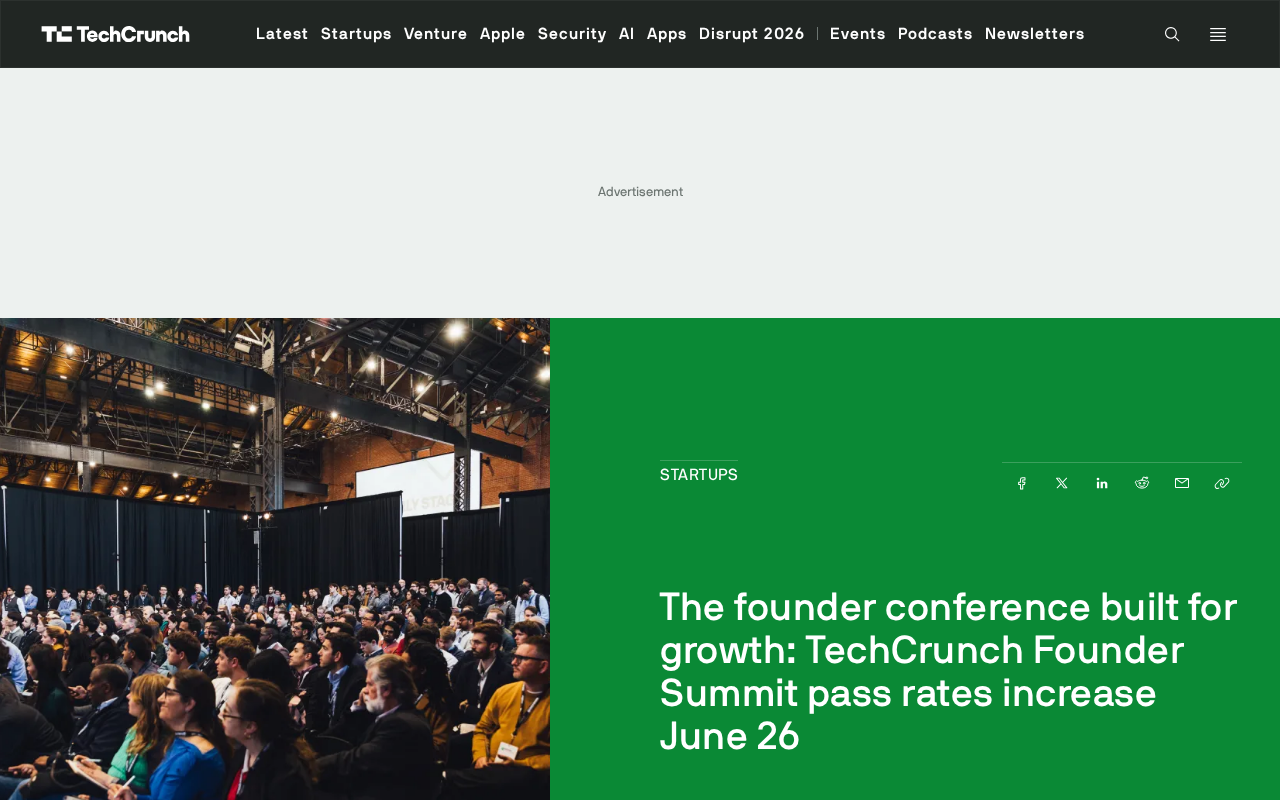
TechCrunch Founder Summit Boston: Early Bird Pricing Ending Soon — Save Up to $190
TechCrunch Founder Summit comes to Boston in November 2025. Early bird pricing ends June 26 — save up to $190. Learn about the event's founder-first focus and Boston's startup ecosystem.