iOS 27 Code Leaks Key Clues About Apple's Foldable iPhone

iOS 27 code contains direct folding hardware references, confirming Apple's foldable iPhone is in active development.
Developers have discovered direct references to folding hardware and flexible display features in iOS 27's system code, providing the strongest evidence yet that Apple's foldable iPhone is in active development. The findings suggest Apple is building software frameworks for fold-aware interactions, adaptive layouts, and multitasking on larger screens, with a possible device debut in 2026.
Apple's Foldable Phone Finally Has Solid Evidence
Rumors about Apple's foldable iPhone have circulated for years, but direct evidence from official sources has always been lacking. Now, with the release of iOS 27 and related software updates, this highly anticipated device has finally revealed its clearest outline — developers and analysts have discovered numerous references to folding hardware in the system code, along with entirely new features designed for larger, more flexible displays.
This is the most definitive foldable device signal to appear in Apple's official software to date, indicating that the product's development has entered a phase of deep integration with system software.
Key Foldable Findings in iOS 27 Code
Folding Hardware References Surface
iOS 27's system code contains direct references to folding hardware. These types of references typically appear when the operating system needs to adapt to specific hardware form factors — such as recognizing the device's folding state, hinge angle, and adjusting system behavior across different folding modes. This indicates that Apple's engineering team is already building the underlying software support framework for a foldable device.
For those familiar with Apple's development process, this isn't surprising. Apple has historically embedded relevant code one to two system versions before officially releasing hardware. Previously, features like Face ID and Dynamic Island on iPhone were discovered through system code before their official launch.
Large Screen and Flexible Display Adaptation
Beyond hardware references, iOS 27 also includes new features designed specifically for larger, more flexible displays. This suggests Apple is rethinking iOS interaction logic for the foldable form factor. One of the core challenges of foldable devices is achieving seamless transitions between the unfolded large screen and the folded small screen, while fully utilizing the extra space the large screen provides.
Based on current information, Apple may optimize in the following areas:
- Multitasking: Leveraging the unfolded large screen space to deliver a split-screen and multi-window experience closer to iPad
- Adaptive app layouts: Enabling existing apps to intelligently adapt to both folded and unfolded states
- Fold-aware interactions: Triggering different UI modes based on the device's folding angle
In-Depth Analysis of Apple's Foldable Strategy
Late-Mover Advantage or Fashionably Late?
Samsung's Galaxy Z Fold series has already iterated to its sixth generation, and Chinese manufacturers like Huawei, OPPO, and vivo have been deeply invested in the foldable space for years. Apple entering the market now may seem behind, but historical experience shows that Apple excels at entering markets with a more polished experience once the technology has matured.
The original iPhone wasn't the first smartphone, and Apple Watch wasn't the first smartwatch, but Apple has consistently redefined category standards through deep hardware-software integration. The foldable iPhone will likely continue this strategy — waiting until hinge technology, screen crease control, durability, and other key technologies meet Apple's quality standards before launching.
Software-First Development Philosophy
The appearance of foldable-related code in iOS 27 perfectly embodies Apple's "software-first" product development philosophy. Rather than rushing to adapt software after hardware launches, Apple chooses to prepare at the system level in advance, ensuring the foldable iPhone delivers a mature, smooth user experience from day one.
This also means third-party developers will have more time to adapt their apps for foldable screens. Apple will likely gradually release related APIs in subsequent developer documentation or at WWDC, guiding developers to prepare for the foldable form factor ahead of time.
When Will We See the Actual Foldable iPhone?
Based on all available information, the foldable iPhone could debut as early as 2026. The code references appearing in iOS 27 indicate that hardware development has entered its mid-to-late stages, but from code embedding to official product launch, there's typically one to two product cycles of refinement still needed.
Regardless of the final release date, one thing is already very clear: Apple's foldable iPhone is no longer a question of "if" but "when." The iOS 27 code is the most compelling proof yet.
Related articles
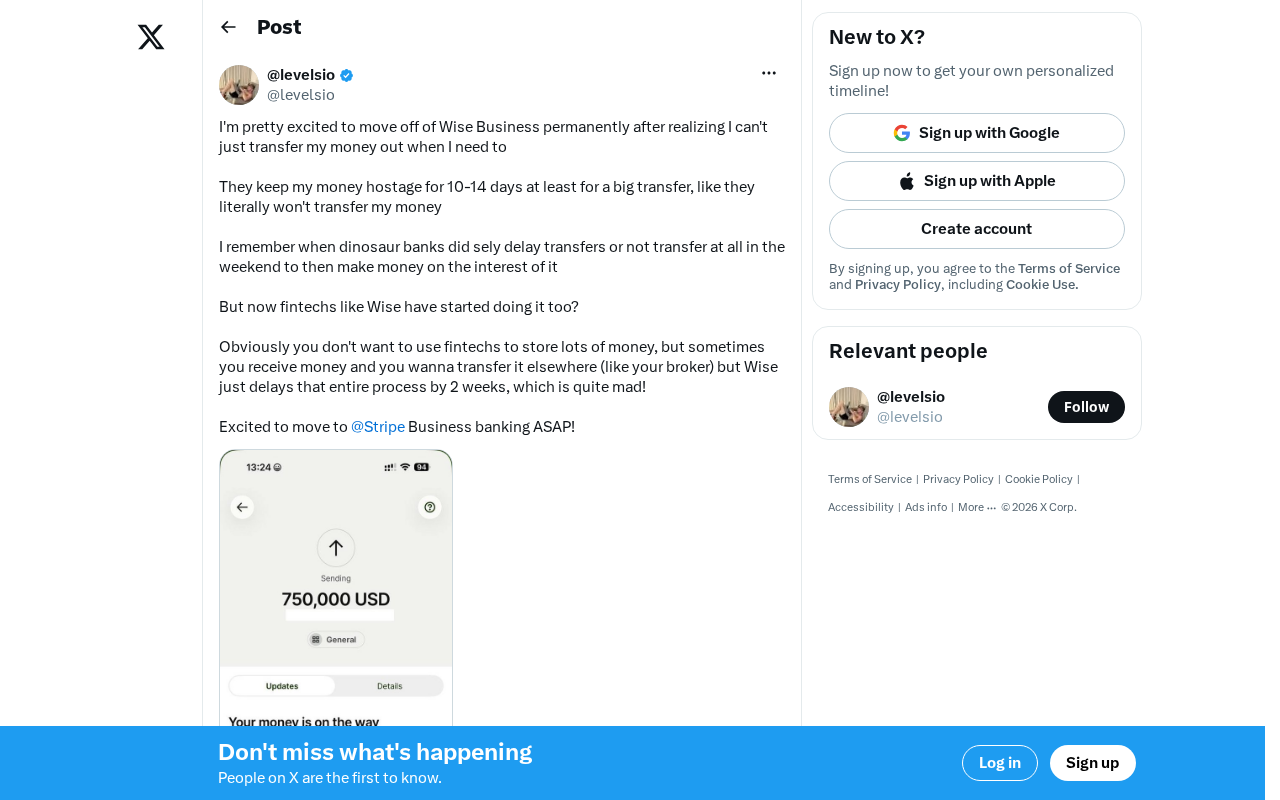
Wise Large Transfer Delayed Two Weeks: How Should Cross-Border Entrepreneurs Respond?
Wise Business users face 10-14 day delays on large transfers, sparking debate on whether fintech is repeating traditional banking mistakes. Analysis and practical tips for cross-border entrepreneurs.

Perplexity Partners with Intel: Local AI Models and Hybrid Inference Come to Laptops
Perplexity partners with Intel to bring local AI models and hybrid inference to Core Ultra Series 3 laptops. We break down the architecture, NPU capabilities, and the cloud-to-edge AI trend.

AI Large Model Learning Roadmap Breakdown: Three Stages from Application Development to Model Fine-Tuning
Deep breakdown of a popular AI large model learning roadmap covering LangChain, RAG, Agent, and LoRA fine-tuning across three stages, with analysis of its strengths and limitations for career changers.