Major NotebookLM Upgrade: Powered by Gemini 3.5, Cloud Computing Environment Unlocks Deep Research
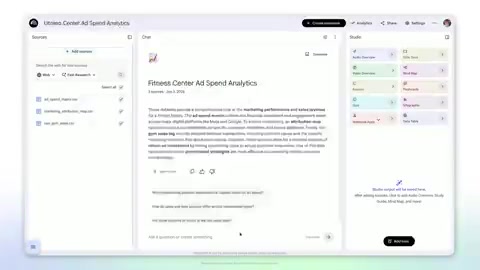
NotebookLM upgrades to Gemini 3.5 with cloud computing, transforming from AI notes to a full research platform.
Google's NotebookLM receives a major upgrade powered by Gemini 3.5 and Antigravity technology, featuring enhanced reasoning transparency and a secure cloud computing environment with over 100 curated software skills. The update transforms NotebookLM from a conversational note-taking tool into an intelligent research platform capable of executing code, processing data, and generating visualizations, marking a significant shift from AI "conversation" to AI "action."
NotebookLM Core Upgrade: Gemini 3.5 Brings More Transparent AI Thinking Process
Google's AI note-taking tool NotebookLM has received a significant update. According to official announcements, the core highlight of this upgrade is a comprehensive improvement to the chat interaction experience, allowing users to more clearly understand the AI's thinking process.
The new version is powered by the Gemini 3.5 model and integrates Antigravity technology, meaning the AI will demonstrate stronger reasoning capabilities and deeper comprehension when processing user queries. Gemini 3.5 is the latest generation multimodal large language model from Google DeepMind, featuring significant improvements in Chain-of-Thought reasoning and long-context processing. Antigravity is an internal Google auxiliary technology framework designed to enhance the model's planning and execution capabilities in complex tasks, enabling the AI not only to generate text responses but also to coordinate multi-step analytical workflows.
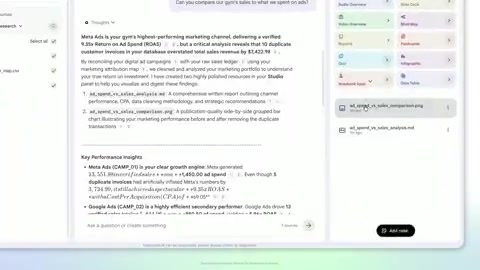
The official team describes this upgrade as "more thoughtful" — it's not just about more accurate answers, but more importantly, users can see how the AI arrives at its conclusions step by step, with dramatically improved visibility into the thinking process. In technical terms, "thinking process visibility" typically refers to the model's ability to output intermediate reasoning steps, allowing users to see the complete logical chain from question to conclusion. This aligns closely with the growing emphasis on "Explainability" in the AI field — as AI systems play increasingly important roles in critical decision-making, both users and regulators are demanding that AI not simply deliver "black box" conclusions, but demonstrate its reasoning basis.
Secure Cloud Computing Environment: NotebookLM Unleashes Deep Analysis Potential
Another major change worth noting in this update is that every notebook now comes equipped with a secure cloud computing environment. This isn't a simple storage expansion — it's a runtime environment with actual computational capabilities.
From a technical perspective, this cloud computing environment is essentially a sandboxed server-side execution environment. A sandbox is a security mechanism that restricts program execution to an isolated environment, preventing code execution from affecting external systems while also protecting user data from leakage. This architecture is directly aligned with Google's prior technical experience with Colab (cloud-based Jupyter Notebook), indicating that Google is fully integrating its cloud computing infrastructure advantages into AI products.
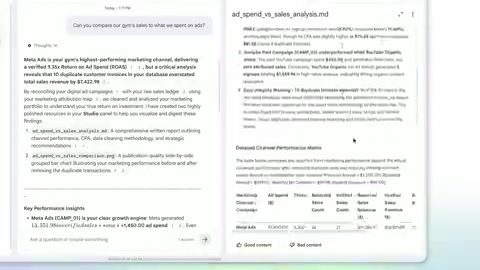
The cloud computing environment comes with over 100 curated software skills, which can be understood as pre-installed toolkits and API collections within the environment, potentially covering data analysis libraries (such as pandas, numpy), visualization tools (such as matplotlib), natural language processing tools, and file format conversion capabilities. This means NotebookLM has evolved from a purely conversational AI note-taking tool into a research platform capable of executing complex analytical tasks. Users are no longer limited to text-level Q&A interactions, but can leverage these built-in capabilities for:
- Deeper research: Cross-document correlation analysis, data extraction and integration
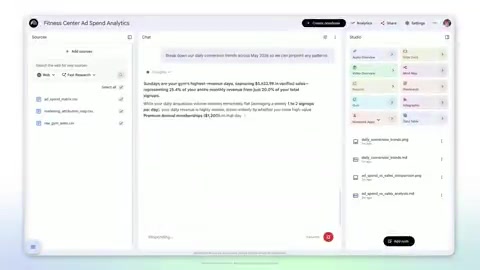
- More complex analysis: Data processing, visualization generation, and other tasks requiring computational power
- Richer outputs: No longer limited to text responses, potentially including charts, code execution results, and other formats
This design enables AI to not just "talk" but actually "do" — executing code, processing data, generating visualizations — fundamentally changing how users collaborate with AI.
The Leap from Note-Taking Tool to Intelligent Research Platform
Looking back at NotebookLM's development trajectory, it initially launched with "document-based AI conversation" as its core selling point, allowing users to upload PDFs, web pages, and other materials and engage in deep conversations with AI about that content. The later introduction of the Audio Overview feature generated widespread attention, enabling AI to transform document content into podcast-style audio summaries.
Audio Overview quickly went viral because it pioneered an entirely new way of consuming knowledge — users could absorb complex document content through audio while commuting, exercising, or in other scenarios. The feature relies on Google's deep technical expertise in text-to-speech (TTS) and dialogue generation, producing audio with natural tonal variations and conversational rhythm far beyond the mechanical feel of traditional TTS. This feature spawned numerous use cases where users convert academic papers, technical documents, and even meeting minutes into audio, establishing a unique differentiating advantage for NotebookLM among AI note-taking tools.
This upgrade marks NotebookLM completing a critical product positioning leap: from a passive knowledge Q&A tool to a proactive intelligent research assistant. The reasoning capability improvements brought by Gemini 3.5, combined with the execution capabilities provided by the cloud computing environment, give NotebookLM the potential to complete research tasks end-to-end — from literature collection, information extraction, and data analysis to conclusion generation, the entire research workflow could potentially be completed within a single platform.
Industry Impact and AI Tool Competitive Landscape
This update also reflects an important trend in the AI tools space: AI products are moving from "conversation" to "action". This is one of the most significant paradigm shifts in the AI application layer during 2024-2025. We can see similar directions in OpenAI's ChatGPT (Code Interpreter), Anthropic's Claude (Artifacts and Computer Use), and other products.
OpenAI's Code Interpreter (later renamed Advanced Data Analysis) was the first to demonstrate the enormous value of letting AI execute Python code in a sandboxed environment, where users could upload data files and have AI autonomously complete cleaning, analysis, and visualization. Anthropic's Claude, through its Artifacts feature, allows AI to generate interactive code components and documents within conversations, while its Computer Use feature goes further by enabling AI to control computer interfaces to complete tasks. The underlying logic of this trend is clear: pure text generation can no longer meet users' actual work needs — AI needs "execution capability" to truly become a productivity tool. By embedding a secure cloud computing environment in NotebookLM, Google is clearly doubling down on this track.
Interestingly, the official announcement specifically emphasizes the keyword "secure," indicating that Google is working to address user concerns about data security and privacy while granting AI stronger execution capabilities. This isn't merely marketing rhetoric — it reflects the core challenge facing enterprise-grade AI tools: when AI has code execution capabilities, data security risks increase significantly, as sensitive documents uploaded by users may contain trade secrets, personal privacy information, or unpublished research. Google's technical safeguards in this area typically include data encryption (in transit and at rest), environment isolation (each user's computing environment is independent), commitments that data won't be used for model training, and compliance with standards such as SOC 2 and GDPR. For users handling research data regulated by IRB (Institutional Review Board) or medical data protected by HIPAA, these security guarantees are decisive factors in whether to adopt the tool.
For knowledge workers, researchers, and content creators, this upgrade means NotebookLM could become an even more indispensable productivity tool. Whether it can truly deliver on its promise of "deep research and complex analysis" still needs to be verified through actual use, but from a product direction standpoint, this is undoubtedly an evolution worth looking forward to.
Related articles
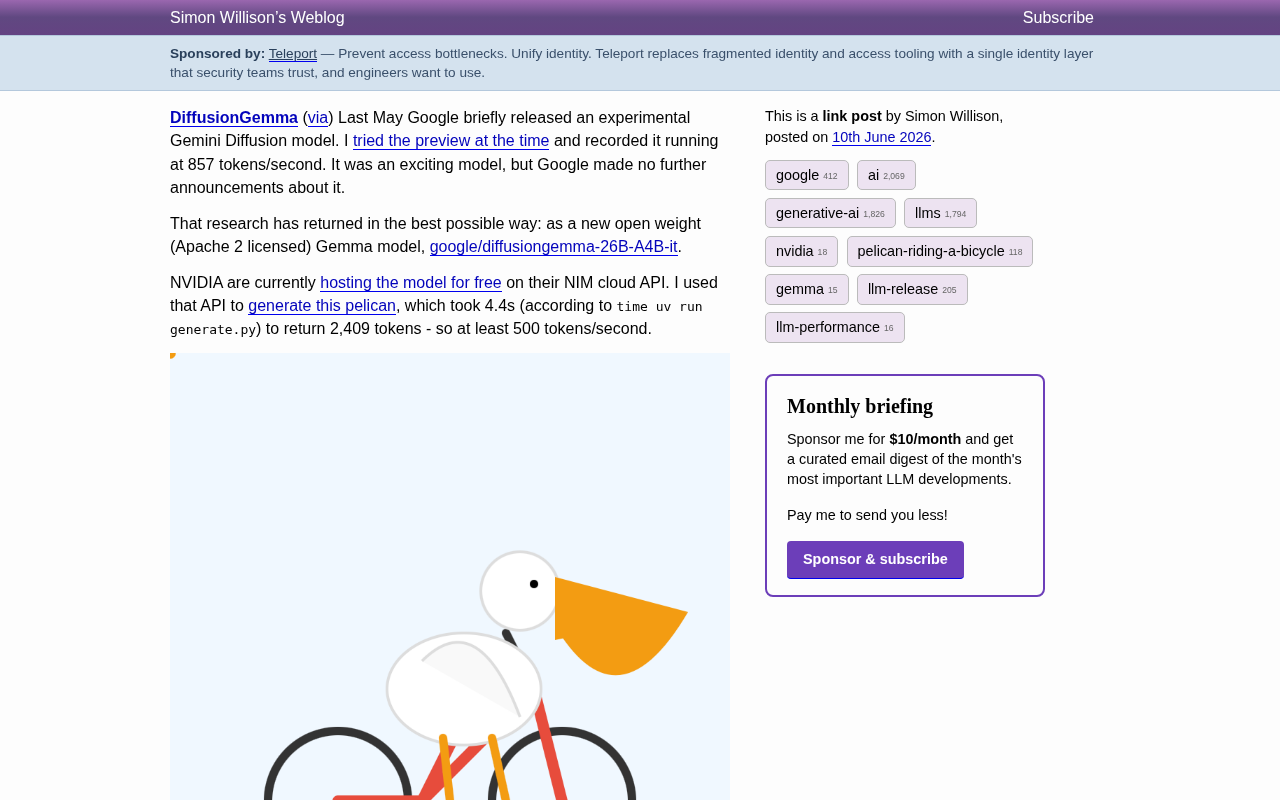
DiffusionGemma: Google's Open-Source Diffusion Language Model Exceeding 500 Tokens/s
Google releases DiffusionGemma, an open-source diffusion language model with Apache 2.0 license. The 26B-parameter MoE model achieves over 500 tokens/s in real-world tests.
Reviving a 28-Year-Old Quake 2 Custom …
Reviving a 28-Year-Old Quake 2 Custom Map with AI: New Possibilities in Digital Archaeology
A developer used AI tools to revive a 28-year-old Quake 2 custom map as a browser game, showcasing AI's new role in digital heritage restoration and game preservation.
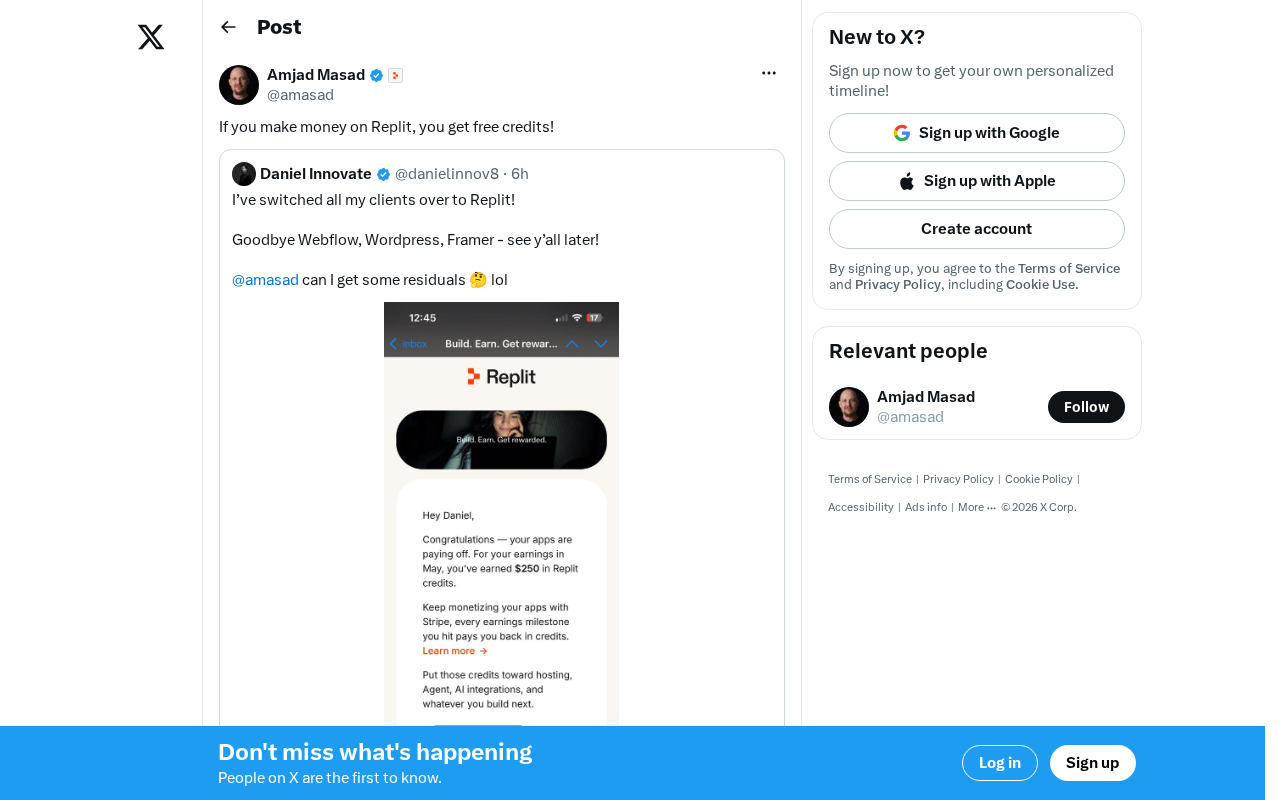
Replit's Revenue Incentive Policy Explained: Earn Money on the Platform, Get Free Credits
Replit's new revenue incentive policy gives developers free credits when they earn money on the platform. A deep dive into its impact on indie developers and the AI platform landscape.