OpenAI Secretly Files S-1: The Road to IPO Has Officially Begun
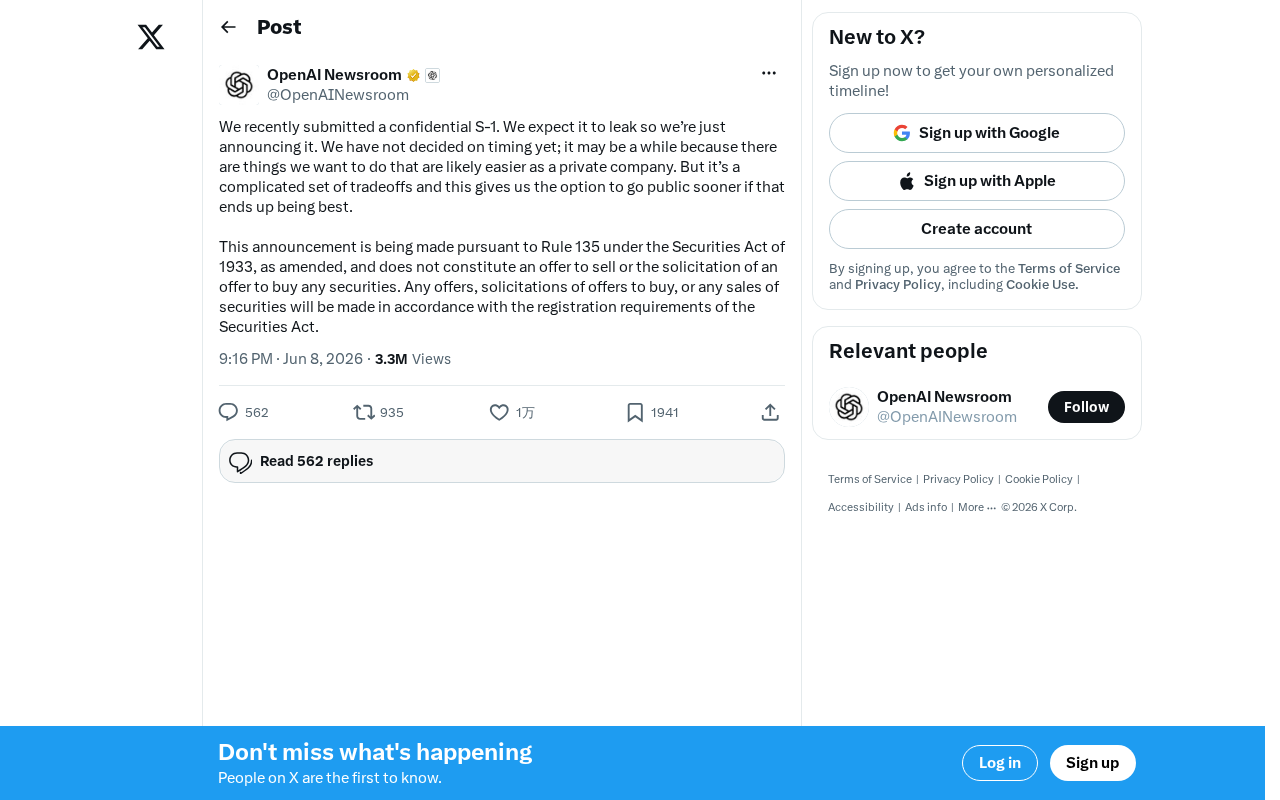
OpenAI confidentially files S-1 with the SEC, officially kicking off its IPO journey.
OpenAI has voluntarily disclosed that it has confidentially filed an S-1 registration statement with the SEC, formally beginning its IPO preparations. The company, which has transformed from a nonprofit founded in 2015 to one of the world's most valuable private tech companies at roughly $300 billion, is preserving strategic flexibility with no set timeline. The move carries profound implications for AI industry valuations, competition, and capital markets.
Breaking News: OpenAI Voluntarily Discloses IPO Plans
OpenAI recently posted a message on social media that sent shockwaves through the industry: the company has confidentially filed an S-1 (the registration statement required by the U.S. Securities and Exchange Commission for going public). What makes it even more intriguing is the reason OpenAI chose to voluntarily disclose this — "We expected it to leak, so we just announced it ourselves."
This candid and slightly humorous disclosure is very much in the style of OpenAI CEO Sam Altman, but the signal behind it is enormously significant: the world's most influential AI company has officially set foot on the path to the public markets.
What Does the S-1 Filing Mean?
The S-1 Registration Statement: The "Ticket" to an IPO
The S-1 is a registration statement that U.S. companies must file with the SEC before conducting an initial public offering (IPO), with its legal basis tracing back to the Securities Act of 1933. A complete S-1 typically consists of two main parts — a Prospectus and supplementary information — covering the company's financial data (usually requiring audited financial statements for the past three years), business model, risk factors, management information, intended use of proceeds, executive compensation, equity structure, and other core details. After receiving an S-1, the SEC conducts multiple rounds of review and typically issues Comment Letters requesting the company to supplement or revise information — a process that can take anywhere from several weeks to several months. Filing an S-1 is the most critical step in the IPO process and usually signals that a company is seriously preparing to go public.
Interestingly, OpenAI filed a "confidential" S-1, meaning the document's contents will not be made public for the time being. The U.S. JOBS Act (Jumpstart Our Business Startups Act, passed in 2012) originally allowed "emerging growth companies" with annual revenue below $1.07 billion to file S-1s confidentially. In 2017, the SEC extended this policy to all companies regardless of size. The system was designed to lower the barriers and risks of going public — companies can communicate back and forth with the SEC and make revisions without disclosing sensitive business information, and if they ultimately decide not to go public, the market may never even know the attempt was made. In recent years, well-known tech companies including Spotify, Airbnb, and Snowflake have all used this approach. Under the rules, companies are only required to publicly disclose S-1 contents 15 days before the official roadshow, giving OpenAI greater flexibility to engage in multiple rounds of revision with the SEC without exposing sensitive financial information.
A Strategic Choice That Preserves Flexibility
OpenAI specifically emphasized one point in its statement: "We haven't decided on a timeline; it could be a while, as some things may be easier to do as a private company." This statement reveals several layers of meaning:
First, filing an S-1 does not equal an immediate IPO. OpenAI is clearly preserving maximum strategic flexibility — filing the document gives them the option to go public at any time, but when they actually launch the IPO depends on market conditions and the company's own readiness.
Second, OpenAI acknowledges that being a private company offers certain advantages. Public companies face quarterly earnings pressure, public scrutiny, and stricter regulatory requirements — significant constraints for an AI company still rapidly iterating on its technology roadmap and frequently adjusting its business model.
From Nonprofit to IPO: OpenAI's Transformation Journey
A Profound Shift in Organizational Structure
OpenAI was founded in 2015 as a 501(c)(3) nonprofit organization, co-founded by Sam Altman, Elon Musk, Greg Brockman, and others, with the mission of ensuring that artificial general intelligence "benefits all of humanity." However, the enormous funding required to train large-scale AI models quickly strained the nonprofit structure. In 2019, OpenAI created a subsidiary called OpenAI LP with a "capped-profit" structure, where investor returns were limited to 100 times their investment — a unique hybrid structure with virtually no precedent in the tech industry. In 2024, as IPO plans advanced, OpenAI began converting the entire organization into a more traditional for-profit entity — a Public Benefit Corporation (PBC). This transformation involves complex legal procedures, including the need to conduct fair value assessments and compensation for assets held by the nonprofit entity. The process has triggered legal challenges from multiple parties, including Elon Musk, making it one of the most closely watched governance disputes in the tech industry.
Staggering Growth in Valuation and Fundraising
OpenAI's IPO plans did not come out of nowhere. Over the past two years, the company has undergone a profound transformation from a nonprofit organization to a for-profit entity. According to earlier reports, OpenAI's valuation in its most recent funding round reached approximately $300 billion, making it one of the highest-valued private tech companies in the world. The company's annualized revenue has reportedly surpassed several billion dollars, ChatGPT's user base continues to grow, and its enterprise API business is expanding rapidly.
Against this backdrop, an IPO serves both as a way to provide liquidity exits for early investors and as a means to raise capital for the next phase of massive infrastructure investment. The cost of training and running large language models (LLMs) constitutes the largest capital expenditure item for AI companies. For a GPT-4-class model, a single training run may require tens of thousands of high-end GPUs (such as NVIDIA H100) running for months, with compute costs alone potentially exceeding $100 million. The inference stage — the process by which the model responds to user requests — is equally expensive; ChatGPT's daily operating costs are estimated to potentially reach millions of dollars. This "train once, infer countless times" cost structure means that as the user base grows, inference costs will gradually surpass training costs to become an AI company's largest ongoing expense. Public market fundraising will provide OpenAI with more ample capital reserves to sustain this capital-intensive business model.
The Deeper Meaning Behind "Complicated Tradeoffs"
OpenAI used the phrase "complicated set of tradeoffs" to describe its current situation — a characterization worth examining closely. For OpenAI, the tradeoffs of going public span at least the following dimensions:
- Transparency vs. Competition: Going public means disclosing financial data and strategic direction, which in an environment of fierce competition with giants like Google, Anthropic, and Meta, could expose critical information. The current competitive landscape in AI is extraordinarily intense — Google DeepMind has built formidable competitive strength with its Gemini model series and Google Cloud's distribution advantages; Anthropic has received billions of dollars in investment from Amazon, and its Claude model excels in safety and long-context processing; Meta has chosen the open-source route, building an ecosystem through its Llama model series; and Elon Musk's xAI is rising rapidly with its Grok model and integration with the X platform. In the Chinese market, ByteDance, Baidu, Alibaba, and others are also investing heavily. This multi-front battle means that any company's technological lead could be closed within months, making the risks of information disclosure not to be underestimated.
- Short-term Pressure vs. Long-term Vision: Wall Street's quarterly earnings expectations could conflict with OpenAI's long-term mission of pursuing AGI (Artificial General Intelligence). AGI refers to an AI system with general cognitive capabilities equal to or exceeding those of humans, capable of excelling at any intellectual task rather than being limited to specific domains. The timeline and path to achieving this goal remain highly uncertain, with deep disagreements in both academia and industry over AGI's definition, feasibility, and even whether it should be pursued at all. Historically, Amazon's early post-IPO strategy of remaining unprofitable while focusing on long-term investment was heavily questioned by Wall Street. OpenAI may face a similar challenge — finding the balance between meeting investors' expectations for short-term returns and persisting with long-term technological breakthroughs.
- Governance Structure Adjustments: How OpenAI's unique nonprofit-for-profit hybrid governance structure will function after going public remains an unresolved challenge. The legal framework of a Public Benefit Corporation (PBC) requires the company to balance shareholder interests with public benefit, but how this dual mission is quantified and executed in practice has no mature precedent to follow.
- AI Regulatory Environment: Global AI regulatory policies are still evolving rapidly, and public company status could bring additional compliance burdens. The EU's AI Act took effect in 2024, and the U.S. is advancing multiple AI-related legislative initiatives. After going public, OpenAI will face stricter disclosure requirements and will need to explain regulatory risks and response strategies to investors in detail.
The Far-Reaching Impact of OpenAI's IPO on the AI Industry
If OpenAI successfully goes public, it will become one of the most iconic IPO events in the AI space. This would not only provide an important valuation benchmark for the entire AI industry chain but could also trigger a new wave of AI company IPOs. The IPO timelines of competitors like Anthropic and xAI could also be affected. From a broader perspective, OpenAI's IPO pricing will largely define the market's perception of "pure-play AI company" value — whether to value them like high-growth SaaS companies, infrastructure platforms, or whether an entirely new valuation framework is needed. The answers to these questions will profoundly influence capital allocation logic across the entire industry.
For ordinary investors, the OpenAI IPO will offer the first opportunity to directly participate in the growth of a world-leading AI company. However, it's equally important to recognize soberly that the AI industry is still in its early stages, and the sustainability of business models, uncertainty in technology roadmaps, and fierce market competition are all risk factors that cannot be ignored. It's worth noting that historically, many high-profile tech IPOs experienced dramatic price volatility in their early days — Facebook fell below its offering price on its first day of trading and took over a year to recover to that level. Investors should be fully prepared for this kind of volatility.
Conclusion
From a nonprofit research lab with the mission of "benefiting all of humanity" to a tech giant about to enter the public markets, OpenAI's transformation reflects the grand narrative of the entire AI industry moving from the laboratory to commercialization. The S-1 filing is just the beginning. The real test lies ahead: whether OpenAI can maintain its edge in technological innovation and its mission-driven spirit under the spotlight of the capital markets.
Regardless of the final IPO timeline, this news has sent a clear message: the most important capitalization moment for the AI industry is arriving.
Related articles
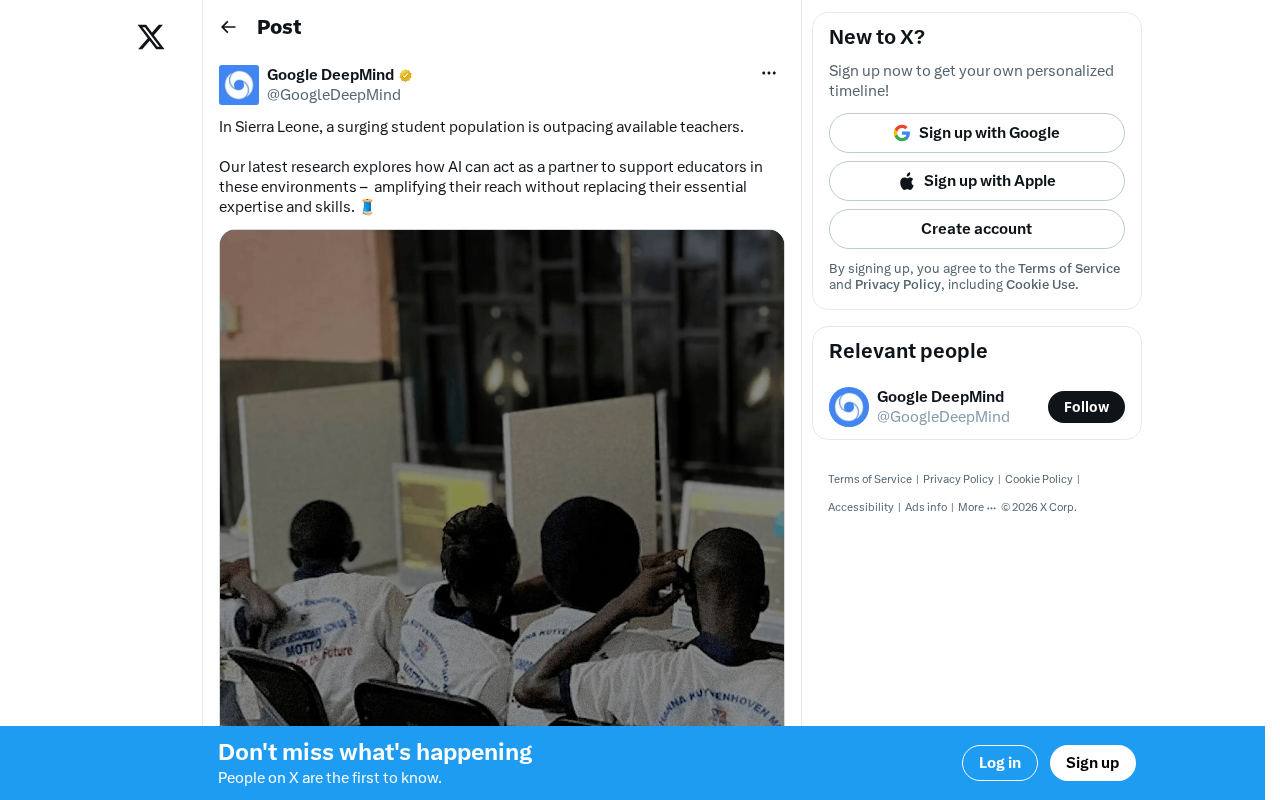
AI Alleviating Sierra Leone's Teacher Shortage: Technology Empowering Rather Than Replacing Educators
Sierra Leone faces severe teacher shortages. AI as a teacher partner can provide personalized tutoring, content preparation, and basic Q&A. This article analyzes AI education prospects, infrastructure challenges, and localization strategies in developing countries.

Hands-On Tutorial: Integrating Google Maps Grounding with Firebase AI Logic
Learn how to integrate Google Maps Grounding with Firebase AI Logic in three steps. Combine Gemini with map data to build smart location-aware AI apps.
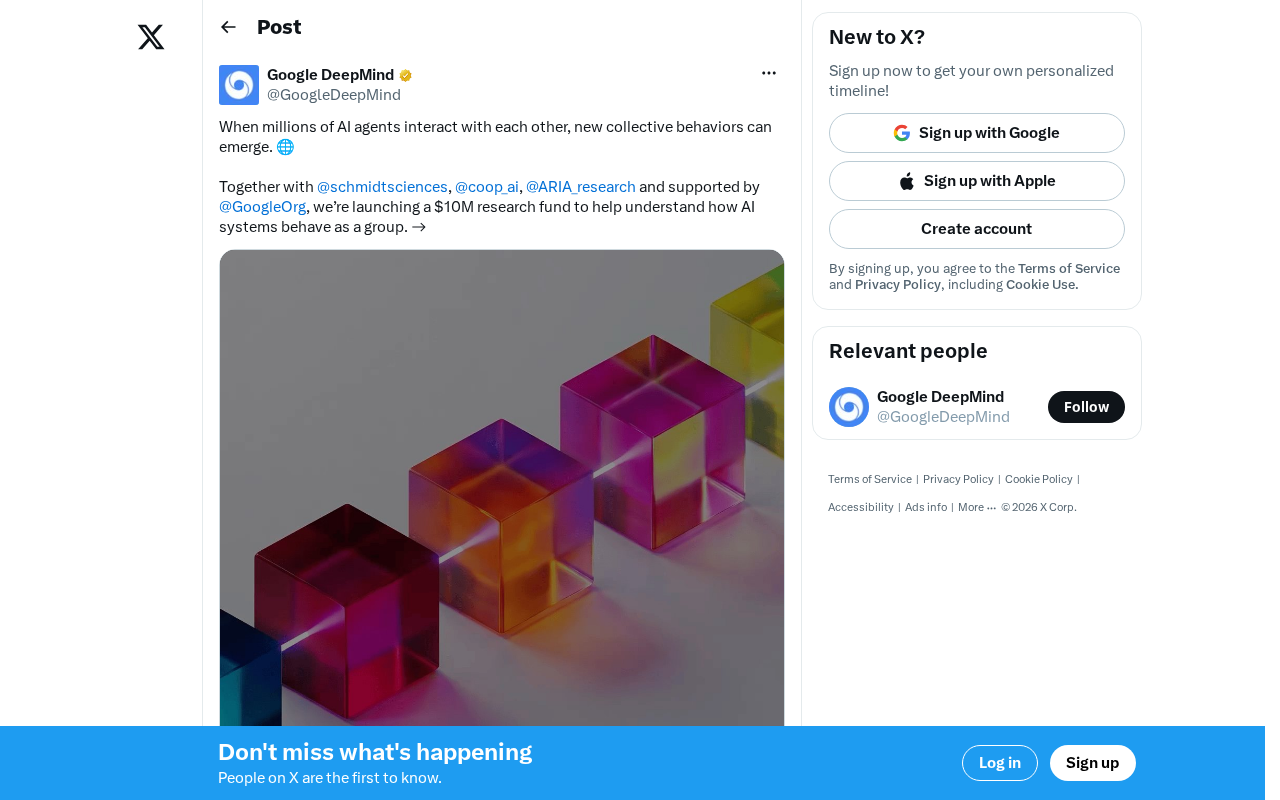
A $10 Million Research Fund Launches: What Happens When Millions of AI Agents Interact with Each Other?
Google.org and Schmidt Sciences launch a $10M fund to study collective behavior and emergent risks of multi-agent AI systems, from flash crashes to mass AI Agent deployment.