v0 Figma Integration: One-Click Conversion from Design Files to High-Fidelity Functional UI Code
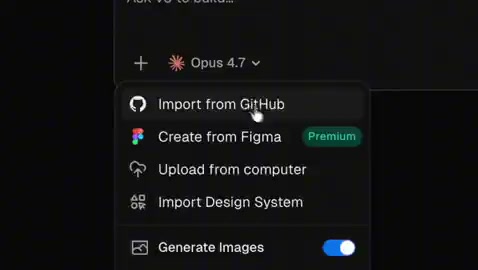
v0's new Figma integration converts static design files into high-fidelity functional UI code.
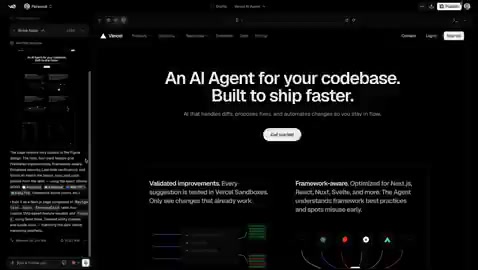
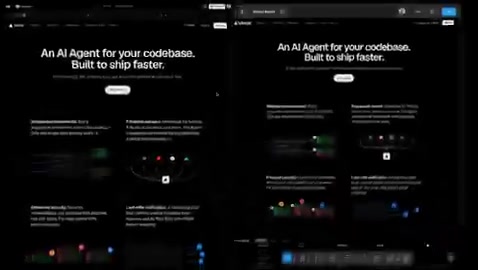
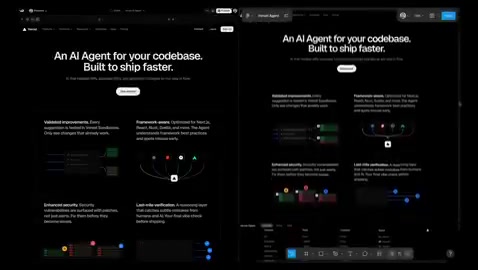
Vercel's AI code generation tool v0 has launched a new Figma integration that comprehensively parses design elements including layouts, typography, components, icons, and images, transforming static Figma designs into runnable, high-fidelity frontend code. Backed by the Vercel ecosystem and LLM capabilities, v0 generates semantic, maintainable code natively compatible with Next.js and React, significantly accelerating the design-to-development workflow.
Overview
v0, the AI code generation tool from Vercel, recently announced a brand-new Figma integration that transforms static Figma design files into functional, runnable UI code with an unprecedented level of fidelity. This update marks yet another major leap forward in the design-to-development workflow.
Vercel is a globally leading frontend cloud platform company, founded by Guillermo Rauch, the creator of the Next.js framework. Vercel's core products include the Next.js framework, an edge computing network, and an automated deployment platform, serving a broad user base ranging from individual developers to Fortune 500 enterprises. v0 is an AI-powered code generation tool launched by Vercel in 2023, initially centered on generating UI components from natural language. Users simply describe their interface requirements in plain text, and v0 generates runnable code based on React and Tailwind CSS. The launch of this Figma integration marks an important evolution for v0—from purely text-driven input to multimodal input (text + design files).
Figma is the de facto standard tool in the design industry today. In 2022, Adobe attempted to acquire Figma for a staggering $20 billion, and although the deal was ultimately terminated due to antitrust scrutiny, the event clearly demonstrated Figma's industry influence. Figma's core strengths lie in its browser-based real-time collaboration capabilities, a powerful component system (including Auto Layout, Variants, and Design Tokens), and an open plugin and API ecosystem. Figma design files are essentially structured data—every layer, component, and style is stored in a parseable data format, providing a natural data foundation for AI tools to read and understand design intent.
Core Capability Upgrades of the v0 Figma Integration
Comprehensive Design Element Parsing
The new Figma integration can comprehensively read and understand the following key design elements when importing design files:
- Layout: Precisely identifies page structure, spacing, alignment, and responsive layout logic. Responsive design is a fundamental requirement of modern web development, but Figma design files typically only present static views at specific breakpoints. The core challenge for AI tools is inferring complete responsive behavior logic from limited static designs. This requires the AI to understand Auto Layout direction, spacing, and padding rules, as well as how components should reflow at different container widths. v0's capability in this area means it not only reads Figma's Auto Layout parameters but also combines its understanding of common UI patterns to infer reasonable media query breakpoints and flexible layout strategies.
- Typography: Complete reproduction of text styles including font family, font size, line height, font weight, and more.
- Components: Identifies component structures in Figma and converts them into reusable code components. The technical implications of this capability go far beyond the surface—in Figma, the component system includes Main Components and Instances, supporting Overrides, Variants, and Component Properties. Accurately mapping these concepts to React component props, state management, and conditional rendering logic requires the AI to have deep understanding of two domains—design systems and frontend architecture. Ideally, the generated code components should form a one-to-one correspondence with components in the design system, supporting different visual states controlled through props, rather than generating separate hard-coded components for each variant.
- Icons: Automatically identifies and matches or exports icon assets used in the design.
- Images: Handles image assets in the design files to ensure visual consistency.
This means v0 is no longer simply "looking at images and writing code"—it truly understands the designer's intent and the logic of the design system.
Higher Code Fidelity
This update particularly emphasizes "higher fidelity than ever." In the past, when AI tools converted design files to code, deviations in details were common—incorrect spacing, mismatched fonts, and disorganized component structures were frequent issues.
Design-to-Code is not a new concept, but it has long faced enormous technical challenges. Traditional approaches primarily relied on rule engines, converting design elements into CSS properties and HTML structures through predefined mapping rules, but this approach often fell short when handling complex layouts and responsive adaptation. Early tools like Zeplin mainly addressed design annotation and asset export issues without directly generating usable code. Later tools such as Anima and Locofy began attempting automatic code generation, but the quality of generated code was inconsistent, often producing large amounts of absolute positioning and hard-coded values with poor maintainability. v0's breakthrough lies in introducing the semantic understanding capabilities of large language models, which can not only identify pixel-level properties of visual elements but also infer the designer's layout intent—for example, determining whether a particular arrangement should use Flexbox or CSS Grid, or whether a certain spacing value should use a standard spacing token from the design system.
This v0 upgrade clearly targets these pain points with deep optimization, minimizing the gap between generated code and the original design files.
Practical Impact on the Design-Development Workflow
Bridging the Gap Between Designers and Developers
Collaboration between designers and developers has long been a pain point in product development. The visual effects that designers meticulously craft in Figma often require extensive communication and rework during the development phase. v0's Figma integration automates this "translation" process directly, significantly reducing information loss.
Accelerating the Prototype-to-Product Pipeline
For startup teams and independent developers, this feature is particularly valuable. After designers complete their Figma designs, they can directly generate runnable frontend code through v0, compressing what would normally take days of development work into an initial draft completed in minutes.
Competitive Comparison with Anima, Locofy, and Similar Tools
There are already quite a few design-to-code tools on the market, such as Anima and Locofy. v0's advantage lies in being backed by the Vercel ecosystem—the generated code is naturally compatible with the Next.js and React ecosystem, and combined with the understanding capabilities of large language models, it can produce more semantic and maintainable code structures.
Next.js is currently the most mainstream full-stack framework in the React ecosystem. According to the State of JS 2023 survey, Next.js usage leads by a wide margin among meta-frameworks. The code generated by v0 can directly use the shadcn/ui component library—a component library based on Radix UI and Tailwind CSS maintained by Vercel team members—which means the generated code not only visually reproduces the design files but also automatically includes accessibility support, keyboard navigation, and screen reader compatibility. In comparison, while Anima and Locofy support multi-framework output, they struggle to match this level of deep integration with a specific ecosystem.
Future Outlook: The New Paradigm of Design as Code
As AI continues to penetrate deeper into the design-development toolchain, we are witnessing the formation of a new paradigm: Design as Code. This v0 update is not just a feature iteration—it represents an industry trend. In the future, frontend development may gradually shift from "writing code" to "reviewing and optimizing AI-generated code."
For designers, this also means their Figma files need to be more standardized and structured, as AI tools will directly read this information to generate code. Well-organized design systems and component specifications will become more important than ever. This requirement aligns perfectly with the industry trend toward Design Tokens standardization. Design Tokens is a specification being advanced by the W3C Community Group, aimed at defining design decisions (such as colors, spacing, fonts, etc.) in a platform-agnostic format, enabling design systems to sync seamlessly across design tools, code, and documentation. Figma introduced its Variables feature in 2023, which is essentially native support for the Design Tokens concept. When designers use Variables to define colors, spacing, and fonts, AI tools can directly map these variables to CSS custom properties or Tailwind CSS theme configurations, achieving true design-code consistency. This also means that the designer's role will increasingly resemble that of a "visual architect," where their design files themselves serve as the Single Source of Truth for the product.
Key Takeaways
Related articles
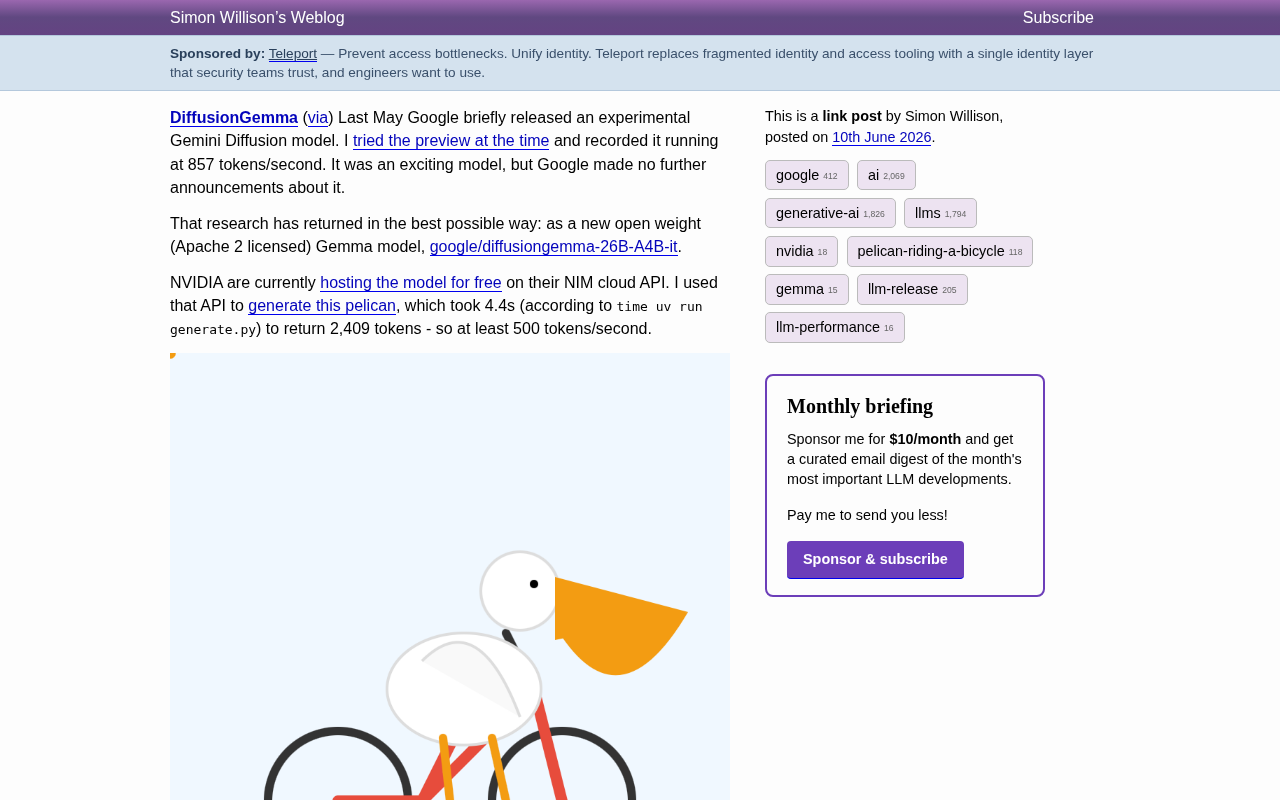
DiffusionGemma: Google's Open-Source Diffusion Language Model Exceeding 500 Tokens/s
Google releases DiffusionGemma, an open-source diffusion language model with Apache 2.0 license. The 26B-parameter MoE model achieves over 500 tokens/s in real-world tests.
Reviving a 28-Year-Old Quake 2 Custom …
Reviving a 28-Year-Old Quake 2 Custom Map with AI: New Possibilities in Digital Archaeology
A developer used AI tools to revive a 28-year-old Quake 2 custom map as a browser game, showcasing AI's new role in digital heritage restoration and game preservation.
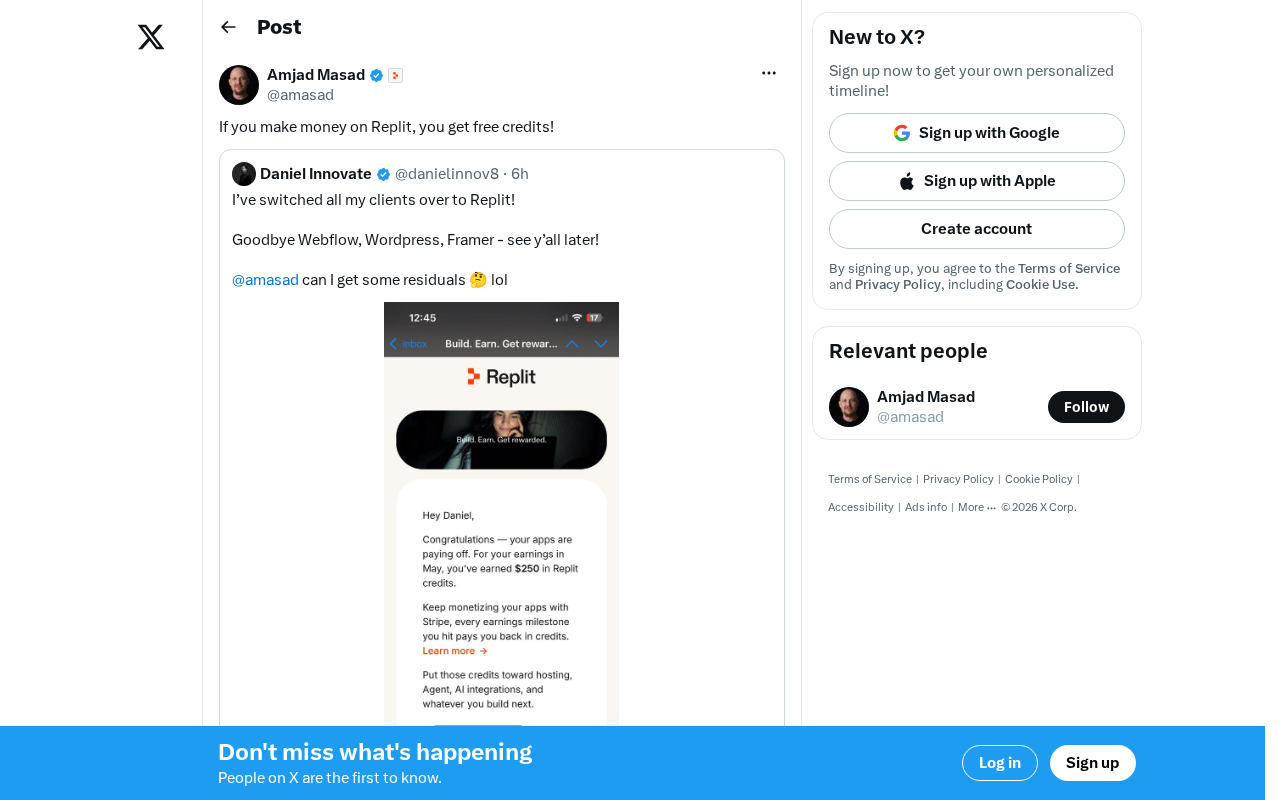
Replit's Revenue Incentive Policy Explained: Earn Money on the Platform, Get Free Credits
Replit's new revenue incentive policy gives developers free credits when they earn money on the platform. A deep dive into its impact on indie developers and the AI platform landscape.