WWDC26 Developer Conference: Apple's AI Development Frameworks and Comprehensive Apple Intelligence Upgrades Explained
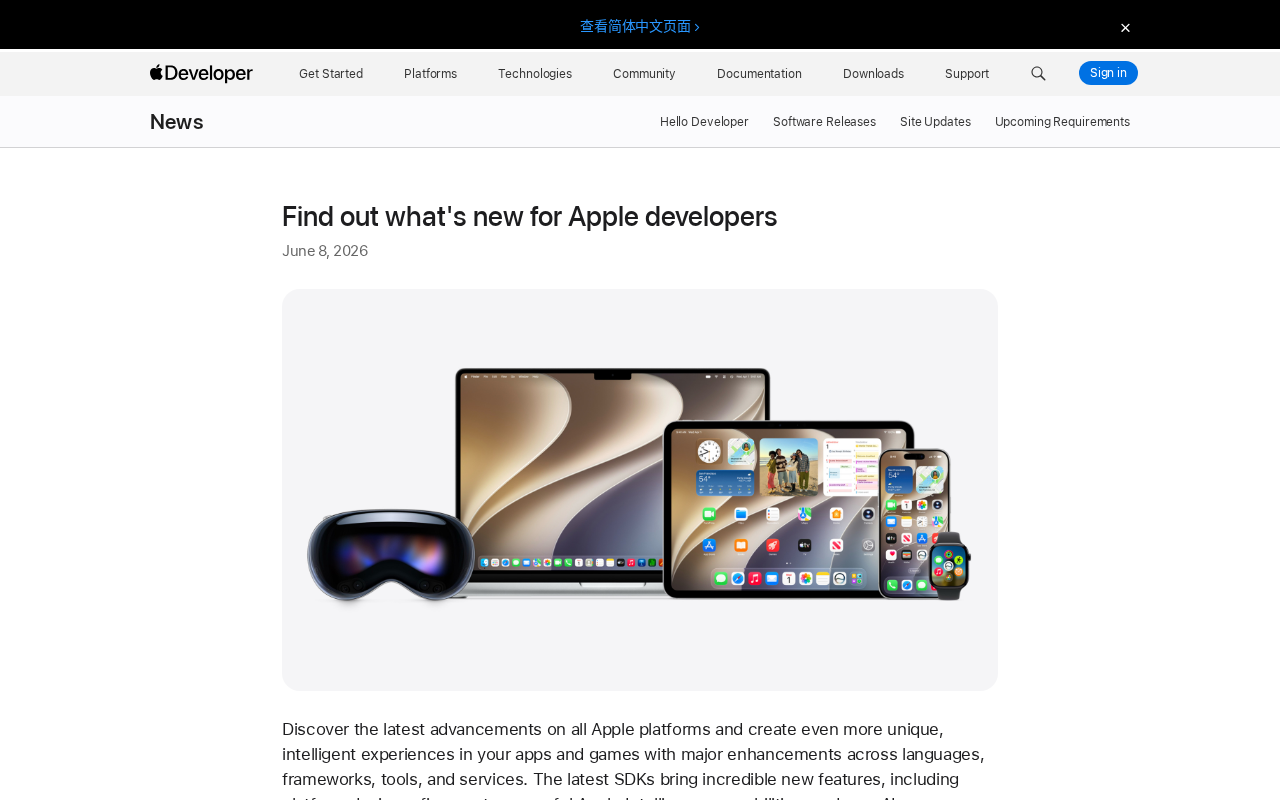
WWDC26 unveils Apple's new AI frameworks, enhanced Apple Intelligence, and refined platform design for developers.
Apple's WWDC26 introduces three major updates for developers: platform design refinements for better cross-platform consistency, significantly enhanced Apple Intelligence capabilities opening system-level AI to third-party apps, and brand-new standalone AI development frameworks that lower barriers to on-device AI integration. These changes signal Apple's commitment to building a privacy-focused AI development ecosystem.
Overview
At WWDC26, Apple officially released new SDKs and toolchain updates for developers across all Apple platforms. The core theme of this update centers on deep AI integration, including platform design optimizations, enhanced Apple Intelligence capabilities, and brand-new AI development frameworks—marking a significant step forward in Apple's AI development ecosystem.
Three Core Update Directions
Platform Design Refinements
Apple has long been known for its design-driven experiences, and WWDC26 continues this tradition. The latest SDK introduces platform design refinements, giving developers access to more unified and modern UI components and interaction paradigms when building apps. For cross-platform developers, this unified design language will significantly reduce adaptation costs and improve multi-device consistency.
Major Apple Intelligence Enhancements
Apple Intelligence is Apple's previously introduced on-device AI framework, and this update delivers powerful Apple Intelligence capabilities. Apple is opening up more AI inference capabilities to third-party developers, enabling apps to leverage system-level intelligent features across scenarios including:
- Natural language understanding and generation
- Image recognition and processing
- Personalized recommendations and contextual awareness
Developers can now create more unique intelligent experiences within their apps and games, with API openness and flexibility significantly improved compared to the previous generation.
New AI Development Frameworks Released
The most notable announcement is Apple's launch of new AI development frameworks. This marks the first time Apple has provided native AI development support through standalone frameworks, rather than relying solely on traditional machine learning tools like Core ML. The new frameworks bring the following changes:
- Developers can more easily integrate AI capabilities into their apps
- The barrier to AI development within the Apple ecosystem is further lowered
- The architecture for on-device AI inference and cloud collaboration is more mature
- Calls to Apple's Neural Engine are more efficient
Developer Resources and Toolchain
Apple has simultaneously made the following resources available to developers:
- Latest Beta Software: Developers can download and install immediately to adapt to new systems ahead of time
- Complete Documentation and Sample Code: Helping developers quickly get started with new APIs and frameworks
- Swift and SwiftUI Enhancements: Major improvements to core development languages and frameworks that boost development efficiency
- Cross-Platform Adaptation Tools: Simplifying multi-platform development workflows across iOS, macOS, watchOS, and visionOS
Industry Impact Analysis
Apple's investment in AI development frameworks this time is unprecedented. Compared to Google's Gemini ecosystem and Microsoft's Copilot platform, Apple has chosen a differentiated path that emphasizes privacy and on-device computing. The launch of these new AI development frameworks could reshape the mobile AI application development paradigm—developers will no longer need to rely on third-party cloud services and can instead leverage Apple hardware's Neural Engine directly for efficient inference.
For developers in China, this also means more native tools will be available for building AI applications on iOS and macOS platforms, reducing dependence on external SDKs while gaining inherent advantages in data privacy compliance.
Conclusion
The developer updates at WWDC26 send a clear signal: Apple is going all-in on pushing AI capabilities down to the developer tools layer, rather than keeping them at the surface level of system features. As the new SDKs and AI frameworks roll out, we can expect to see a wave of innovative applications deeply integrating Apple Intelligence, driving mobile AI applications into a new phase.
Related articles
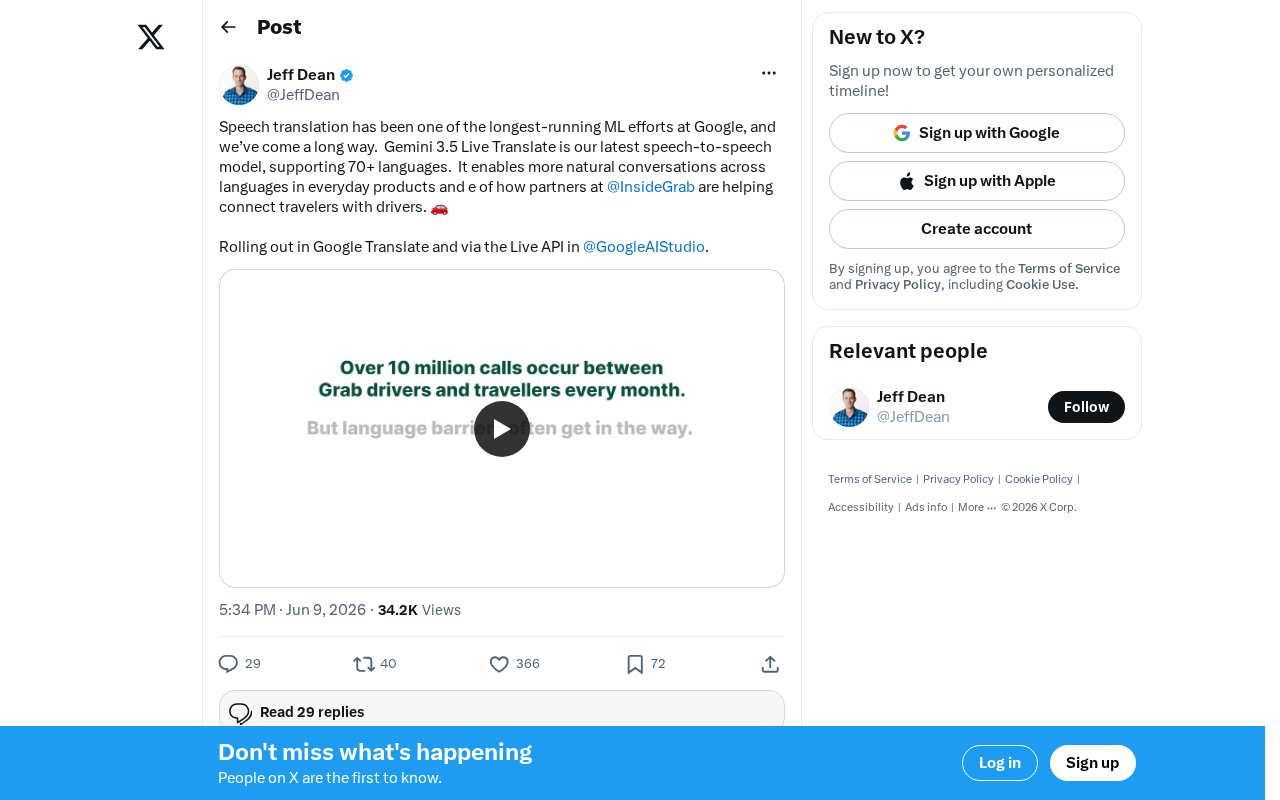
Gemini 3.5 Live Translate Launch: A Deep Dive into the Speech-to-Speech Translation Model Supporting 70+ Languages
Google launches Gemini 3.5 Live Translate, a speech-to-speech translation model supporting 70+ languages. Learn about its end-to-end architecture, Grab partnership, and developer access via Live API.
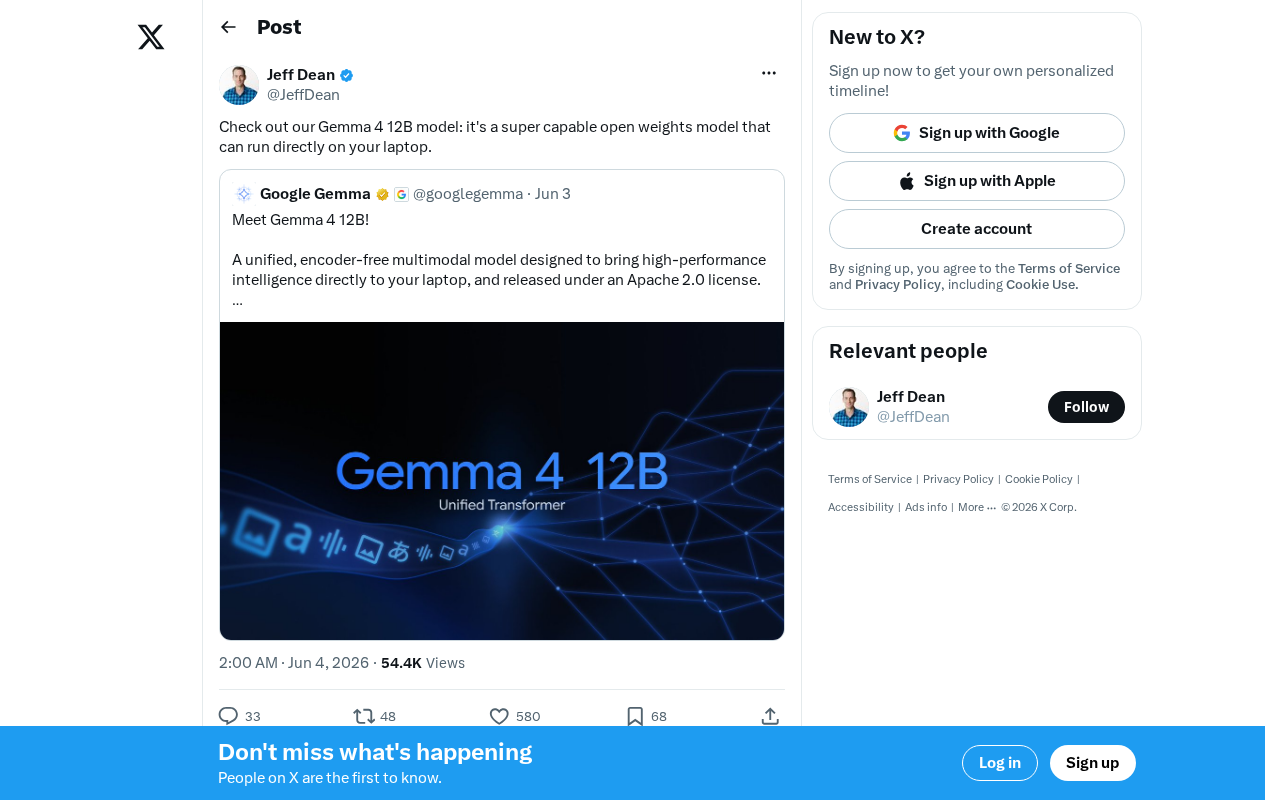
Gemma 4 12B: Google's Open-Weight Model Runs Locally on Your Laptop
Google releases Gemma 4 12B, an open-weight model that runs locally on laptops. Learn about its performance, local deployment value, and the open-source LLM competitive landscape.

Non-Technical Founders Built a $50K/Month SaaS Product Using AI Tools
Two non-coders built Shipper to $50K MRR in 6 months using AI tools. Learn their reverse-engineering, zero-free-tier, and viral growth playbook for indie developers.