Your AC Is Showing a User Agreement? The Smart Home Privacy Dilemma and How to Deal With It
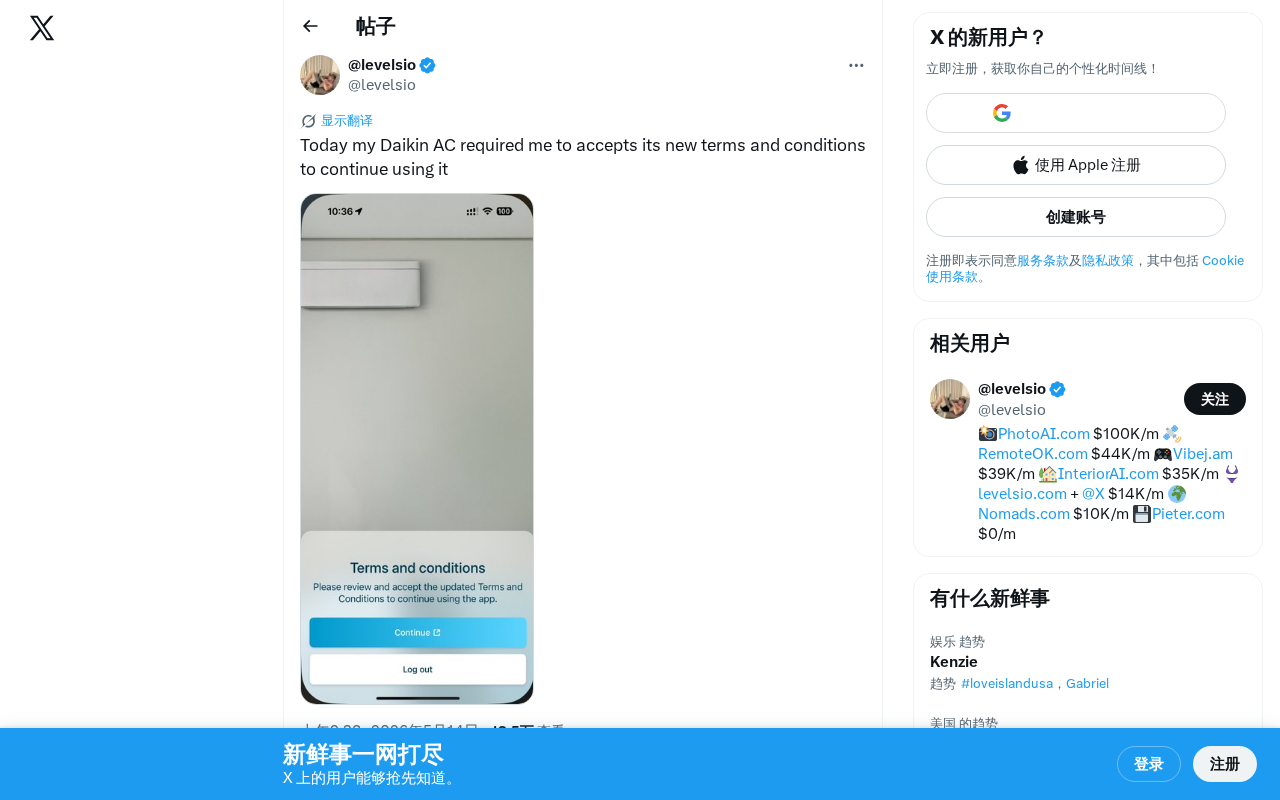
A Daikin AC demanding new terms acceptance exposes the growing smart home privacy crisis.
A Daikin air conditioner forcing users to accept new terms before continued use highlights the accelerating trend of hardware subscription models and aggressive data collection in smart homes. This article examines how IoT devices erode consumer control, analyzes the commercial value of household data, and offers practical strategies including local control solutions, open-source platforms like Home Assistant, and an overview of emerging regulations like the EU Data Act.
When Your Air Conditioner Starts Showing User Agreements
A user recently shared a disturbing experience on Twitter: their Daikin air conditioner suddenly demanded they accept new terms and conditions before they could continue using it. The tweet quickly sparked widespread discussion, thrusting smart home device privacy issues back into the spotlight.
An appliance that should only be responsible for heating and cooling is now popping up user agreements like a smartphone app — this isn't just a product design issue, it reflects a deeper transformation underway across the entire smart home industry.
From Appliances to Services: The Acceleration of Hardware Subscription Models
You No Longer Own a Product — You Own the Right to Use It
The traditional home appliance business model was simple: you pay, you get the device, and it's entirely yours. But with the proliferation of IoT (Internet of Things), more and more appliance manufacturers are transforming their products into "services."
The Internet of Things refers to a technology ecosystem that connects physical devices to the internet through sensors, communication modules, and cloud computing platforms to enable data exchange. In the home appliance space, this typically means devices have built-in WiFi or Bluetooth modules that communicate with manufacturers' cloud servers for remote control and data synchronization. The critical technical shift is this: traditional appliances run their control logic entirely on local chips, while smart appliances depend on cloud computing for many functions. This architectural design means manufacturers retain substantive control over the software layer even after the device is sold — they can push updates, modify features, and even require users to re-accept service terms.
This also means that even if you spend thousands on an air conditioner, the manufacturer can still alter your usage experience through software updates and terms changes.
Daikin's approach is far from an isolated case. Similar examples have become increasingly common:
- HP printers use firmware updates to block third-party ink cartridges
- Tesla remotely disables paid features on purchased vehicles via OTA
- Samsung smart TVs forcibly insert ads into the user interface
- Various smart speakers continuously collect user voice data for algorithm training
It's worth elaborating on the double-edged nature of OTA (Over-The-Air) remote update mechanisms. OTA is a technology that remotely updates device firmware or software over wireless networks, originally widely used for smartphone OS upgrades. After Tesla introduced this concept to the automotive industry, OTA became the standard method for continuous hardware iteration. The positive side is that manufacturers can fix security vulnerabilities and optimize performance; but the controversial side is equally prominent — in 2020, Tesla remotely disabled the paid Autopilot features on a used car via OTA, arguing that the feature license was non-transferable with the vehicle. This incident revealed the unilateral power OTA grants manufacturers: after a product is sold, consumers don't have complete control over hardware functionality.
These events collectively point to a trend: consumer control over purchased hardware is being gradually eroded.
The Data Collection Ambitions Behind the Terms
Why does an air conditioner need users to agree to new terms? The most likely reason is a change in data collection strategy. The data that modern smart air conditioners can collect far exceeds what ordinary users might imagine:
- Usage habits: On/off times, temperature preference settings, daily usage duration
- Environmental data: Indoor temperature and humidity curves, air quality metrics
- Location information: Precise geographic location obtained through WiFi connections
- Household routines: Inferring number of occupants and daily living patterns through usage patterns
This data holds enormous value for targeted advertising, insurance risk pricing, energy market trading, and other commercial scenarios — which is the core driver behind manufacturers continuously expanding their data collection scope.
The reason smart home device data has such enormous commercial value is that it can construct extremely detailed user profiles. Take AC data as an example: usage times can infer a user's work and rest schedule; temperature preferences combined with geographic location can be used for energy companies' load forecasting and peak/off-peak pricing; household routine patterns have reference value for insurance companies assessing residential risk. In the data broker industry, this type of behavioral data is typically packaged and sold to third parties. According to Statista estimates, data generated by the global smart home market will become an independent asset class worth billions of dollars by 2025. When manufacturers modify terms to expand data collection permissions, they are essentially establishing ownership rights over these data assets.
The Dilemma Facing Smart Home Users
Refuse the Terms and Your Device Becomes Useless?
The most concerning aspect of this incident is that users apparently must accept the new terms to continue using the device. This raises a fundamental question — if you refuse to agree, does the hardware you paid for become a useless brick?
In traditional software, users can at least choose not to update and continue using the old version. But when this logic is applied to physical devices, the problem becomes far more severe: you can't roll back an air conditioner's firmware to factory settings, nor can you engage in a prolonged rights dispute with the manufacturer during a heatwave.
Informed Consent Is Just an Illusion
Even if users choose to read these terms word by word (the vast majority won't), the lengthy and obscure legal text is nearly impossible for ordinary consumers to truly understand. This so-called "consent" is essentially coercion — between "accept the terms to continue using" and "refuse the terms and lose functionality," consumers have no real choice.
Industry Reflection and Consumer Response Strategies
What Ordinary Consumers Can Do
Facing smart home privacy risks, consumers are not entirely powerless:
- Research before buying: Understand whether a device must rely on cloud services to run basic functions, and prioritize products that support offline mode
- Prioritize local control solutions: Smart home devices that can operate independently within a local network have significantly lower privacy risks
- Explore open-source alternatives: Open-source smart home platforms like Home Assistant can control devices locally, reducing dependence on manufacturer cloud services
- Speak up collectively: Push for relevant legislation through consumer protection organizations to create effective constraints on manufacturers
Home Assistant deserves special attention here. It's an open-source home automation platform that runs on the user's own local server (typically a Raspberry Pi or home NAS). Its core feature is that all data processing and device control happens within the local network, without relying on any manufacturer's cloud service. It supports direct communication with smart devices through protocols like Zigbee, Z-Wave, and Matter, bypassing manufacturers' cloud middleware. This means that even if a manufacturer discontinues service or modifies terms, basic device functionality can still be maintained through the local system. As of 2024, Home Assistant supports over 2,700 device integrations, making it the primary technical choice for privacy-conscious users fighting cloud lock-in.
Regulatory Frameworks Need to Catch Up Faster
The EU's Digital Markets Act and Data Act have already begun addressing these issues, explicitly requiring device manufacturers to ensure basic functionality doesn't depend on users' data-sharing consent. China's Personal Information Protection Law similarly stipulates that providers cannot refuse to deliver basic product or service functionality on the grounds that users don't consent to personal information processing.
Specifically, the EU leads globally in digital regulation legislation. The Digital Markets Act (DMA), which took effect in 2023, primarily targets monopolistic behavior by large platforms, while the Data Act, being gradually implemented from 2024, directly concerns the rights of smart device users. The Data Act explicitly states: users have the right to access and transfer data generated by IoT devices; device manufacturers cannot degrade a product's basic functionality because users refuse to share non-essential data. Additionally, the EU's General Data Protection Regulation (GDPR) requires that data processing must have a clear legal basis and that user consent must be freely given — meaning the "can't use it if you don't agree" design pattern may constitute a violation under EU law.
But legal enforcement often lags behind technological evolution. In the smart home space, we urgently need clearer rules: a device's basic hardware functionality should not be held hostage by software terms.
Conclusion: Convenience Should Not Come at the Cost of Privacy
An air conditioner popping up a user agreement may seem like a minor episode, but it's a true microcosm of where the smart home industry is heading. When refrigerators, washing machines, and even door locks all go online, everyone needs to seriously consider: what is the true cost of convenience? How much privacy and autonomy are we willing to trade for so-called "smart" experiences?
Technology should serve people — not turn people into data suppliers.
Related articles

Claude Code for Test Development in Practice: An AI Programming Workflow That Doubles Your Efficiency
A practical guide to Claude Code for test development: auto-generating test scripts, Plan Mode workflows, MCP + Playwright integration, and Subagent parallel tasks to build systematic AI-assisted workflows.
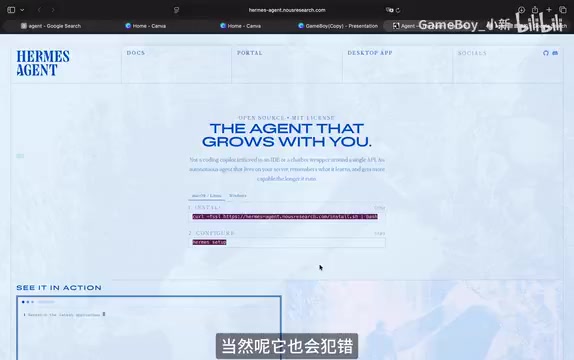
Hermes Agent Hands-On Review: An AI Efficiency Revolution for Indie Game Developers
Indie game developer reviews Hermes Agent vs OpenClaude: intelligent context compression, real-time Memory, remote control via Telegram, and practical use cases in game dev, social media, and email.
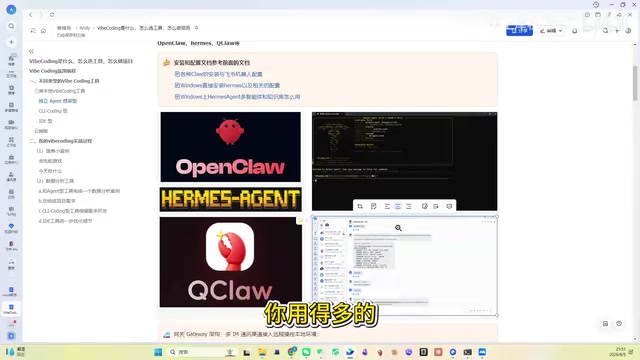
Vibe Coding Beginner's Guide: Tool Selection Across Three Categories with Practical Examples
A comprehensive guide to Vibe Coding's three tool categories: Agent frameworks, CLI Coding, and IDE tools, with practical examples including Snake game and data analysis workbench.