Deep Dives
In-depth AI analysis, industry observations, and technical insights — slow down and read.
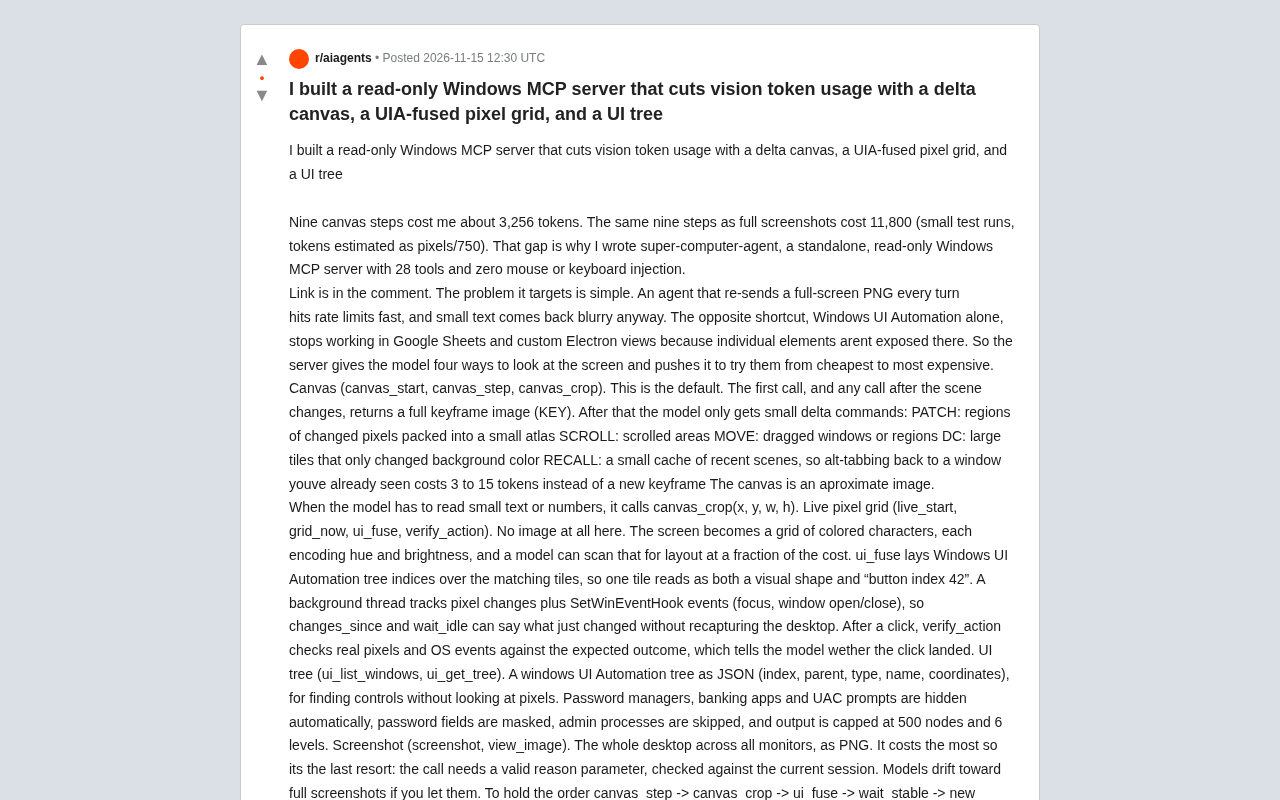
Read-Only Windows MCP Server: How a Delta Canvas Drastically Cuts Vision Tokens
A read-only Windows MCP server uses a delta canvas, UIA-fused pixel grid, and four-tier UI tree fallback to cut vision tokens from ~11,800 to ~3,256 for nine steps.
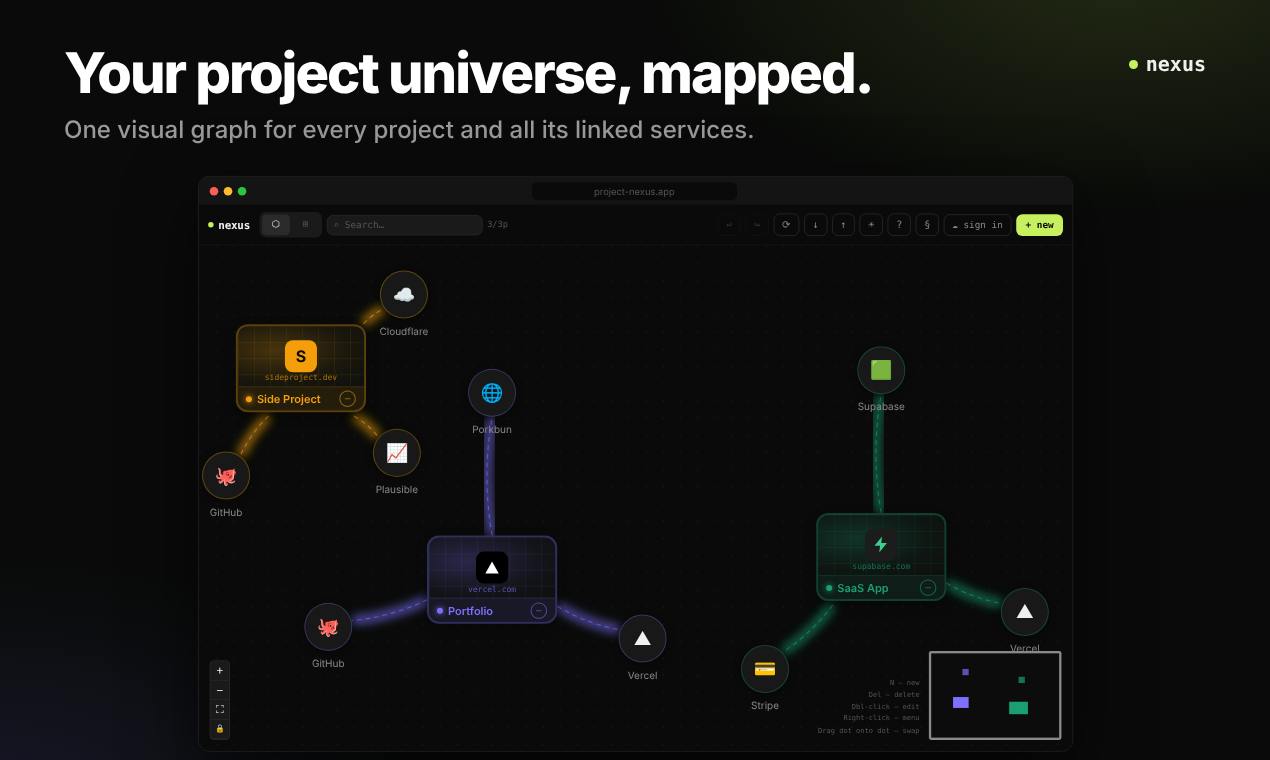
Nexus: Untangling All Your Project Dependencies in One Visual Graph
Nexus is a Product Hunt developer tool that maps software projects and their dependent services in one visual graph. Click any node to open its dashboard. No account needed, data stays in your browser, free for up to 3 projects.
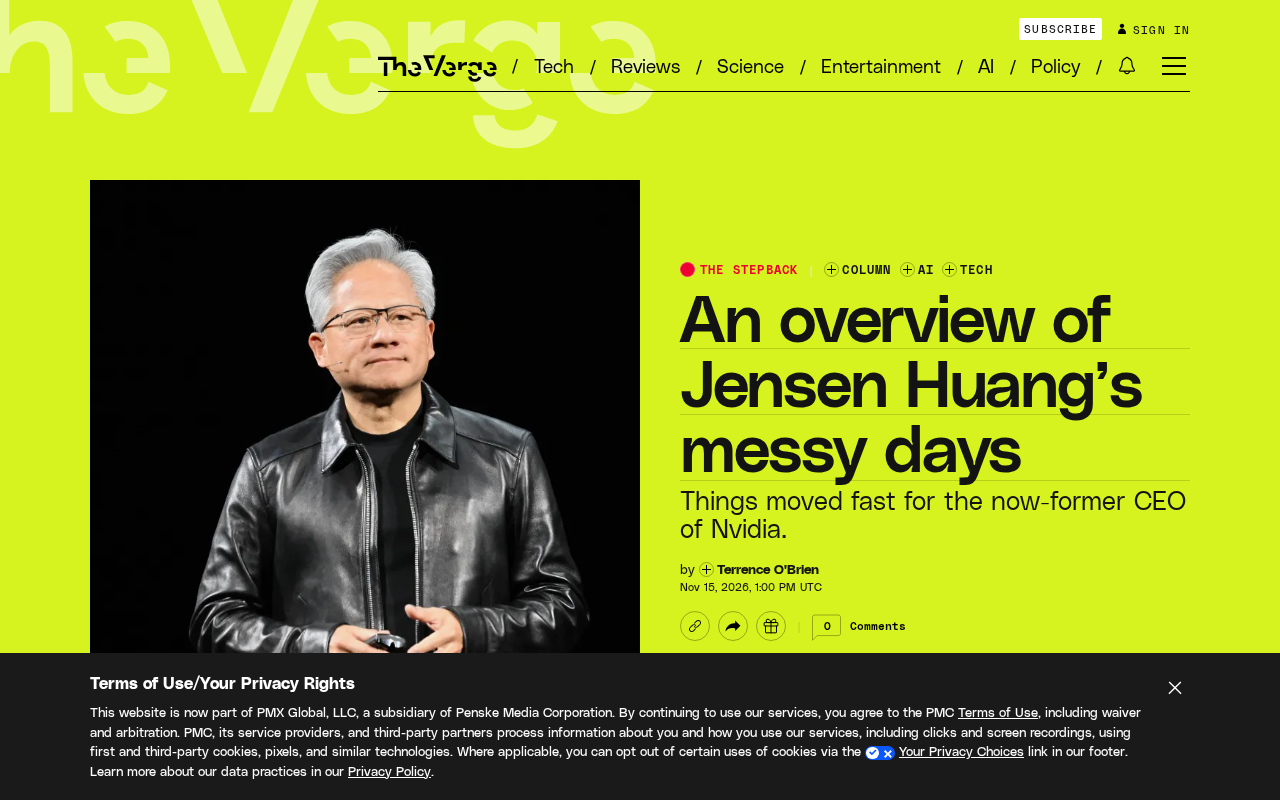
Jensen Huang's Messy Moment: Inside Nvidia's Leadership Crisis
Nvidia CEO Jensen Huang faces a "messy moment" as The Stepback spotlights his leadership crisis—the October trigger, multiple readings, and ripples for AI compute.
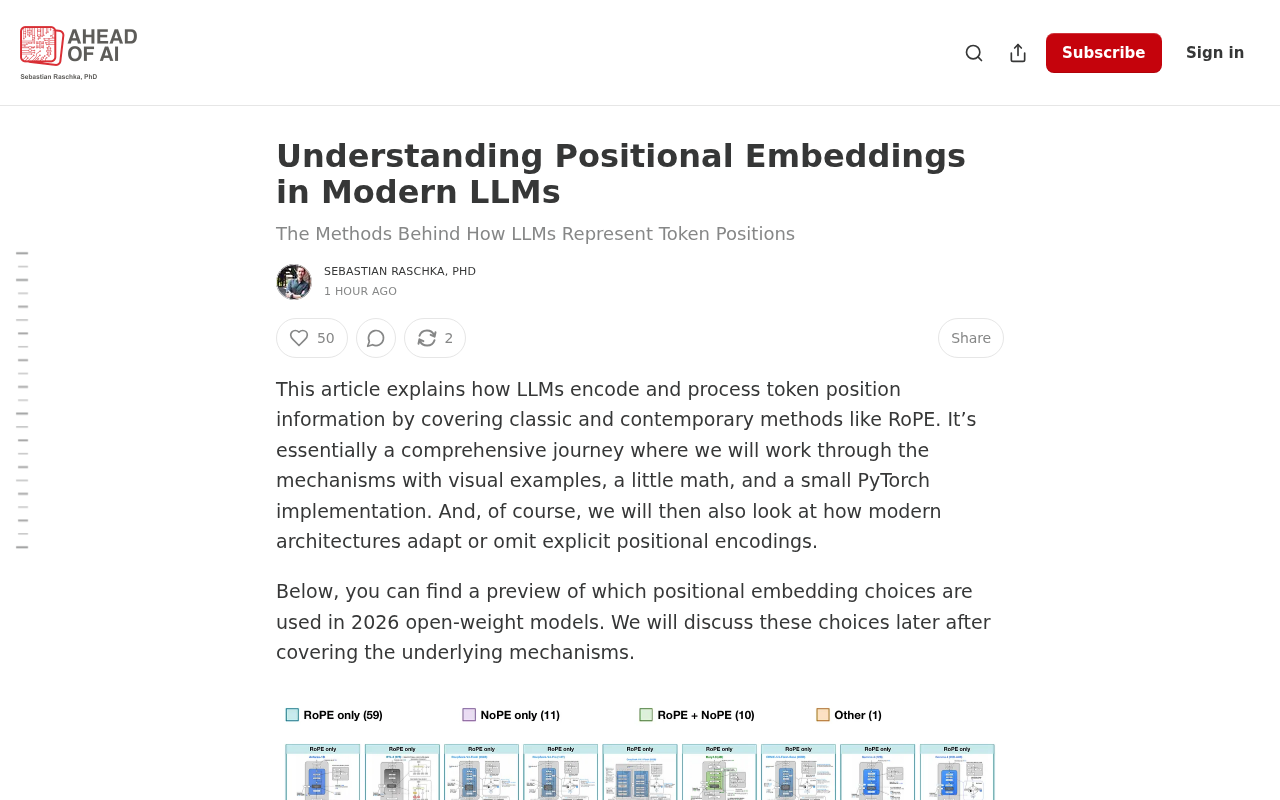
Positional Encoding in LLMs: From Absolute to Relative and Rotary Mechanisms
A review of positional encoding implementations in modern LLMs: absolute, relative, and rotary positional encoding (RoPE), and their trade-offs in length extrapolation and engineering.
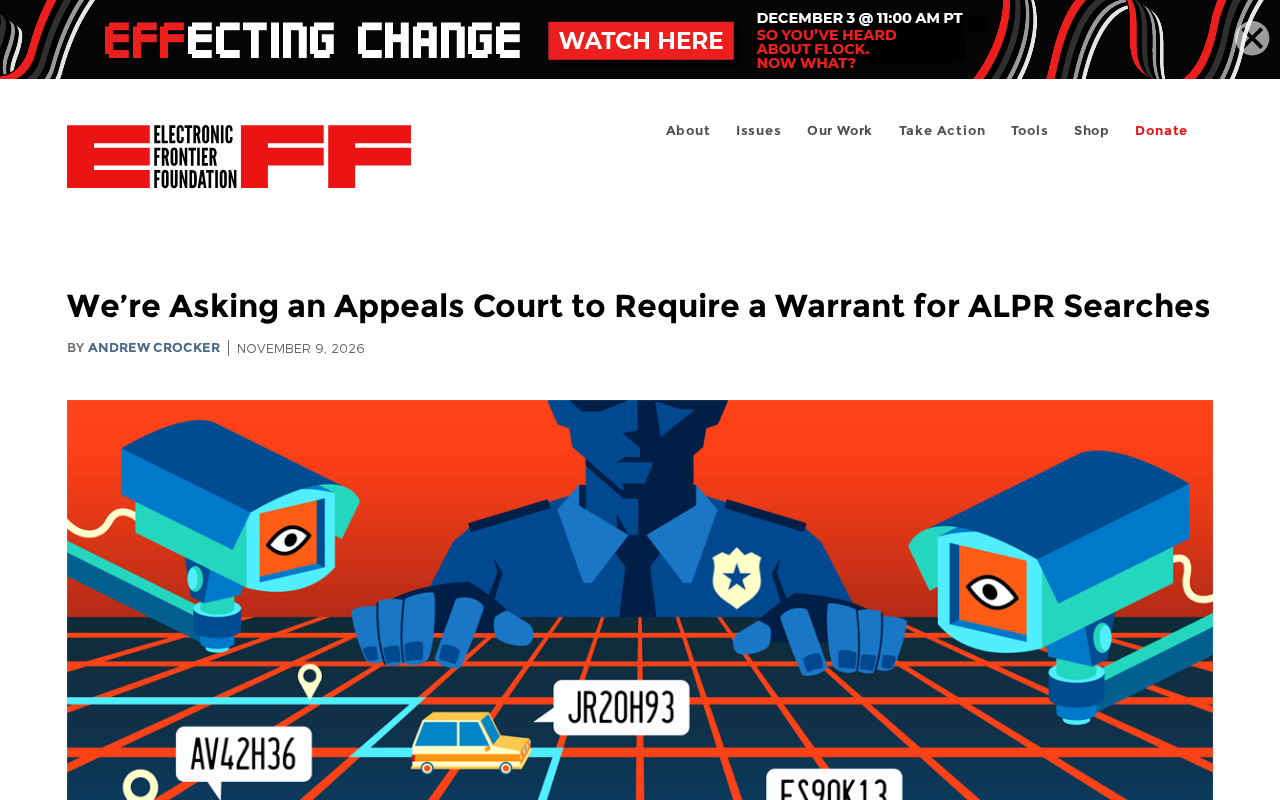
EFF Urges Appeals Court: ALPR Searches Require a Warrant
EFF asks an appeals court to require warrants for ALPR database searches, analyzing data aggregation risks, Fourth Amendment privacy logic, and the law enforcement efficiency vs. citizen privacy debate on Hacker News.
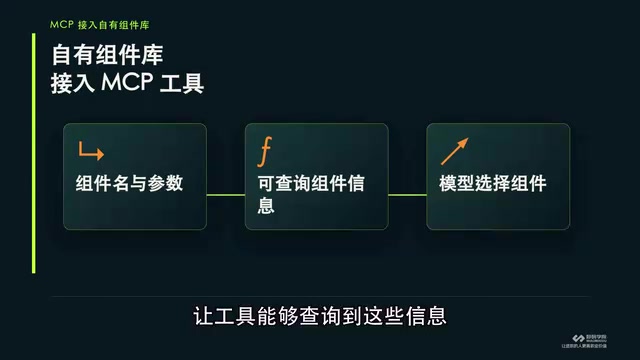
Component Library MCP in Practice: Make AI Prioritize Your Components When Writing Pages
Learn how to organize component schemas, wrap MCP query services, and make AI prioritize existing team components when generating pages, validating component selection and parameter compliance with business pages—and keep descriptions synced with component changes.
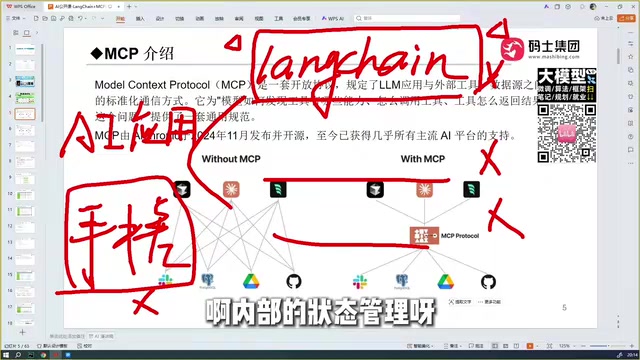
LangChain + MCP in Practice: The Protocol Logic Behind Connecting Tools to Agents
From LangChain's positioning to MCP protocol principles, this article explains the two key values—tool reuse and cross-framework decoupling—and clarifies the relationships among LangGraph, Agents, Function Calling, and MCP to help developers integrate tools into Agents properly.
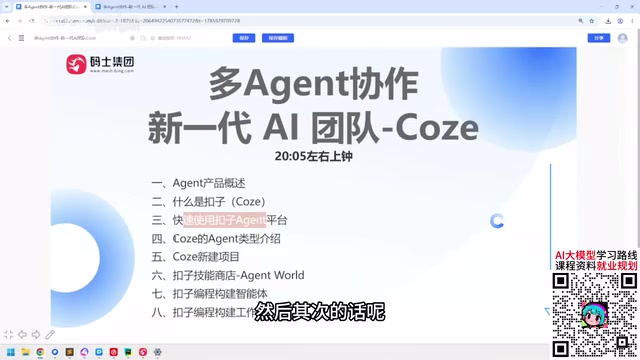
Coze for Beginners: A Practical Guide from Agent Building to Workflow Mastery
Based on the latest Bilibili tutorial, this guide covers Coze agent building: AI Agent categories, quick start, workflows, multi-agent collaboration, and knowledge bases.
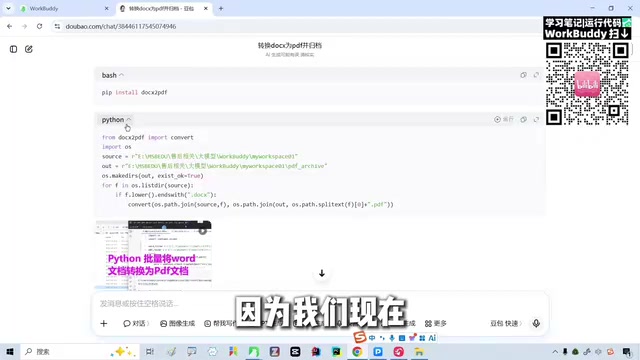
AI Agent in Practice: Building an Intelligent Office Assistant with WorkBuddy
Through a hands-on batch PDF conversion case, this article compares chat models like Doubao with AI Agents like Tencent WorkBuddy, analyzing the execution loop, credit costs, and product positioning to help office users choose the right intelligent assistant.
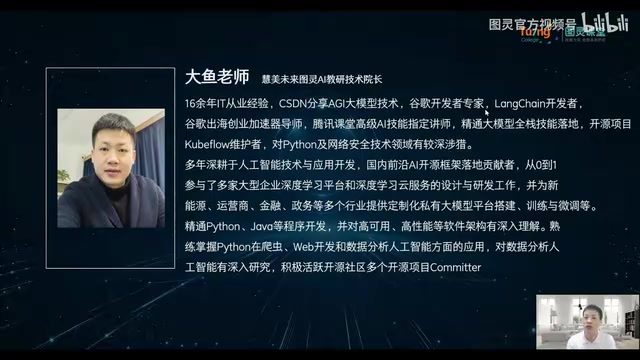
DeepSeek Harness in Full: A Practical Guide to Agent Engineering
A deep dive into DeepSeek Harness's role in Agent engineering, tracing the three leaps of Agent technology and covering knowledge bases, Skill automation, multimodal RAG, and enterprise e-commerce Agents to help developers move from demo to production.
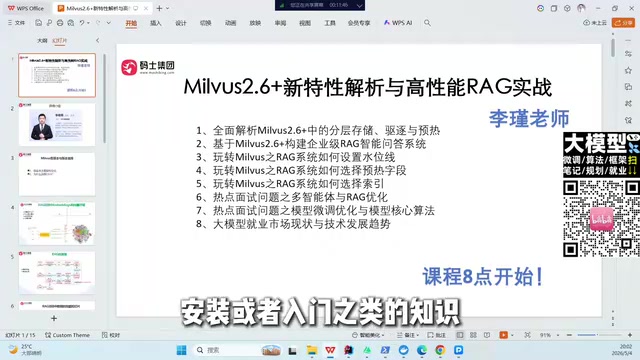
Milvus 2.6 in Practice: Building a High-Performance RAG Q&A System
A deep dive into Milvus 2.6's architecture and deployment, plus a hands-on high-performance RAG Q&A system covering watermarks, preload fields, indexing, and eviction strategies.
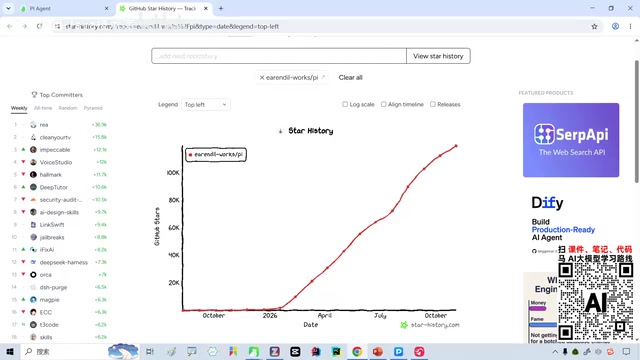
Pi Agent in Practice: From Zero to One, Surpassing Claude Code
What is Pi Agent? Starting from GitHub star trends, this article analyzes Pi Agent's sustained growth from thousands to nearly 70,000 stars, compares its positioning with Claude Code and Codex, and outlines onboarding approaches and selection advice for minimalist Agent frameworks.

DSH Chief of Staff Plugin: Multi-Agent Topology + Zero-Token Archive Cabinet to Cure AI Amnesia and Drift
DSH Chief of Staff is an open-source sidebar plugin for DeepSeek Harness: a multi-agent pyramid topology to rein in drifting sub-agents, a four-tier cold archive for zero-token context memory, three refresh tiers, and cross-session handoff—100% local, 255KB core.
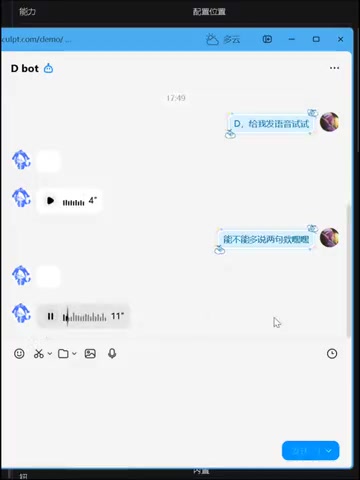
Hands-On with the Open-Source Blue Big Fat Fish QQbot Voice Mod Plugin
A Bilibili demo of the open-source Blue Big Fat Fish QQbot voice mod plugin, showing QQ bots using TTS for synthesized speech and voice switching. This article analyzes the plugin's technical path, open-source value, and the experience boundaries of voice bots—ideal for readers interested in QQbot development and AI voice applications.
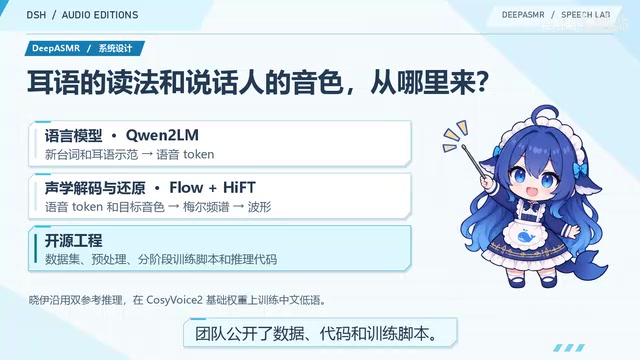
Shanghai Jiao Tong University Open-Sources Deep ASMR: Training Low-Whisper Speech Synthesis with Whisper Data
SJTU open-sources Deep ASMR, a whisper speech synthesis method trained on 670 hours of Chinese and English whisper data, decoupling whisper style from timbre.
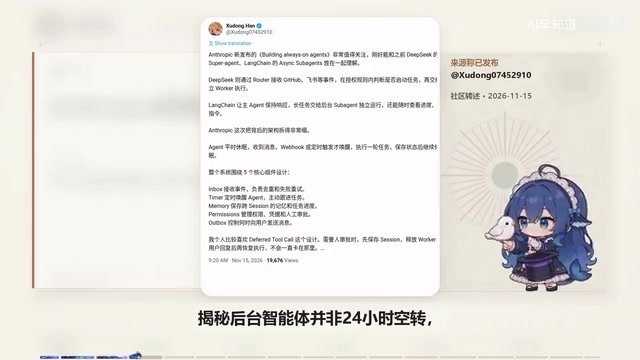
DeepSeek Mobile Quotas, Gemini 4 Tops Math Benchmark, and Alibaba Open-Sources Coding Tool
DeepSeek mobile quotas go live, Gemini 4 tops the Mafurina math benchmark at 85.4% but at high cost, Alibaba and Tencent open-source coding tools on the same day, and tokenizer research breaks new ground.
Vibe Coding Without Installation: A Hands-On Look at the Web-Based DeepSeek Harness
Bilibili creator Da Fei Yu unveils a web-based DeepSeek Harness: no Node.js or NVM install needed—just a browser for Vibe Coding, plugins intact, iPad and HarmonyOS friendly, and GitHub users can build Android apps in-browser.
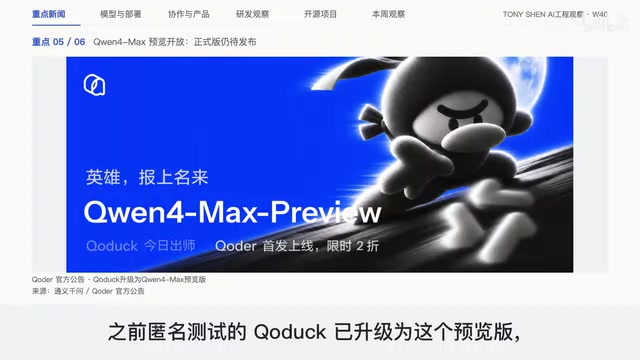
Gemini 4 Leads Model Upgrade Wave, Agent Delivery Becomes the New Battleground
Google launches Genius Carbon and Gemini 4 Hydrogen, Anthropic updates Fable and Misos 5.2, Qwen previews Qwen4-Max. From model division of labor to Swarm collaboration, POPI and ARUI protocols, Agent delivery capability becomes the new competitive focus.
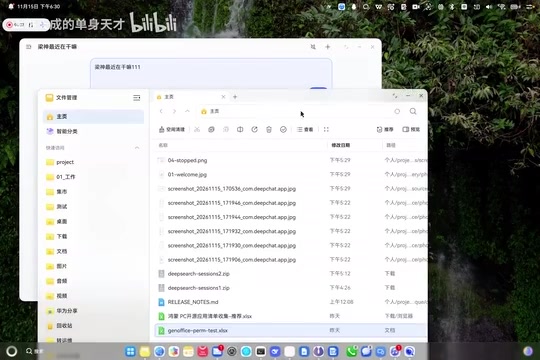
DeepSeek Full-Featured Client Arrives on HarmonyOS Ecosystem: One API for Unlimited Refresh and Branching
A Bilibili video introduces a full-featured HarmonyOS client based on DeepSeek's official API, letting users experience unlimited refresh and branching with just one API key. The article analyzes its technical logic, open-source significance, and usage limitations.
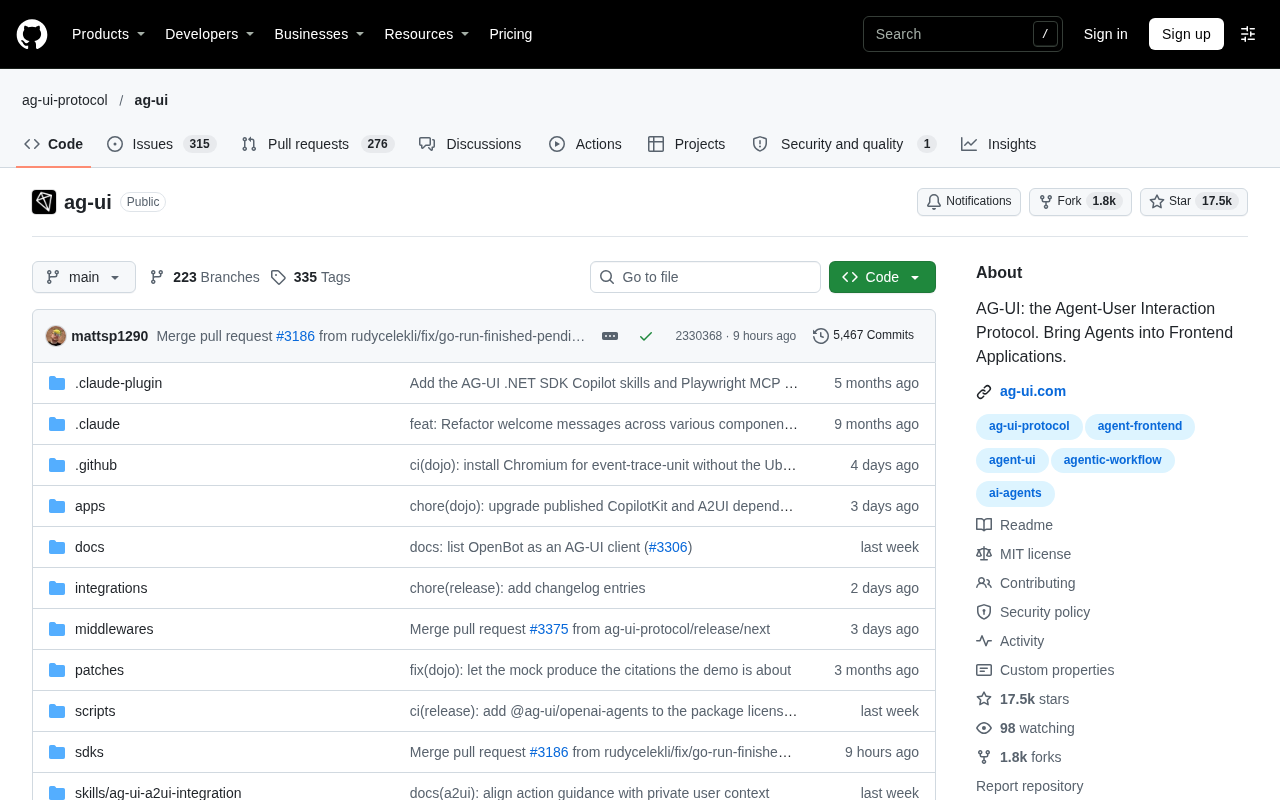
AG-UI: An Interaction Protocol for Connecting AI Agents to the Frontend
AG-UI is a frontend-oriented Agent-User interaction protocol implemented in TypeScript, standardizing state sync, streaming output, and tool-call rendering to cut glue code.