Deep Dives
In-depth AI analysis, industry observations, and technical insights — slow down and read.
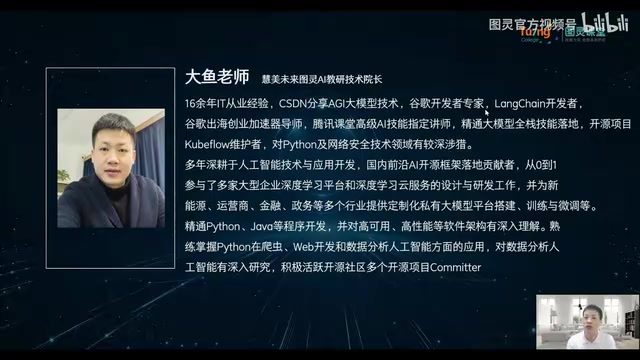
DeepSeek Harness in Full: A Practical Guide to Agent Engineering
A deep dive into DeepSeek Harness's role in Agent engineering, tracing the three leaps of Agent technology and covering knowledge bases, Skill automation, multimodal RAG, and enterprise e-commerce Agents to help developers move from demo to production.
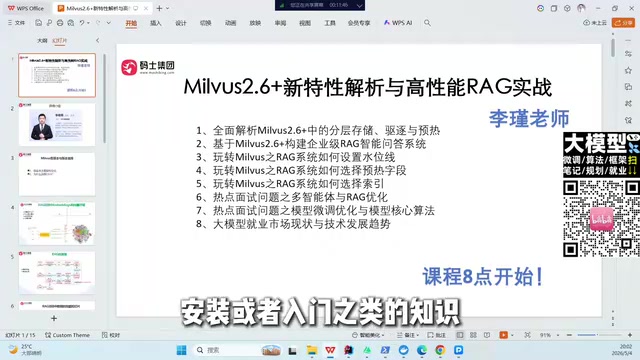
Milvus 2.6 in Practice: Building a High-Performance RAG Q&A System
A deep dive into Milvus 2.6's architecture and deployment, plus a hands-on high-performance RAG Q&A system covering watermarks, preload fields, indexing, and eviction strategies.
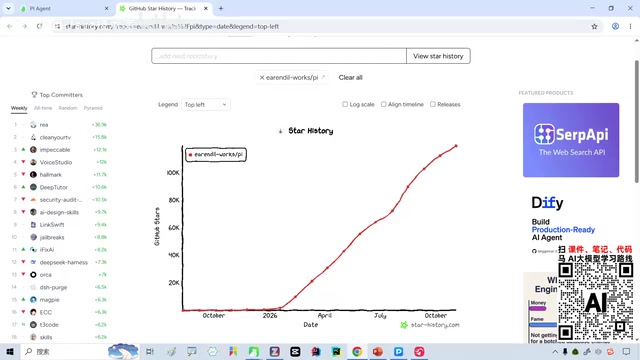
Pi Agent in Practice: From Zero to One, Surpassing Claude Code
What is Pi Agent? Starting from GitHub star trends, this article analyzes Pi Agent's sustained growth from thousands to nearly 70,000 stars, compares its positioning with Claude Code and Codex, and outlines onboarding approaches and selection advice for minimalist Agent frameworks.

DSH Chief of Staff Plugin: Multi-Agent Topology + Zero-Token Archive Cabinet to Cure AI Amnesia and Drift
DSH Chief of Staff is an open-source sidebar plugin for DeepSeek Harness: a multi-agent pyramid topology to rein in drifting sub-agents, a four-tier cold archive for zero-token context memory, three refresh tiers, and cross-session handoff—100% local, 255KB core.
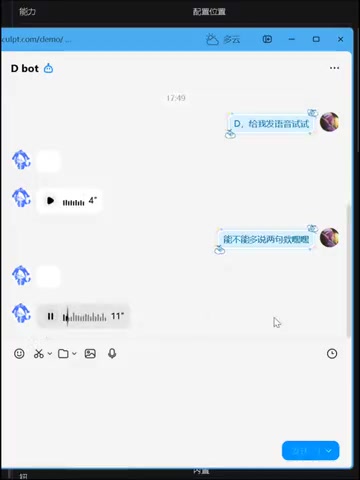
Hands-On with the Open-Source Blue Big Fat Fish QQbot Voice Mod Plugin
A Bilibili demo of the open-source Blue Big Fat Fish QQbot voice mod plugin, showing QQ bots using TTS for synthesized speech and voice switching. This article analyzes the plugin's technical path, open-source value, and the experience boundaries of voice bots—ideal for readers interested in QQbot development and AI voice applications.
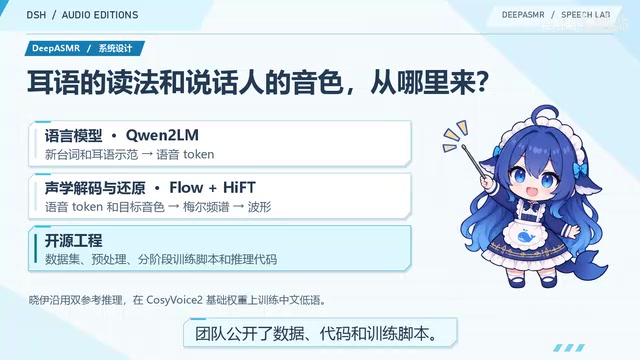
Shanghai Jiao Tong University Open-Sources Deep ASMR: Training Low-Whisper Speech Synthesis with Whisper Data
SJTU open-sources Deep ASMR, a whisper speech synthesis method trained on 670 hours of Chinese and English whisper data, decoupling whisper style from timbre.

DeepSeek Mobile Quotas, Gemini 4 Tops Math Benchmark, and Alibaba Open-Sources Coding Tool
DeepSeek mobile quotas go live, Gemini 4 tops the Mafurina math benchmark at 85.4% but at high cost, Alibaba and Tencent open-source coding tools on the same day, and tokenizer research breaks new ground.
Vibe Coding Without Installation: A Hands-On Look at the Web-Based DeepSeek Harness
Bilibili creator Da Fei Yu unveils a web-based DeepSeek Harness: no Node.js or NVM install needed—just a browser for Vibe Coding, plugins intact, iPad and HarmonyOS friendly, and GitHub users can build Android apps in-browser.
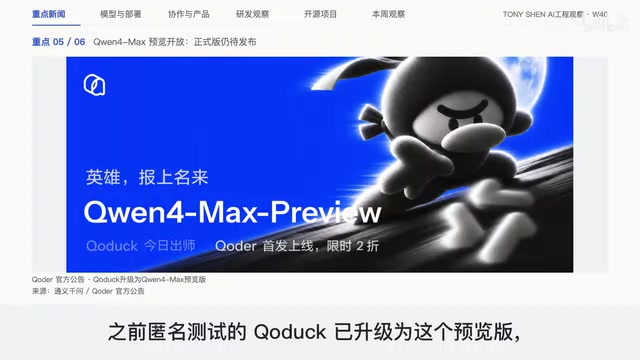
Gemini 4 Leads Model Upgrade Wave, Agent Delivery Becomes the New Battleground
Google launches Genius Carbon and Gemini 4 Hydrogen, Anthropic updates Fable and Misos 5.2, Qwen previews Qwen4-Max. From model division of labor to Swarm collaboration, POPI and ARUI protocols, Agent delivery capability becomes the new competitive focus.
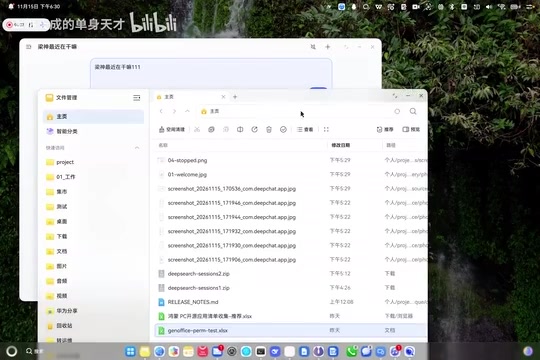
DeepSeek Full-Featured Client Arrives on HarmonyOS Ecosystem: One API for Unlimited Refresh and Branching
A Bilibili video introduces a full-featured HarmonyOS client based on DeepSeek's official API, letting users experience unlimited refresh and branching with just one API key. The article analyzes its technical logic, open-source significance, and usage limitations.
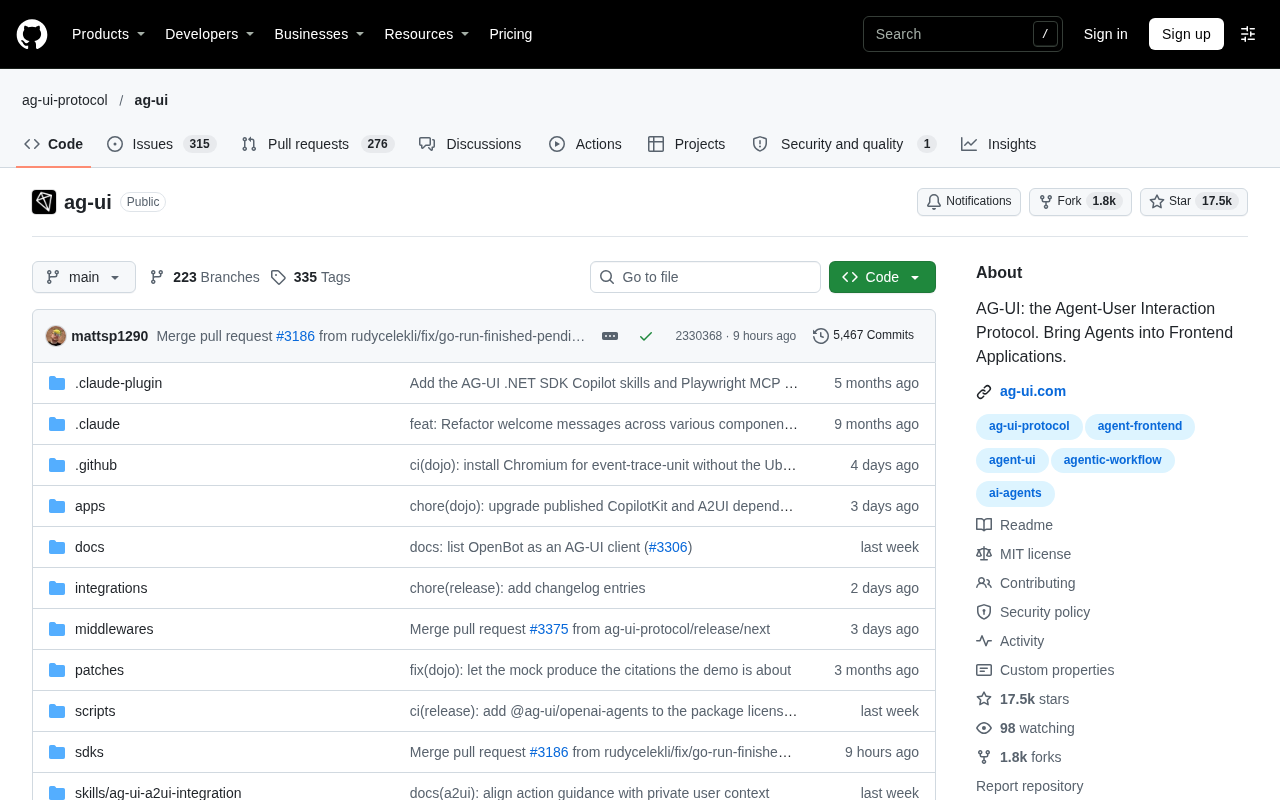
AG-UI: An Interaction Protocol for Connecting AI Agents to the Frontend
AG-UI is a frontend-oriented Agent-User interaction protocol implemented in TypeScript, standardizing state sync, streaming output, and tool-call rendering to cut glue code.
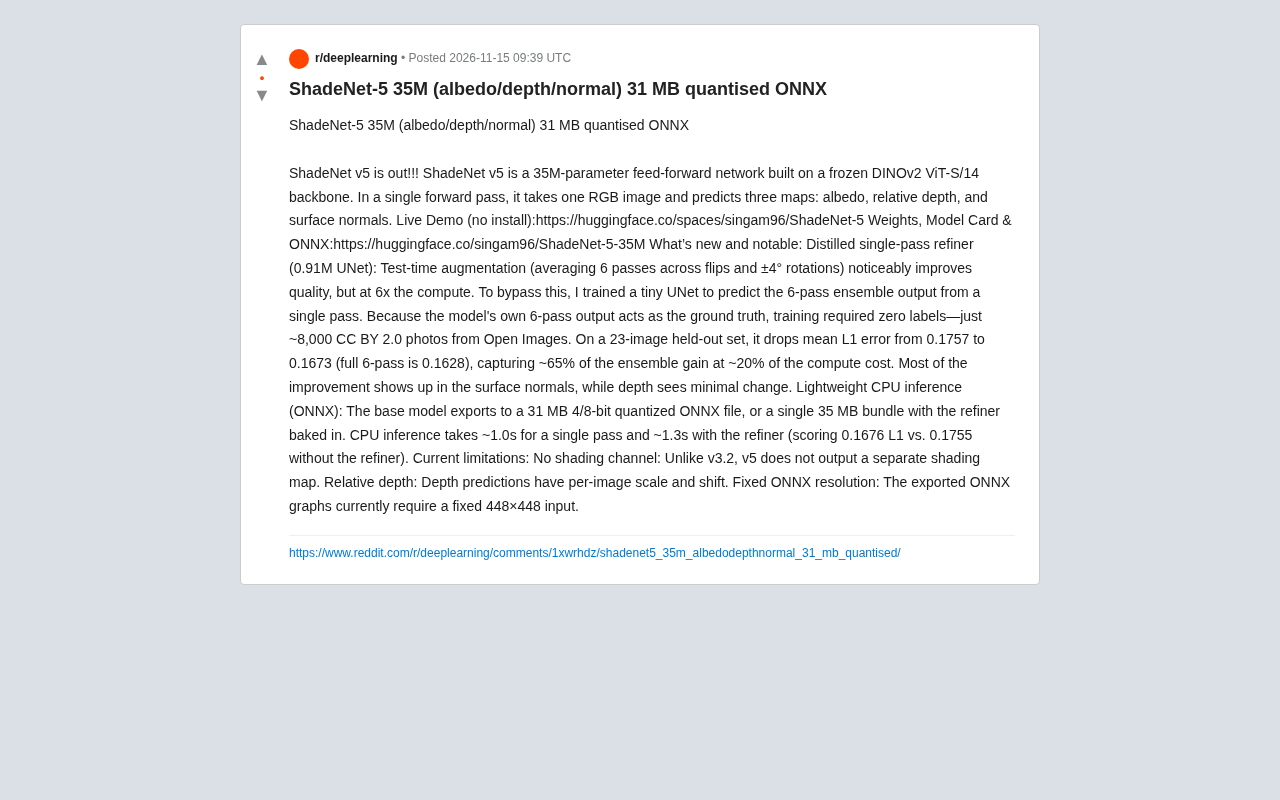
ShadeNet-5: 35M-Parameter Single-Pass Inference for Albedo/Depth/Normals
ShadeNet-5 is a 35M-parameter feedforward network on a frozen DINOv2 backbone that outputs albedo, relative depth, and normals in one pass. Quantized ONNX is just 31 MB, ~1s CPU inference, with a distilled single-pass refiner.
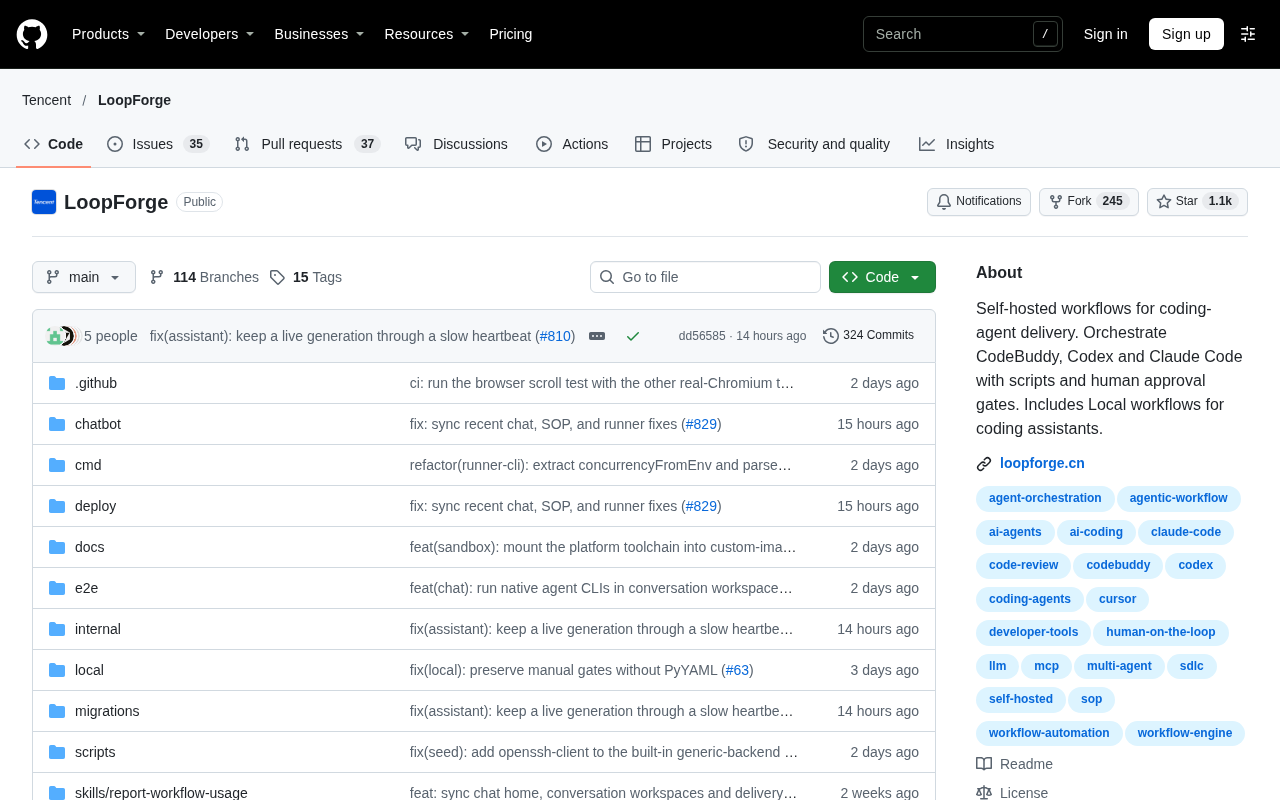
Tencent Open-Sources LoopForge: Self-Hosted Coding Agent Delivery Workflows
Tencent open-sources LoopForge, a Go project offering self-hosted workflows to orchestrate coding agents like CodeBuddy, Codex, and Claude Code, with scripts and human approval gates.
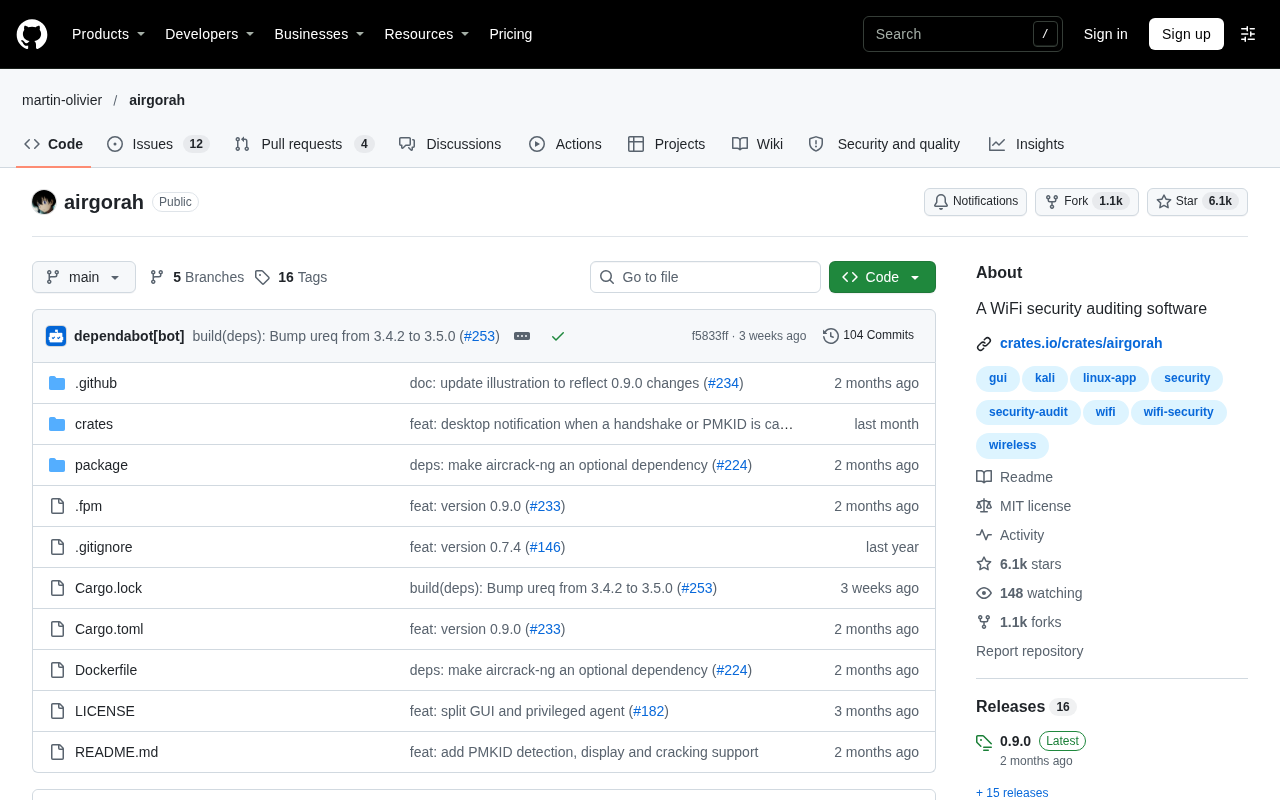
Airgorah: A WiFi Security Auditing Tool Built with Rust
Airgorah is a WiFi security auditing tool written in Rust with 6,128 GitHub stars. Learn about its positioning, Rust's engineering advantages, community traction, and lawful use boundaries.
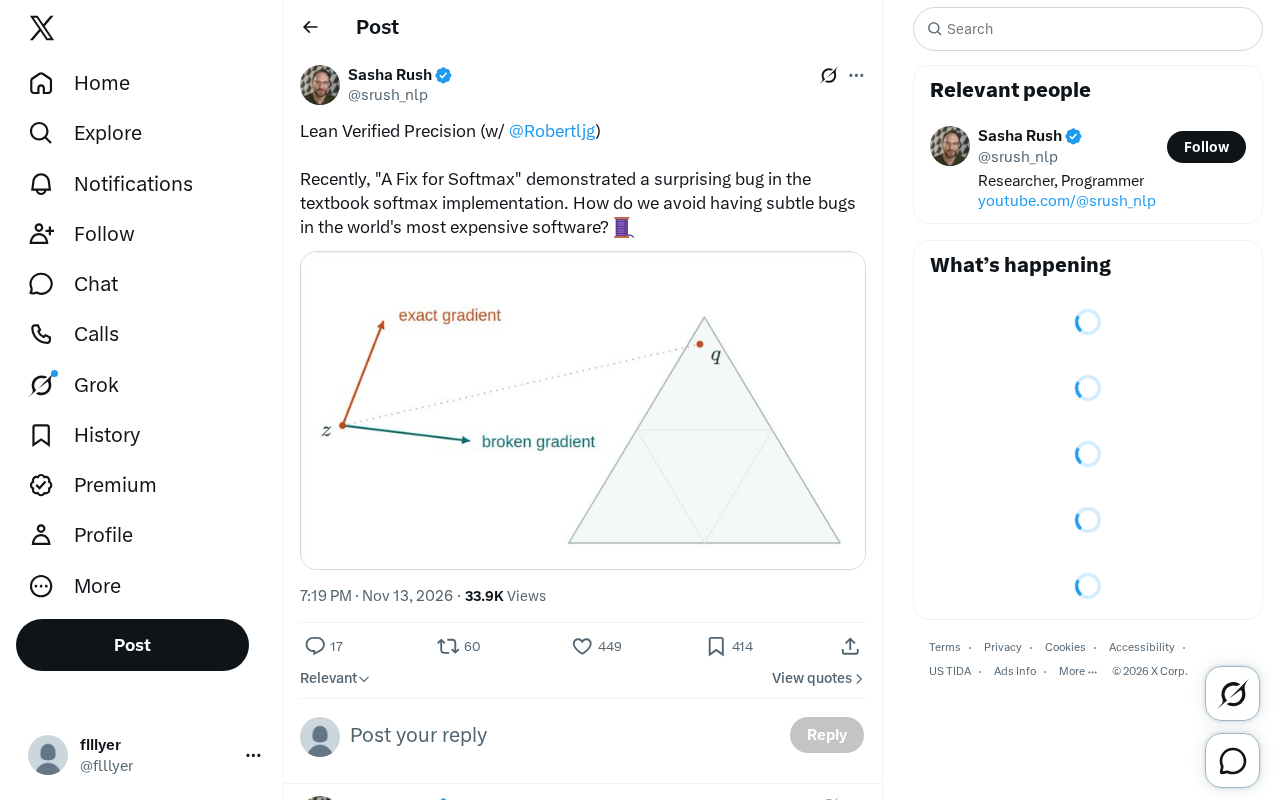
The Softmax Defect Warning: How Lean Formal Verification Can Rescue Expensive Software
Starting from the textbook-level implementation defect revealed by "A Fix for Softmax," this explores how Lean formal verification can establish machine-checkable correctness contracts for foundational numerical operators like Softmax, reducing the cascading costs of hidden bugs in the AI software stack.
Giving AI a Render API: Image Generation Is Rewriting the Rules of Creation
Starting from a social media comment, this piece examines the chain reactions when image generation is used as a 'render API': creative barriers shift from drawing skills to description and workflow integration, creative pricing and attribution face reassessment, and creators should focus on workflow integration and style consistency.
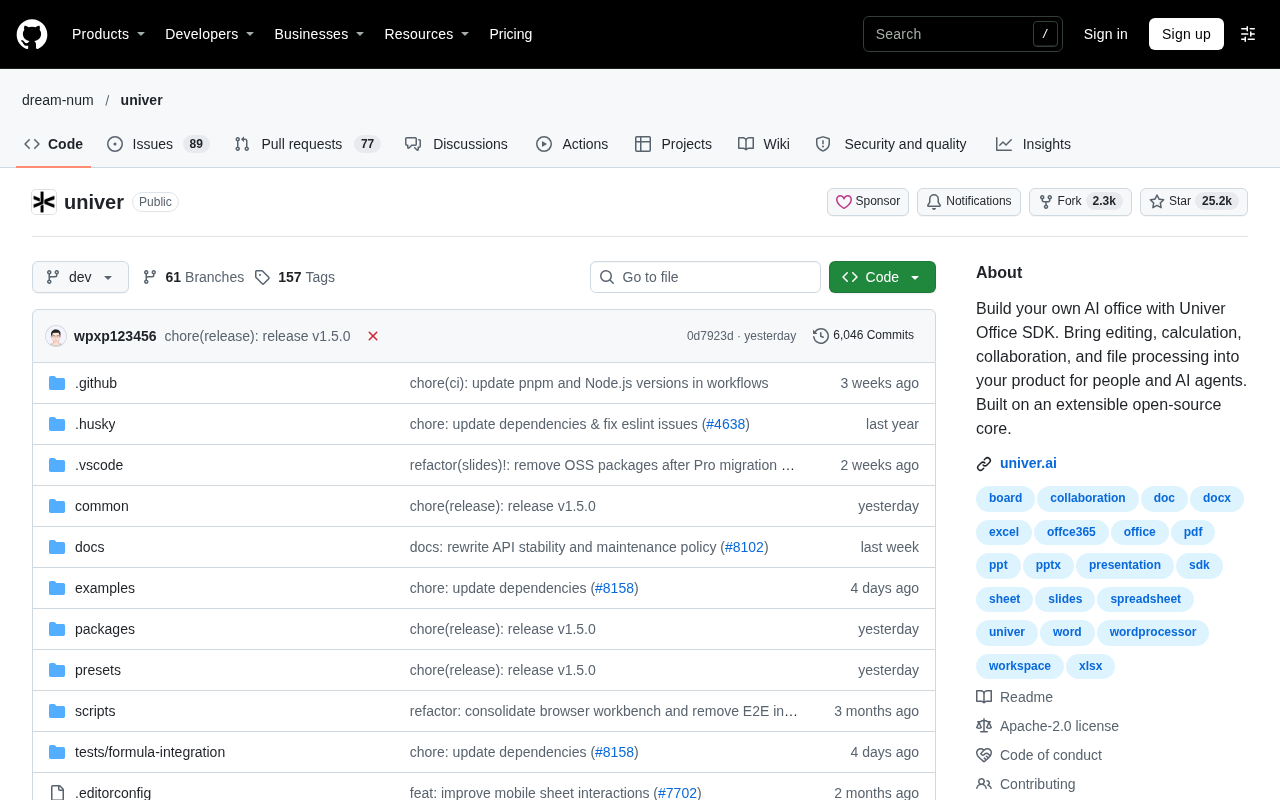
GitHub Daily · Nov 15: The Interface Battle for AI Productivity and Agent Collaboration
GitHub Trending Nov 15: Univer open-sources an office engine SDK with AI agent support, AG-UI defines an agent-frontend protocol, and Tencent's LoopForge orchestrates coding agents.
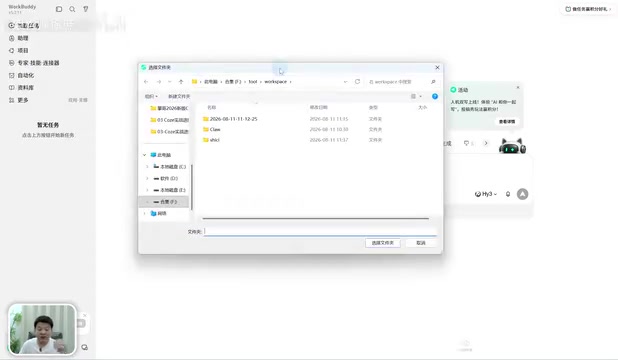
Building a WorkBuddy Workspace from Scratch: MCP Protocol, Tool Calling, and Asset Library Management in Practice
Based on Bilibili creator Pan Ge's hands-on WorkBuddy tutorial, this article details workspace configuration, default vs. full access permissions, O2 auto model selection, expert skills and connector invocation, and the complete run-through path of asset library management and automation workflows.
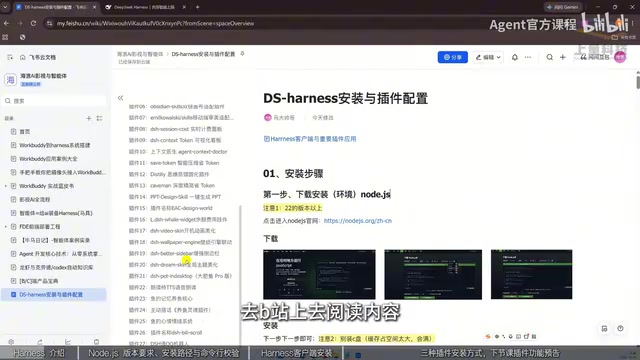
DeepSeek Harness Step-by-Step Guide: Plugin Ecosystem Unlocks AI Agent Automation
A complete step-by-step guide to DeepSeek Harness based on a Bilibili tutorial: Node.js setup, client configuration, three plugin installation methods, and automation scenarios like reading Bilibili and knowledge base management — helping beginners build their own AI agent.
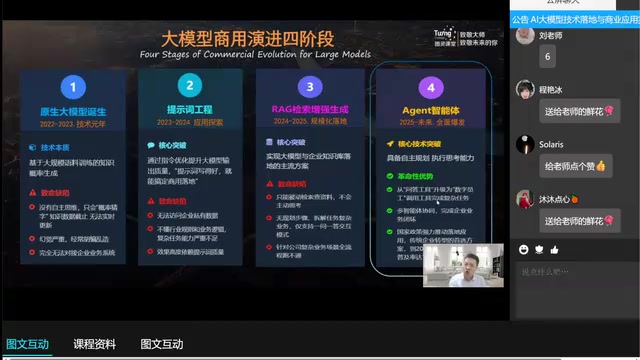
Enterprise Agent Deployment Struggles? A Three-Layer Multi-Agent Architecture Solves Six Major Pitfalls of Traditional Agents
Traditional single agents face six engineering pitfalls in enterprise scenarios: hardcoding, hallucination, serial calls. This article analyzes the four stages of large model deployment and introduces how a three-layer multi-agent architecture solves generalization and reliability issues through planning, execution, and verification layers.