Deep Dives
In-depth AI analysis, industry observations, and technical insights — slow down and read.
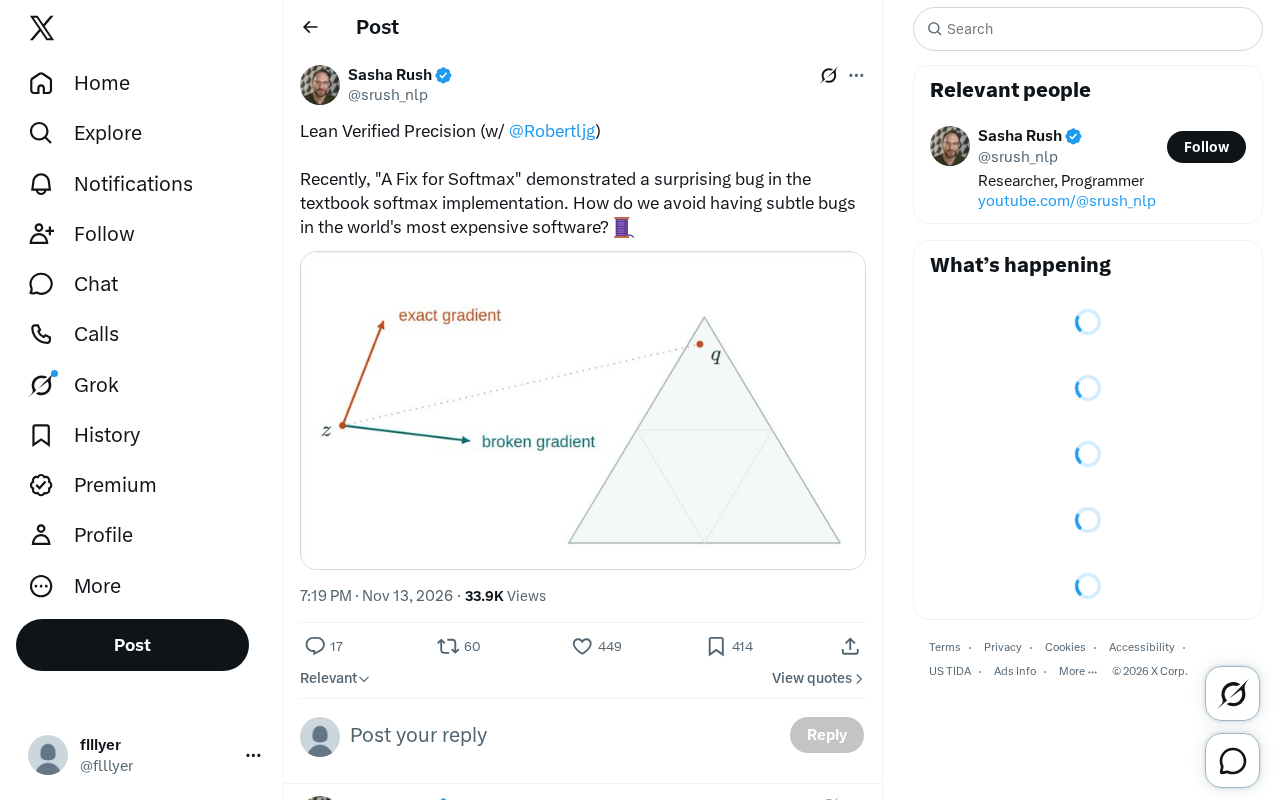
The Softmax Defect Warning: How Lean Formal Verification Can Rescue Expensive Software
Starting from the textbook-level implementation defect revealed by "A Fix for Softmax," this explores how Lean formal verification can establish machine-checkable correctness contracts for foundational numerical operators like Softmax, reducing the cascading costs of hidden bugs in the AI software stack.
Giving AI a Render API: Image Generation Is Rewriting the Rules of Creation
Starting from a social media comment, this piece examines the chain reactions when image generation is used as a 'render API': creative barriers shift from drawing skills to description and workflow integration, creative pricing and attribution face reassessment, and creators should focus on workflow integration and style consistency.
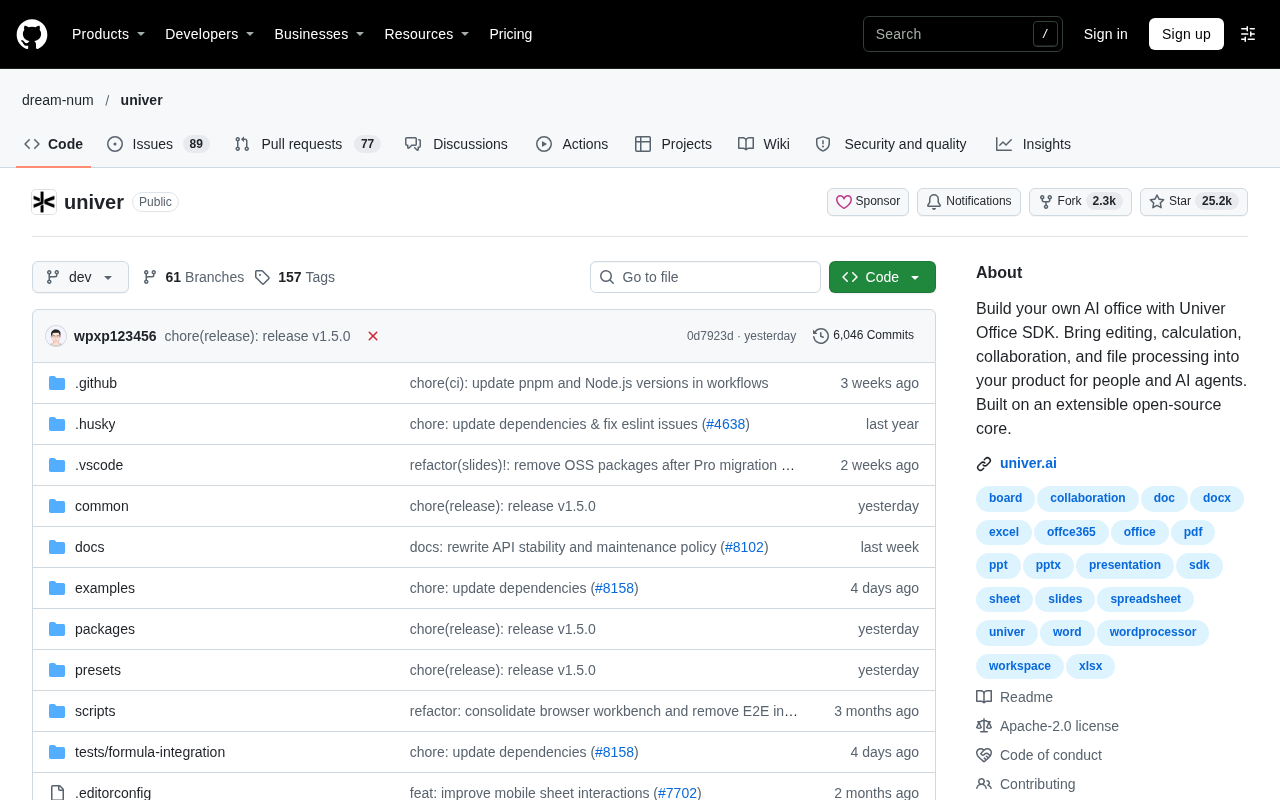
GitHub Daily · Nov 15: The Interface Battle for AI Productivity and Agent Collaboration
GitHub Trending Nov 15: Univer open-sources an office engine SDK with AI agent support, AG-UI defines an agent-frontend protocol, and Tencent's LoopForge orchestrates coding agents.
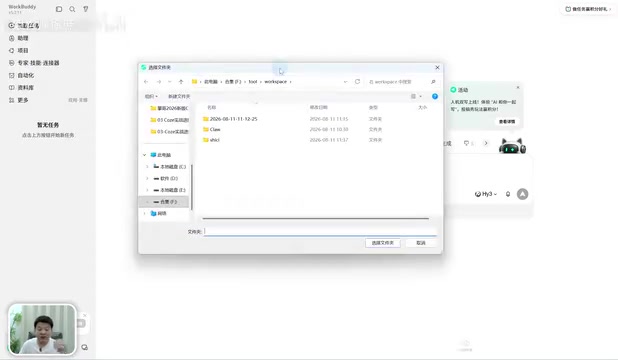
Building a WorkBuddy Workspace from Scratch: MCP Protocol, Tool Calling, and Asset Library Management in Practice
Based on Bilibili creator Pan Ge's hands-on WorkBuddy tutorial, this article details workspace configuration, default vs. full access permissions, O2 auto model selection, expert skills and connector invocation, and the complete run-through path of asset library management and automation workflows.
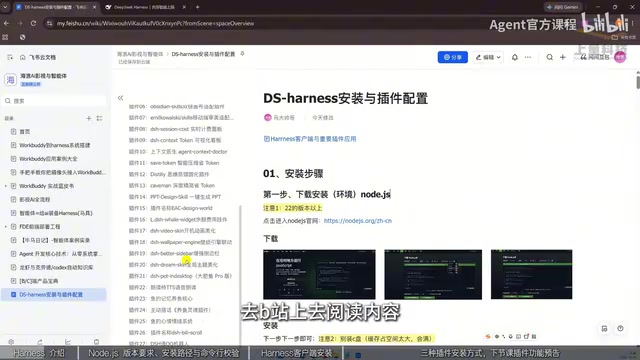
DeepSeek Harness Step-by-Step Guide: Plugin Ecosystem Unlocks AI Agent Automation
A complete step-by-step guide to DeepSeek Harness based on a Bilibili tutorial: Node.js setup, client configuration, three plugin installation methods, and automation scenarios like reading Bilibili and knowledge base management — helping beginners build their own AI agent.
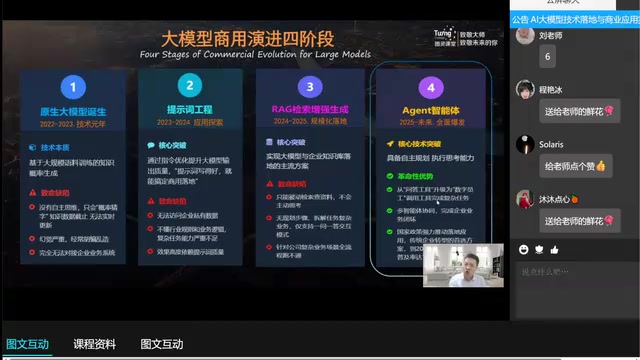
Enterprise Agent Deployment Struggles? A Three-Layer Multi-Agent Architecture Solves Six Major Pitfalls of Traditional Agents
Traditional single agents face six engineering pitfalls in enterprise scenarios: hardcoding, hallucination, serial calls. This article analyzes the four stages of large model deployment and introduces how a three-layer multi-agent architecture solves generalization and reliability issues through planning, execution, and verification layers.
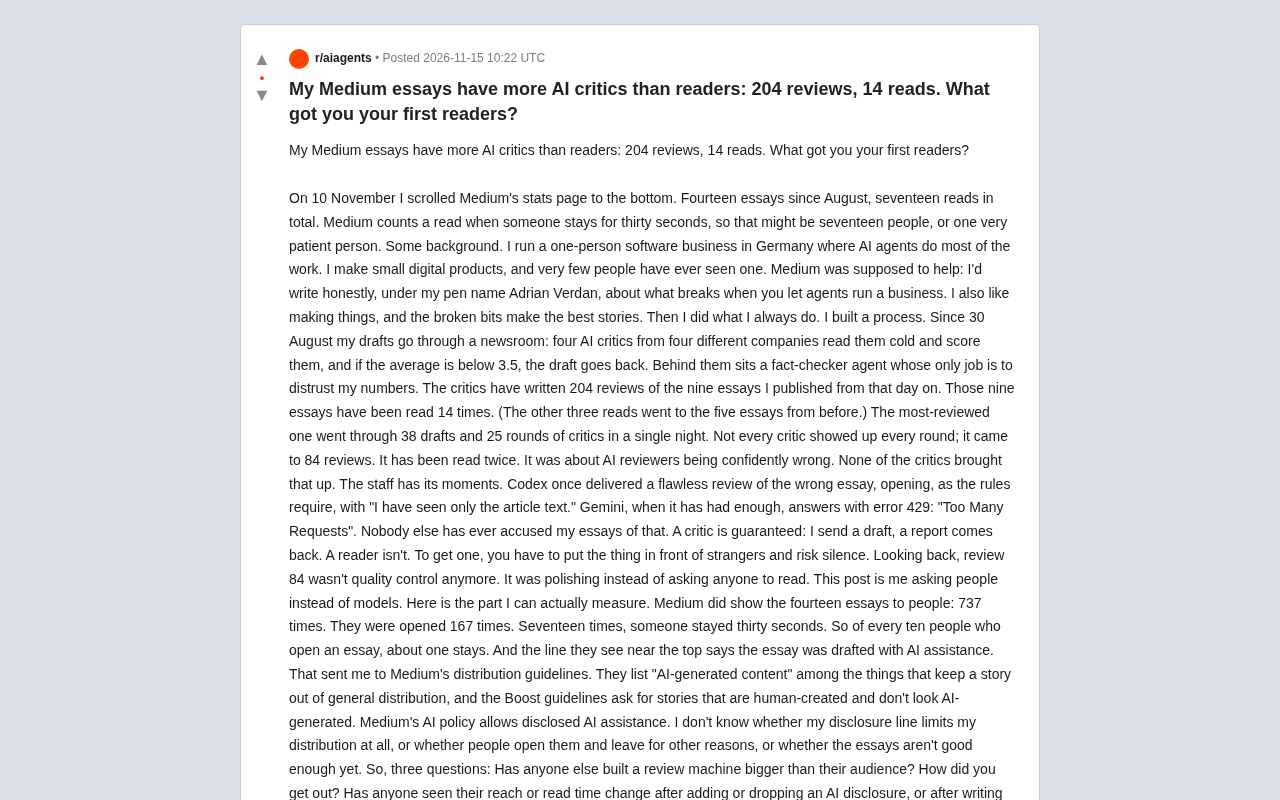
204 AI Reviews, 14 Readers: My Writing Dilemma
A German developer built a newsroom of four AI agents to review his Medium articles: nine pieces got 204 AI reviews but only 14 reads. He reflects on the gap between AI review and real readers, and whether AI disclosure affects platform distribution.
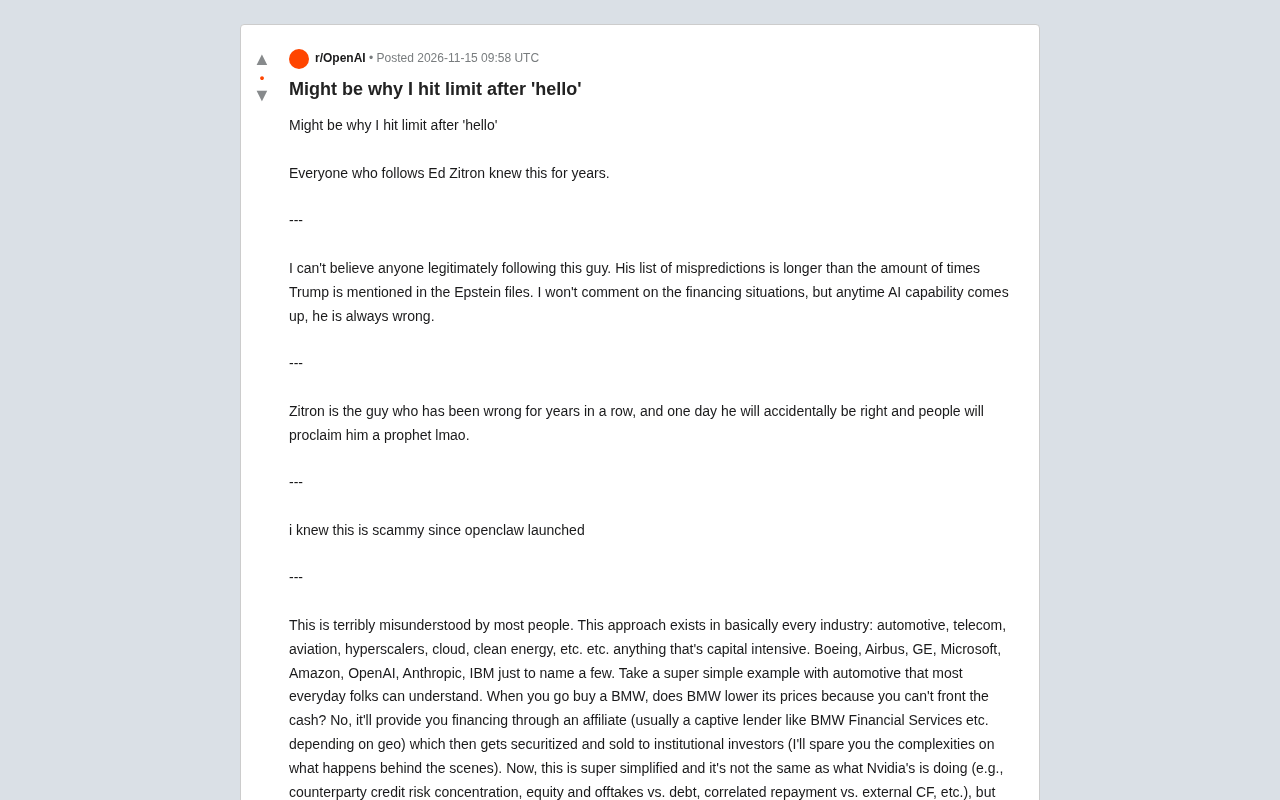
Circular Financing in the Age of Compute Scarcity: The AI Bubble Debate and Nvidia's Ecosystem Strategy
Starting from a Reddit debate, this piece unpacks Nvidia's circular financing model: is it standard practice in a capital-intensive industry, or a new form of AI bubble?
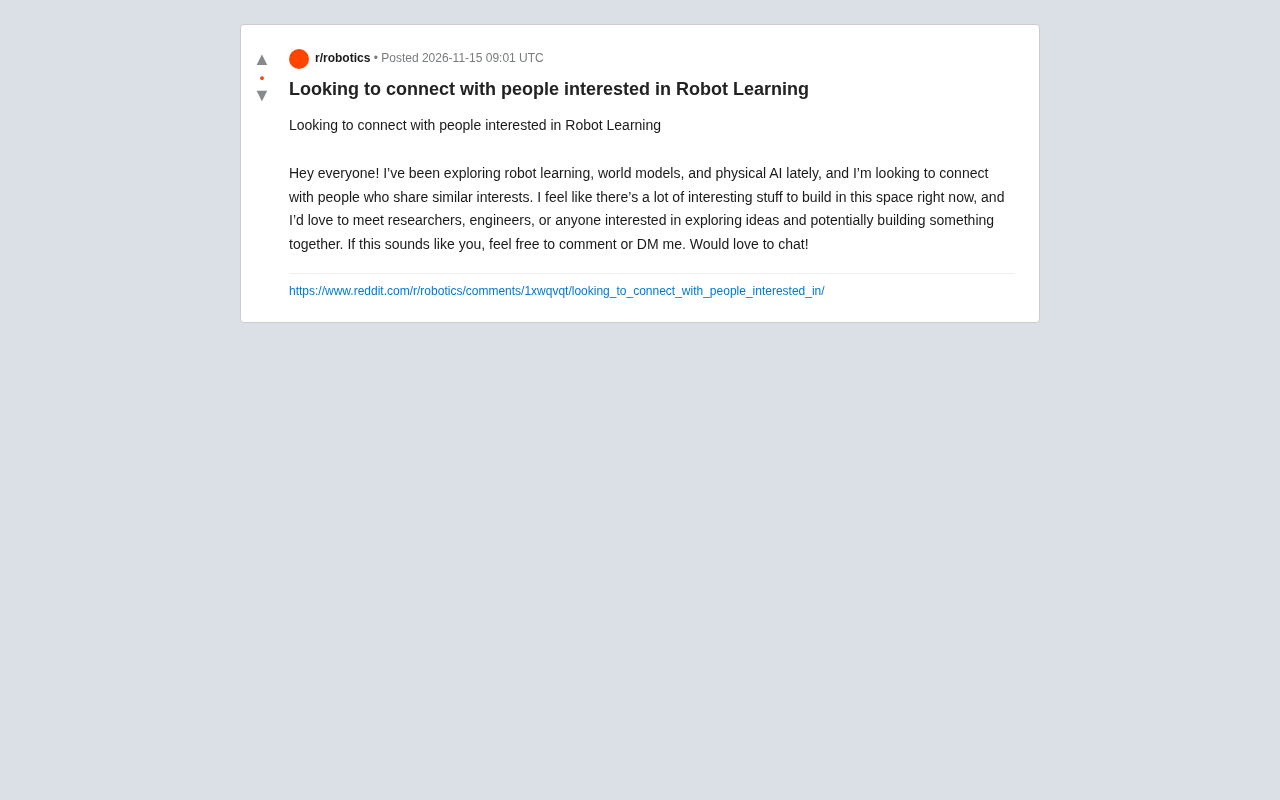
The Robot Learning Boom: Why Practitioners Are Seeking Kindred Spirits
Starting from a Reddit post seeking kindred spirits in robot learning, this article analyzes the progressive relationship among robot learning, world models, and physical AI, and why this interdisciplinary field urgently needs community collaboration and talent connections.
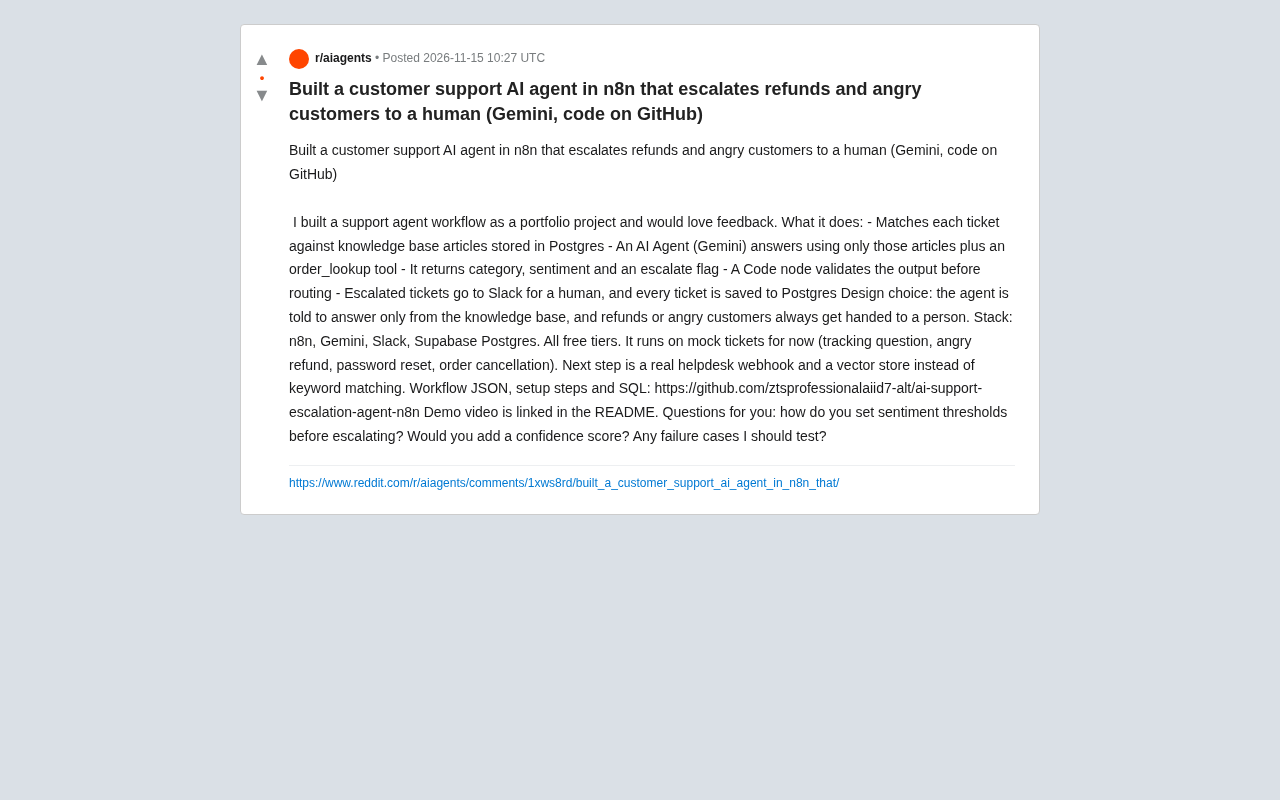
n8n + Gemini Customer Support Agent: Auto-Escalating Refunds and Angry Customers to Humans
A Reddit developer built a customer support AI Agent with n8n and Gemini, answering from a Postgres knowledge base and escalating refunds and angry customers to Slack humans. Full code open-sourced, with workflow breakdown and production tips.
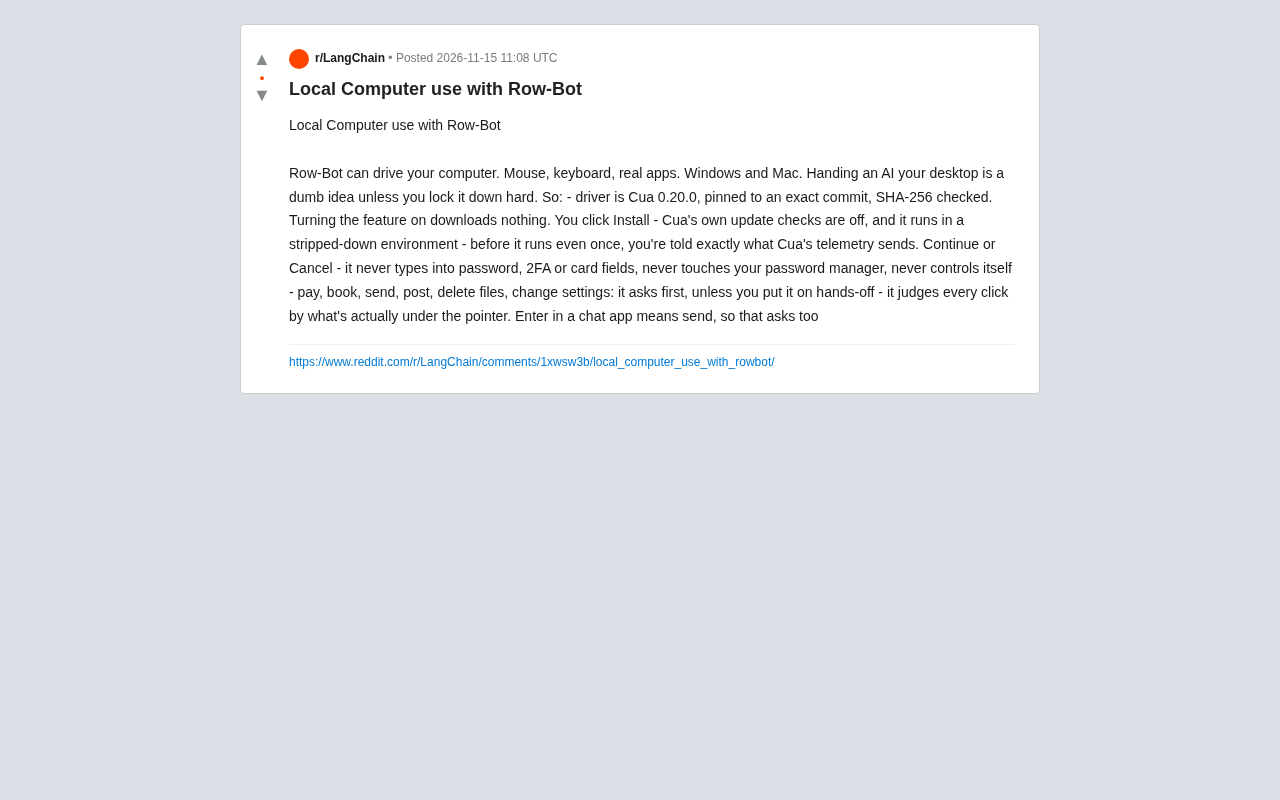
Row-Bot Local Computer Use: Safely Locking Down AI Desktop Control
Row-Bot launches local computer use for Windows and Mac, ensuring AI desktop control safety through pinned driver versions, hash verification, transparent telemetry, and interception of sensitive operations.
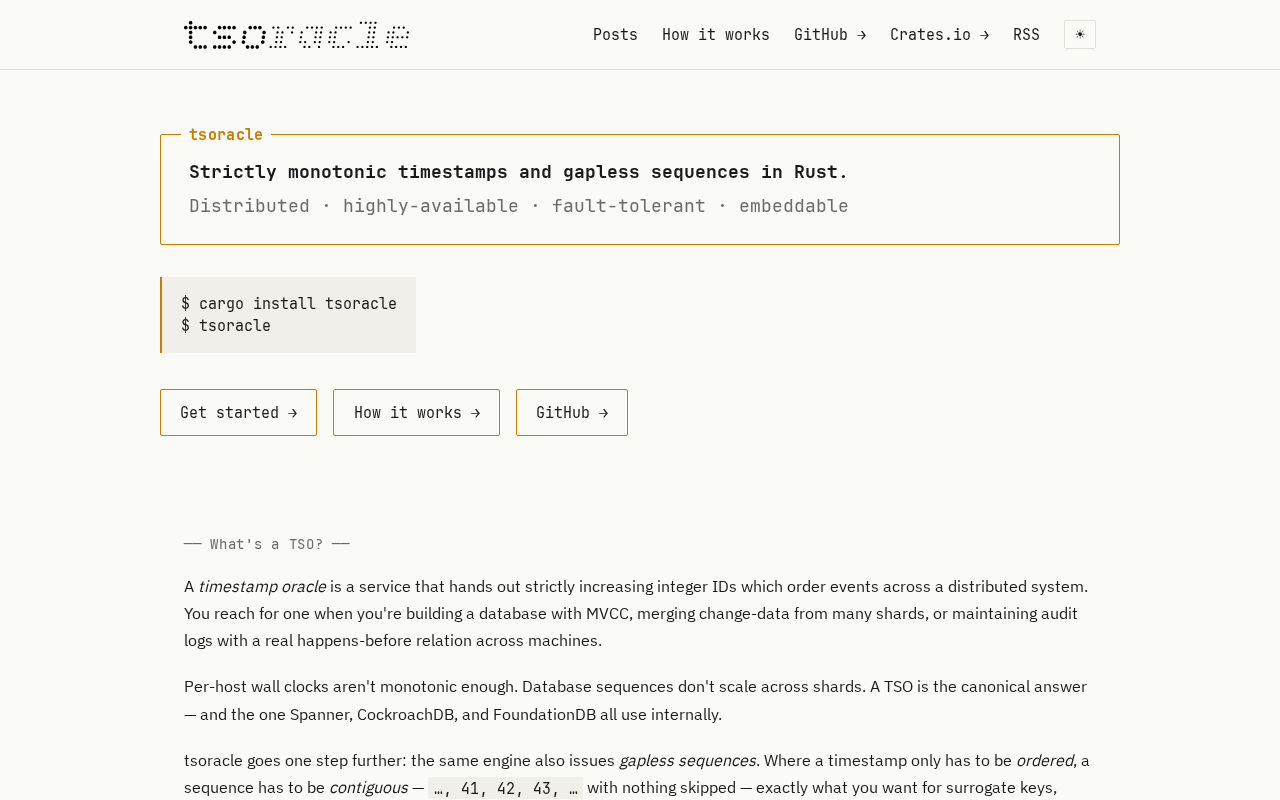
Implementing Strictly Monotonic Timestamps and Gapless Sequences in Rust
Explore methods, challenges, and trade-offs for implementing strictly monotonic timestamps and gapless sequences in Rust, covering atomic operations, concurrency control, and persistence strategies for systems programmers.

AI Products Under Constant Attack? A Developer's Firsthand Account of Prompt Injection and DDoS Offenses and Defenses
A developer built two AI products and faced prompt injection, DDoS, and bot account attacks—before any promotion. Here's a look at attack types, MVP security blind spots, and mitigation tips.

Claude Code in Practice: Draw a Code Map First When Taking Over an Unfamiliar Repository
Claude Code can read the entire project context. When taking over an unfamiliar repo, let it draw a code map first before making changes. This article compares Copilot, Cursor, Trae, and other AI coding tools, analyzing Claude Code's advantages in accuracy and automated debugging.

EUROPA: The EU's Open-Source AI Model Targets Nearly One Trillion Parameters
The EU's open-source AI model EUROPA targets nearly one trillion parameters. The Reddit community hotly debates its technical roadmap: is the first attempt too large? Can quantization solve deployment challenges? What references do DeepSeek and Qwen provide?

Bland Releases Tofu-1: A Full-Duplex Speech Model for Phone Scenarios
Bland releases Tofu-1, a full-duplex speech-to-speech model for noisy, high-stakes phone scenarios, now in enterprise research preview with no benchmarks, model size, or pricing disclosed. This article analyzes the technical value of full-duplex voice AI, the reasons behind the information vacuum, and key enterprise deployment considerations.
Anthropic S-1 Deep Dive: Is the $80 Billion Loss a Fraud or Accounting Wizardry?
Anthropic's S-1 shows an $80B net loss alongside $16B quarterly revenue, sparking fraud claims. We break down the accounting adjustments, gross revenue recognition, $900B compute commitments, and dual-class governance to judge whether this is financial wizardry or a real growth story.
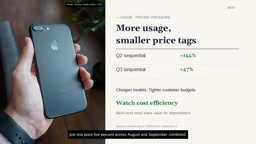
Anthropic IPO Valuation Mystery: The Trillion-Dollar Pricing and the Real Business Behind the S-1
Anthropic has filed its S-1 for a Nasdaq IPO, with valuation dropping from $2T to $1.5T or even $1T. This deep dive analyzes revenue growth, customer quality, $895.4B compute commitments, $104B net loss, and governance, offering an IPO investment framework.

AI Supercomputer in a Backpack: DeepSeek Offline Inference Hits 220 tok/s in Real-World Test
EXO Labs built a backpack local cluster from two M5 Ultra Max Studios at SGLM, running DeepSeek V4.1 Flash offline at ~220 tokens/s. We break down how 512GB unified memory, Thunderbolt 5 RDMA low latency, and MoE architecture enable this speed, plus the distributed inference value of the open-source EXO framework.

Vibe Coding from Beginner to Practice: AI Intent Programming Paradigm and Tool Comparison
What is Vibe Coding? This article breaks down the AI intent programming paradigm, compares Claude Code, Trae, Zhipu, Cursor and other mainstream tools on efficiency, cost, and Chinese support, and offers personal selection advice and trend judgments.