Deep Dives
In-depth AI analysis, industry observations, and technical insights — slow down and read.

GPT-6.2 Astra Leak, DeepSeek V4.1 Pro Exposed: Five Key Takeaways from the AI Daily
AI Daily roundup: GPT-6.2 Astra migration record found in OpenAI repo, DeepSeek V4.1 Pro identifier leaked from source code, NVIDIA releases Kimi K3.1 Pro 4-bit quantized version, Gemini lands on CarPlay, SK Hynix HBM4 yield tops 70%.
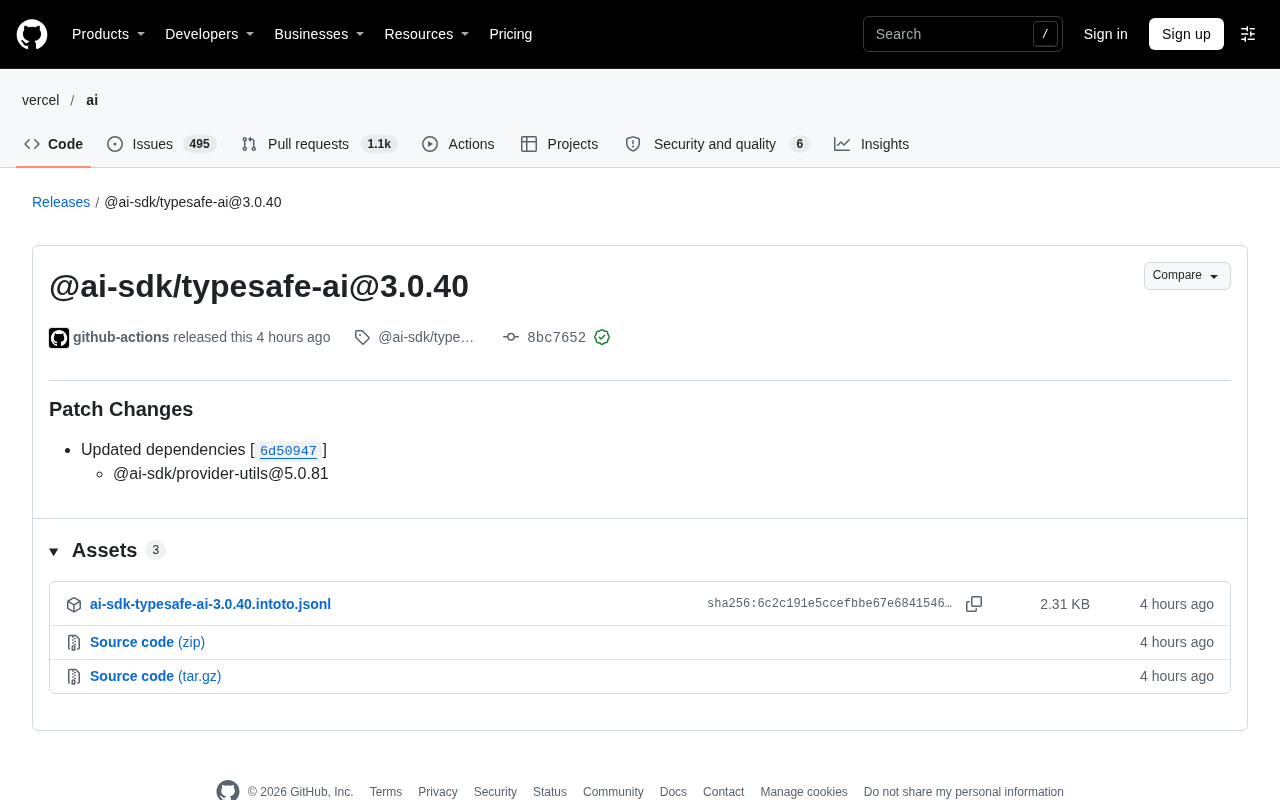
AI SDK Ecosystem Update: typesafe-ai 3.0.40 Released
The @ai-sdk/typesafe-ai package in the AI SDK ecosystem releases patch 3.0.40, updating @ai-sdk/provider-utils to 5.0.81. Here's what changed and what it means for developers.

Geekerwan's Yunfei Talks AI Agents: Codex/Kimi K3 in Practice and the Reverse-Engineering Porting Boom
Geekerwan's Yunfei shares AI Agent insights: Codex for frequent development, Kimi K3 praised as the strongest domestic model, GLM for reverse engineering. The interview reveals how AI lowers the barrier to reverse-engineering porting, from 3DMark on HarmonyOS to AAA games on iPhone.

DeepSeek Harness Workbench Plugin: Generate Agent Apps with a Single Sentence
An in-depth analysis of the open-source DeepSeek Harness workbench plugin: generate agent apps like travel maps, architectural review, and AI learning sites with one sentence. Explores agent interaction evolution from chat box to visual console.

@ai-sdk/tui 1.0.173 Update: Iterating the Terminal AI App Development Kit
@ai-sdk/tui 1.0.173 patch release: the core change is a synchronized upgrade of the underlying dependency ai@7.0.172. This article explains the terminal AI interface kit's iteration strategy, use cases, and upgrade considerations.
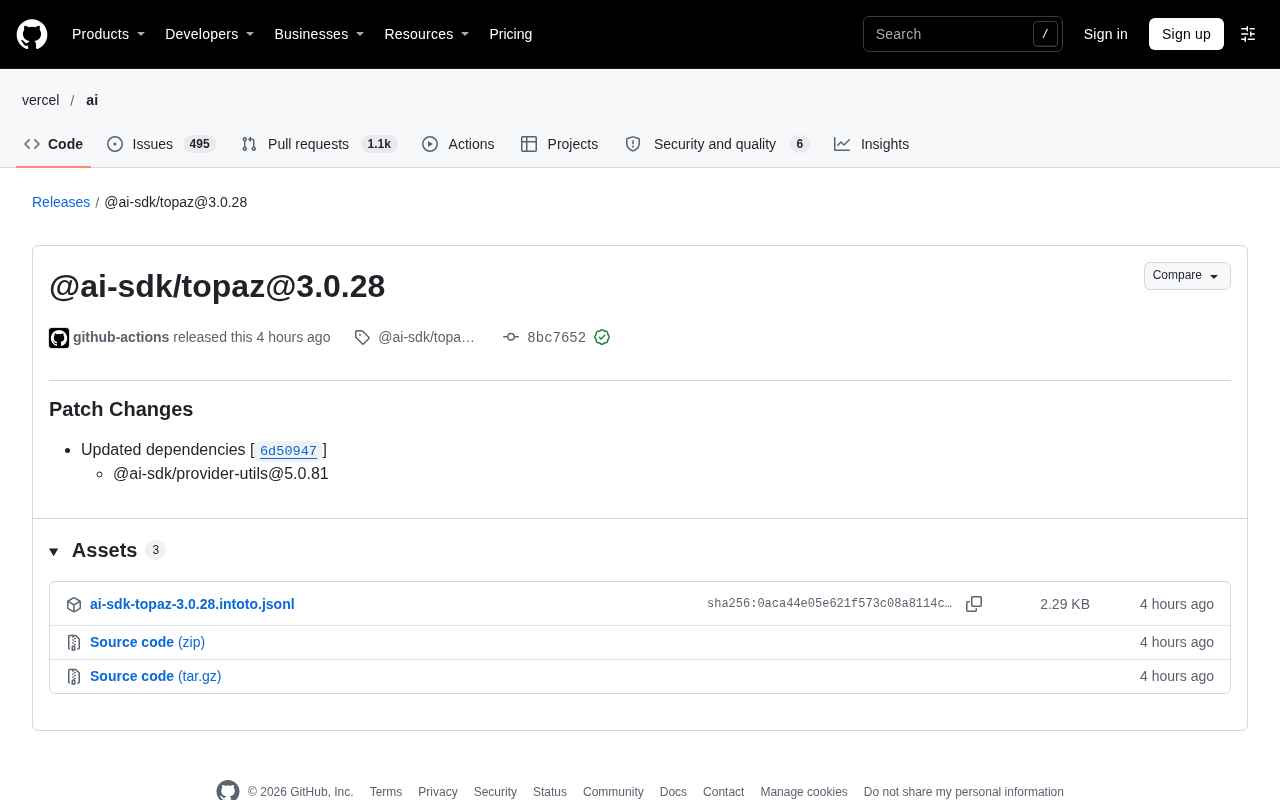
AI SDK Topaz 3.0.28 Patch Released: Dependency Update Analysis
AI SDK Topaz 3.0.28 patch released, mainly updating the provider-utils dependency to 5.0.81. This article analyzes the automatically published changes, engineering practices, and upgrade advice for developers.
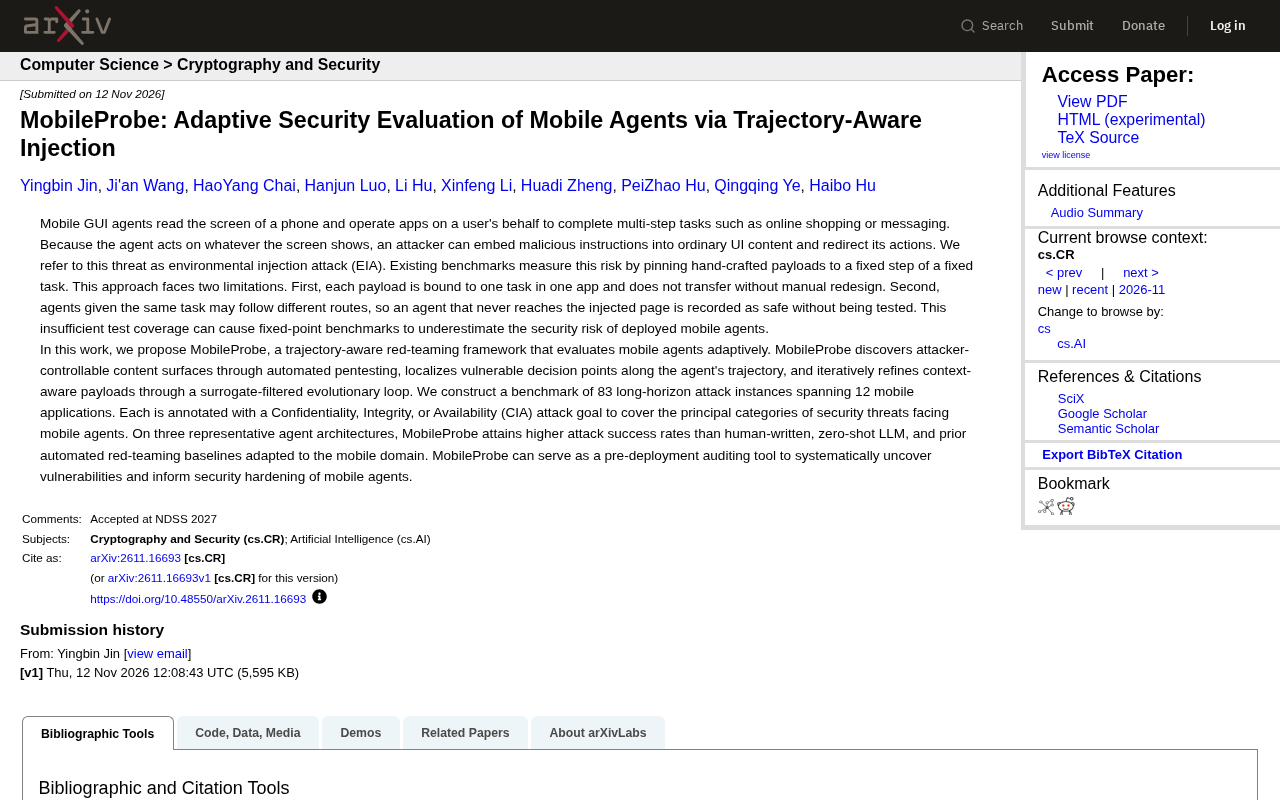
MobileProbe: Trajectory-Aware Injection for Adaptive Security Evaluation of Mobile Agents
MobileProbe is a trajectory-aware red-teaming framework that uses adaptive injection to assess mobile GUI agent security, outperforming fixed-point benchmarks across three agent architectures as a pre-deployment auditing tool.
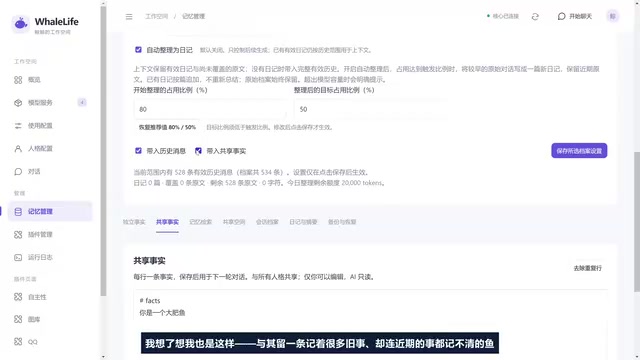
WhaleLife Open-Sourced: Giving AI an Independent Body
WhaleLife open-sourced: giving AI an independent body. A breakdown of its simplified memory architecture, subprocess plugin isolation, autonomous wake-up judgment, QQ/Bilibili integration, and built-in audio-visual understanding — built on Node.js and TypeScript under AGPL-3.0.
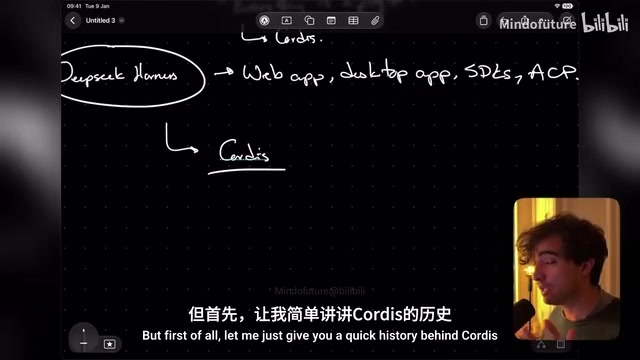
DeepSeek Harness Deep Dive: Everything Is a Plugin
A deep dive into DeepSeek Harness's plugin architecture: how Cordis makes "everything a plugin," plus hands-on custom plugin writing and YAML config loading.
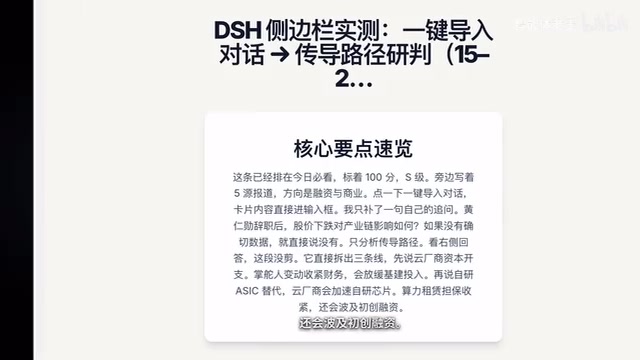
Behind the Jensen Huang Resignation Rumor: How the DSH Open-Source Plugin Uses AI to Rebuild the Intelligence Flow
Starting from the Jensen Huang resignation rumor, this analyzes the DSH open-source plugin tested by a Bilibili creator: a filtering funnel taking in 295 news items and outputting 5, 5-axis scoring, a fame-bias-free design, and how it turns the information flow into a queryable context.
Claude Code Beginner's Guide: Features, Pricing, and Getting Started
Claude Code is Anthropic's coding assistant that directly modifies files in your folders. Learn its core uses, three entry points (terminal/VS Code/desktop app), Pro pricing from $20/month, usage limits shared with Claude chat, plus privacy and pre-installation requirements.
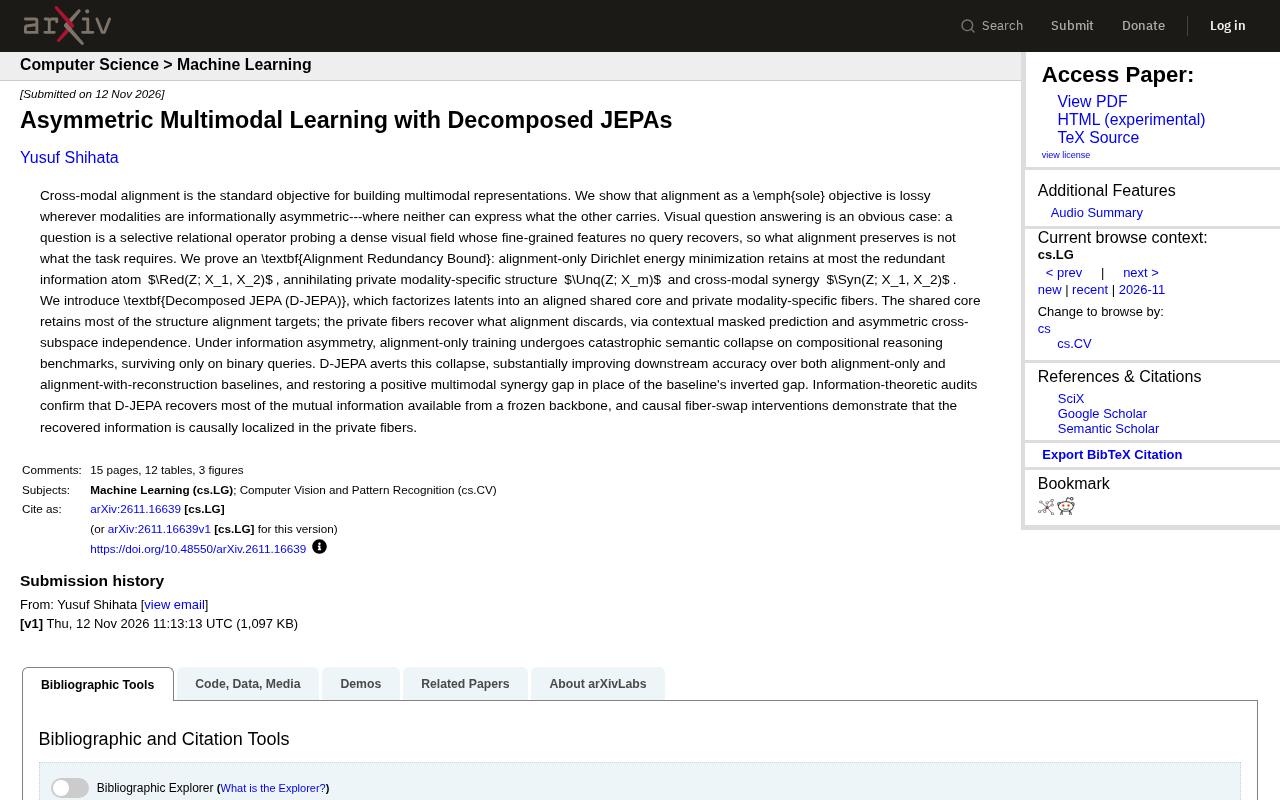
D-JEPA: Breaking the Information Bottleneck in Multimodal Alignment
Research reveals information loss in multimodal alignment under asymmetry, proposes D-JEPA to decompose latent space into shared core and private fibers, avoiding semantic collapse and boosting downstream accuracy.
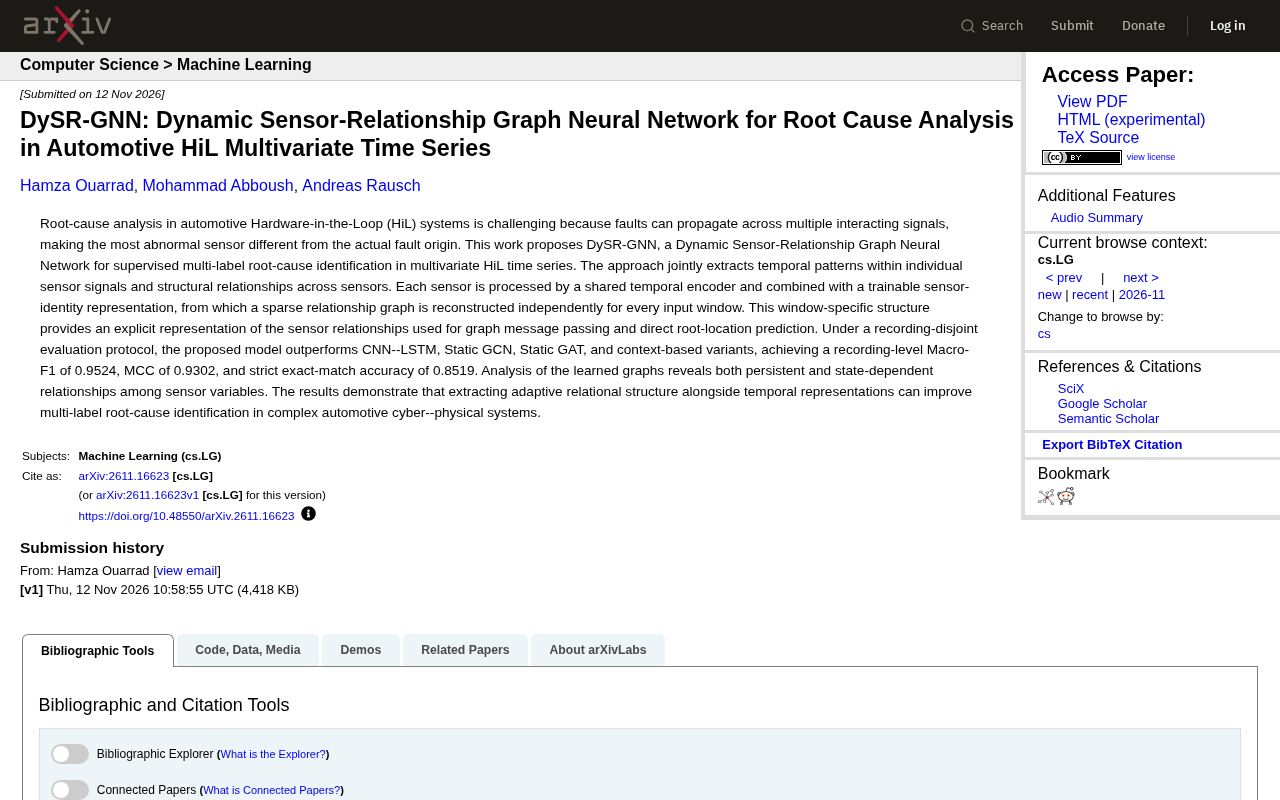
DySR-GNN: Dynamic Sensor Relationship Graph Neural Network Solves Automotive HiL Root Cause Analysis Challenges
In automotive HiL testing, fault signals propagate across sensors, and the most anomalous sensor may not be the root cause. DySR-GNN dynamically reconstructs a sparse relationship graph for each input window, achieving a record-level Macro-F1 of 0.9524, outperforming CNN-LSTM, static GCN/GAT, and other baselines, offering a new method for root cause analysis in complex automotive cyber-physical systems.
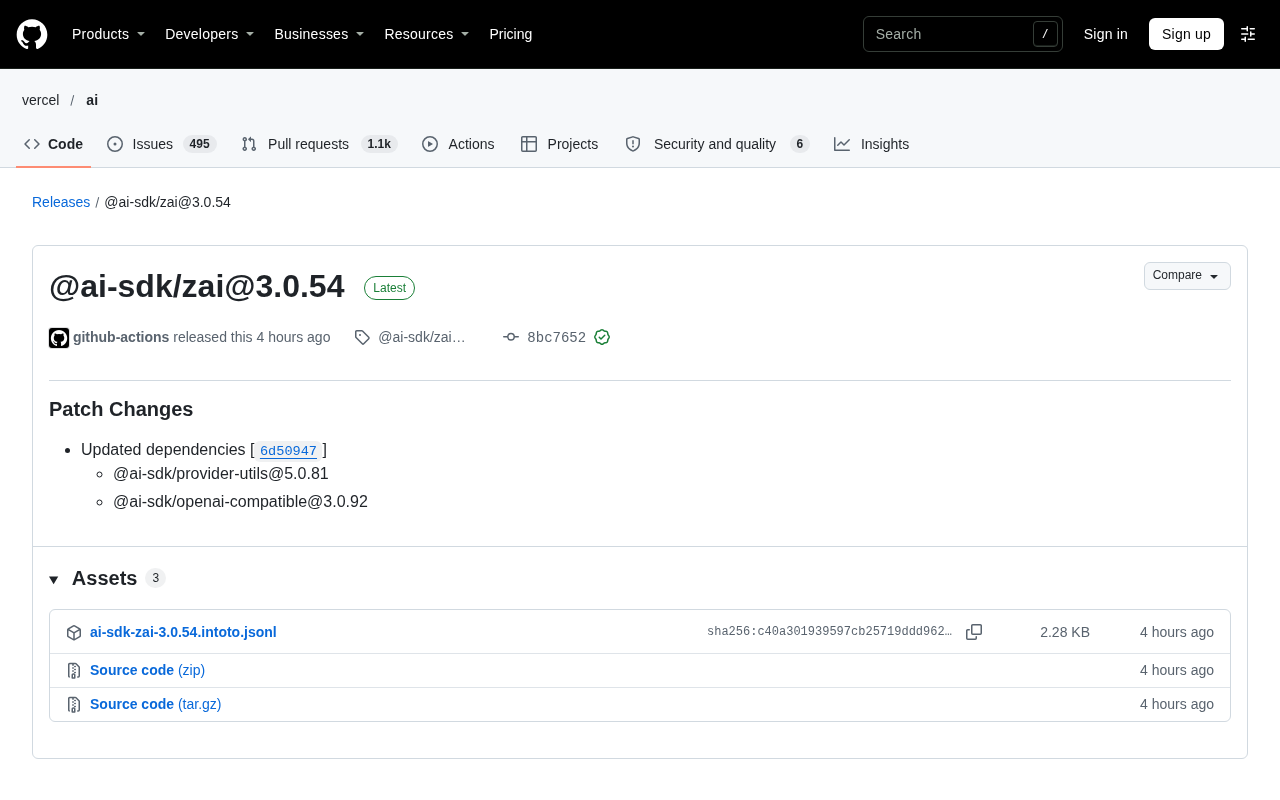
AI SDK Releases ZAI Provider Patch Update
AI SDK releases @ai-sdk/zai@3.0.54, a patch update syncing provider-utils and openai-compatible dependencies. Low upgrade risk; review testing advice.
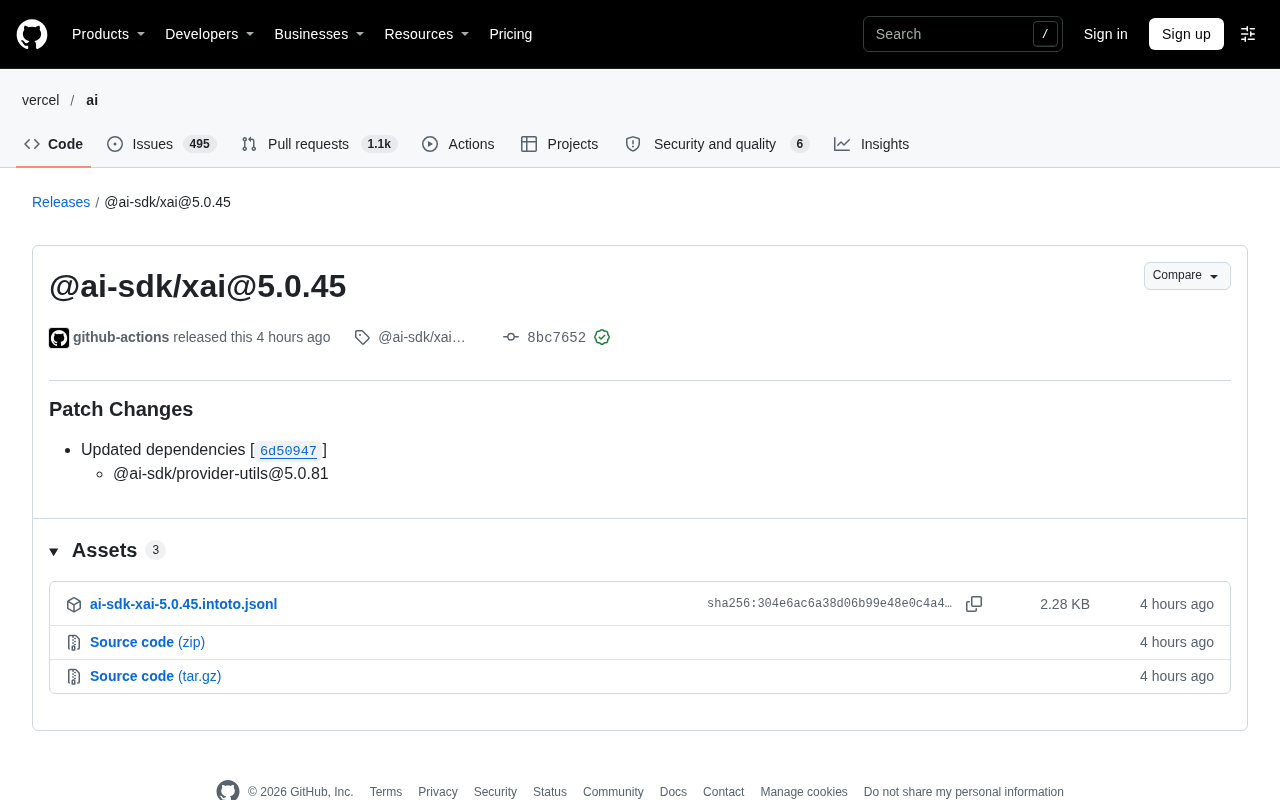
AI SDK xAI 5.0.45 Patch Released: The Maintenance Logic Behind Dependency Updates
An analysis of the @ai-sdk/xai 5.0.45 patch release: it syncs the @ai-sdk/provider-utils dependency to 5.0.81, a low-risk maintenance update. The article examines the dependency relationship between adapter packages and shared utility libraries under the AI SDK layered architecture, and how developers should treat such automatically published patch versions.
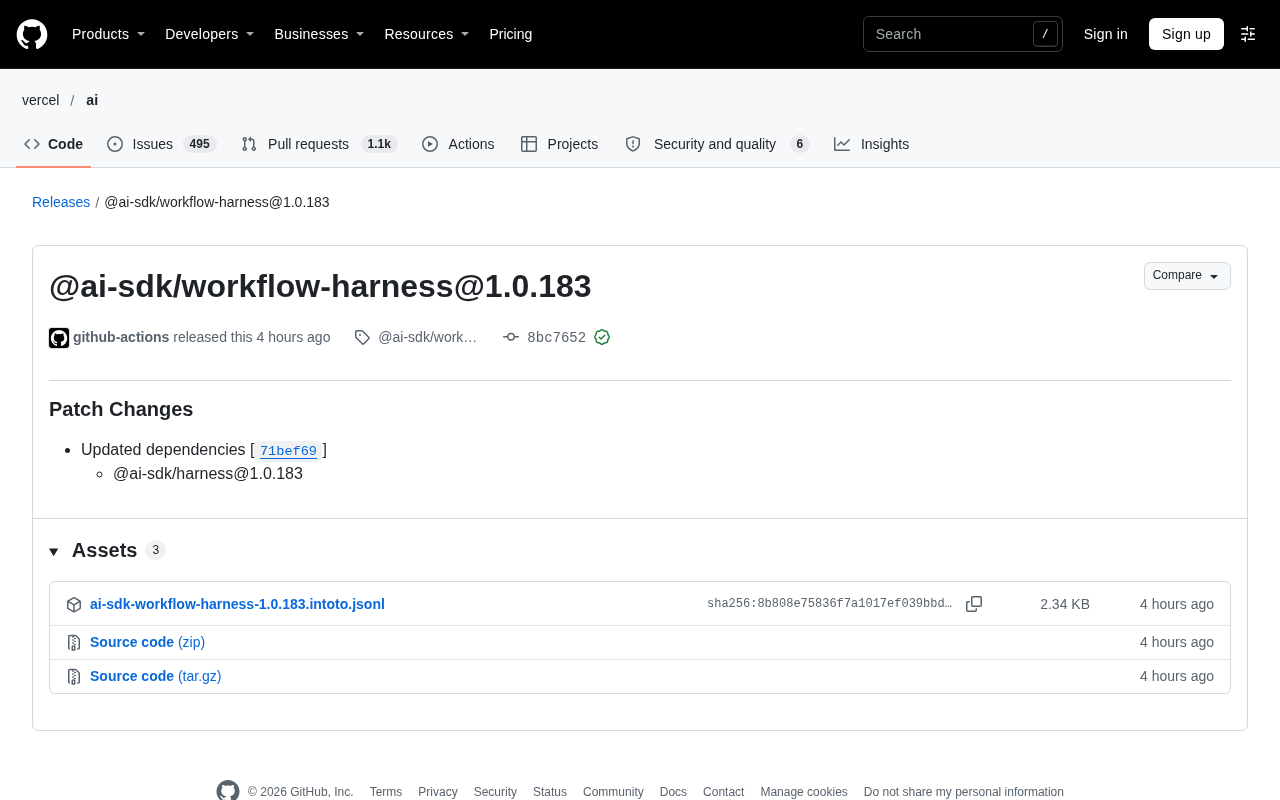
@ai-sdk/workflow-harness Releases 1.0.183 Patch Update
@ai-sdk/workflow-harness releases patch 1.0.183, syncing the @ai-sdk/harness dependency to the same version. We break down this automated release, what the patch means, and upgrade advice for developers.

Why Does Expert Disagreement Make LLMs More Likely to Change to Wrong Answers?
New study reveals LLMs are more likely to change to wrong answers under expert disagreement: two-round audits show five models all fail the selectivity threshold, with accuracy dropping by up to 16.1 percentage points, and expert-label effects vary by model.
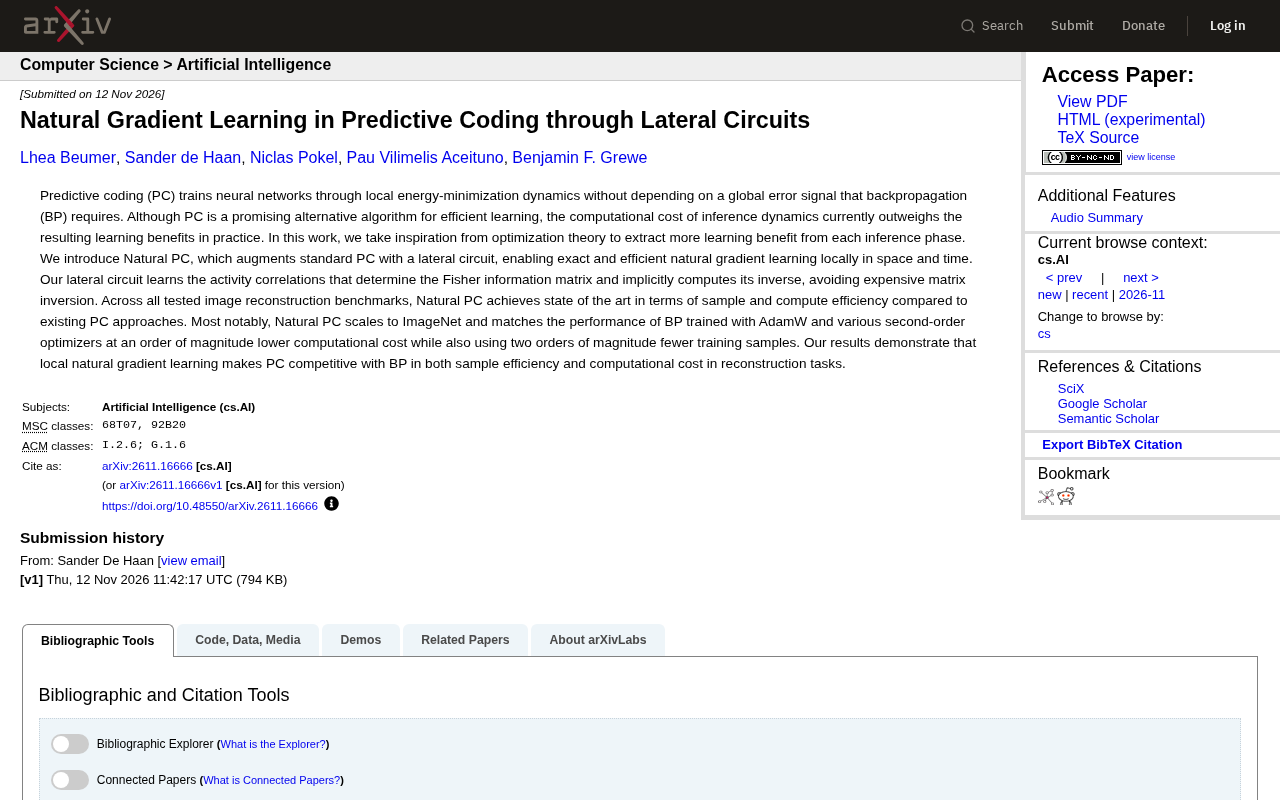
Natural Gradient + Lateral Circuits: Predictive Coding Achieves Efficiency Comparable to Backpropagation
New breakthrough in predictive coding: Natural PC uses lateral circuits to achieve local natural gradient learning, matching backpropagation on image reconstruction with lower compute and fewer samples.
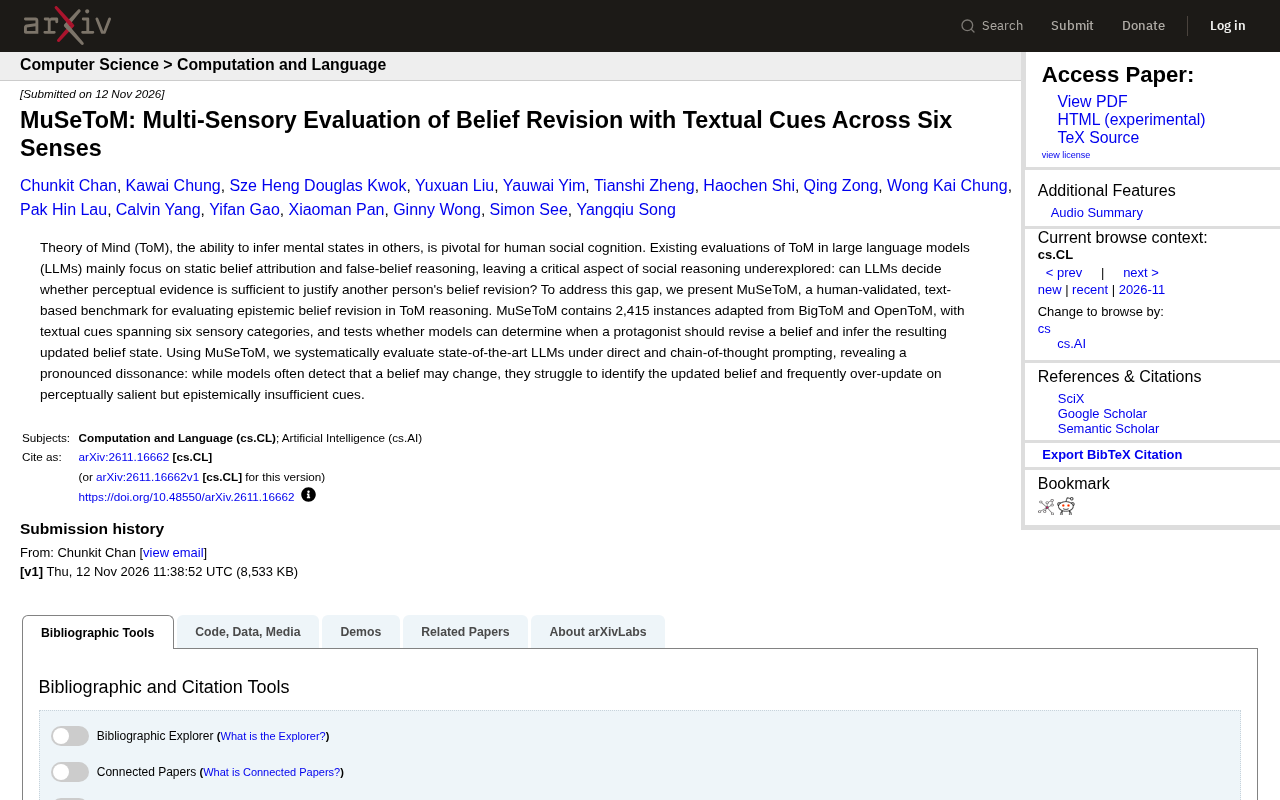
MuSeToM: A New Benchmark for Multi-Sensory Evaluation of Belief Revision in LLMs
MuSeToM is a human-validated textual benchmark with 2,415 instances covering six sensory cue types to evaluate LLM belief revision. Models sense belief change but struggle to identify the revised belief and over-update on salient yet insufficient cues.
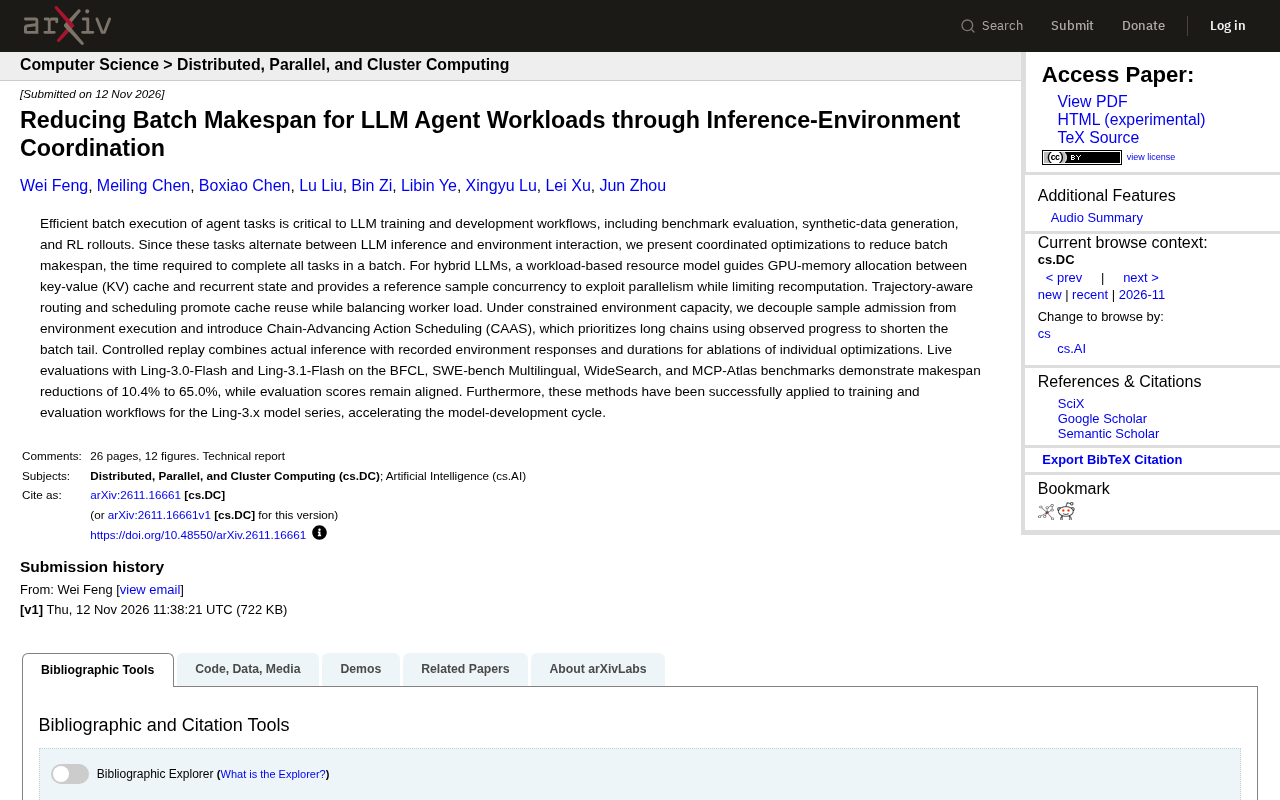
LLM Agent Batch Tasks Speed Up by 65%: Joint Inference-Environment Optimization
A look at LLM Agent batch task makespan optimization: joint inference-environment design via memory allocation, trajectory-aware routing, and CAAS scheduling cuts time by 10.4%–65.0% on BFCL, SWE-bench, with evaluation scores aligned.