Deep Dives
In-depth AI analysis, industry observations, and technical insights — slow down and read.

Nintendo's Massive GitHub DMCA Sweep: Emulators and Firmware Taken Down
Nintendo launched a large-scale DMCA takedown on GitHub targeting Switch emulators and mod chip firmware. This article covers the scope, Hacker News reaction, and potential impact.
NVIDIA Employees Petition for Jensen Huang's Return: A Stunt or Deep-Seated Anxiety?
NVIDIA employees petition for Jensen Huang's return—what's really behind the Hacker News hot post? We analyze the organizational anxiety and founder culture dilution.
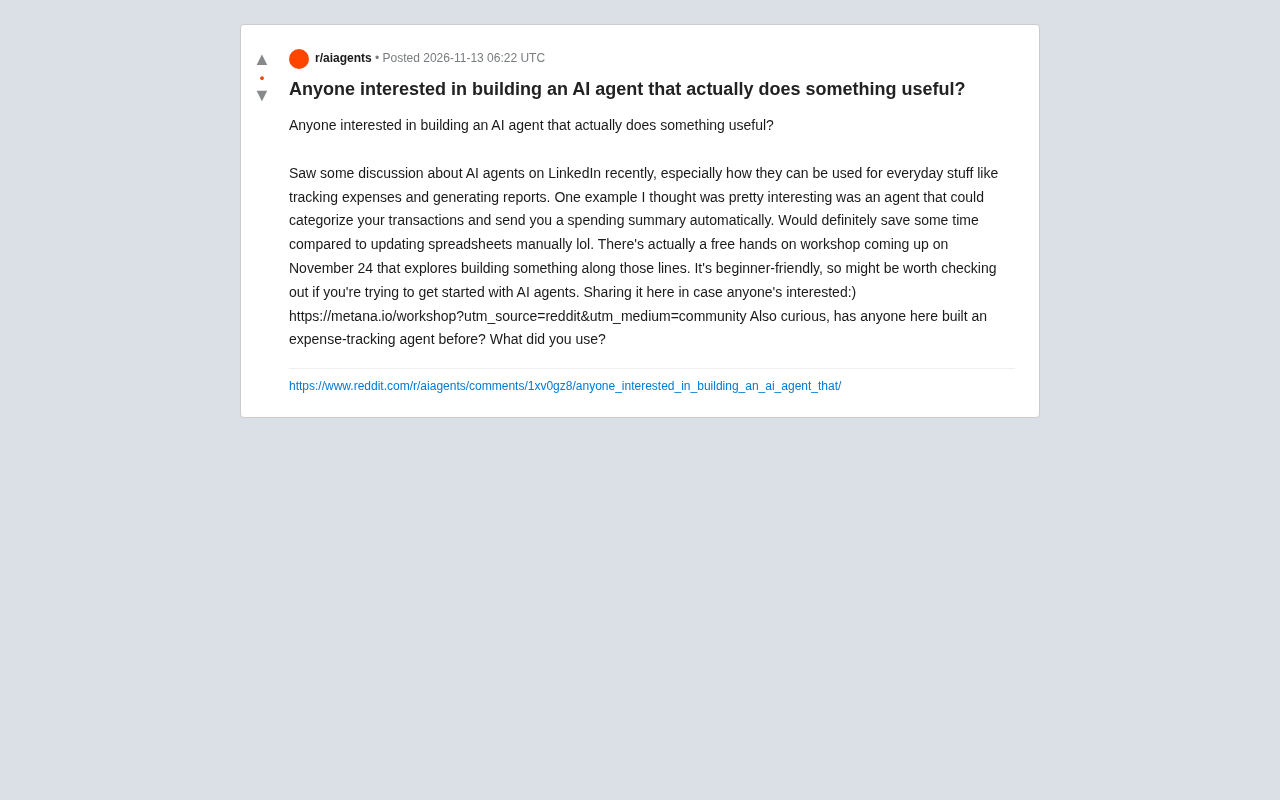
From Bookkeeping to Reports: How to Build a Truly Useful AI Agent
Starting from a Reddit discussion, explore how to build a truly useful AI agent, using automated bookkeeping and expense reporting as an example to break down data acquisition, categorization, automation, and output, with an entry-level tech stack and steps.

epistemic-guard: Intercepting AI Hallucinated Tool Calls in 10ms and Signing Agent Memories
epistemic-guard is an MIT-licensed Python package using clause-level tool receipt supervision and Ed25519 public-key memory gating to catch AI Agent ghost tool claims in ~10ms on CPU/NPU and prevent memory poisoning, with zero LLM API calls.

Jensen Huang Resignation Rumor Explained: NVIDIA's Leadership Transition and the Future of AI Leadership
AINews reports Jensen Huang resigned after 33 years leading NVIDIA, with Colette Kress as interim CEO. We examine the rumor's factual boundaries, what the transition means, and implications for open source and U.S. AI leadership.

New Discovery at the Edge of the Solar System: Dwarf Planet Candidate with an Orbital Period of About 280 Years
Astronomers have discovered a mysterious object beyond Pluto's orbit with a period of about 280 years, possibly a new dwarf planet candidate. This article explains its scientific significance, dwarf planet criteria, and future observations.
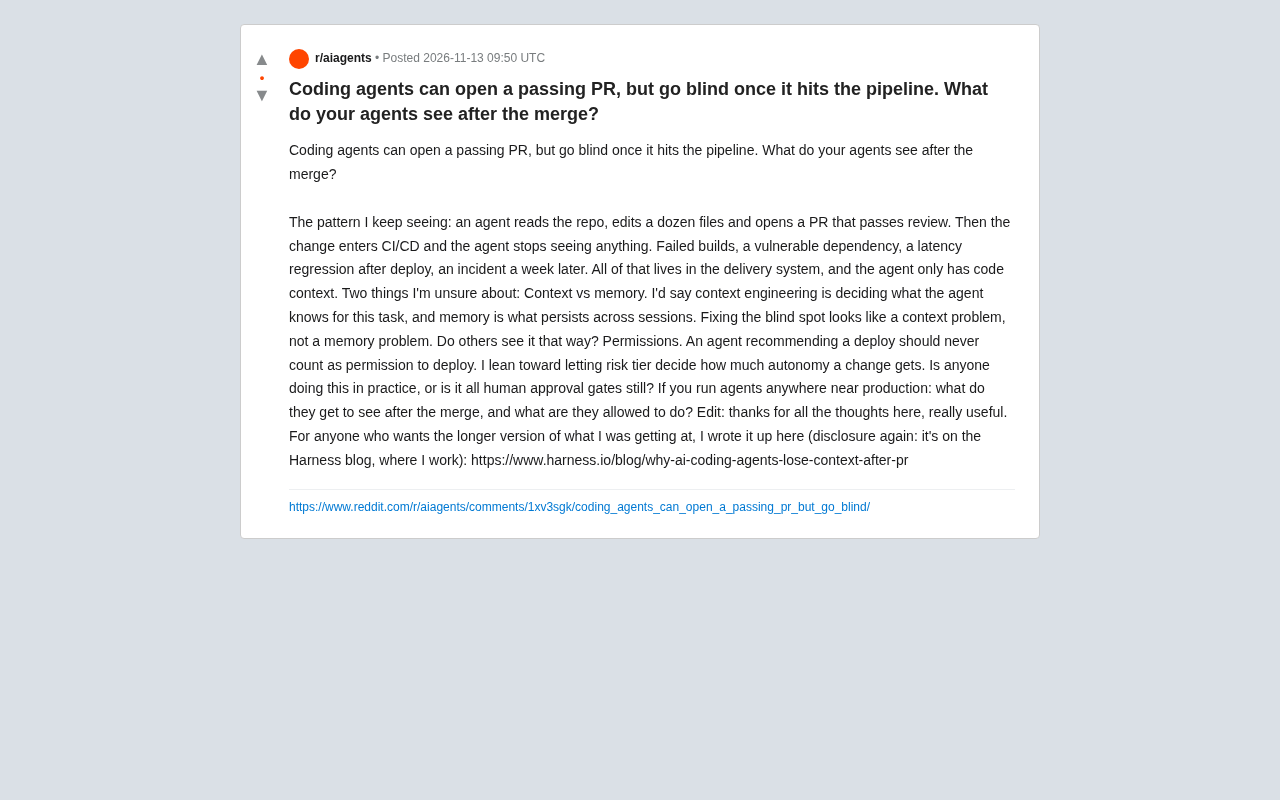
The Blind Spot of AI Coding Agents: Why Do They Go Dark After PR Merge?
AI coding agents can submit passing PRs but go blind once changes enter CI/CD. This article explores context engineering vs. memory, risk-tiered permissions, and agents' visibility and operational boundaries in delivery systems.
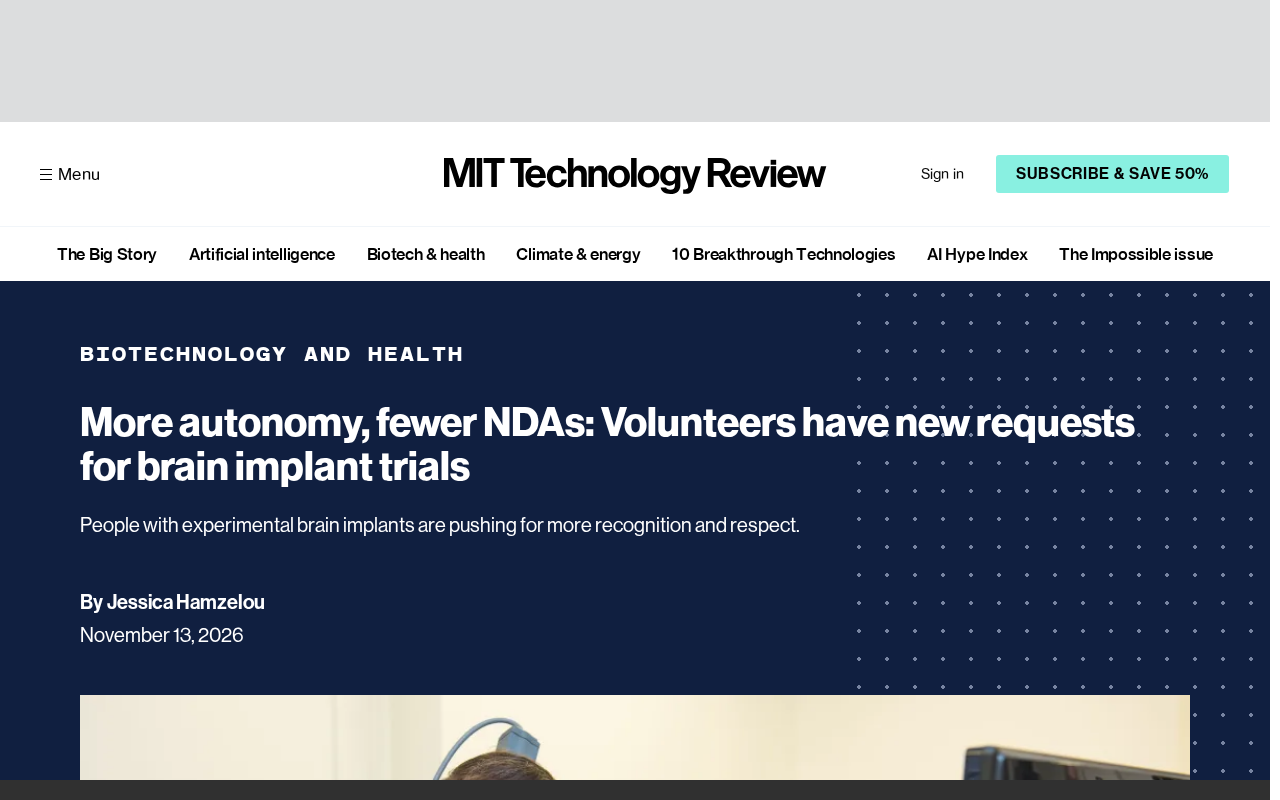
Brain Implant Trial Volunteers Make New Demands: More Autonomy, Fewer NDAs
Brain implant trial volunteers demand more autonomy and fewer NDA restrictions. This article analyzes the ethical tensions behind this trend and how participant rights protection in BCI research is evolving.
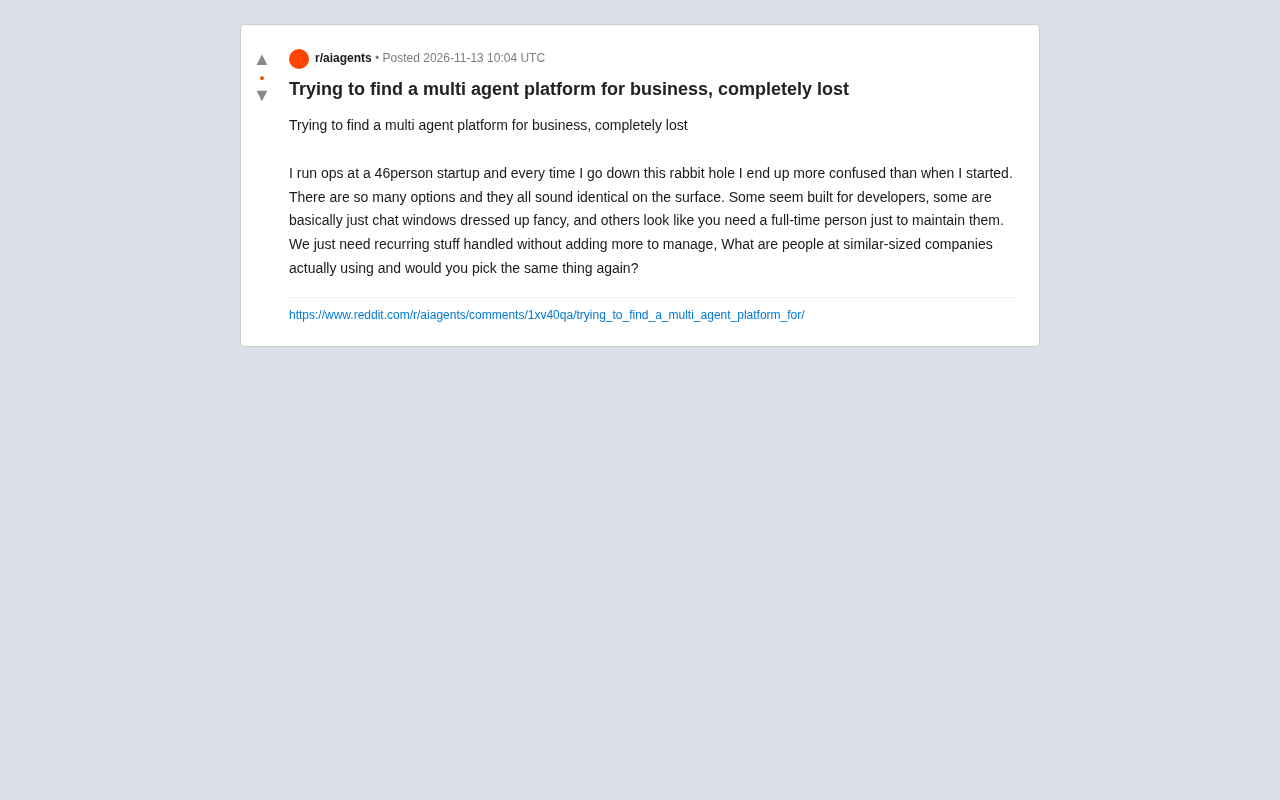
How to Choose a Multi-Agent Platform? The Confusion and Cure for a 46-Person Startup's Operations Lead
A 46-person startup's operations lead is lost choosing a multi-agent platform. This article synthesizes Reddit and community discussions to analyze platform types, maintenance costs, and what comparable companies actually choose, and offers a four-step selection framework plus minimum viable agent advice.
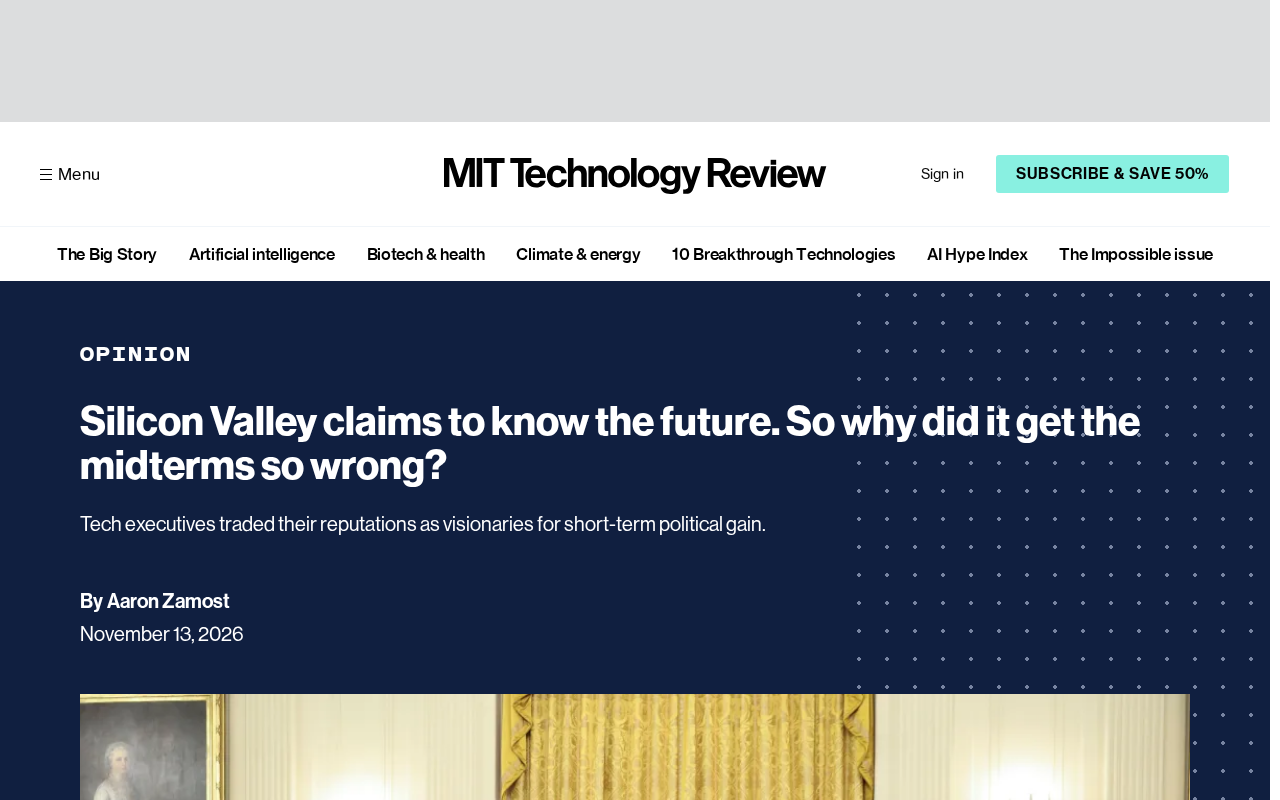
Why Silicon Valley's Prophets All Missed the Midterms
Silicon Valley leaders claim to foresee the future yet missed the midterms. This analysis explores tech elites' political misjudgments: data bias, reflexivity, and engineering thinking's limits—with lessons for AI forecasting.
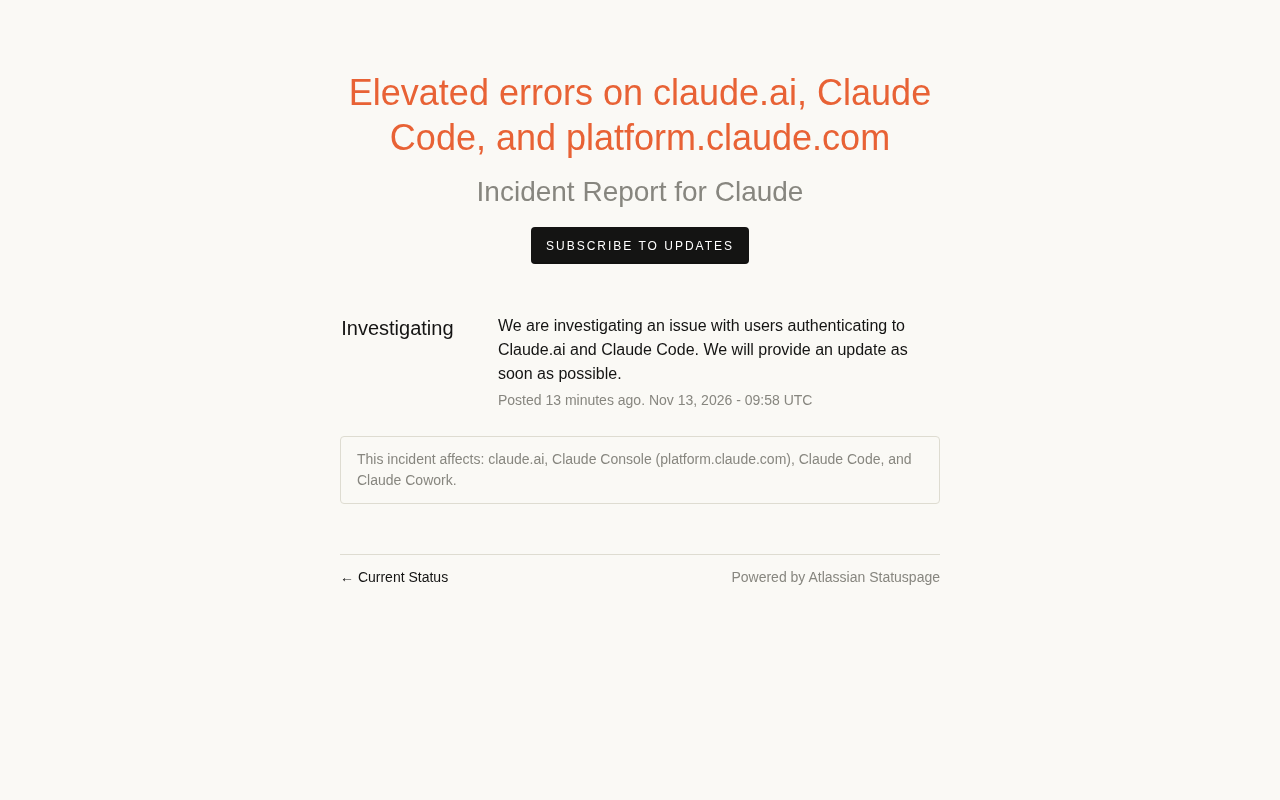
Claude Service Disruption: Official Investigation into Authentication Errors
Claude's official status page shows authentication-related errors on claude.ai, Claude Code, and platform.claude.com, marked as under investigation. This article covers the affected scope, official response, and developer recommendations.

MiniMax H3 Image Open-Source Hands-On: 16 Reference Images, Poster Typography, and Agent-Based Image Generation Explained
Hands-on review of MiniMax's open-source H3 Image model: compared with GPT, Gemini, and Doubao on Chinese poster typography, 16 reference images, exploded views with Chinese labels, plus API integration with DeepSeek Harness for Agent-driven generation and recoloring.

DeepSeek Open-Sources Harness: A Plugin-Based Dev Tool with 270K Stars
DeepSeek's official open-source Harness hits 270K GitHub stars, written in TypeScript under MIT. We break down its plugin architecture, multi-model comparison, four use cases, and a three-step start.
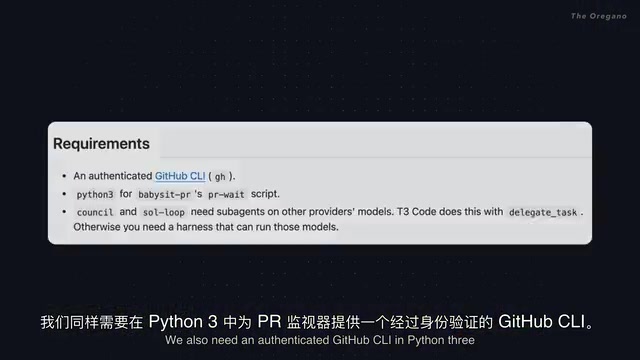
New Claude Code Workflow: 9 Open-Source Skill Packs Take Over the Entire PR Lifecycle
Theo open-sources 9 AI agent skill packs for Claude Code and Codex, covering test verification, multi-model code review, PR submission, CI fixes, and auto-merge, with the main skill proving the problem first and humans retaining final merge authority.
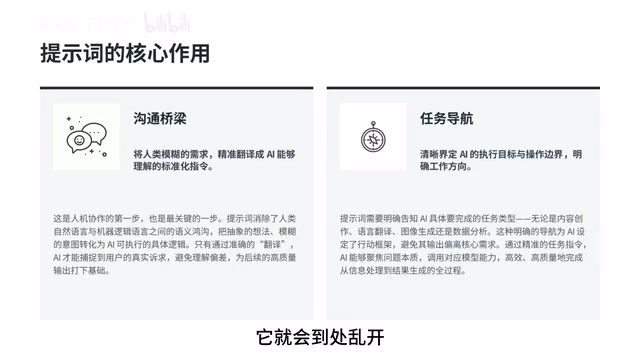
Prompt Engineering from Beginner to Practitioner: Bilibili Tutorial Explains Core Concepts
Bilibili tutorial systematically explains prompt engineering core concepts: four layers of prompts, difference between prompts and prompt engineering, six-step workflow, four goals, and real limitations like context limits, hallucinations, and cost traps, helping beginners build a reusable AI collaboration methodology.
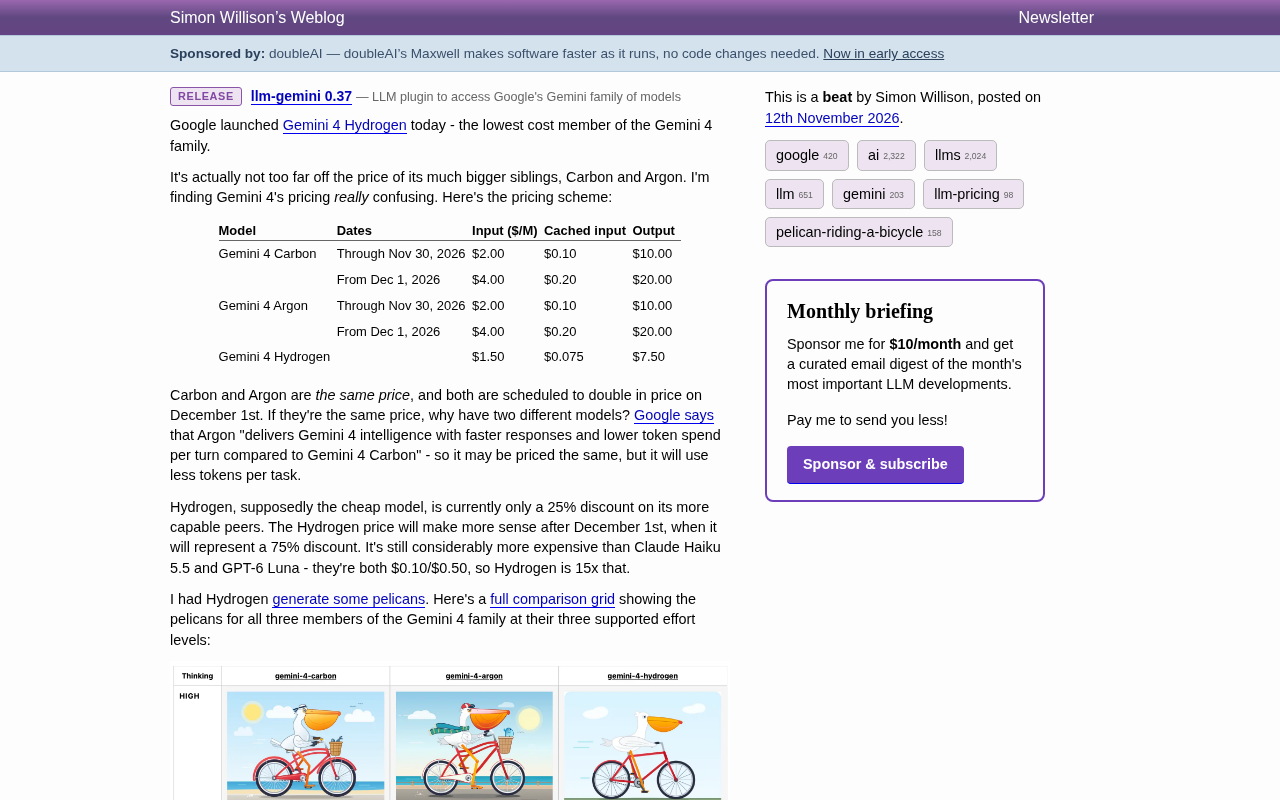
Gemini 4 Hydrogen Released: Low-Cost Model Pricing Strategy and Performance Comparison
Google releases Gemini 4 Hydrogen. We analyze its pricing strategy, performance vs Carbon/Argon, and its role as a free-tier model and multi-model workflow execution engine.
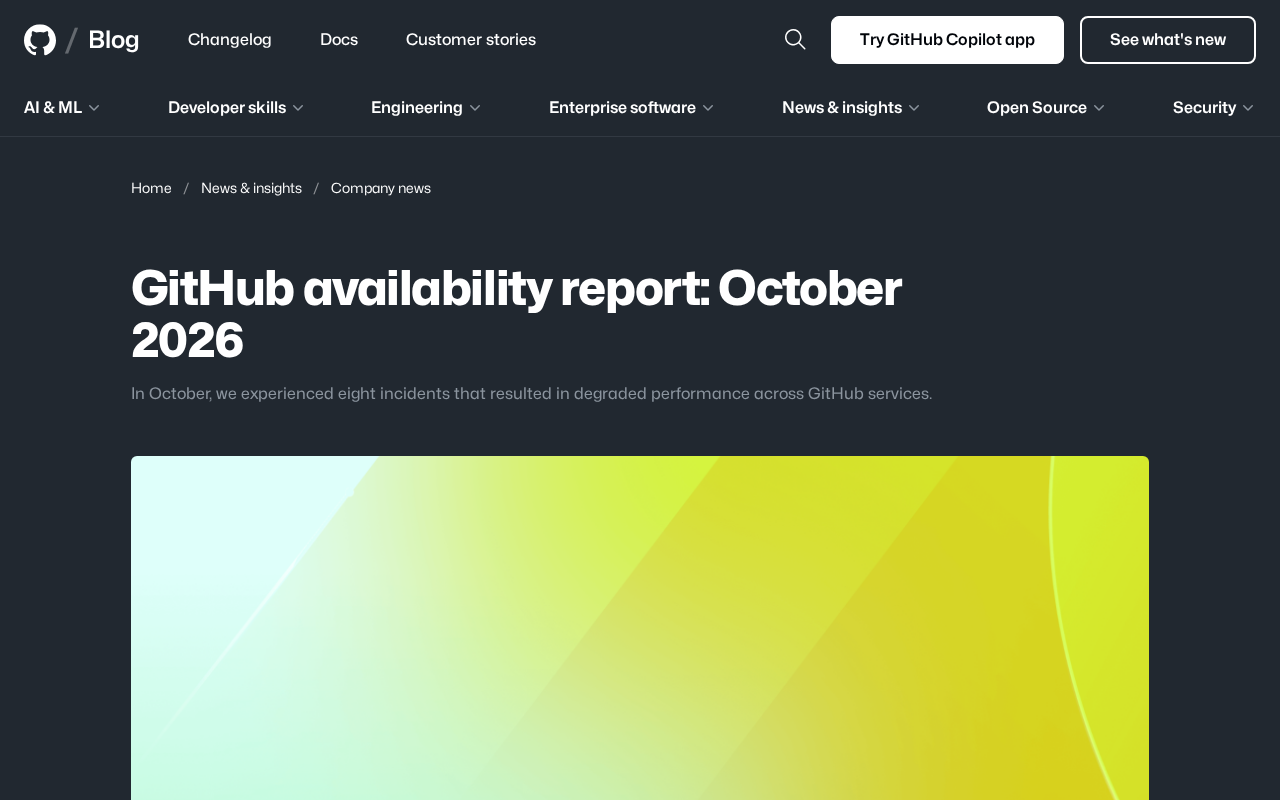
GitHub October Availability Report: Eight Incidents Affecting Services
GitHub's latest availability report reveals eight incidents causing degraded service performance this month. We break down the incident count, impact types, and what it means for developers relying on GitHub.
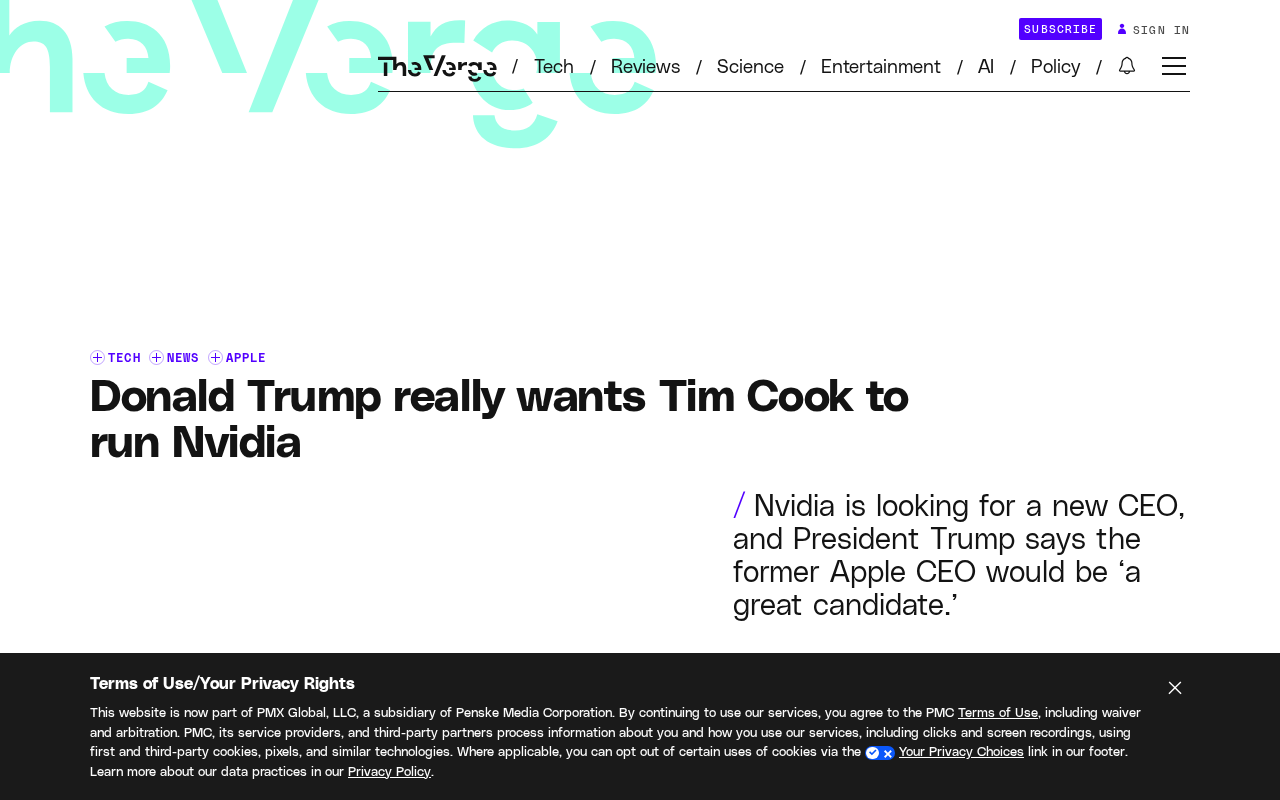
Trump Suggests Tim Cook Take Over Nvidia as Jensen Huang's Resignation Sparks CEO Speculation
Nvidia CEO Jensen Huang resigns amid affair reports; CFO takes over temporarily. President Trump publicly suggests former Apple CEO Tim Cook succeed him.
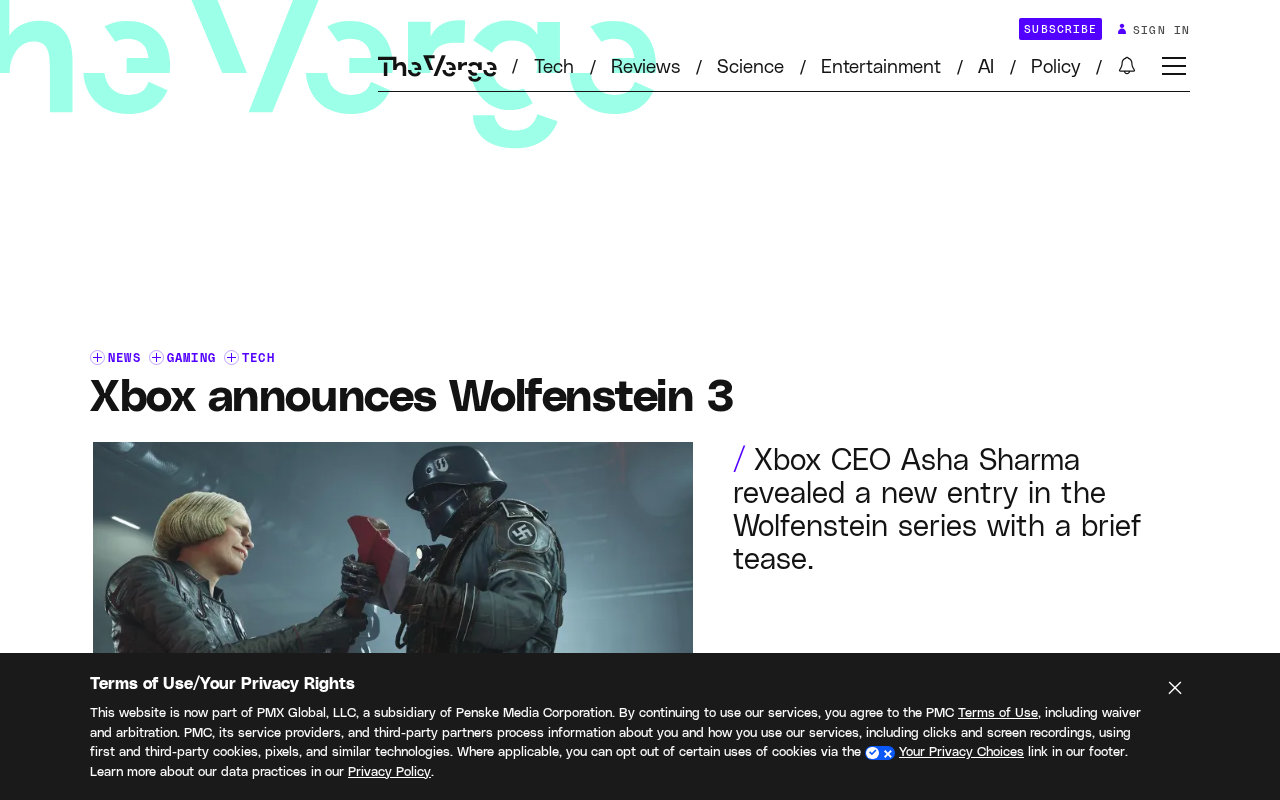
Xbox Officially Announces Wolfenstein 3, MachineGames Returns to the Series
Xbox officially announces Wolfenstein 3, developed by Bethesda's MachineGames nearly a decade after The New Colossus. Here's what we know so far.
Traditional RAG vs. Context Graphs: How Do You Decide Which Wins?
Traditional RAG vs. context graphs: a three-dimensional framework covering query complexity, data structure, and evaluation metrics—plus why hybrid approaches often win.