Deep Dives
In-depth AI analysis, industry observations, and technical insights — slow down and read.

Perplexity Releases Decider v1.3: Decision Model Adds Locate Capability
Perplexity releases Decider v1.3 and Flash v1.3 open-weight decision models that output probabilities rather than text, adding Locate span extraction with 91.6% average accuracy across 63 query classification tasks.
Brazil's Caixa Insurance Data Breach E…
Brazil's Caixa Insurance Data Breach Exposes Names and Tax IDs of 7.6 Million Customers
Brazil's Caixa Insurance suffered a data breach exposing the names and tax IDs (CPF) of all ~7.6 million customers. This article analyzes the breach scale, identity data risks, and common data protection challenges at financial institutions.
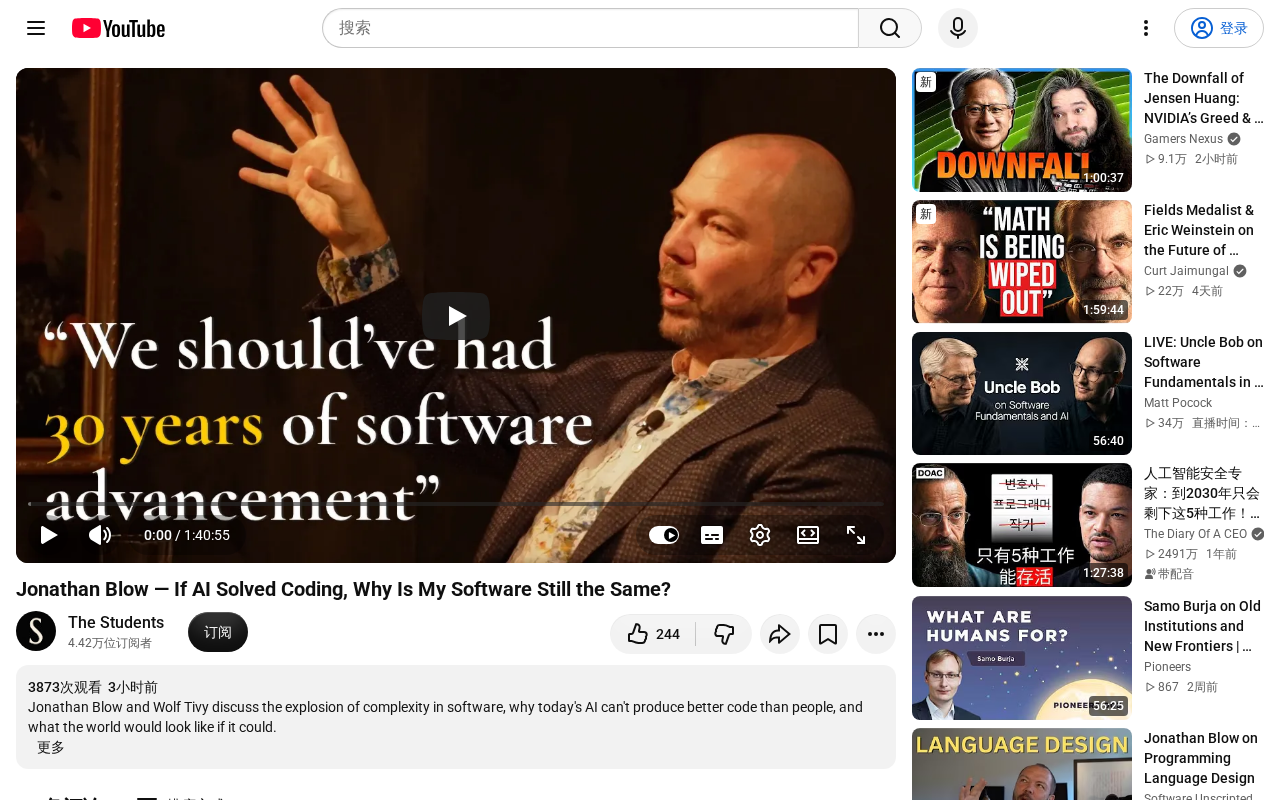
Has AI Solved Programming? Jonathan Blow's Doubts Are Worth Pondering
Jonathan Blow questions the AI programming narrative: if AI truly solved programming, why is software still the same? This article analyzes his core views, the gap between code generation and software engineering quality, and the limitations of AI programming tools.
Behind Jensen Huang's Resignation: Where Does Nvidia's China Business Go?
Jensen Huang resigns as Nvidia CEO, but the original report notes the bigger story lies in Nvidia's China business dealings and the U.S. government's stance. This article sorts out the background and open questions.

Alzheimer's Is Preventable and Manageable: A Neurologist's Five Brain-Protection Rules
A neurologist says Alzheimer's is mainly a metabolic brain disease and highly preventable. Here are five controllable risk factors—from breaking medication dependency to moving more and eating better.
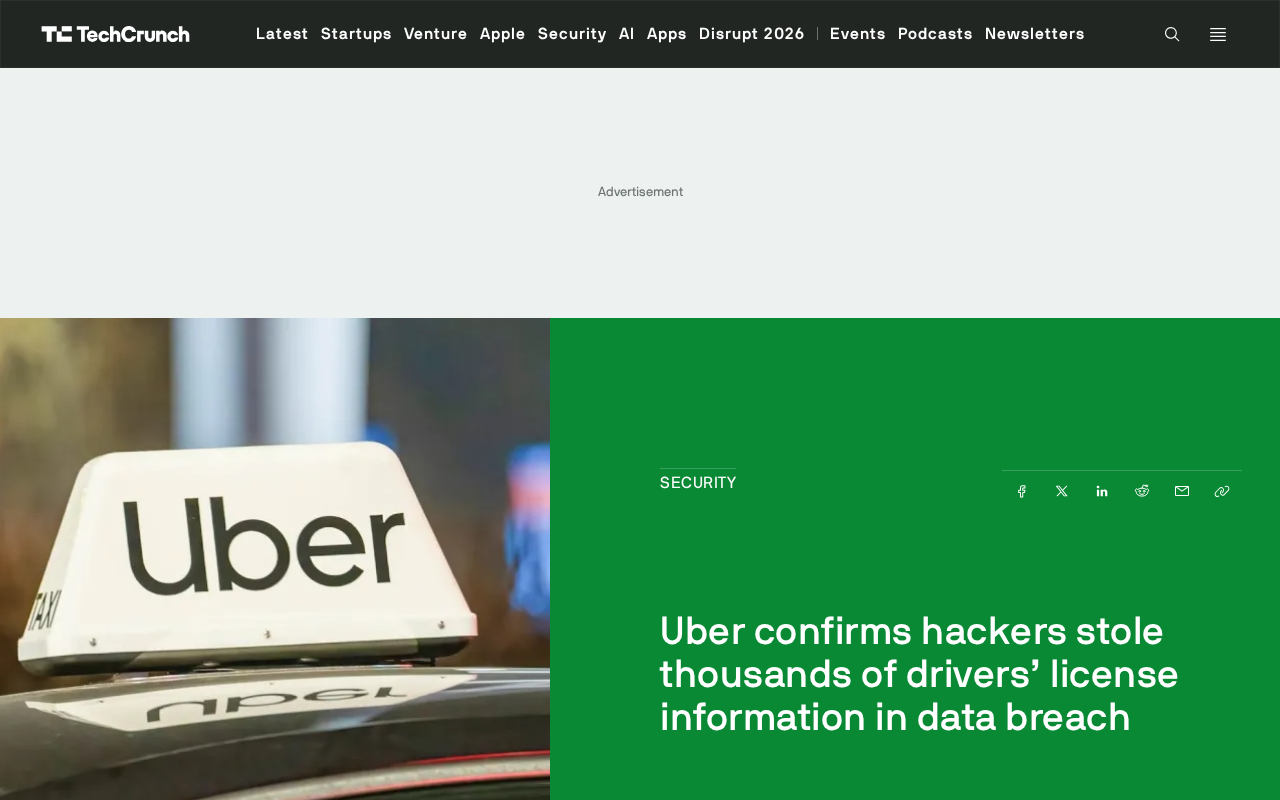
Uber Confirms Data Breach: Thousands of Drivers' License Information Stolen via Fireworks AI
Uber confirms thousands of drivers' license information stolen in a data breach, with data stored by AI cloud company Fireworks AI. This article analyzes AI supply chain security blind spots, risks of enterprise AI service procurement, and recommendations.
Expert Re-selection in Looped Transformers and Replication of the One-Loop Tax
Reddit discussion reveals the importance of re-selecting experts each loop in small looped transformers and replicates the "one-loop tax," offering practical guidance for looped MoE design and evaluation.
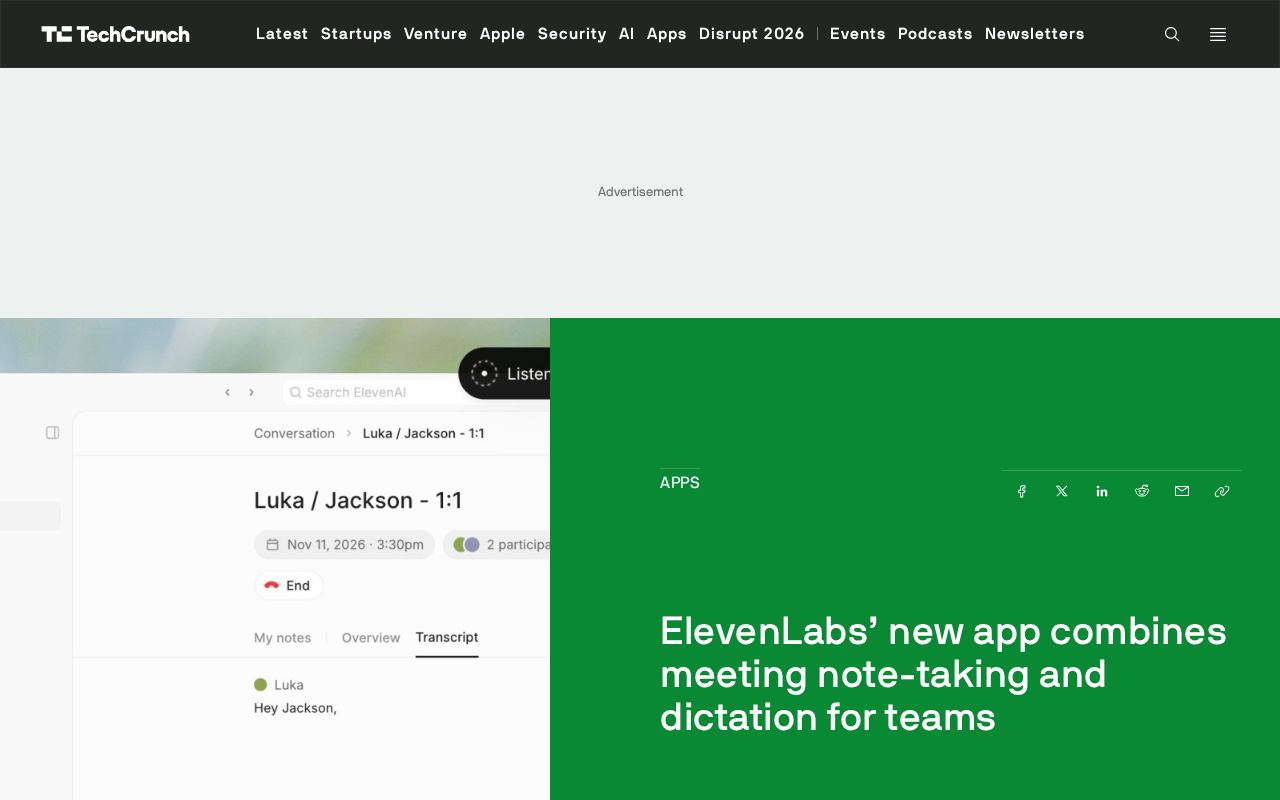
ElevenLabs Launches ElevenAI: All-in-One Meeting Notes and Dictation
ElevenLabs launches ElevenAI, a team and enterprise app combining meeting notetaking and dictation, extending from voice APIs to enterprise productivity tools.
Databricks Lakehouse Migration Tool Genie Migrate Officially GA
Databricks announces that its data migration tool Genie Migrate is now Generally Available (GA), helping enterprises smoothly migrate data assets to Lakehouse architecture and lowering the barrier to data migration for AI agents and application development.
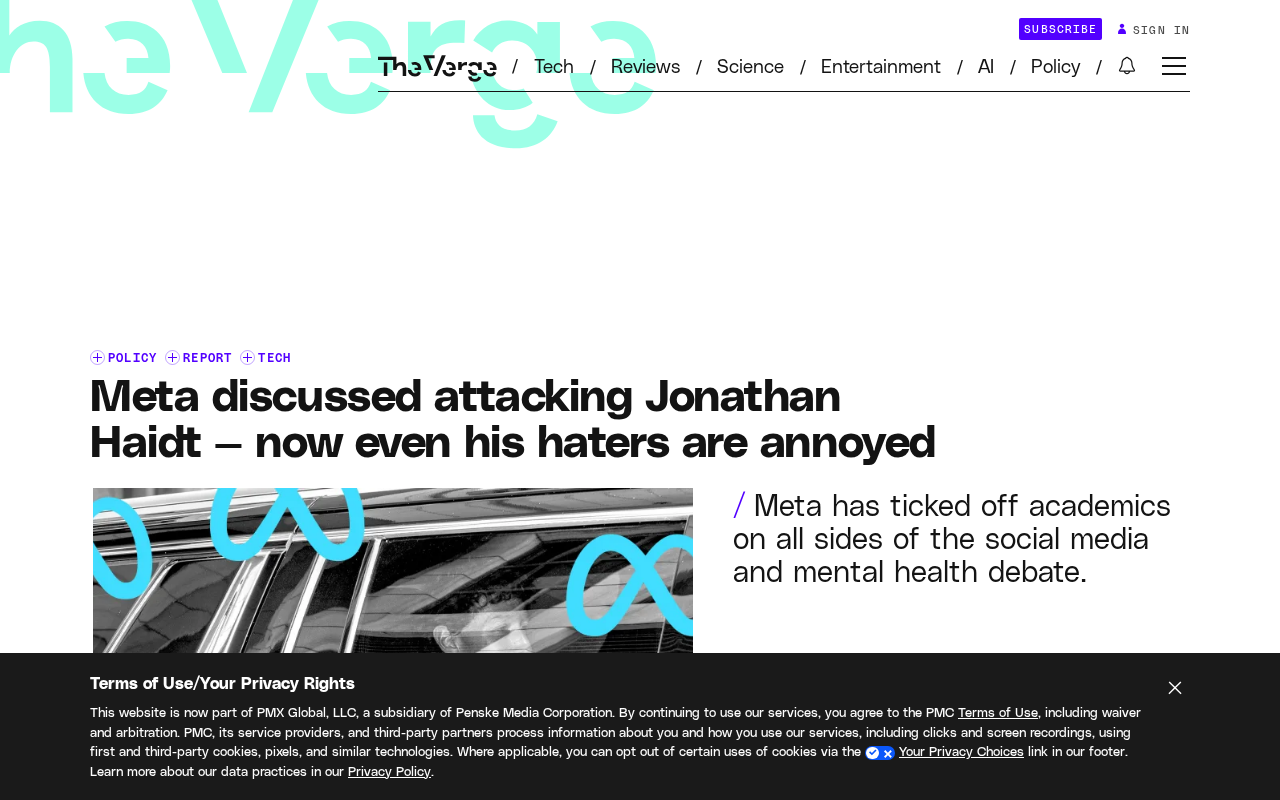
Meta's Attempt to Smear Haidt Backfires: Even His Critics Are Fed Up
Meta considered a plan three years ago to shift public perception of its critic Jonathan Haidt, but the court documents' exposure backfired—even Haidt's critics are angry at Meta. This article analyzes the opinion-manipulation logic and industry warnings behind the episode.

Can AI Cure Cancer in Ten Years? Anthropic CEO's Bold Claim and Doctors' Skepticism
Anthropic CEO Dario Amodei says AI will cure cancer within ten years, but the medical community is broadly skeptical. This article analyzes the divide between techno-optimism and clinical reality, and the deeper issues behind the mismatched definition of "cure."

OpenCode v2.3.0: Subagents Move Fully to the Background, Leaner Logs
OpenCode v2.3.0 moves subagents to background execution by default and lowers transcript verbosity. This article covers both default changes, what to configure manually, and the practical impact on troubleshooting and concurrency.

Devin Apps Launches: AI Cloud Computers Now Directly Host Private Apps
Devin Apps officially launches: host private web apps directly on Devin's cloud computer, with creation, sharing, and updates. This article examines its features, usage loop, and impact on AI programming workflows.

Reverse Engineering the Coway Air Purifier: Breaking Free from Cloud Control
A developer reverse engineers the Coway air purifier to bypass the cloud and achieve local control, sparking discussions on smart home privacy and device ownership.

Elderly People Are Being Consumed by AI Junk Content? The Truth Behind Screen Addiction
A Vox *The Gray Area* interview reveals elderly people's addiction to AI-generated content: from AI Amish health advice to romance scams, adult children face an ethical dilemma over whether to intervene in their parents' screen time. Jessica Lucas analyzes the loneliness and commercial drivers behind screen addiction.

Can a README Hack Your AI Agent? Three Layers of Defense Against Prompt Injection
AI coding agents read every file in a repo, and READMEs can hide malicious instructions, causing prompt injection. This article explains the mechanics and offers three layers of defense: treat external code as untrusted, lock down permissions, and review every command before running it.

Getting Started with Orca: Running Multiple AI Coding Agents in Parallel with Git Worktree
Orca is an open-source ADE that creates an independent Git worktree per task, letting Claude Code, Codex, Cursor CLI, and Gemini CLI run in parallel without overwriting files. Covers its core mechanism, differences from VS Code and Anti-Gravity, and the limits of parallel development.

One Line of Code Lets an AI Agent Learn to Watch YouTube
YouTube Transcripts MCP tool lets AI agents retrieve structured video transcript JSON in one call, including full text, timestamps, language, and metadata, with batch processing and multi-platform integration.
LinkedIn Learning API for AI Agents: Course Data in a Single JSON Call
LinkedIn Learning API turns courses, ratings, reviews, and full syllabi into structured JSON, letting Claude, Cursor, and ChatGPT retrieve course data via tool calls.
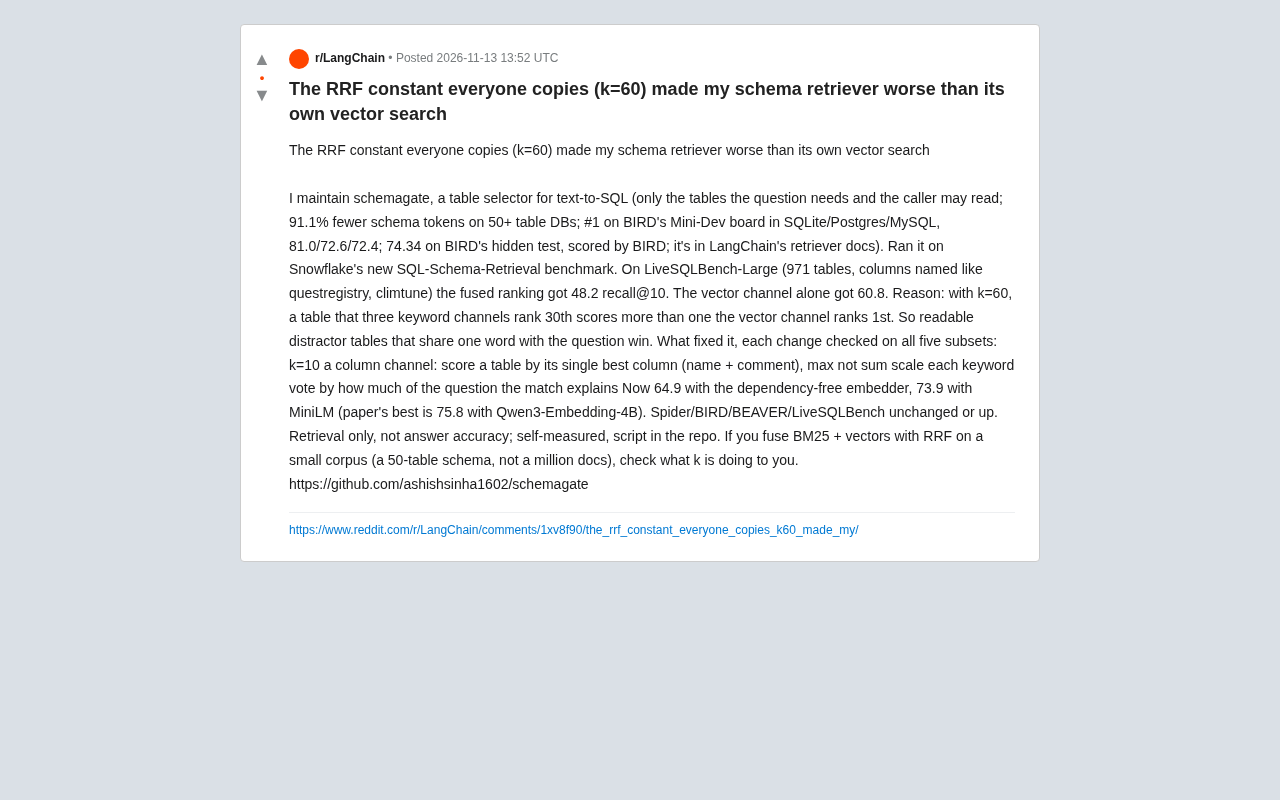
RRF Constant k=60 Hurting Retrieval? SchemaGate Author Tests and Corrects
SchemaGate's author found that the RRF constant k=60 made schema retrieval fusion worse than pure vector retrieval, with recall@10 of only 48.2 on a new Snowflake benchmark. Adjusting k=10, adding a column channel, and scaling keyword votes by explanatory power raised it to 73.9.