All articles
39320 articles
ResQAdam: A Residual-Preserving Adaptive Optimizer That Substantially Cuts QAT Memory Overhead
By preserving the sign of QAT momentum residuals, ResQAdam achieves near-AdamW accuracy in a low-rank framework while cutting optimizer state memory by 71%–74%, with under 2% throughput loss.
From Procedures to Permissions: How Agent Skills Teach Subagents Precise Authorization
In multi-agent collaboration, which tools and workspace permissions should subagents receive? Research extracts authorization supervision signals from Agent Skills' procedural knowledge, significantly improving permission precision and task success rate on ClawArena-Team.
Language Models Under Self-Training: Richer Vocabulary, Yet Lower Entropy?
A nine-generation GPT-2 self-training experiment reveals: word types drop 24% while collision entropy rises 0.91 bits, with ordered Renyi crossings robust, challenging single-metric model-collapse assessment.
Domain Fine-Tuning Erodes AI Safety Guardrails: A Paired Audit of Biomedical LLMs
A paired audit comparing 25 biomedical domain fine-tuned LLMs with 11 base checkpoints finds knowledge-centric abstention dropped from 8.3% to 4.2%, with 21 of 25 pairs declining, revealing that domain fine-tuning may erode AI safety guardrails.
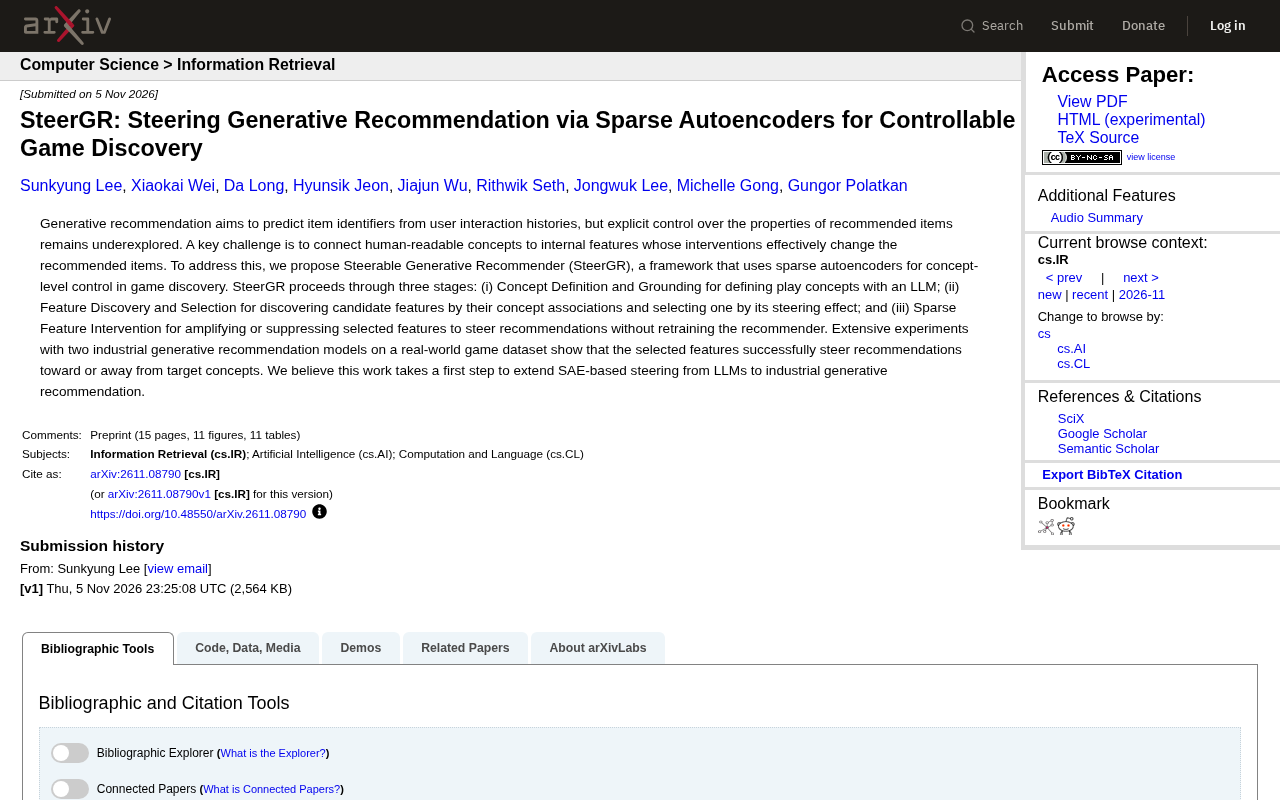
SteerGR: Sparse Autoencoders Enable Controllable Game Recommendations
SteerGR uses sparse autoencoders to enable concept-level control in generative recommendation, steering results toward or away from target concepts via a three-stage framework without model retraining, validated on a real game dataset.
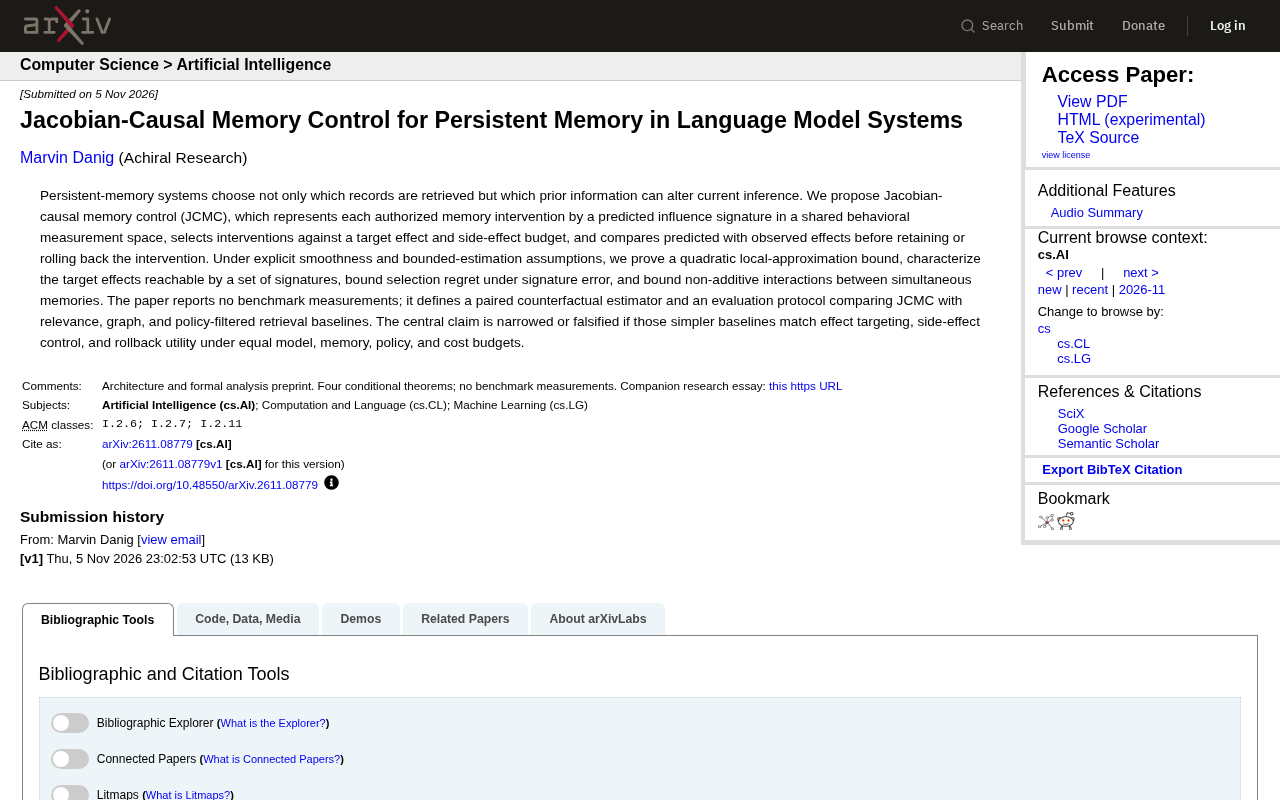
JCMC: Reshaping Persistent Memory Systems with Jacobian-Causal Control
The paper proposes Jacobian-causal memory control (JCMC), using Jacobian impact signatures to control persistent memory interventions, screening target effects and side-effect budgets in a behavioral measurement space, and supporting a predict-observe-rollback loop. The article reviews its mechanism, theoretical guarantees, and falsifiable evaluation protocol.
AI SDK Svelte 4.0.326 Release Analysis
@ai-sdk/svelte releases patch 4.0.326, syncing the ai core package to 6.0.326. This analysis covers the versioning strategy, release process, and practical impact for Svelte developers.
AI SDK Svelte Package Releases 5.0.166 Patch Update
AI SDK's Svelte binding package releases patch 5.0.166, with the core ai package synced to 7.0.166. This article covers what's in the patch, the binding layer's role in the AI SDK ecosystem, and version sync and streaming regression considerations for upgrades.

Vercel AI SDK Sandbox Tool Releases 1.0.177 Patch Update
Vercel AI SDK releases @ai-sdk/sandbox-vercel@1.0.177 patch, updating @ai-sdk/harness in sync. We analyze what this patch signals, the sandbox's role in the AI SDK architecture, and how developers should handle such small version upgrades.
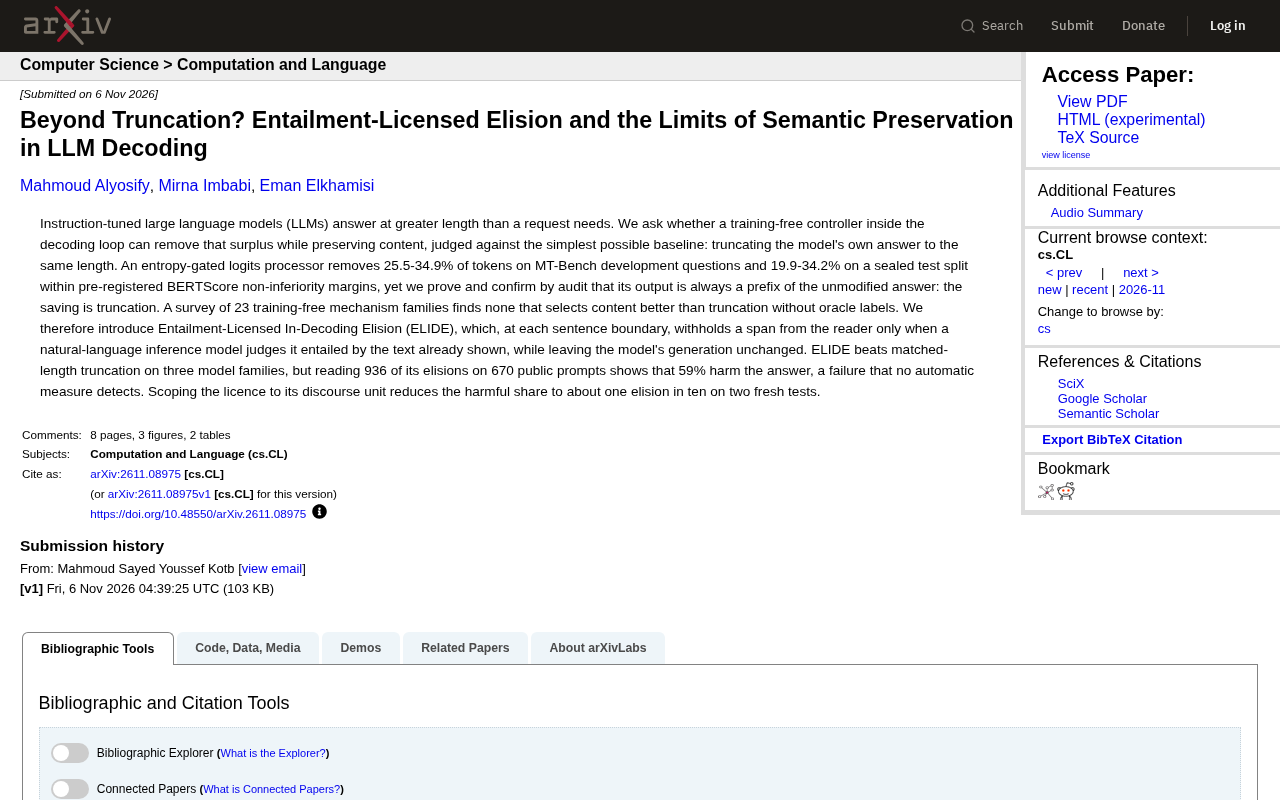
The LLM Verbosity Problem: Beyond Truncation, Where Are the Limits of Semantic Preservation?
How to solve LLM output verbosity? This article interprets new research: entropy-gating processors are actually truncation; ELIDE outperforms truncation but 59% of deletions are harmful, revealing the limits of semantic preservation and training-free methods.
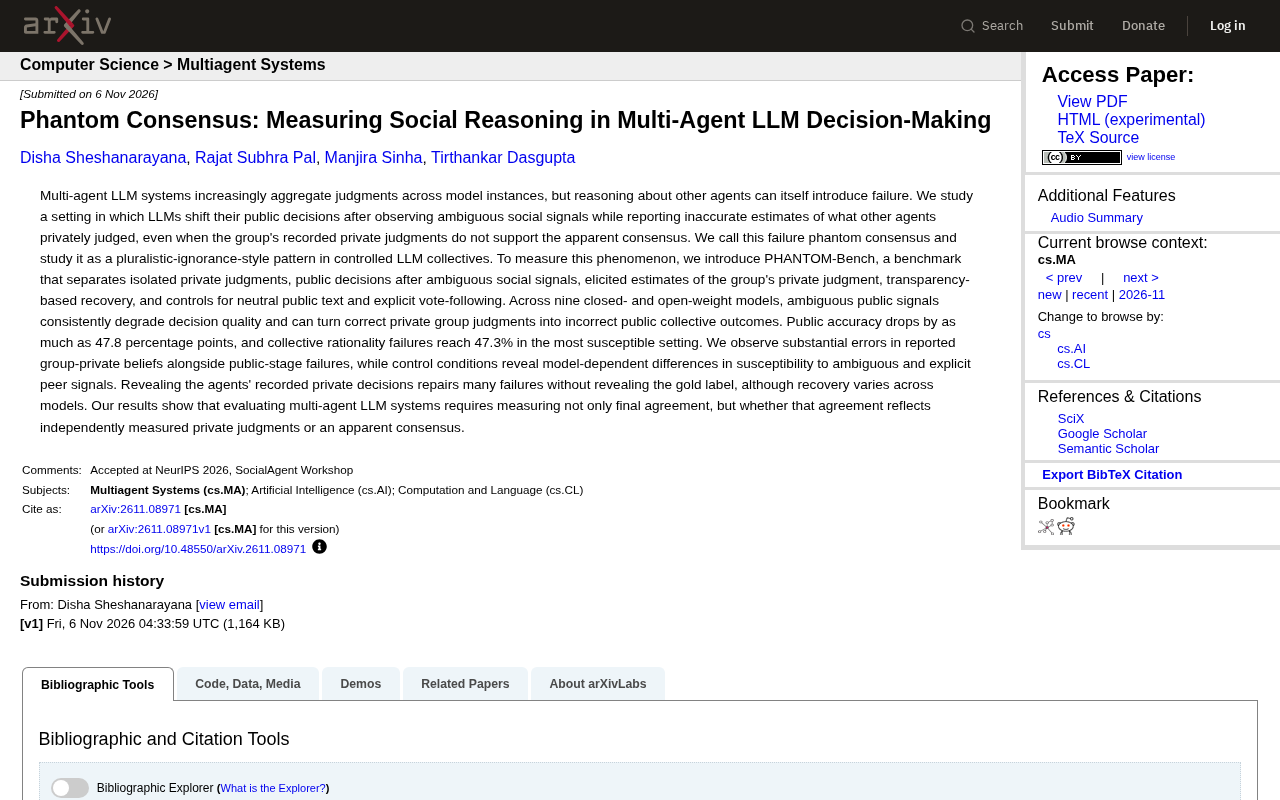
Phantom Consensus in Multi-Agent LLMs: How Social Reasoning Leads to Collective Decision Failures
Multi-agent LLM systems can exhibit "phantom consensus": models change public decisions under ambiguous social signals and misjudge others' private judgments. PHANTOM-Bench reveals public accuracy drops by up to 47.8 points, and transparency can repair most failures.
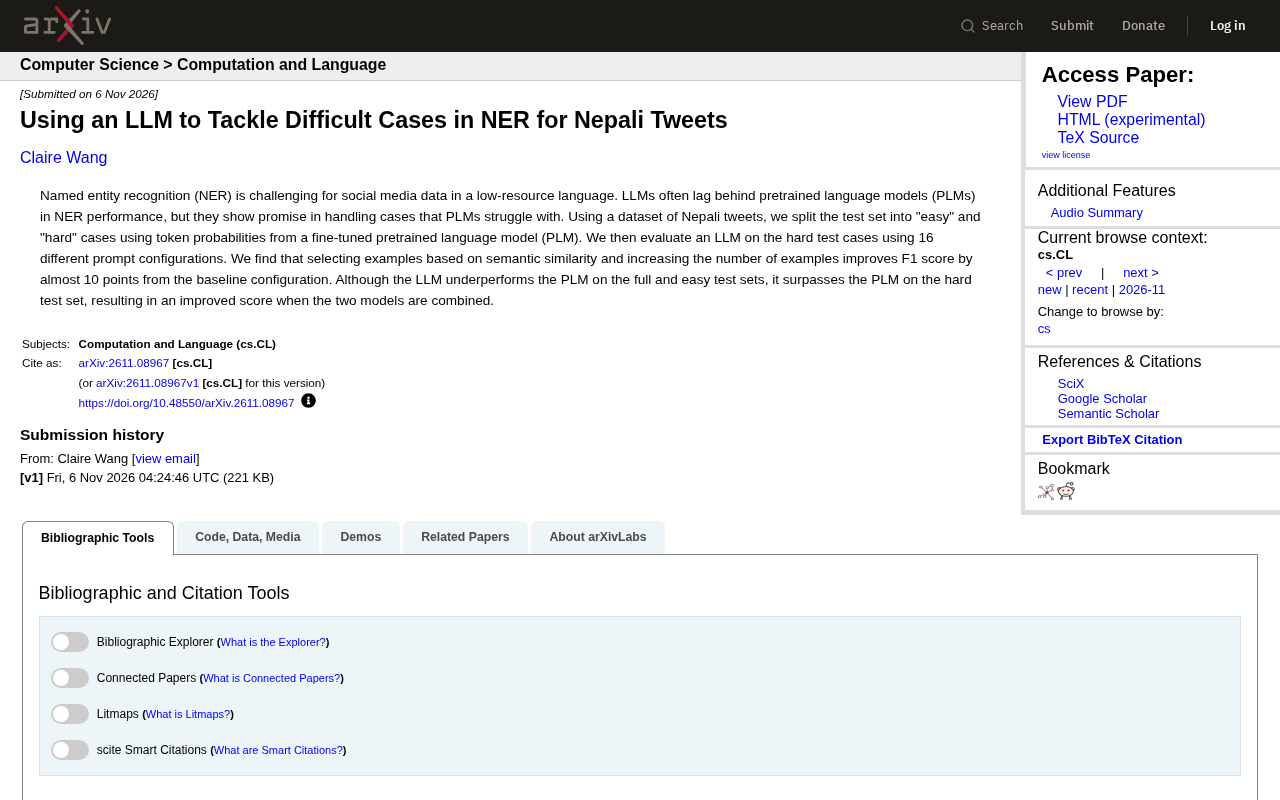
LLM Tackles Nepali Tweet NER Challenge: Surpasses PLM on Hard Cases
Low-resource Nepali tweet NER challenge: study finds using LLMs to target PLM low-confidence hard cases with semantic similarity example retrieval and more examples boosts F1 by nearly 10 points, surpassing PLM on hard cases and improving overall performance when combined.

KetchUp: An Open-Source SketchUp Alternative Built with Rust and WebGPU
KetchUp is an open-source SketchUp alternative built with Rust and WebGPU, delivering 3D modeling as a browser app. This article analyzes its tech stack advantages, impact on the SketchUp ecosystem, and realistic expectations for its current stage.
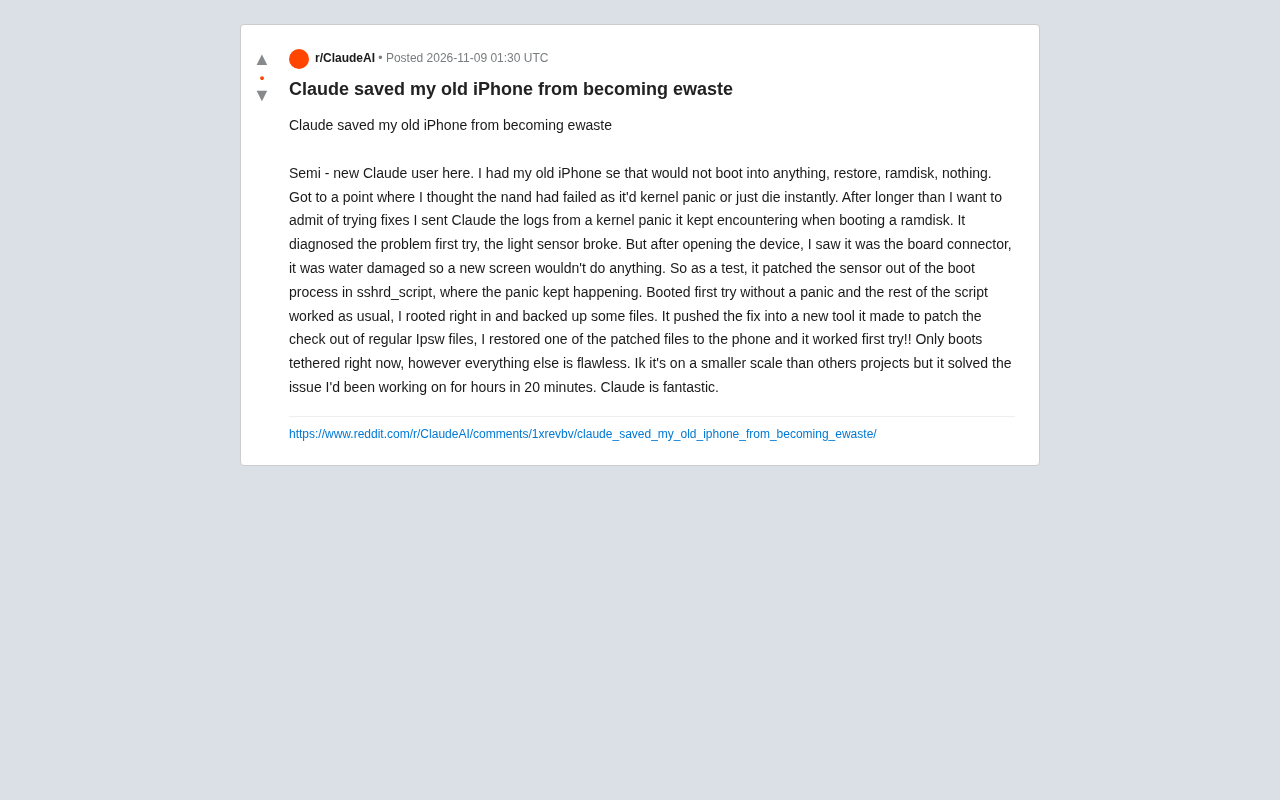
Claude Diagnoses Hardware Fault in Old iPhone, Solving Hours-Long Problem in 20 Minutes
A Reddit user shares how Claude diagnosed a hardware fault in an old iPhone SE from kernel panic logs on the first try, identifying the ambient light sensor and helping patch scripts and generate an IPSW patching tool to solve a hours-long problem in 20 minutes.
Piano Transcription Model Fine-Tuned for Guitar Suffers Catastrophic Forgetting—Where's the Problem?
Piano transcription model suffers catastrophic forgetting when fine-tuned for guitar? This article analyzes common pitfalls in cross-instrument transfer learning—full fine-tuning, learning rate settings, and data replay—and offers actionable mitigations such as freezing the backbone, layered learning rates, and adapters.

Teasing Before Launch: The Product Hype Logic Behind AI Dance Training
A pre-launch tweet teases an AI product by 'training everyone's muse to dance.' This article breaks down its character-based marketing, experiential narrative, and launch rhythm to show how AI product teasers use imagery instead of specs to anchor perception.

dots Product Strategy Meeting: The Future Direction of AI Collaboration Tools
Starting from a Twitter tweet, this article analyzes the signals behind the product strategy meeting of AI collaboration tool dots, exploring key choices for AI productivity tools in scenario focus, data loops, and team collaboration.
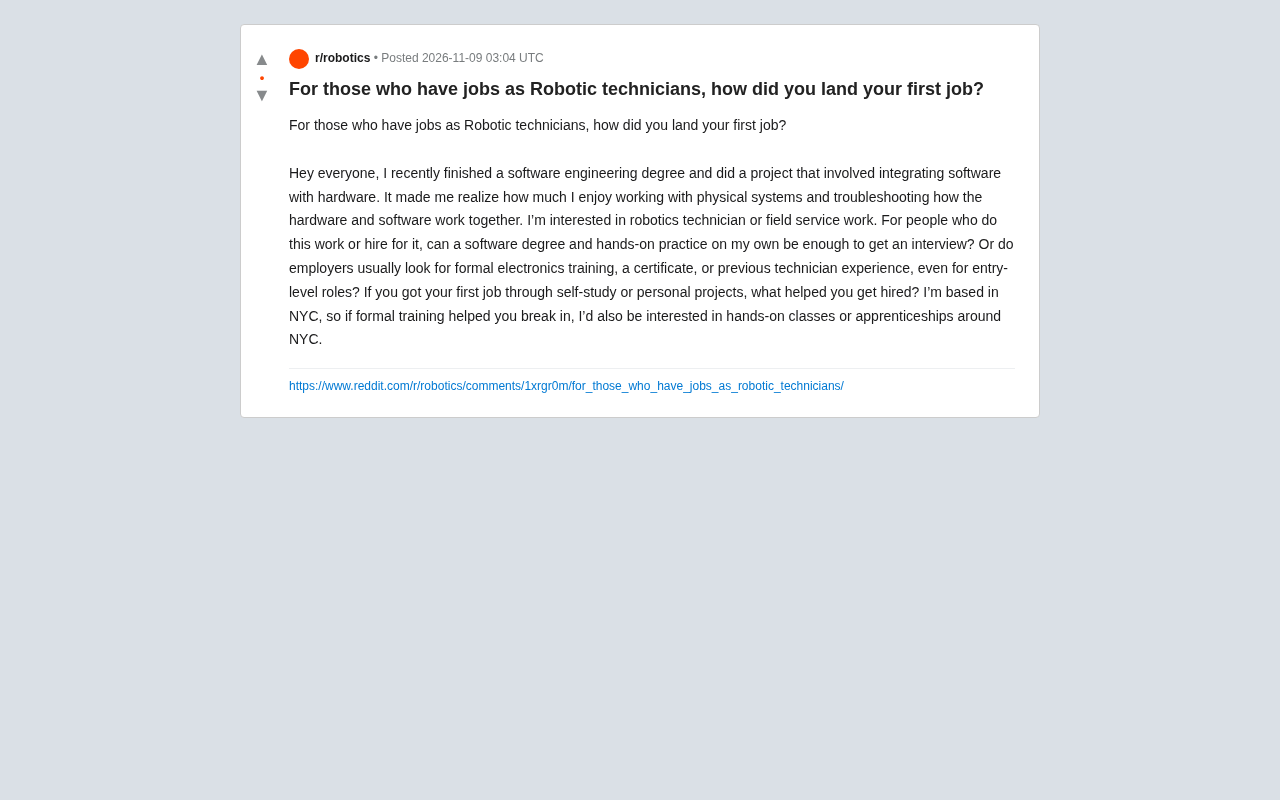
How Can Software Engineers Transition to Robotics Technician Roles? Reddit Users Share Their Experience
Reddit users discuss realistic paths for software engineers transitioning to robotics technicians: a software degree helps but isn't a ticket in; self-taught projects must show hardware debugging skills; certificates can fill gaps; adjacent roles like equipment maintenance are more realistic entry points.
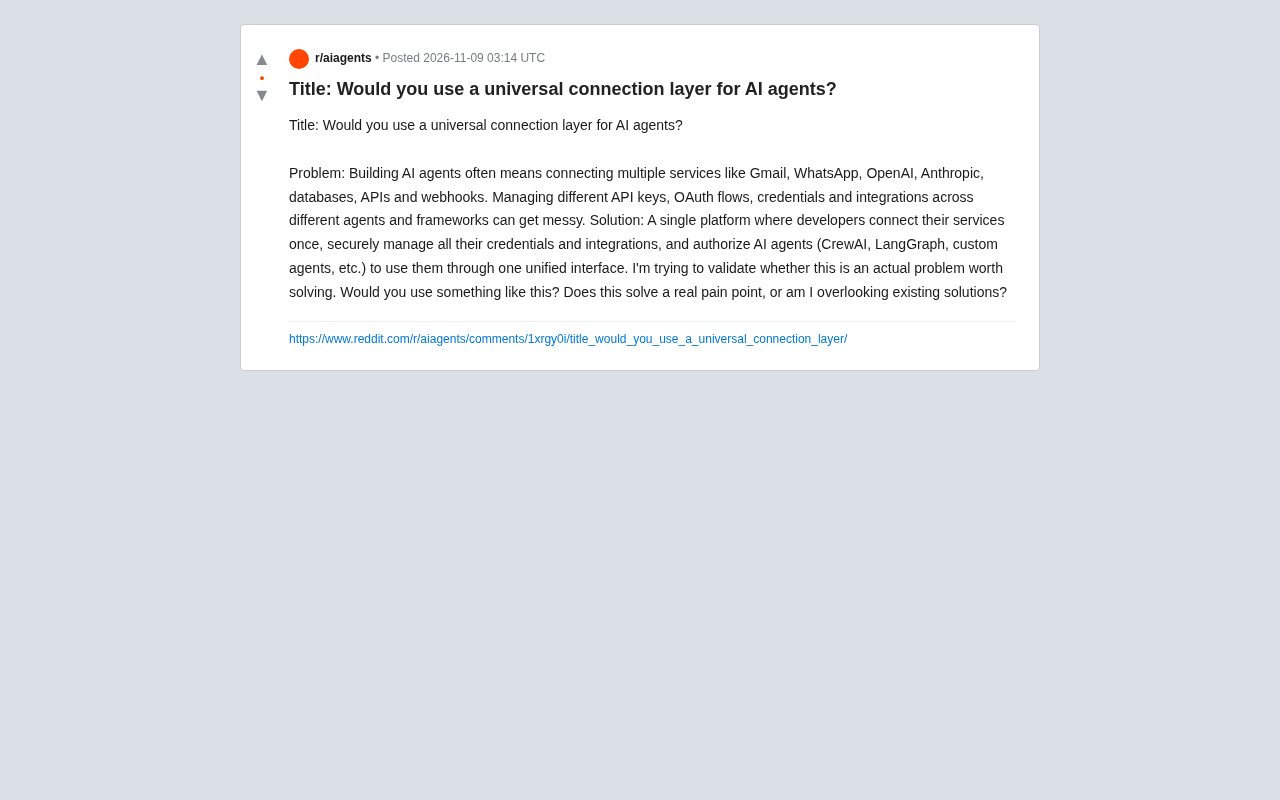
A Universal Connection Layer for AI Agents: Essential Need or False Premise?
A Reddit developer proposes a universal connection layer for AI agents to manage credentials and integrations for Gmail, OpenAI, and more. We analyze the real pain points, existing alternatives, and risks.
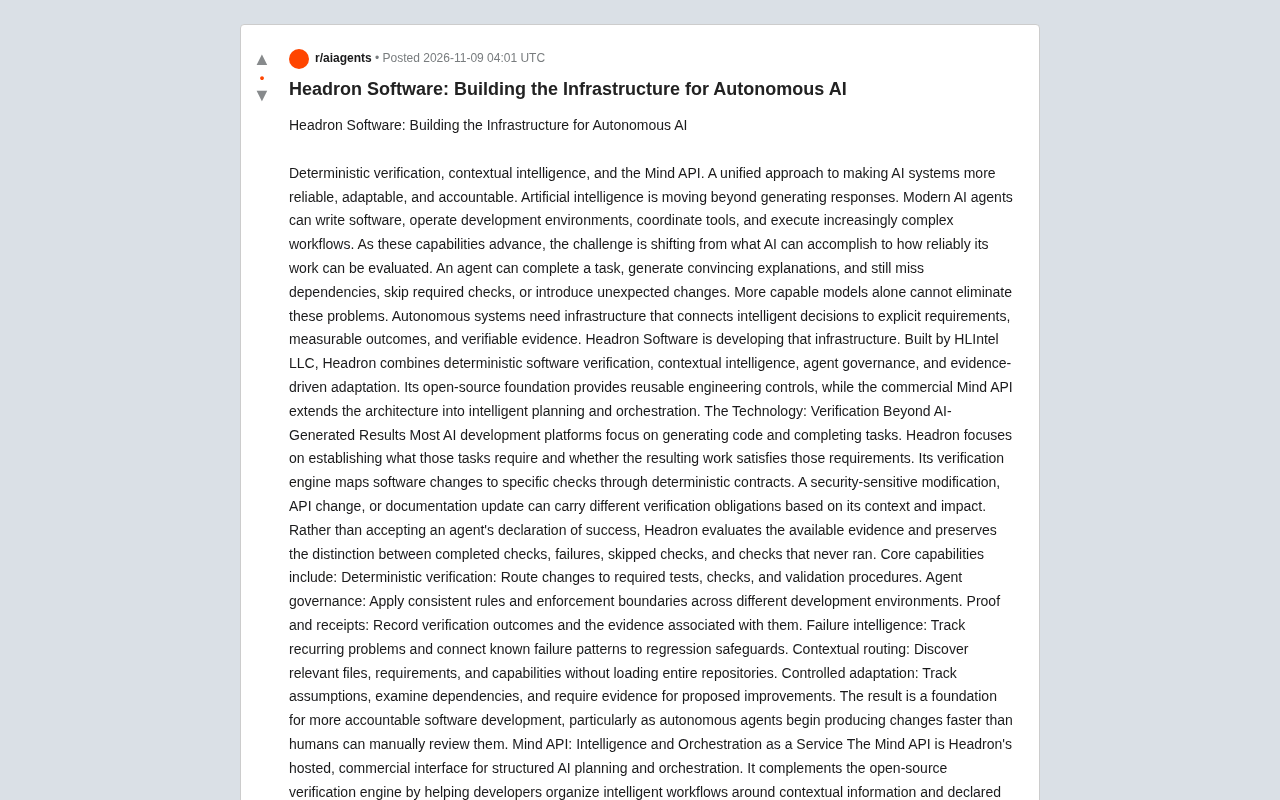
Headron: Building Verifiable Governance Infrastructure for Autonomous AI Agents
Headron Software by HLIntel LLC builds accountable infrastructure for autonomous AI agents with deterministic verification, agent governance, and Mind API orchestration—an open-source CLI plus commercial planning services supporting Claude Code, Cursor, and more.