#数据隐私
75 related articles

GM's $220 Million Settlement: A Wake-Up Call for Driving Data Privacy
GM reaches a $220 million settlement over selling driver data, requiring explicit consent before collecting or sharing driving and location data. We analyze the impact on automotive data privacy compliance and industry business models.

Two AI Bots: Blocking Spam Calls and Scrubbing Leaked Data
Two AI bots: Grokbot submits your number to Do Not Call registries in 5 seconds, while Privacy Scrubber scans the web daily and asks data brokers to delete leaked personal info. We analyze their effectiveness and limits.

GM's $220 Million Settlement: An Industry Warning from the Driving Data Sales Scandal
GM agrees to pay $220 million to settle complaints from a 36-state attorney general coalition over illegal sale of driver and location data. The agreement requires GM to limit data collection and obtain express user consent, setting a new benchmark for automotive data privacy.
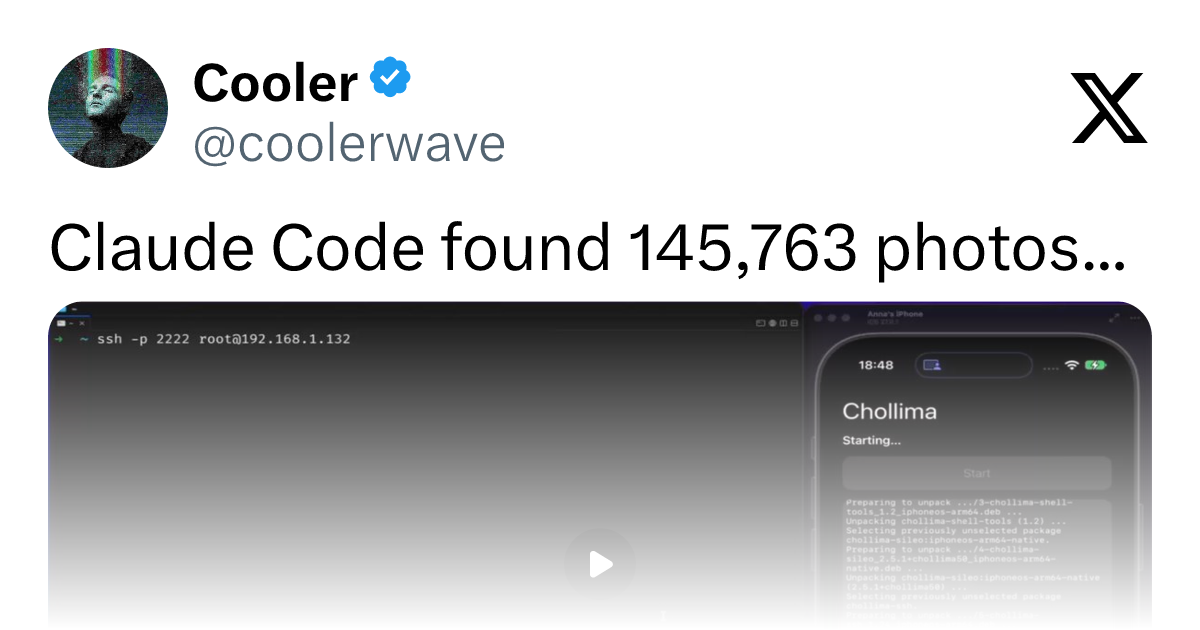
Claude Code Exposé: 145,000 Deleted iPhone Photos Found Lurking in Hidden Cache
A user scanned their device with Claude Code and found 145,000 deleted iPhone photos still hidden in cache. Learn why deleted data lingers, the privacy and storage risks, and practical audit and cleanup tips.

Giving Chat Feedback Sends Your Data to Anthropic?
A Hacker News discussion suggests that submitting feedback on Anthropic's chat products may send conversation data to the company. This article analyzes the data flow of the feedback mechanism, community disagreements, and practical usage advice to help you make informed decisions before sharing.

How Huntington Fought Flock: A Battle Over Urban Surveillance
Huntington, West Virginia's heated council debate over Flock license plate recognition reflects America's urban surveillance governance dilemma. This analysis examines data sharing, retention periods, and audit mechanisms, offering an actionable framework for other cities.

Meta vs. Publishers: The AI Data Battle Over Terms of Service Changes and the Future of the Internet
Meta changed its business account terms to allow AI training on linked website data, sparking backlash from publishers and creators. Industry groups demanded negotiations, forcing Meta to remove 'training' wording and delay the effective date. The dispute reveals the deeper battle over data authorization and the future of the internet in the AI era.

Meta Fined $25 Billion: New Mexico's Cambridge Analytica Case Sets Record
New Mexico issued a $25 billion penalty against Meta over the Cambridge Analytica data scandal, setting a record fine for a tech giant. This article covers the case background, fine calculation logic, and developer community divisions, analyzing the impact of state-level regulation on the tech industry.
Meta Ordered to Pay $25 Billion in Cambridge Analytica Scandal, Sounding Alarm for Data Privacy Regulation
Meta is ordered to pay $25 billion in damages in a case tied to the Cambridge Analytica scandal, one of the largest data privacy rulings. This article analyzes the impact on Meta's finances, strategy, and industry data regulation, and explores platform responsibility and rebuilding user trust.

Meta Fined $25 Billion Over Cambridge Analytica Scandal, Its Biggest Legal Blow of the Year
A New Mexico judge ruled Meta violated the Unfair Trade Practices Act over 43 million times in the Cambridge Analytica scandal, resulting in a $25 billion fine—Meta's biggest legal blow this year. We analyze the impact and industry implications.

Meta Muse's Conversation Sharing Leaks Private Data: The Trust Crisis in AI Social Products
Meta's AI product Muse was found to leak personal privacy and trade secrets when sharing conversations. This article analyzes the design flaws in the sharing feature and the special risks of AI conversation leaks, and offers protection advice for developers and users.

Cloud AI vs Local AI: Why I Switched to a Fully Private Model
The author switched from cloud AI to local AI due to data privacy and compliance risks, building Mentary AI—a fully offline, zero-network private AI model. Covers features, deployment options, and pricing.

Savannah Officer Fired for Sharing Flock Login Access with ICE Agent Husband
A former Savannah officer was fired for sharing Flock system login credentials with her ICE agent husband. The case highlights security boundaries for law enforcement data sharing and community trust issues.

Ollama Cloud Launches: Zero Data Retention and US/EU Hosting
Ollama Cloud officially launches with promises of zero data retention, US/EU hosting, and no model training. This article analyzes what these privacy commitments mean for developers and enterprises, plus compliance and feature details still to watch.
Meta Quietly Revises Terms: The Game Behind the AI Scraping Controversy
Meta removed terms language that sparked AI training data controversy, claiming crawler behavior is unchanged. This article analyzes the legal strategy behind the revision, the copyright debate over AI training data, and the transparency dilemma's impact on content creators.

Amazon Reportedly Uses AI to Monitor Union Risk at UK Warehouses
Amazon is accused of using AI monitoring in UK warehouses to assess employee union activity risk, raising debate on workplace behavior analytics, data compliance, and labor ethics. This article breaks down the technical logic and controversy of warehouse surveillance systems.
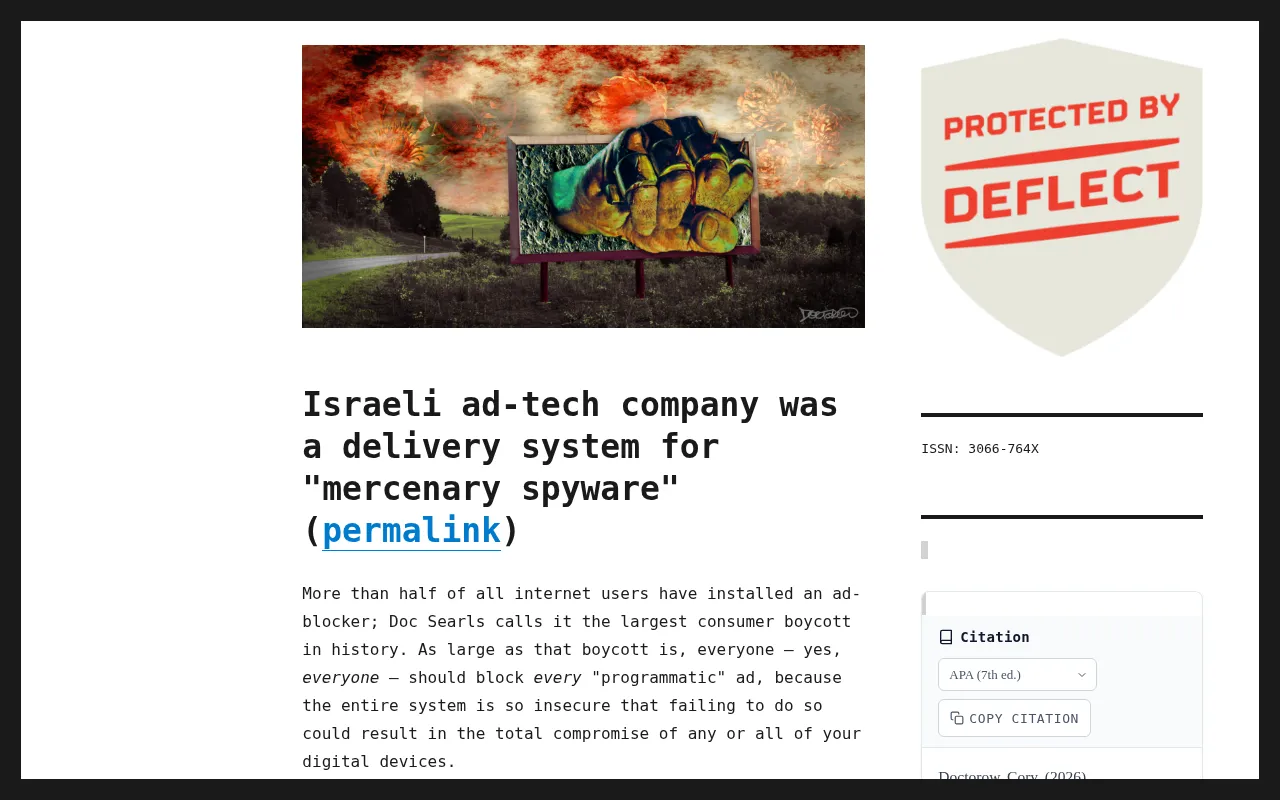
Ad-Tech Company Exposed as a Mercenary Spyware Delivery System
An ad-tech company is accused of serving as a mercenary spyware delivery system. This article analyzes the intersection of ad-tech infrastructure and surveillance tool delivery chains, explores risks of scale and stealth along with the regulatory vacuum, and offers mobile security and procurement insights.

Can Local LLMs Really Run Offline? A Deep Dive into Bees' Network Requests
What network requests does the Bees local LLM send by default? The author audited the source code and found four categories—config queries, update checks, FreeLLMAPI list sync, and memory initialization—one of which was unexpected.
Meta to Scrape Business Account Website Content Starting October 30
Meta announced that starting October 30, business accounts will be deemed by default to consent to Meta scraping their website content. This article analyzes the policy details, underlying motivations, impact on businesses, and response recommendations.

AI Vendor Privacy Policies Compared: Will Enterprise Data Be Used for Training?
A clause-by-clause comparison of OpenAI, Anthropic, Google, and Microsoft privacy policies: which plans train on data by default, retention periods, sub-processors, and five checks enterprises should run.