#AI编程
9352 related articles
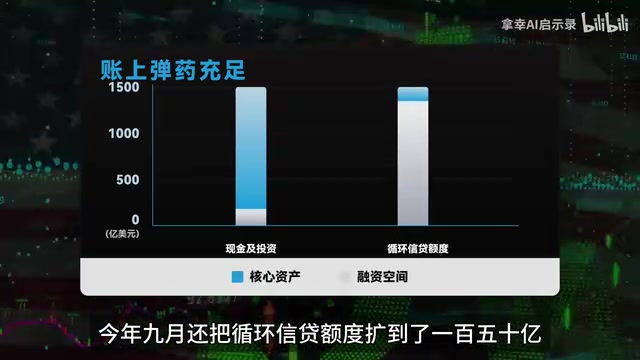
Anthropic Races Toward the Largest US IPO: A Sprint Between $16.3B Revenue and a $518B Bill
Anthropic files for the largest US IPO in history: $16.3B half-year revenue, $80.7B net loss, and at least $518B in minimum committed spending over the next decade. This article breaks down its revenue structure, the truth behind the book loss, compute bill risks, and super-voting arrangements, analyzing the pricing logic behind a $2 trillion valuation.
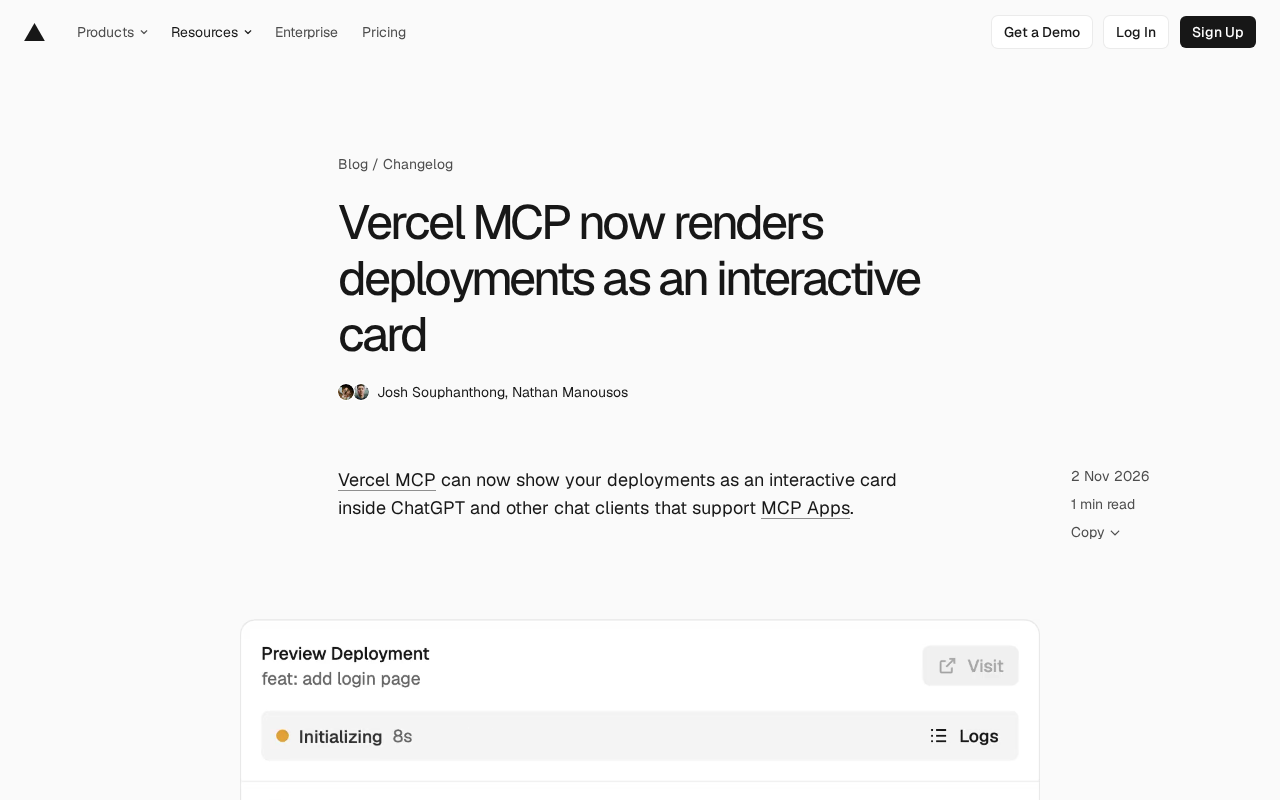
Vercel MCP Deployment Cards: Real-Time Deployment Debugging in ChatGPT
Vercel MCP now supports interactive cards in ChatGPT and other chat clients, showing deployment status, build logs, and commit details—with plain-text fallback.

Two MIT Professors Win Pritzker Award: A Milestone in AI-Discovered Antibiotics
MIT professors Regina Barzilay and Jim Collins win the Pritzker Award for co-discovering the first AI antibiotic, honoring their exceptional integration of AI and scientific research. This article explains the significance of the breakthrough and its implications for AI pharma.
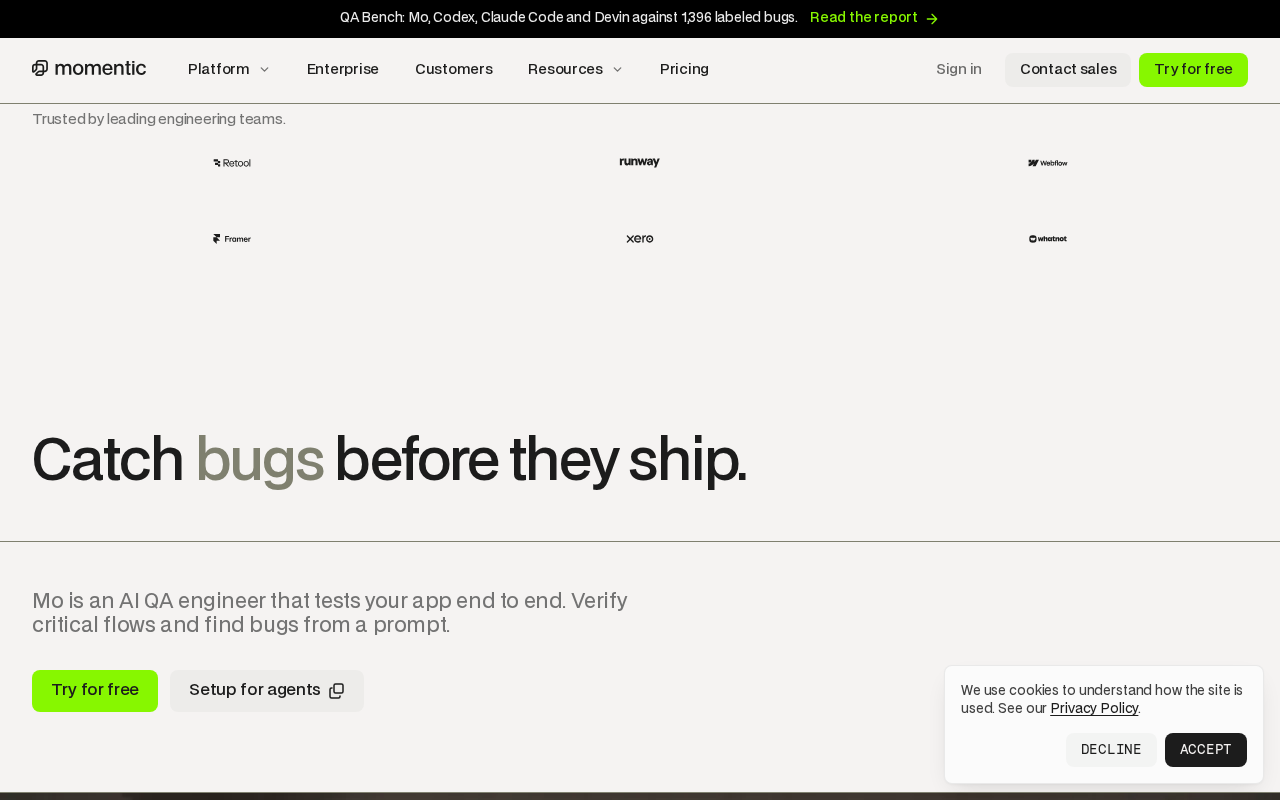
Momentic: Let AI Agents Use Your App to Catch Bugs
Momentic is a YC W24 AI testing tool that lets Agents use apps like real users to find bugs. We analyze how Agent-based testing differs from traditional automation.

Building AI Agents in VS Code: A Hands-On Guide to MCP Integration
A complete walkthrough for building an AI agent in VS Code: save the model to Foundry, add system instructions for a cupcake store role, create an MCP server connection, mount tools, and invoke external services in chat—all without leaving the editor.
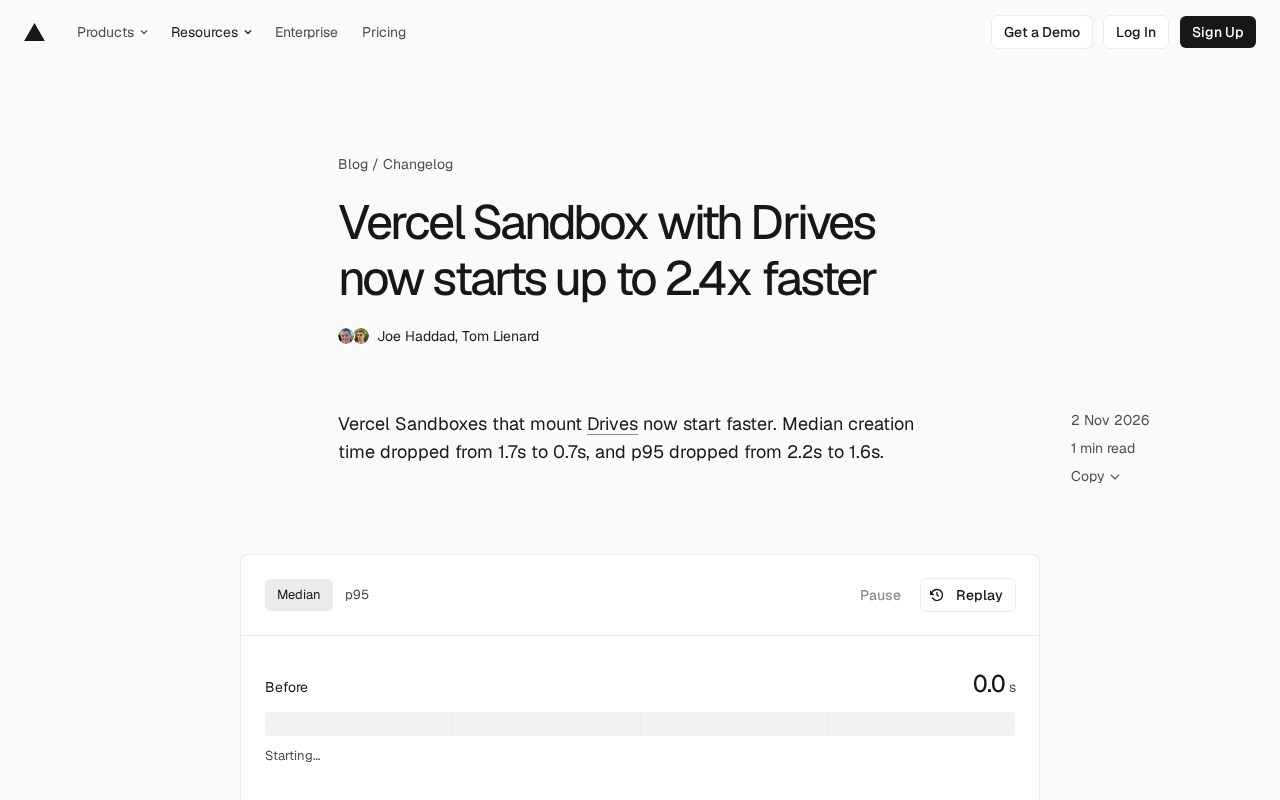
Vercel Sandbox with Drives Starts Up 2.4x Faster, Median Creation Time Drops to 0.7 Seconds
Vercel announces up to 2.4x faster startup for Sandbox with Drives mounted: median creation time drops from 1.7s to 0.7s, p95 from 2.2s to 1.6s, with no SDK upgrade or config changes and unchanged pricing.

C64 BASIC Dungeon Crawler Development: Stairs, Levels, and Progression Systems
A deep dive into Part 11 of C64 BASIC dungeon crawler development: implementing stairs connecting multiple dungeon levels, level generation and difficulty progression, and an experience-driven character leveling system. Covers BASIC programming techniques and performance optimization.

NVIDIA Workload Map: A Practical Guide to Accelerating Support for New AI Frameworks
Explains how NVIDIA Workload Map helps developers support new AI frameworks faster: workload classification, reusing the operator/compilation stack, and building performance baselines to turn framework adaptation from reactive to proactive.
Understanding LLM Transformers Easily with Numerical Examples and Diagrams
A Reddit guide on LLM Transformers that breaks down self-attention, multi-head attention, and the overall architecture with easy numerical examples and diagrams, lowering the barrier to understanding large models—ideal for beginners and engineers explaining architectures to teams.
The bf16 Precision Trap: Your Fine-Tuning May Only Be Training Some Weights
bf16 precision can cause only small weights to update during fine-tuning while large weights freeze. Several highly cited papers are affected; Quiet-STaR reproduction shows high-precision optimizers need smaller learning rates to match results.
Vercel Flags Cross-Project Sharing: No SDK Keys Required
Vercel Flags introduces Project Connections, enabling same-team projects to read feature flags directly without copying SDK keys—using deployment identity auth, manageable via console and CLI, on all plans.

From Completion to Agents: The 2026 AI Coding Tool Selection Matrix
Analyzing AI coding assistants' shift from code completion to autonomous agents, mapping the selection matrix for Cursor, Windsurf, Cloud Code, Copilot, OpenHands and more, covering autonomy, runtime, enterprise compliance, and open-source self-hosting.

Codex vs. Computer Use: How These Two AI Tools Divide the Work
Codex vs. AI computer use: this article explains the capability boundaries of both AI tools — Code Agents excel at writing code, fixing bugs, and refactoring source, while computer use excels at operating desktop software and systems without APIs, with practical guidance on combining them and deciding task allocation.
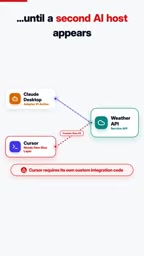
MCP vs Traditional APIs: Cutting Integration Cost from N² to N+1
Traditional API integration makes connections grow as N² with assistants and services, and every schema change breaks an assistant. MCP uses self-describing services and JSON-RPC discovery to cut connection cost to N+M—write once, connect to all AI models.

Superpowers: The AI Programming Methodology That Racked Up 310K Stars
Superpowers is an open-source AI programming methodology with 310K stars. Through four skills—brainstorming, writing plans, subagent-driven development, and code review—it aligns AI on requirements first, installable with one command.
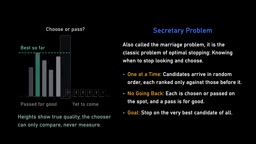
Can AI Crack the P vs NP Problem? A Complexity Theory Expert's In-Depth Analysis
Lex Fridman podcast explores whether AI can prove P vs NP. Guests analyze core complexity theory problems, limitations of worst-case analysis, online algorithms, and the secretary problem, arguing for going beyond worst-case analysis and the importance of modeling the world, suggesting AI may play a role in problem formulation.
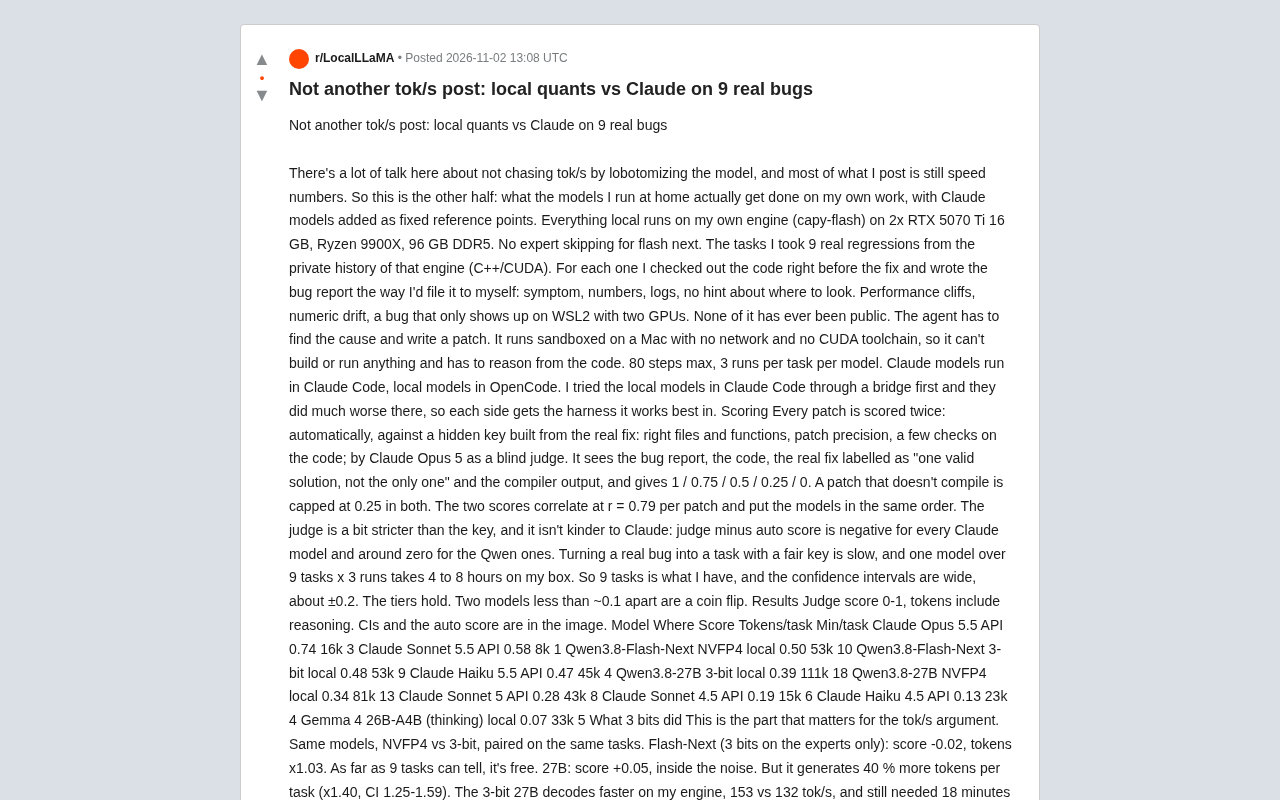
Local Quantized Models vs Claude: 9 Real Bugs Tested, Who Comes Out Ahead?
Reddit developer compares local quantized models with Claude on 9 real C++/CUDA bugs. Qwen3.8-Flash-Next beats Claude Haiku 5.5, while 3-bit 27B scores hold but tokens rise 40%—revealing quantization's real cost is longer thinking.
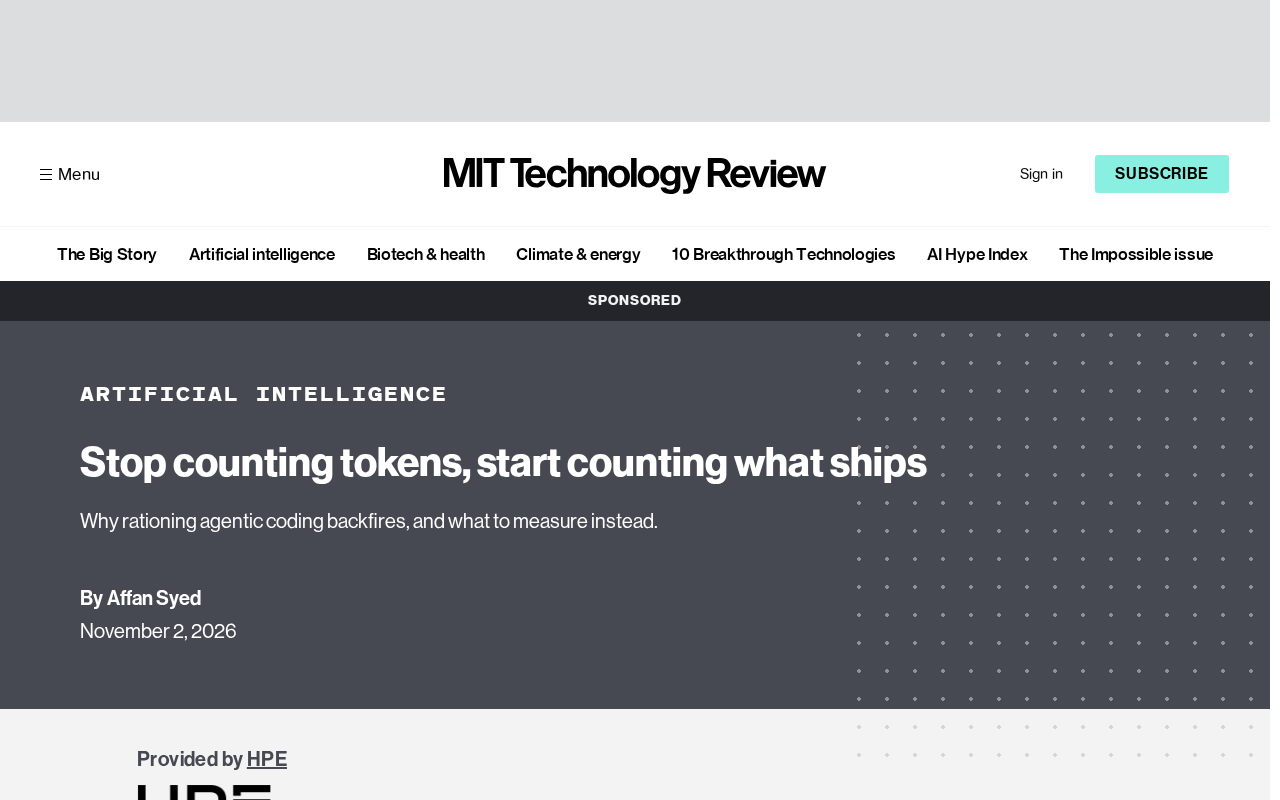
Stop Counting Tokens, Count Deliverables: A New Approach to Evaluating AI Coding Agents
AI coding agents can consume 10–50x the tokens of ordinary chat per task. This article analyzes why token counting is no longer an effective metric and proposes measuring agent value with delivery metrics such as task completion rate, revision rounds, and human intervention ratio.
OpenAI Merges ChatGPT Chat and Work Tabs, Codex Shares the Same Quota
OpenAI will merge ChatGPT's Chat and Work tabs and have Codex share the same usage pool. This article analyzes the impact on entry experience, quota management, and product boundaries.
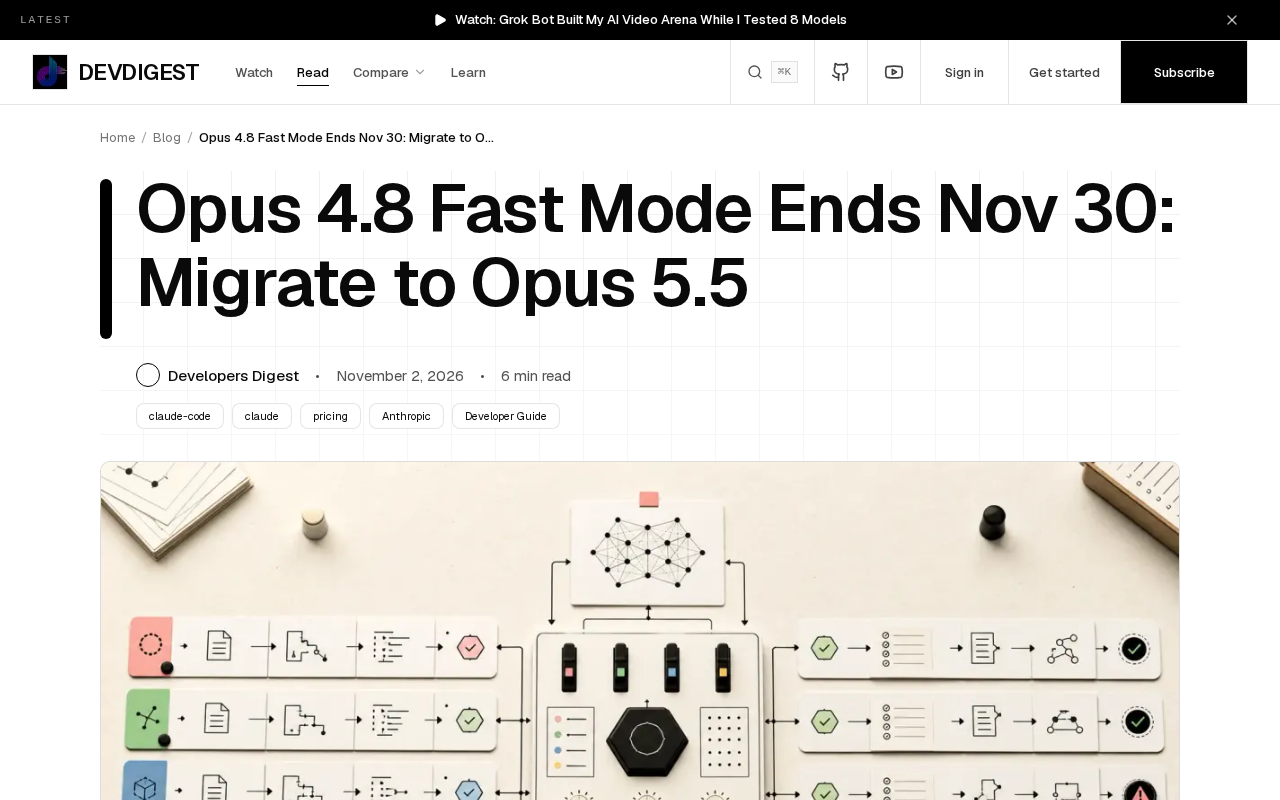
Opus 4.8 Fast Mode to Be Retired on November 30: A Migration Guide to Opus 5.5
Claude Code's Opus 4.8 fast mode will be removed on November 30, and requests will return errors. This article covers how to migrate to Opus 5.5 fast, pricing ($8/$40 per MTok), and key considerations.