#SWE-Bench
57 related articles
·2 min
AI Coding Dependency: As Tools Get Stronger, Are Developers Getting Weaker?
Exploring the capability anxiety behind AI coding tool dependency. Analyzing the paradox of short-term efficiency vs. long-term skills, with strategies for developers to stay competitive in the AI era.
Read more →
Connect Claude Code to DeepSeek V4: 3-…
·2 min
Connect Claude Code to DeepSeek V4: 3-Step Setup in 60 Seconds
Learn how to connect Claude Code to DeepSeek V4 using CC Switch in 60 seconds. Complete guide covering installation, API Key setup, and model switching for lower-cost AI coding.
Read more →
Complete Beginner's Guide to Cursor AI…
·4 min
Complete Beginner's Guide to Cursor AI: Three Modes Explained with Hands-On Demo
Learn Cursor AI editor setup, Agent/Ask/Manual modes, model selection tips, and build a full student management system from scratch in this step-by-step guide.
Read more →
Connecting Claude Code to DeepSeek: A …
·2 min
Connecting Claude Code to DeepSeek: A Guide to Setting Up an AI-Driven Testing Environment
Learn how to connect Claude Code to DeepSeek LLM for AI-driven testing. Covers Terminal vs Device Agents, Node.js setup, Claude Code installation, and DeepSeek integration.
Read more →
Getting Started with Claude Code: Inst…
·2 min
Getting Started with Claude Code: Installation, Setup, and Hands-On AI Programming
A complete guide to Claude Code: installation, setup, and comparison with Cursor, Copilot, and Trae. Learn how its full-project context understanding and auto-debugging make it a top AI coding tool.
Read more →
Getting Started with Claude Code: Setu…
·3 min
Getting Started with Claude Code: Setup, Configuration & AI-Driven Testing in Practice
A practical guide to Claude Code: core concepts, setup tips, and how to pair it with DeepSeek for AI-driven software testing workflows.
Read more →
Why Is AI Progressing Fastest in Codin…
·2 min
Why Is AI Progressing Fastest in Coding? A Deep Dive into Four Structural Advantages
AI coding advances faster than writing or image generation due to four structural advantages: instant feedback, GitHub's natural high-quality data, unified quantifiable standards, and perfect fit for reinforcement learning.
Read more →

·3 min
AI Benchmarks: The Most Underrated Technical Startup Opportunity Right Now
AI benchmarks are emerging as a massive startup opportunity. With traditional evaluations maxed out and severe supply-demand imbalance, building quality public AI benchmarks means controlling industry narratives.
Read more →

·2 min
Anthropic's Internal Data Reveals: Claude Is Accelerating AI Self-Iteration
Anthropic reveals Claude is accelerating AI development, potentially enabling recursive self-improvement. A deep dive into its implications for safety, competition, and humanity's future.
Read more →
·2 min
ViBench: A Benchmark Designed Specifically for Evaluating AI Application Building Capabilities
Deep dive into ViBench, a benchmark addressing SWE-bench's gaps in evaluating AI application building through end-to-end generation, visual quality, and functional completeness.
Read more →
·2 min
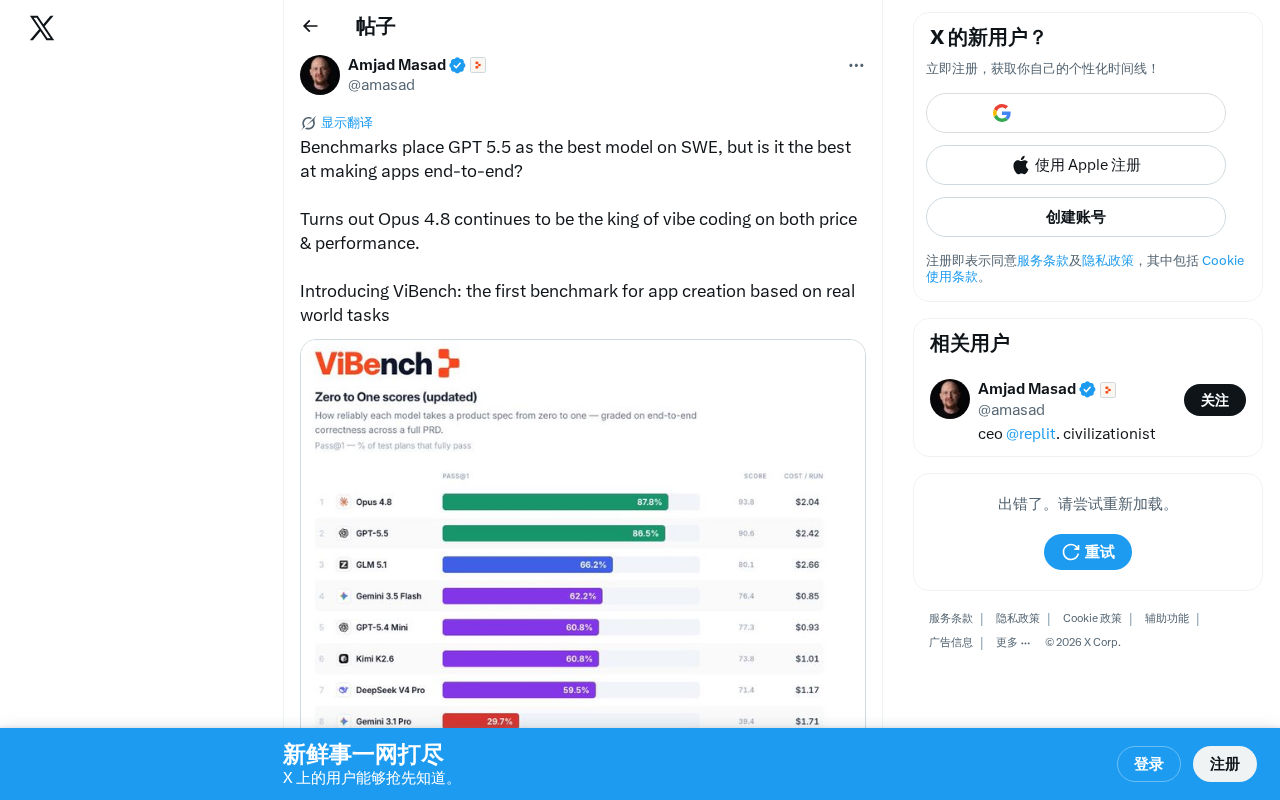
ViBench Benchmark: End-to-End App Creation Evaluation Reveals the True Level of AI Programming
ViBench is the first end-to-end app creation benchmark based on real-world tasks. Results show Claude Opus 4.8 leads in performance and cost-effectiveness, revealing gaps between SWE-bench scores and actual development capability.
Read more →
·2 min
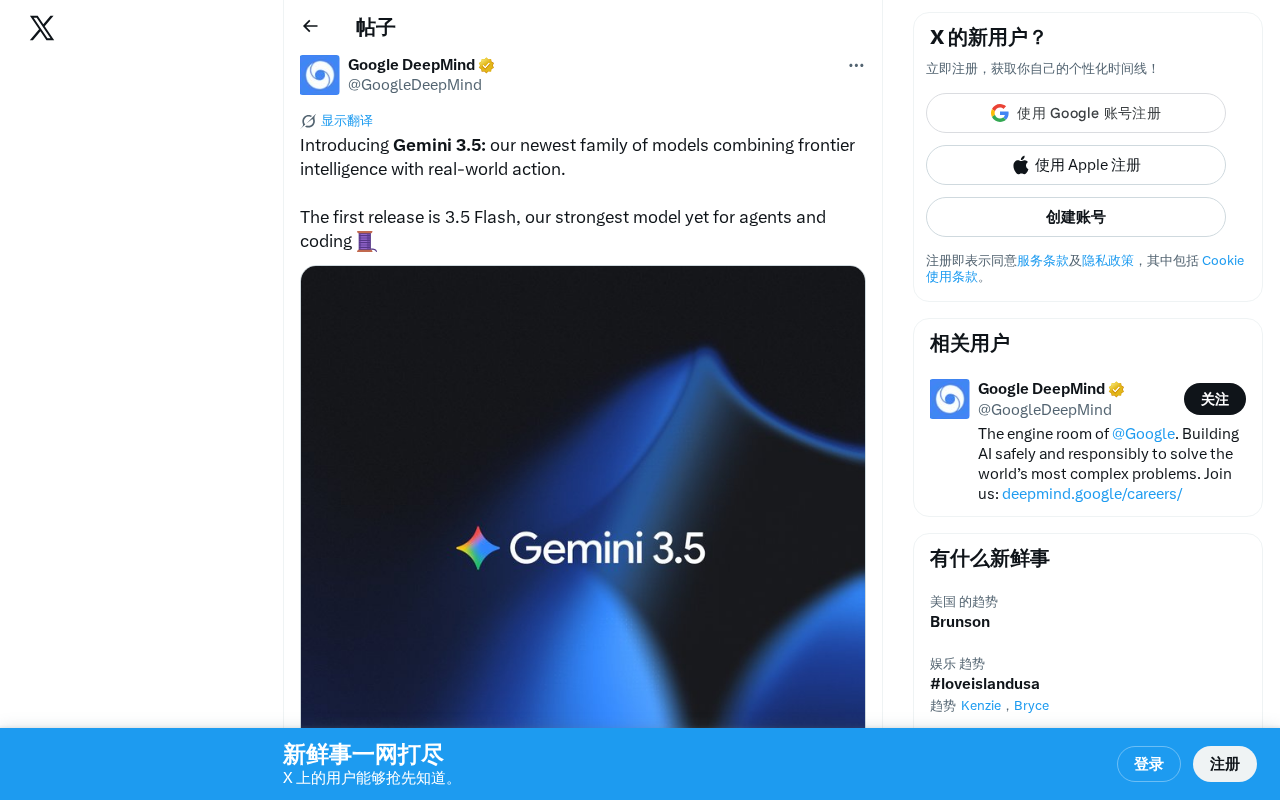
Google Gemini 3.5 Flash Released: A Generational Leap Focused on Agentic and Coding Capabilities
Google releases Gemini 3.5 Flash, skipping version 3.0 in a generational leap focused on agentic capabilities and coding performance, positioning it as a new AI model family bridging frontier intelligence with real-world action.
Read more →
·2 min
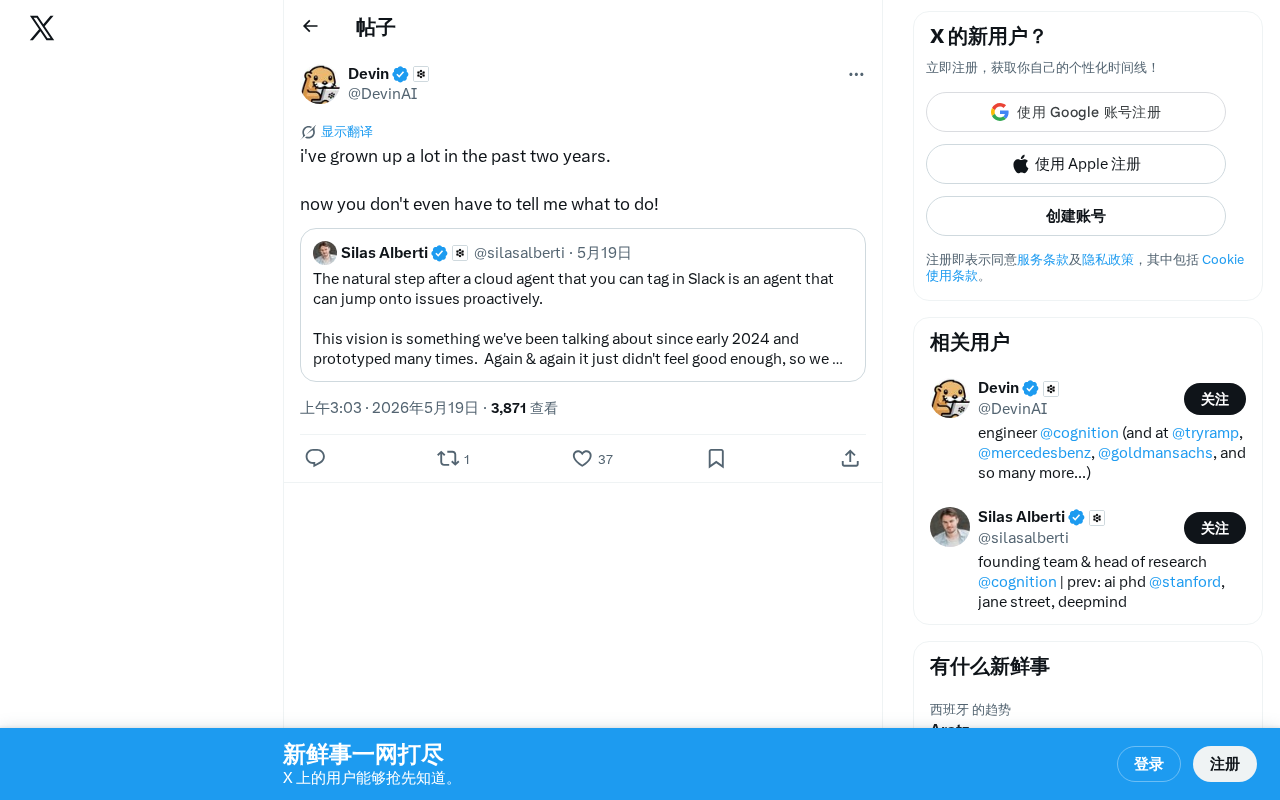
Two Years of AI Growth: From Passively Following Instructions to Proactively Understanding Intent
A look at AI's core evolution over two years: from a prompt-dependent instruction follower to an autonomous collaborator that understands intent, plans tasks, and self-corrects.
Read more →

·4 min
Five Common Misconceptions in AI Agent Development: An Essential Guide Before You Start
Debunking 5 common AI Agent development misconceptions: Agents aren't smarter ChatGPTs, complexity doesn't equal power, and RAG can't cure hallucinations. Learn the right approach to building Agents.
Read more →
 Tech Frontiers
·3 min
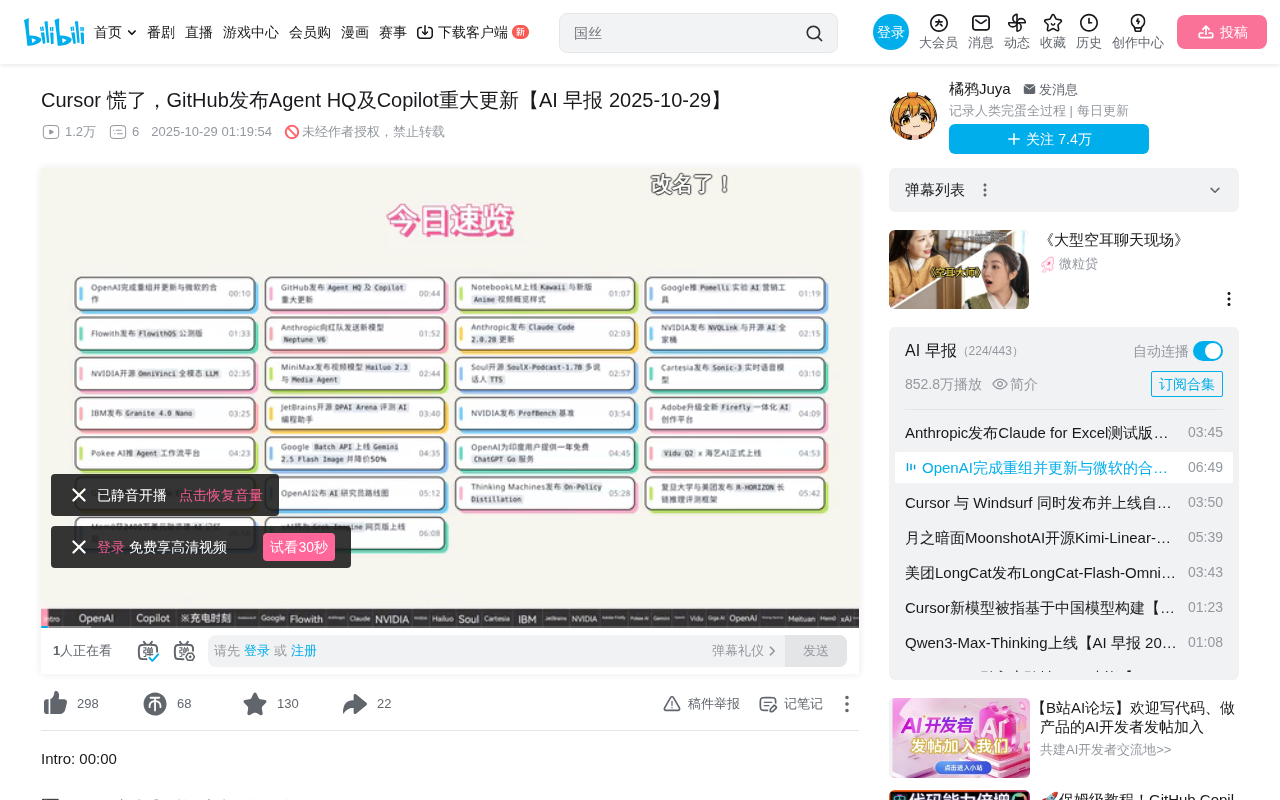
GitHub Agent HQ Launch: AI Coding Tools Enter the Era of Platform Competition
GitHub Universe unveils Agent HQ platform for unified coding agent management, Copilot upgrades with multi-model support. OpenAI completes restructuring, Anthropic tests new model, NVIDIA open-sources AI models.
Read more →
 Product Reviews
·3 min
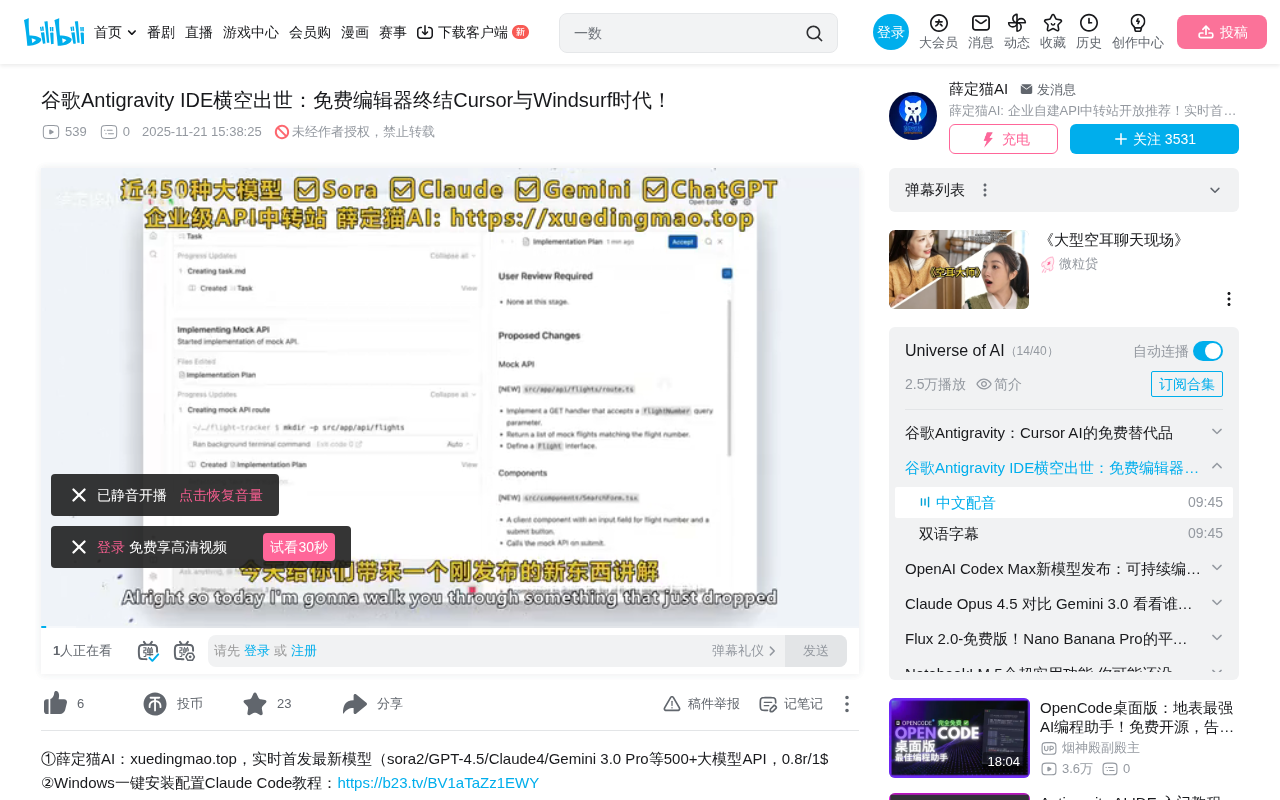
Google Antigravity IDE Deep Dive: Can This Free AI Coding Tool Replace Cursor?
Deep dive into Google's Antigravity IDE: analyzing this free AI coding tool built by the Windsurf team, its agent-first development mode, real-world performance, and full comparison with Cursor.
Read more →
 Tutorials
·4 min
Zero-Code Project: Building a Tetris Game on a Microcontroller with Cursor + Claude
Detailed breakdown of using Cursor editor and Claude to implement a complete Tetris game on an STC8H microcontroller with OLED display — zero code written, from hardware setup to iterative optimization.
Read more →
 Tutorials
·3 min
3-in-1 Refill Tool: Unlimited Usage Solution for Kiro/Cursor/Windsurf
A refill tool integrating Kiro, Cursor, and Windsurf for unlimited AI coding assistant usage including Claude 4.5. Analysis of technical principles, methods, and potential risks.
Read more →
 Tech Frontiers
·2 min
DeepSeek-V3.2 Released: Coding and Math Capabilities Join the Global Top Tier
DeepSeek-V3.2 released with coding, math, and Agent capabilities matching Gemini 3.0 Pro, setting new open-source SOTA. Detailed analysis of performance gains, use cases, and deployment tips.
Read more →
 Expert Opinions
·3 min
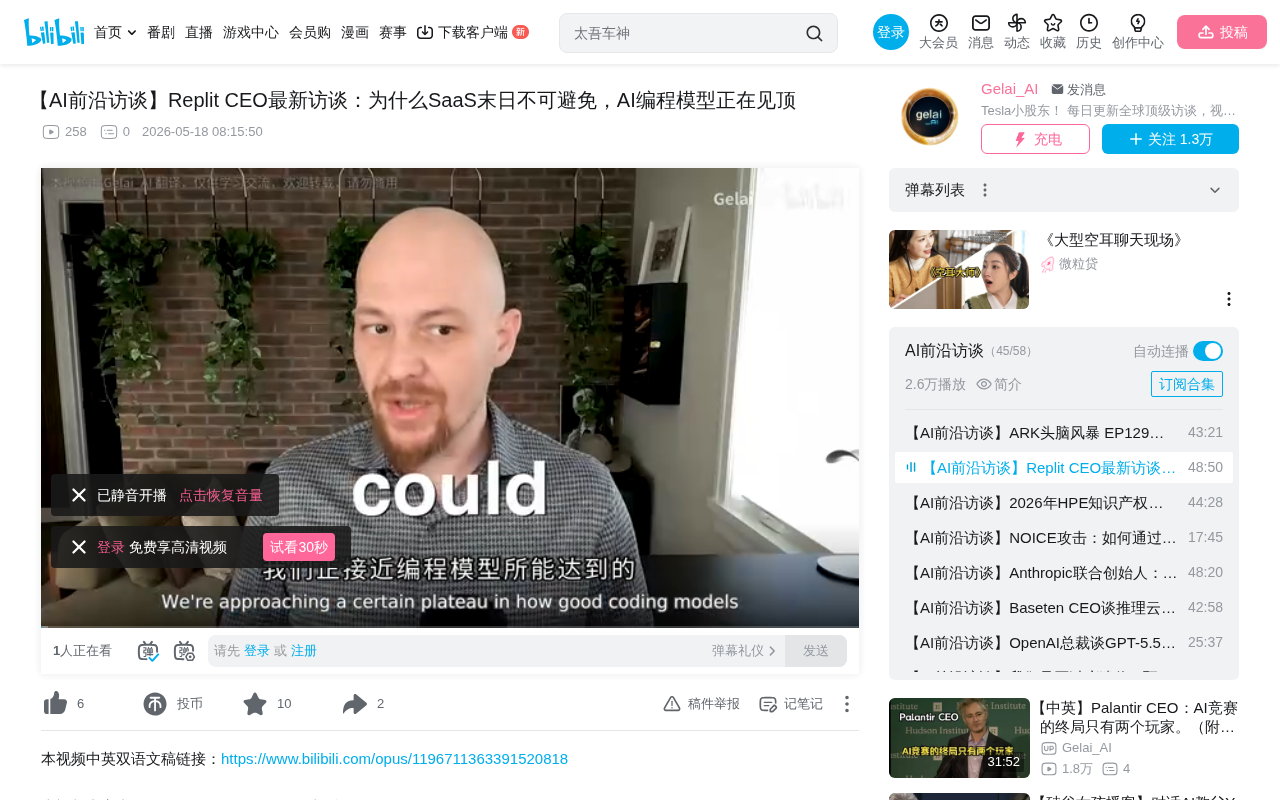
Replit CEO Interview: AI Coding Models Are Plateauing, the SaaS Apocalypse Is Happening Now
Replit CEO Amjad Massad on AI coding models hitting a ceiling, competition shifting to product engineering, SaaS being replaced by AI Agents, the death of the IDE, and multi-model orchestration.
Read more →