#AI编程
9360 related articles

Vercel Daemons Adds Service Bindings: Direct Access to Private Services
Vercel Daemons now supports service bindings: declare private service bindings in vercel.toml and call internal APIs with standard fetch. Vercel handles routing, auth, and TLS.

@ai-sdk/xai 2.0.101 Patch Release: The Maintenance Signal Behind a Dependency Chain Update
Analysis of @ai-sdk/xai 2.0.101 patch: only updates provider-utils and openai-compatible dependencies, no API changes. Examining Vercel AI SDK's provider abstraction maintenance logic, the dependency chain impact on the xai provider, and upgrade advice for developers.

AI SDK Vue 2.0.283 Patch Release: Dependency Chain Update Analysis
Analysis of the @ai-sdk/vue@2.0.283 patch release: updates to provider-utils and ai core dependencies, no new APIs. Monorepo release strategy and version alignment tips for Vue developers.

AI SDK Releases @ai-sdk/zai 1.0.9 Patch Update
AI SDK ecosystem package @ai-sdk/zai releases patch version 1.0.9, primarily a dependency sync involving provider-utils and openai-compatible, a maintenance release.

AI SDK Vue 3.0.320 Patch Released, ai 6.0.320 Updated in Sync
The AI SDK Vue adapter package @ai-sdk/vue@3.0.320 patch is released, with core package ai@6.0.320 updated in sync. This article explains the GitHub auto-release version info, multi-package version linkage strategy, and the significance of supply chain signature verification, along with upgrade recommendations for developers.

Type-Safe Keep Rules in R8 and DEX Optimization in Practice
Google Play requires over 25% DEX optimization. This article explains the R8 configuration analyzer, Jetpack Keep type-safe annotations, and the Android CLI validation tool to help Android developers narrow keep rules, improve shrinking/optimization/obfuscation, and reduce ANRs.

The Truth About AI Coding: Code Output Soars, So Why Is Delivery Still Hard to Speed Up?
Engineering leaders from Databricks, Uber, and Google Maps discuss AI coding's real impact: code output soars but delivery bottlenecks shift, code review faces rethinking, and enterprises begin fine-grained token governance.

A New Paradigm for Text Editing in Compose: TextFieldState Replaces the Old API
Jetpack Compose introduces the TextFieldState API to fix dropped characters and cursor jumps from async input. The old value/onValueChange callbacks will be deprecated in 1.13. This article covers InputTransformation, OutputTransformation, four state hoisting patterns, and new formatted text editing capabilities.

Googlebook's First Developer Case Studies: How Notability and Logitech Built Desktop-Class Android Experiences
Notability and Logitech share first-hand experience building for Googlebook: using Jetpack Compose, Navigation 3, and Jetpack Ink for desktop-class Android, plus how the peripheral customization API bridges hardware and OS.

Anthropic's Junior Tech Roles Plummet: Are AI Coding Tools Backfiring on Newcomers?
Anthropic report shows junior employees' share of technical hiring fell from 27% to 9%, while AI handles more coding and bug-finding. Analyzing how AI coding tools raise barriers for junior tech roles and narrow newcomers' channels for gaining experience.
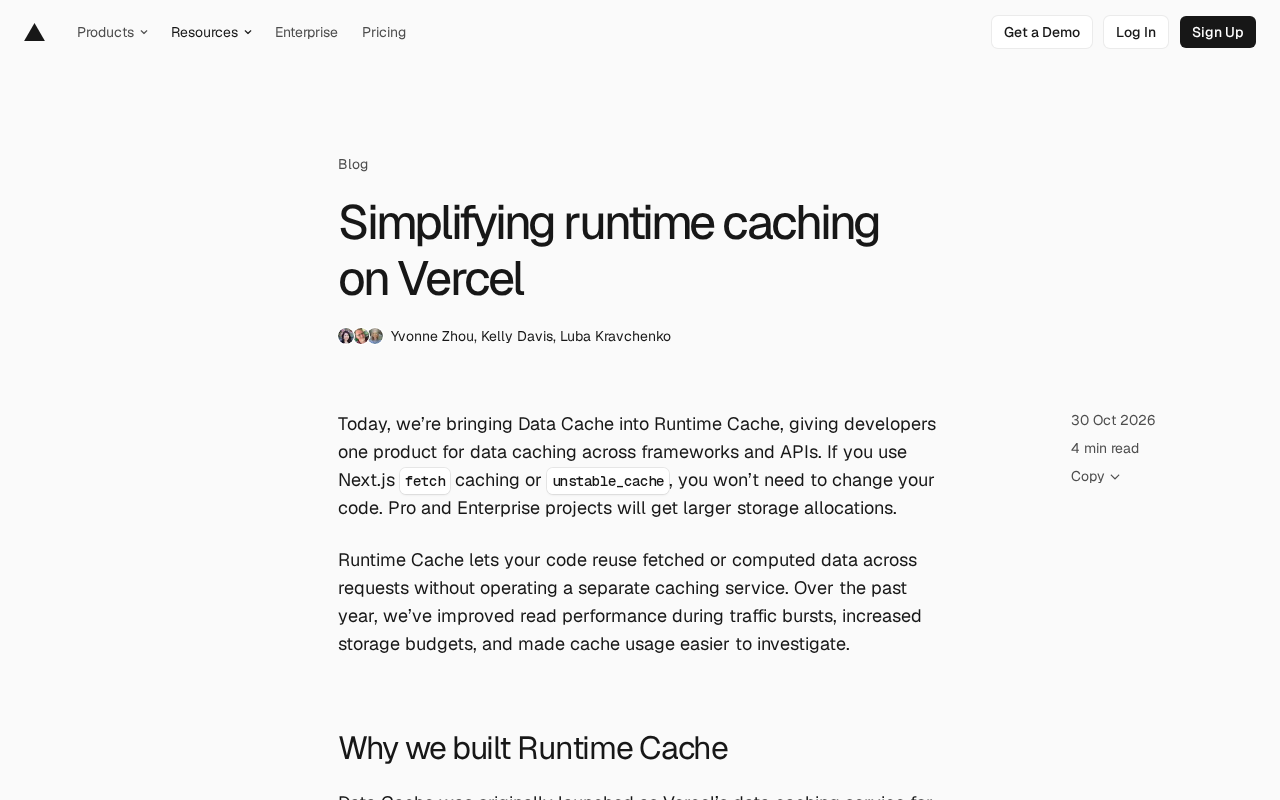
Vercel Unifies Runtime Cache: Data Cache Merges into Runtime Cache
Vercel merges Data Cache into Runtime Cache, unifying storage quotas and billing for Next.js fetch cache, unstable_cache, getCache, and use cache: remote. Pro and Enterprise projects get more storage, and cache reads/writes are now billed at Runtime Cache pricing.

Next.js Cache Upgrade: Data Cache Migrates to Runtime Cache
Vercel announces Data Cache migration to Runtime Cache: Next.js fetch and unstable_cache switch automatically with no code changes. Pro and Enterprise storage quotas increase, but reads and writes become usage-based. This article details the migration timeline, billing rules, and developer strategies.
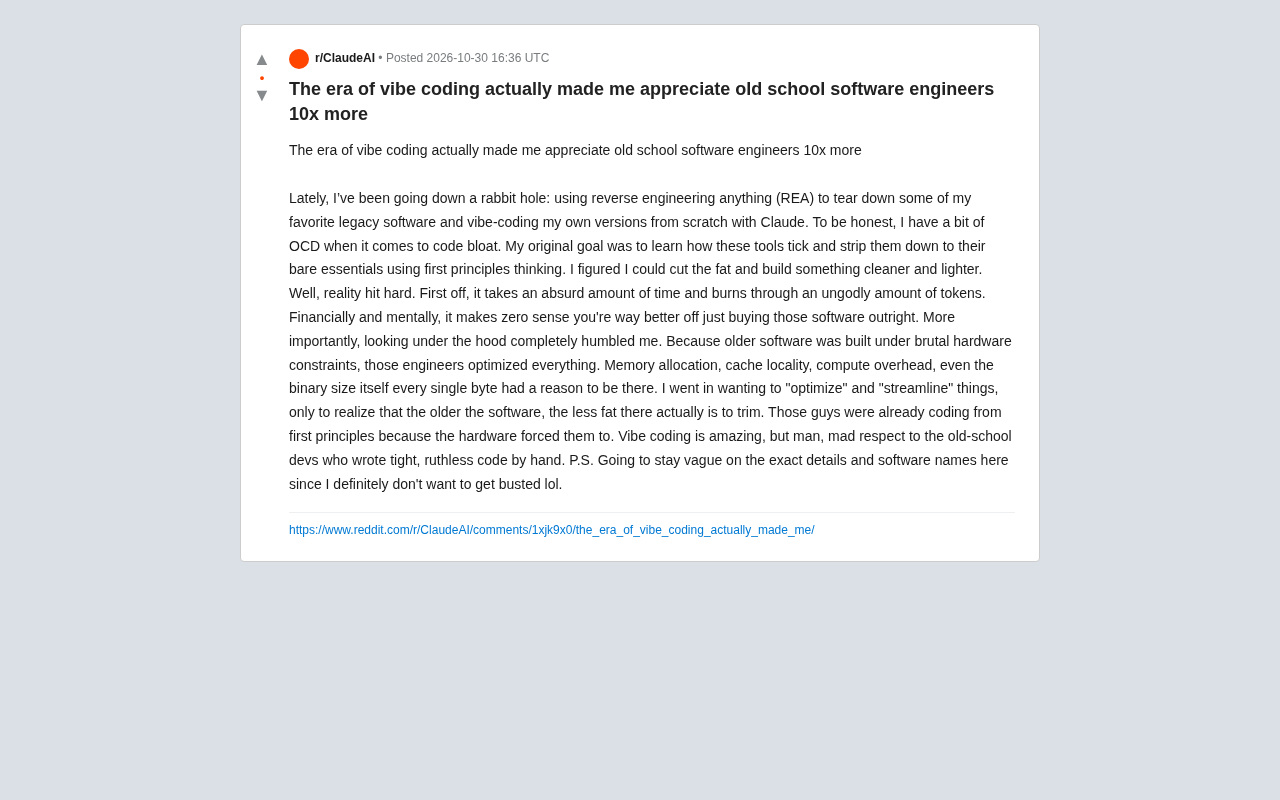
The More Vibe Coding Takes Off, the More I Respect Old-School Software Engineers
A developer's failed attempt to reverse-reimplement classic software with Claude: vibe coding burned tokens for little gain, while old-school engineers' tightly constrained code earns respect. Exploring AI coding's limits.
How to Build an AI-Native Engineering …
How to Build an AI-Native Engineering Organization: From Tools to Culture
Explore how to build an AI-native engineering org—from workflow restructuring and redefining engineer skills to trust mechanisms and cultural challenges—and the essential difference between AI-native and AI-assisted.

WebMCP Security Guide: Three Hints That Make AI Agents Safer
The Chrome team demonstrates three security hints for WebMCP tools: readOnlyHint eliminates invalid confirmation dialogs, consequentialHint forces human confirmation for high-risk operations, and untrustedContentHint defends against indirect prompt injection—improving AI agent security with one or two lines of code.
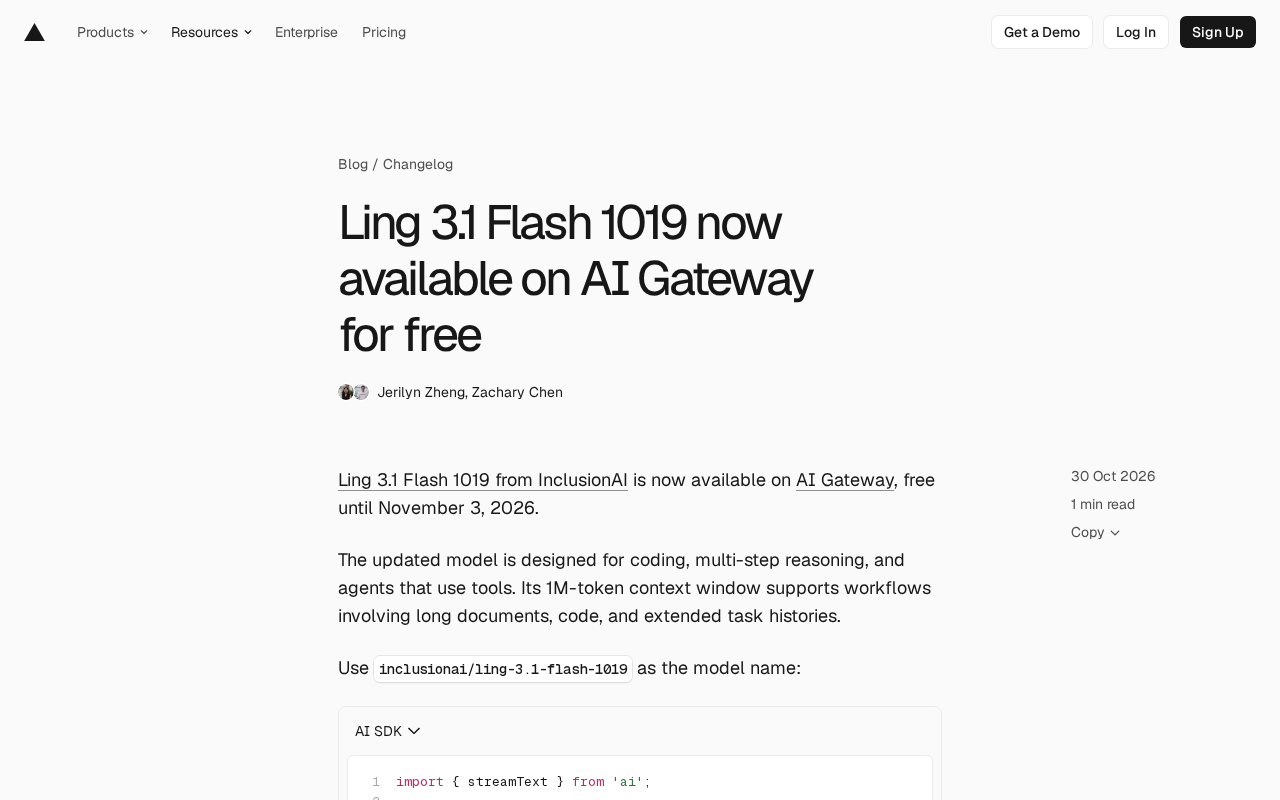
Ling 3.1 Flash 1019 Launches Free on AI Gateway
InclusionAI's Ling 3.1 Flash 1019 is now on AI Gateway, free until November 3, 2026. Built for coding, multi-step reasoning, and tool-calling agents with 1M token context; accessible via AI SDK, Chat Completions, and coding agents like Claude Code and Cursor.

A Practical Guide to Adding Enterprise SSO and SCIM to Better Auth Apps
Learn how to add enterprise SAML, OIDC single sign-on, and SCIM directory sync via WorkOS while keeping Better Auth for login and sessions, covering responsibility boundaries, identity mapping, multi-tenant modeling, and logout lifecycle management.
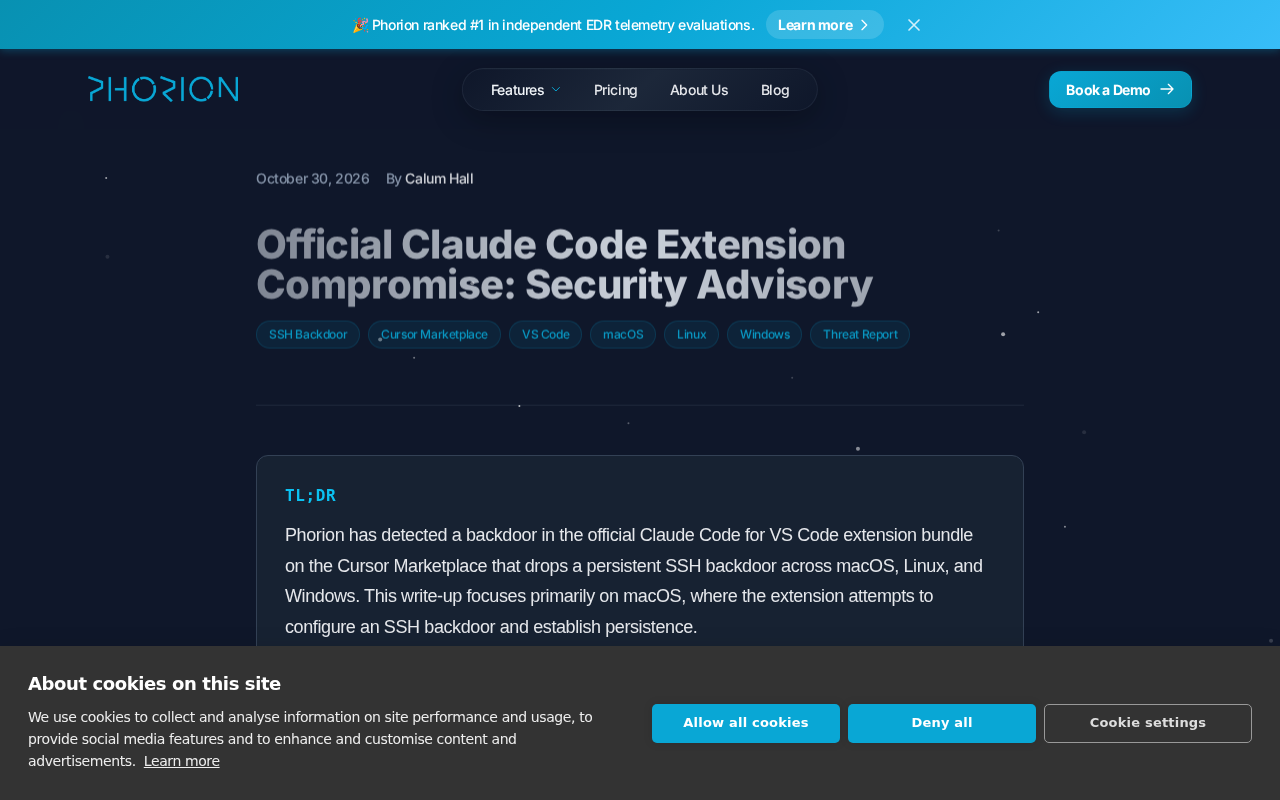
Backdoor Found in Claude Code VS Code Extension: A Cursor Marketplace Supply Chain Attack
The Claude Code for VS Code extension on the Cursor Marketplace was found to have an implanted backdoor, distributing a RAT to Claude developers. This article combines Cursor's official advisory, GossiTheDog's disclosure, and doublepulsar.com's analysis to break down the supply chain attack path and offer developer response recommendations.

Altman Says You're Wasting DRAM: The Truth Behind AI's Memory Bottleneck
Altman's "you're wasting DRAM" remark sparked HN debate. This article breaks down common sources of DRAM waste in AI inference, the memory wall's impact on cost, and actionable memory optimization ideas for developers.

NVIDIA NemoClaw: Full-Stack Control for Building Secure, Specialized AI Agents
NVIDIA NemoClaw targets specialized AI agent developers, emphasizing a controllable stack and a secure runtime that enforces constraints. This article analyzes its three-layer design—model, harness, and domain tools—plus key practices and security boundaries for production deployment of specialized agents.