#AI编程
9454 related articles

Kimi K3.1 Pro Hands-On: Open-Source Model Nears Claude Opus 5.5
Moonshot AI releases Kimi K3.1 Pro: 3T parameters, 1M-token context, beating Claude Opus 5.5 on 9 of 14 benchmarks. Hands-on shows it nearing frontier closed models in 3D, frontend, and finance at a fraction of the cost, though robotics and complex reasoning remain weak.
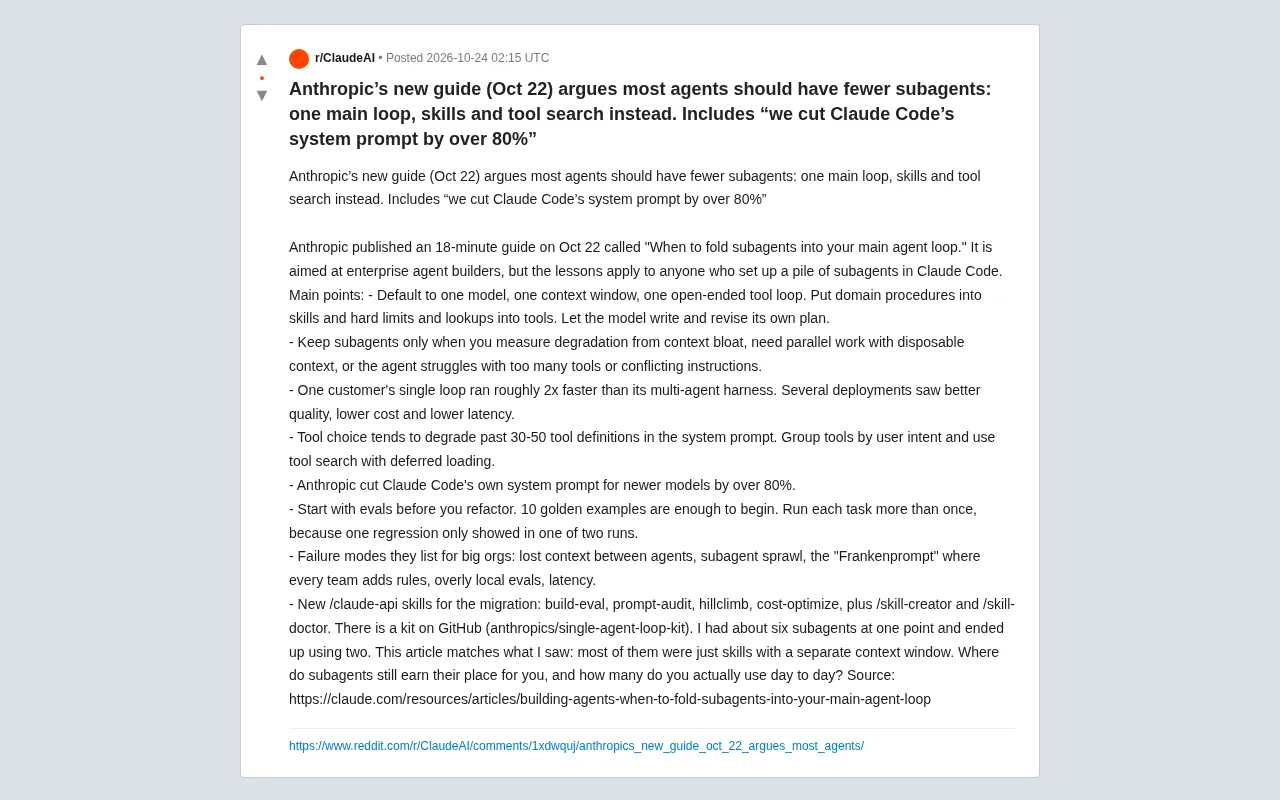
Anthropic's New Guide: Most AI Agents Don't Need Subagents — a Single Main Loop Is the Right Answer
Anthropic's new Agent architecture guide argues most use cases should return to a single-model, single-context open-ended tool loop, splitting only on measurable degradation. Single loops are ~2x faster, tool selection degrades past 30-50 definitions, and Claude Code's system prompt was cut by over 80%.

SQL Agent Schema Selection Layer Tested: Opus Loses to Sonnet, Voting Yields Zero Gain
Open-source project schemagate benchmarks its SQL Agent schema selection layer on BIRD and Spider 2.0: Opus loses to Sonnet on Spider 2.0, voting yields zero gain on the holdout set, BigQuery sharded tables break table selection, and benchmarks expose a permission validation bug.

Prompt Engineering for Beginners: From Writing Prompts to Building AI Collaboration Skills
From the four functions of prompts to the six-step prompt engineering process, this article systematically covers core concepts, business value, and three layers of limitations to help beginners build a complete cognitive framework for prompt engineering.

Stop Gambling with AI Video! Use Local LLMs to Write HTML for Screen-Recorded Videos — Safe and Controllable
A Bilibili creator shares the complete workflow of using local LLMs to write single-file HTML and screen-record videos: precise frame control, works offline, commercial data stays local. Includes four common pitfalls and corresponding prompt solutions.

Kimi K3.1 Pro Benchmark Results Revealed: First Place in 6 of 14 Tests, Coding Nearly Catches Opus
Kimi K3.1 Pro benchmark results: first place in 6 of 14 tests, field-task coding 51.7 beats Opus, terminal combat 65.7 just 0.7 behind, hallucination rate drops from 23.4% to 8.3%, high-speed version supports million-token context with open weights planned.
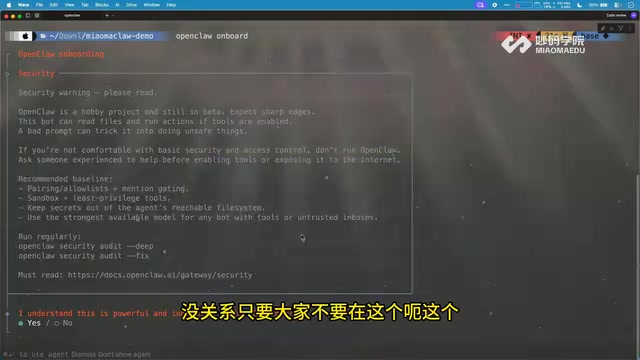
How Can Frontend Developers Advance into AI Agent Development? Deconstructing System-Level Agent Architecture from OpenClaw
Starting from the OpenClaw demo in a Bilibili open class, this article breaks down the three-layer architecture and universal formula of system-level AI agents, and analyzes the path for frontend developers to enter agent development based on TypeScript, including plugin-based design and security/memory layer challenges, with an interview answer framework.

High-Frequency AI Agent Interview Topics: RAG, Multi-Agent Systems, and Token Optimization
Based on a Bilibili Agent interview video, this article covers high-frequency AI Agent interview topics: RAG evaluation, single vs. multi-agent selection, token cost control, infinite loop troubleshooting, and project presentation techniques.

Using Git Worktrees to Enable Parallel AI Agent Development Without Interference
AI agents working serially waste huge amounts of time. This article explains how to use Git worktrees to build isolated environments for multiple agents, solving port conflicts and dependency pollution for reproducible parallel development workflows.
Claude Code v2.1.310 Update: Monitor T…
Claude Code v2.1.310 Update: Monitor Tool and Multiple Fixes
Claude Code v2.1.310 update: new Monitor tool and plugin monitors covering Bedrock, Vertex, and Foundry, plus fixes for gateway compatibility, file cleanup, Windows hooks, VSCode, and cloud sessions.
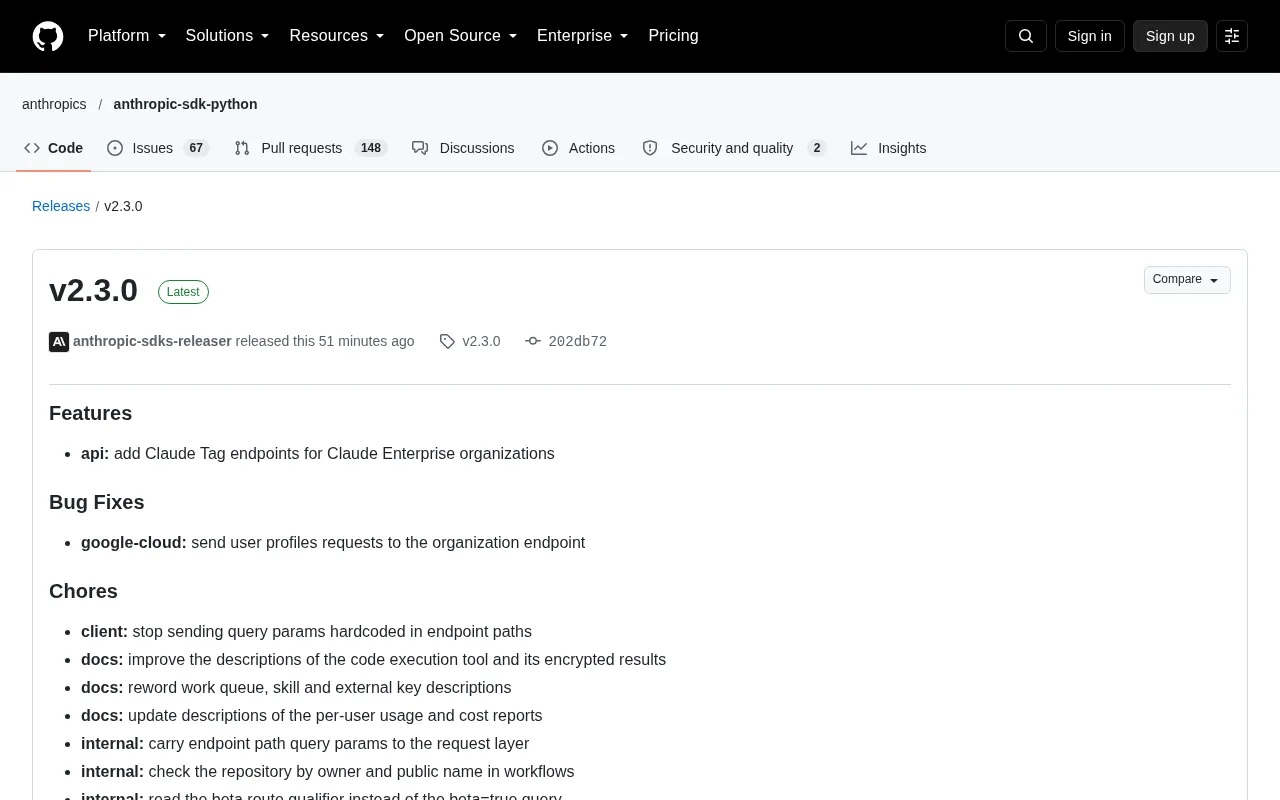
Anthropic SDK v2.3.0 Released: Claude Tag Endpoints and Multiple Internal Refactors
Anthropic SDK v2.3.0 released: new Claude Tag endpoints for Claude Enterprise organizations, fixed Google Cloud user profiles request endpoint, refactored client query parameter handling, and improved documentation for code execution tool, usage reports, and more.
 Tech Frontiers
Three Core Principles of AI Prompt Engineering in 2026: Framework, Conciseness, and Iteration
Is prompt engineering still relevant in 2026? This article distills three core principles from a Bilibili tutorial—framework, conciseness, and iteration—to help you write high-quality prompts and improve AI task results.

AI Digital Twin in Action: Using DOT to Automatically Track Bugs and User Feedback
DOTS engineers demonstrate how AI digital twin DOT collects cross-platform user feedback, categorizes issue themes, opens threads to investigate bug root causes, and submits PRs—showcasing a complete AI agent workflow for defect triage with auditable design.

Corgi: A Terminal Multiplexer for AI Agents
Corgi, a new Show HN project, is a multiplexer for AI agents and terminals, aiming to solve session management when multiple coding agents run in parallel. This article analyzes its positioning, potential value, and early-stage risks.

LLaMA-Factory in Practice: A Complete No-Code Guide to Fine-Tuning Large Models
An introduction to LLaMA-Factory, the open-source fine-tuning tool: its 60.1K-star background, supported models and algorithms, local vs. cloud deployment, and CUDA setup steps.

OpenHands v1.28.0: OpenCode and PI Added as Built-in Agents, API Keys Requestable In-Conversation
OpenHands ships 5 releases in 21 days: v1.27.0 adds OpenCode and PI as built-in agents, v1.28.0 enables in-chat key requests. ACP integration, credential reuse, model list changes, and upgrade advice.
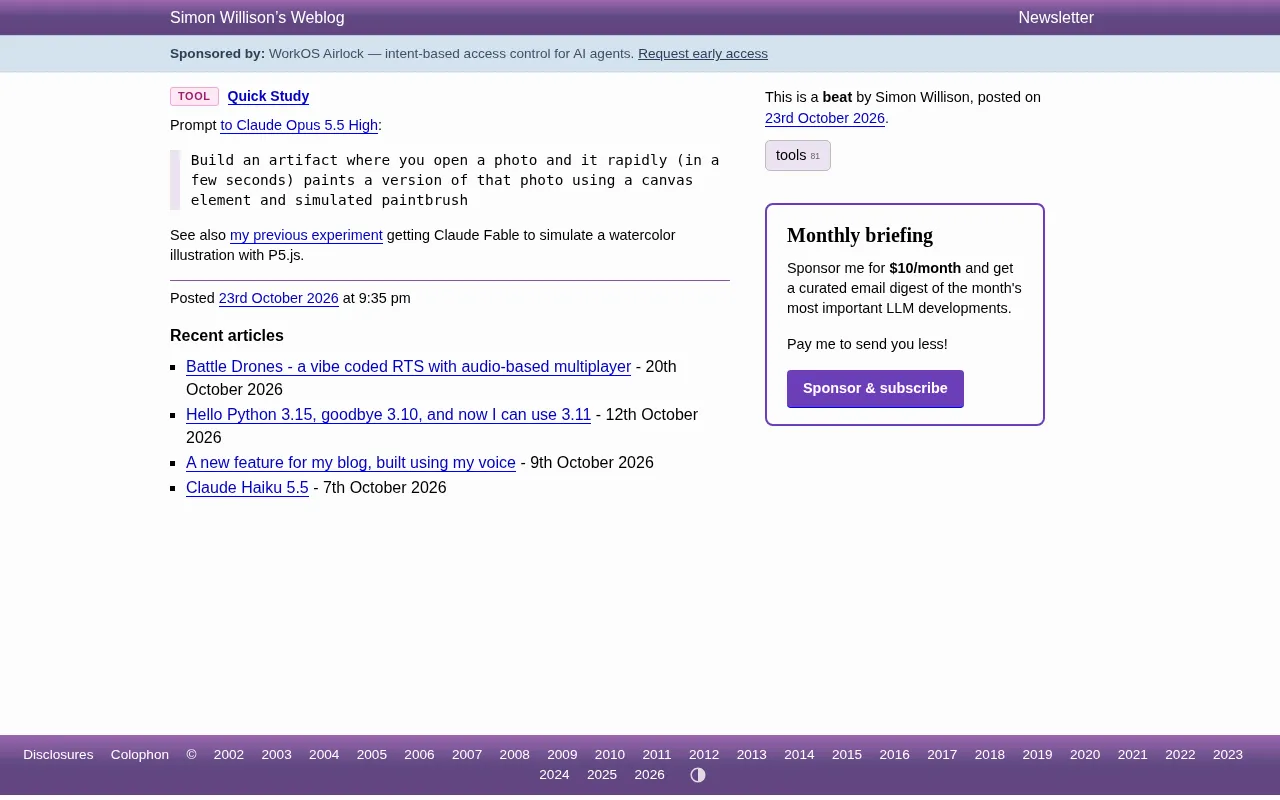
Quick Study: A One-Sentence Prompt for Claude Opus 5.5 to Generate a Simulated Brush Painting Tool
Simon Willison releases Quick Study, a tool that uses a single prompt to have Claude Opus 5.5 generate a canvas-and-brush photo repainting artifact, showing the power and limits of single-prompt interactive visual tools.

Frontend to AI Agent Development: A Frontline Architect Explains Career Paths and Opportunities
A frontline AI architect explains the industry changes and practical paths for frontend developers transitioning to AI Agent development: why pure frontend jobs are disappearing, why Agent + full-stack has become mainstream in hiring, and three transformation routes—Agent development engineer, FDE, and remote contracting—along with corresponding learning strategies.

How to Choose an AI Agent Development Course: Five Pitfall-Avoidance Guidelines
A mechanical-engineering career changer's two-year pitfall-tested checklist for screening AI Agent development courses: complete delivery pipeline, resume-worthy projects, real development perspective, update frequency, and coaching feedback—with concrete judgment methods and pitfall-avoidance tips.

Coze AI Agent Building for Beginners: A Zero-Code AI Agent Development Guide
Coze, ByteDance's one-stop AI application development platform, supports zero-code drag-and-drop AI agent building. This article outlines Coze's core concepts, three advantages, differences between the domestic and international versions, and the distinction between agents and apps, helping beginners quickly get started with AI Agent development.