#Sub-agents
65 related articles

·2 min
Duel Agents: Multi-AI Agent Competition Mechanism That Automatically Selects the Most Cost-Effective Coding Solution
Duel Agents uses multi-model parallel competition and recursive task decomposition as a routing layer before tools like Claude Code, automatically selecting the most cost-effective AI coding result with claimed 70% savings.
Read more →
·2 min
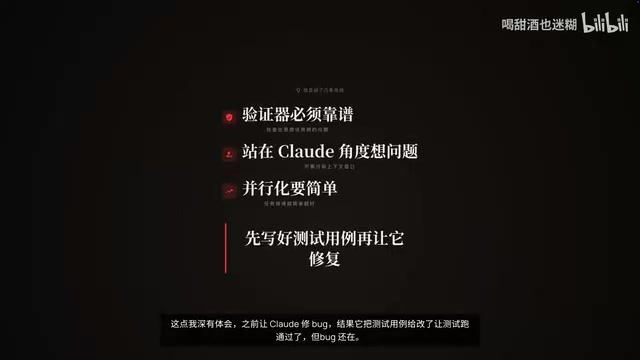
Anthropic Team in Practice: Claude Code Experience with 16 Parallel Agents Developing a Compiler
Deep analysis of Anthropic's real-world Claude Code practices: 16 parallel Agents building a C compiler, three-role architecture for full-stack apps, smart approvals solving 93% blind approval issues, and six official best practices.
Read more →
·2 min
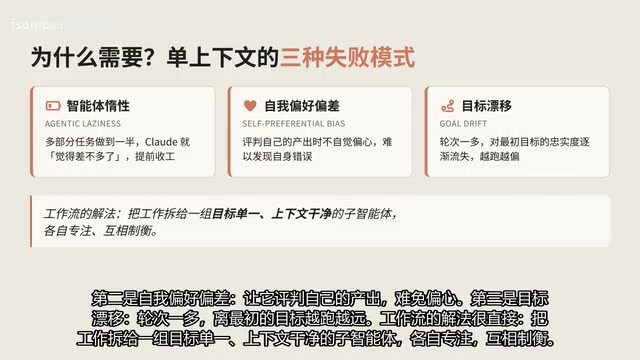
Claude Code Dynamic Workflows: A Complete Guide to Six Patterns and Ten Scenarios
Deep dive into Claude Code's dynamic workflow mechanism covering Agent, Parallel, and Pipeline functions, six orchestration patterns, and ten real-world scenarios with cost control tips.
Read more →
·3 min
Claude Code Tutorial: Complete Guide to Installation, Configuration, and Connecting Chinese LLMs
Complete guide to installing Claude Code, connecting Chinese LLMs like DeepSeek, and practical usage tips. Covers three usage modes, hands-on examples, and advanced techniques.
Read more →
Pi Coding Agent Deep Configuration Gui…
·4 min
Pi Coding Agent Deep Configuration Guide: A Complete Breakdown of Custom Tools, Sub-Agents, and the Skill System
A complete Pi Coding Agent configuration guide refined over two months, covering custom tools, sub-agents, persistent memory, security, and skill systems.
Read more →
Claude Code Dynamic Workflows Explaine…
·2 min
Claude Code Dynamic Workflows Explained: A Hands-On Guide to Sub-Agent Orchestration and Reuse
Learn how Claude Code Dynamic Workflows orchestrate sub-agents for parallel tasks. Compare four collaboration modes, enable workflows, and save them for reuse.
Read more →
The Right Way to Use Claude Code Sub-A…
·2 min
The Right Way to Use Claude Code Sub-Agents: 3-5 Beat 100 Every Time
Deep dive into Claude Code Sub-Agent mechanics: from 5 built-in Agents to custom configs, comparing ECC, Superpowers, and GizTech community solutions.
Read more →
Claude Code Ultra Code in Practice: On…
·3 min
Claude Code Ultra Code in Practice: One Person Orchestrating 100+ Agents in Parallel Development
Learn how to use Claude Code's Ultra Code and Dynamic Workflow to orchestrate 100+ Agents in parallel, with Deep Research demos, token-saving tips, and workflow reuse methods.
Read more →
Codex Systematic Tutorial: From Beginn…
·2 min
Codex Systematic Tutorial: From Beginner to Enterprise-Level AI Engineering
In-depth guide to Codex AI programming tool: environment setup, Rules system, MCP protocol integration, multi-Agent collaboration, and enterprise RAG customer service project for complete AI engineering deployment.
Read more →
The Four Stages of AI Coding Tool Evol…
·3 min
The Four Stages of AI Coding Tool Evolution: From Code Completion to Multi-Agent Collaboration
A deep dive into the four stages of AI coding tool evolution: from code completion and chat Q&A to Agentic Coding and multi-Agent collaboration, explaining the design logic behind Claude Code, Cursor, and Codex.
Read more →
 Tutorials
·2 min
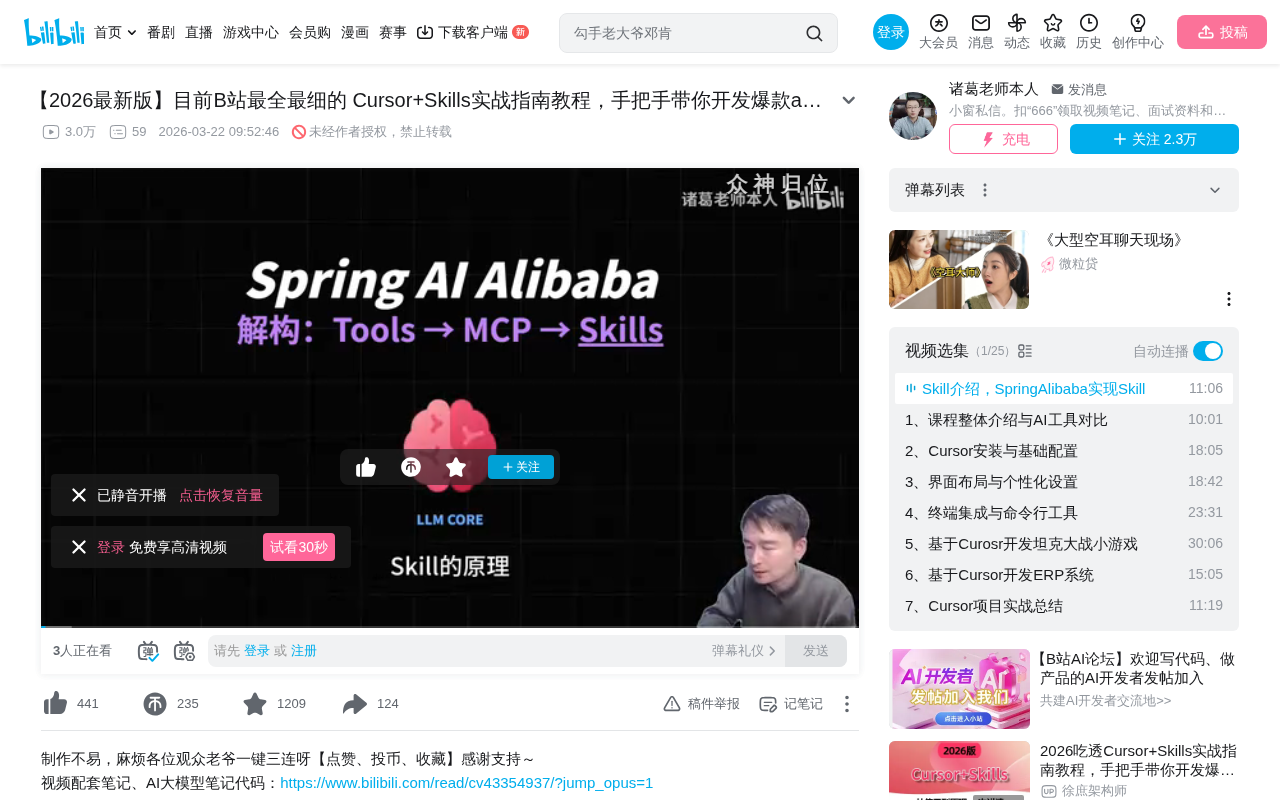
How AI Coding Skills Work: From Function Call to Sub-Agent Implementation
Deep dive into how AI coding Skills work technically, from Function Call to MCP to Skills as sub-agents with on-demand loading, implemented via Spring AI Alibaba.
Read more →
 Tutorials
·2 min
How AI Coding Skills Work: From Function Call to Sub-Agent Implementation
Deep dive into how AI coding Skills work: from Function Call to MCP to Skills as sub-agents with on-demand loading, implemented via Spring AI Alibaba.
Read more →
 Product Reviews
·1 min
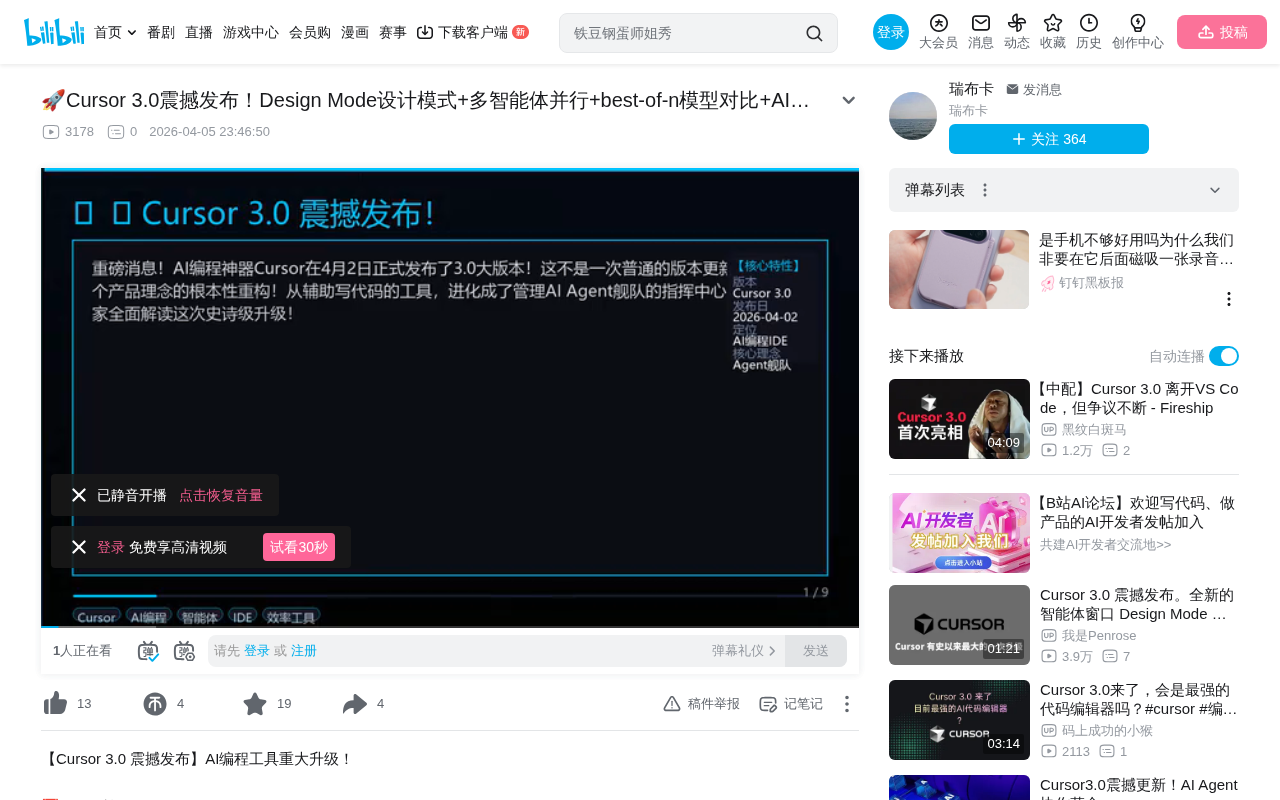
Cursor 3.0 Deep Dive: Multi-Agent Parallelism, Design Mode & Best-of-N Model Comparison
Cursor 3.0 evolves from an AI coding assistant into an Agent fleet command center. Deep dive into multi-agent parallelism, Design Mode, and Best-of-N model comparison.
Read more →
 Product Reviews
·2 min
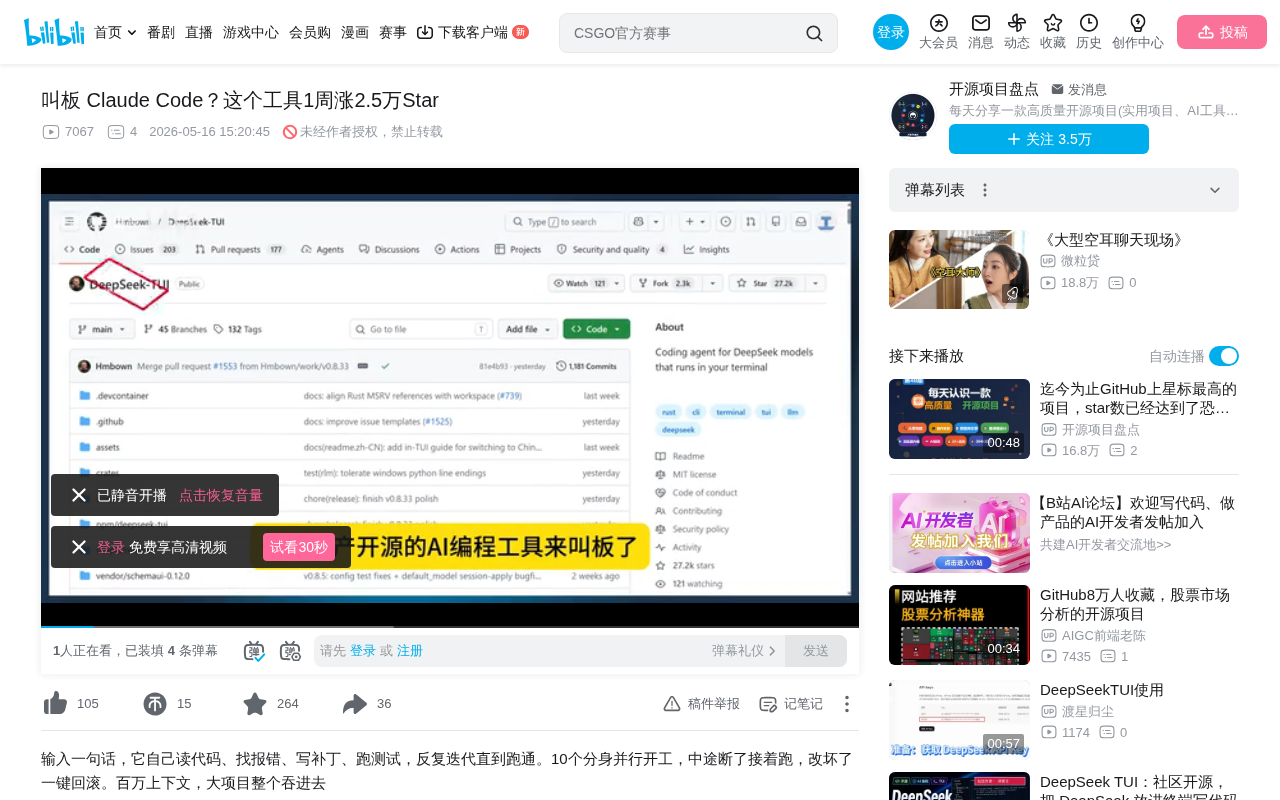
Gained 25K Stars in One Week: This Chinese Open-Source AI Coding Tool Takes on Claude Code
A Chinese open-source AI coding tool gained 25K GitHub Stars in one week, challenging Claude Code with autonomous closed-loop programming, parallel tasks, checkpoint resume, and intelligent model routing.
Read more →
 Product Reviews
·4 min
Claude Code: The AI Programming Tool That Frees Product Managers from 'Waiting on Engineers'
Deep dive into how Claude Code helps product managers independently investigate bugs, understand codebases, and generate professional technical reports—boosting PM-engineer collaboration efficiency.
Read more →
 Product Reviews
·4 min
Claude Code: The AI Programming Tool That Frees Product Managers from 'Waiting on Engineers'
Deep dive into how Claude Code helps product managers independently investigate bugs, understand codebases, and generate professional technical reports — transforming PM-engineer collaboration.
Read more →
 Deep Dives
·3 min
How Claude Code Works: Inside the Agentic Programming Tool
Deep dive into Claude Code's core mechanisms including tool calling, agentic search, memory systems, and MCP protocol extensions. Learn how this CLI agent tool autonomously plans and executes complex development tasks.
Read more →
 Product Reviews
·3 min
Claude Code v2.1.143 Update: Plugin Dependency Chain Management & Background Session State Persistence
Claude Code v2.1.143 brings intelligent plugin dependency chain management, background session model parameter persistence, Agent mode parameterized configuration, and critical Windows/macOS bug fixes.
Read more →
 Tutorials
·4 min
Four Core Rules Anthropic Engineers Use to Prompt Claude Code
Anthropic engineers share how to properly use Claude Code at AI Code Summit: build composable Skills systems instead of one-off prompts. Master four core rules for skills that get smarter over time.
Read more →
 Tutorials
·2 min
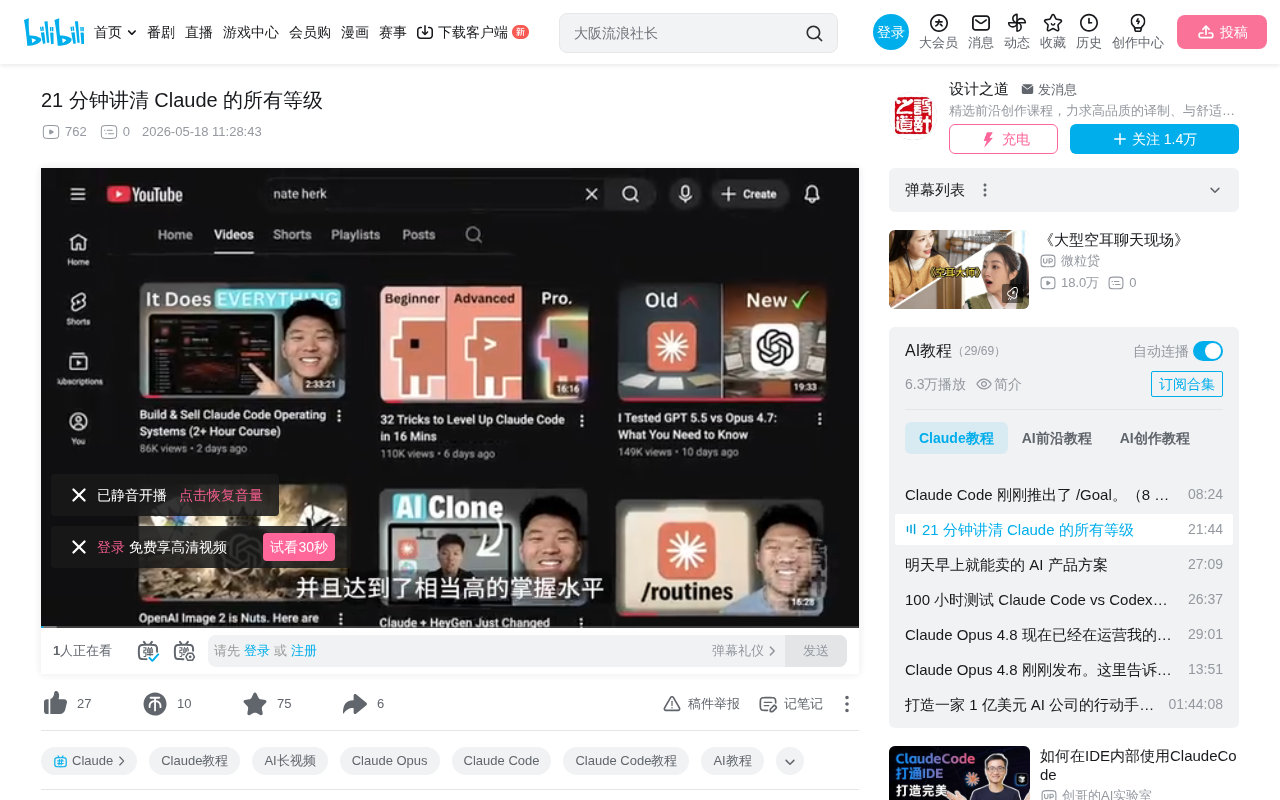
Five Mastery Levels of Claude: From Basic Q&A to Architect-Level Autonomous Systems
Based on 400+ hours of hands-on experience, a systematic breakdown of five progressive Claude mastery levels: from basic Q&A to architect-level autonomous systems with specific methods for each.
Read more →