Deep Dives
In-depth AI analysis, industry observations, and technical insights — slow down and read.
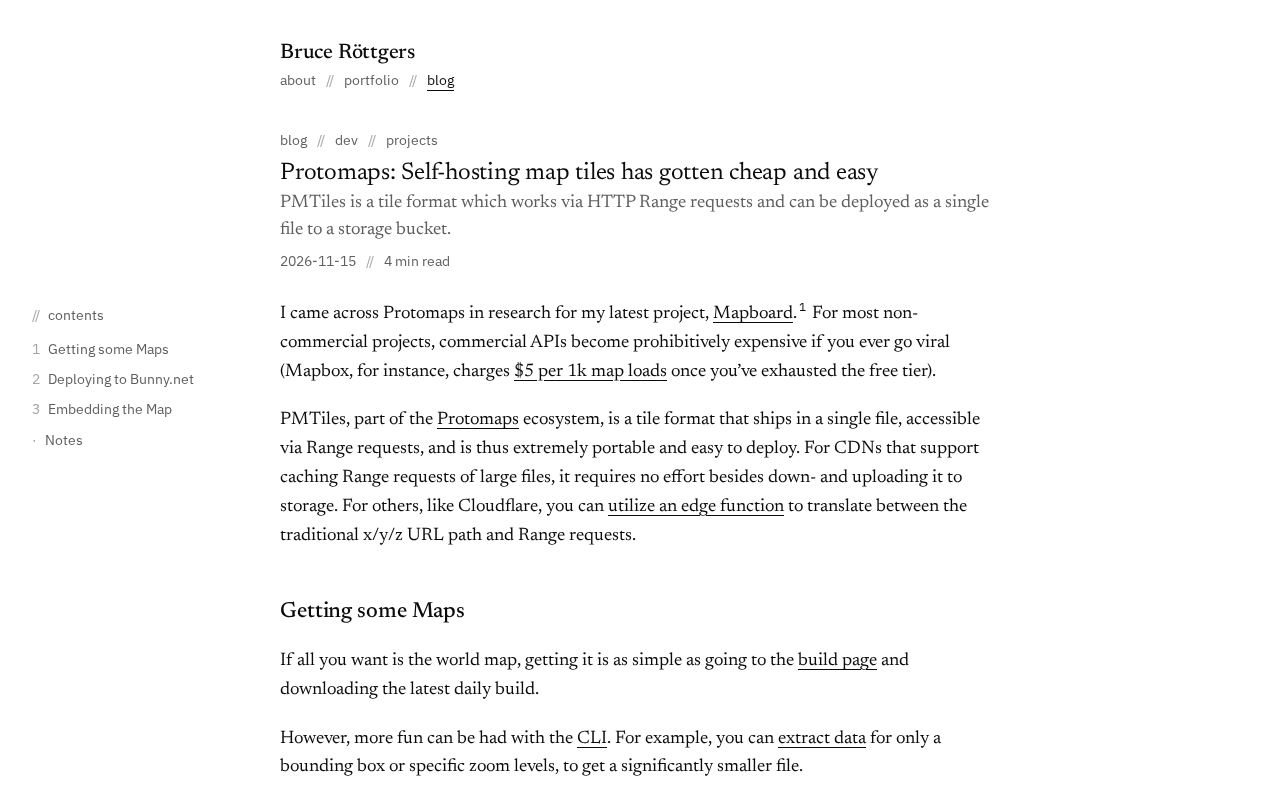
Protomaps: Making Self-Hosted Map Tiles Cheap and Simple
Protomaps makes self-hosted map tiles cheap and simple: the PMTiles format eliminates databases and tiling services, so static hosting can serve global map data. Drawing on Hacker News discussion, this article analyzes its technical trade-offs, cost advantages, and suitable use cases.
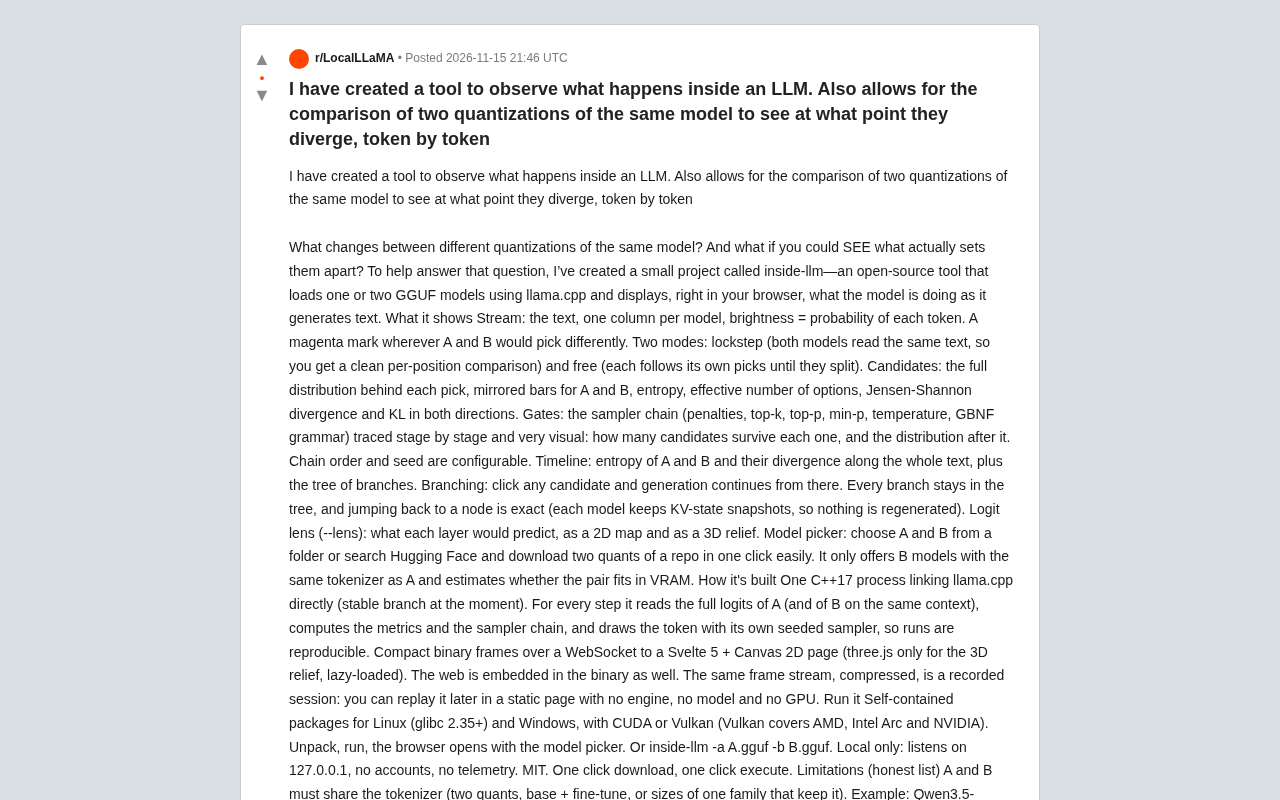
inside-llm: An Open-Source Tool That Peeks Inside LLMs and Compares Quantization Differences Token by Token
inside-llm is an open-source tool that loads GGUF models via llama.cpp and visualizes LLM internals in the browser, comparing two quantizations token by token with sampling chains, candidate distributions, entropy, and KL divergence.
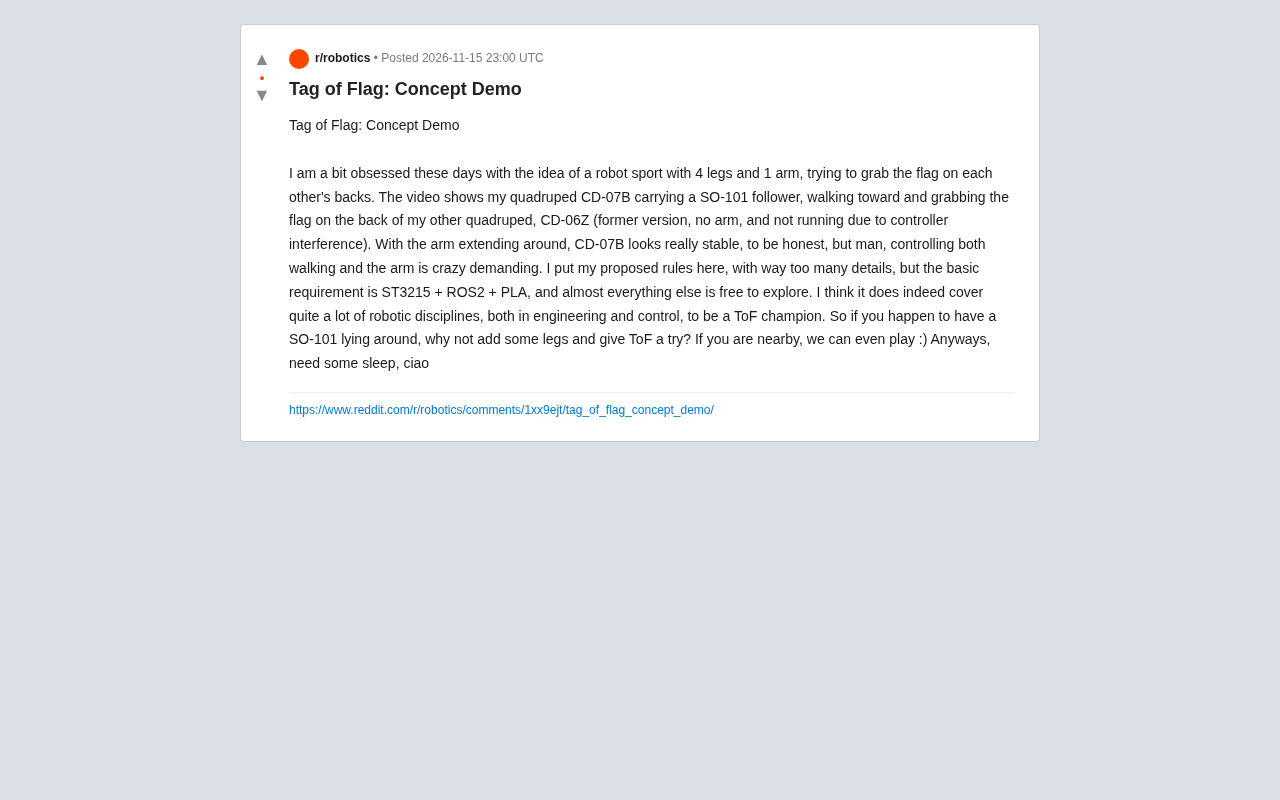
Quadruped Robots + Robotic Arms Play Capture the Flag? The Tag of Flag Concept Demo
A robotics enthusiast proposes Tag of Flag: quadruped robots with robotic arms grab flags off each other's backs. The demo video shows CD-07B successfully grabbing a flag, with draft rules requiring ST3215 servos, ROS2, and PLA, aiming to promote a new form of robot locomotion.
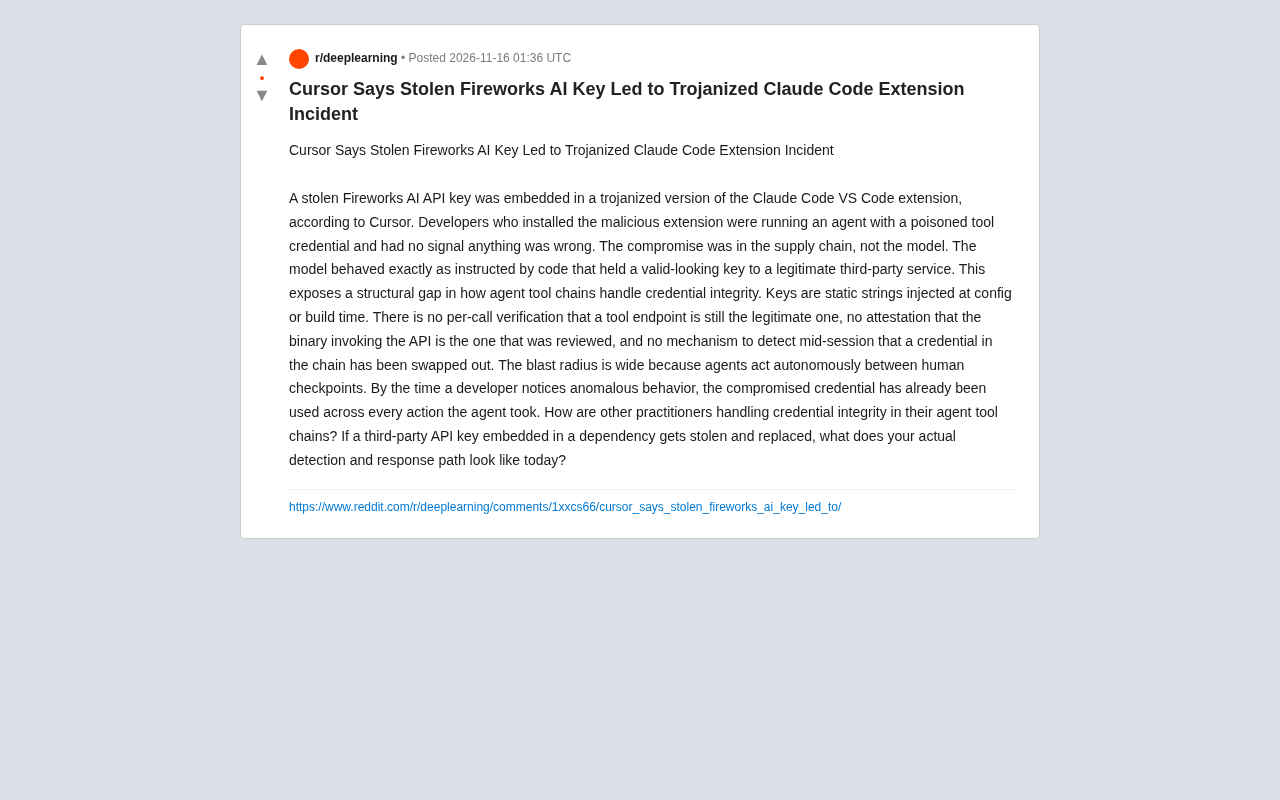
Cursor Discloses Supply Chain Attack: Stolen Fireworks AI Key Used to Plant Trojanized Claude Code Extension
Cursor discloses a supply chain attack: a stolen Fireworks AI API key was embedded in a trojanized Claude Code VS Code extension, causing developers to run agents with poisoned credentials. The incident exposes structural gaps in agent toolchain credential integrity, including static key injection, lack of per-call validation, and no binary attestation.
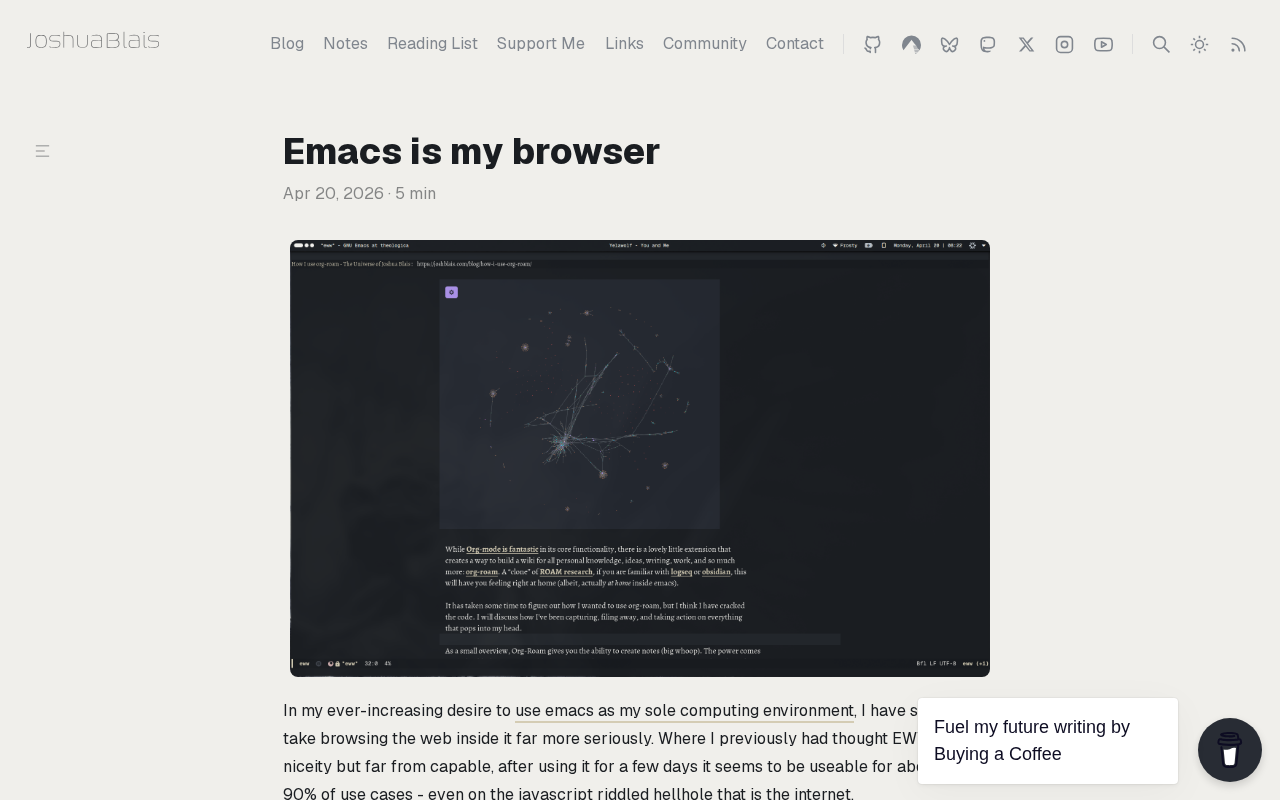
Using Emacs as a Browser: A Geek's Alternative Way to Surf the Web
Hacker News hot discussion: a developer uses Emacs as a daily browser. This article analyzes the motivation, technical paths (eww, shr, etc.), practical advantages and limitations, and the programmable tool philosophy behind it.

AI Uses Dynamic Shape Control to Generate Multi-View Echocardiography Sequences
A study proposes a multi-view echocardiography synthesis framework using dynamic whole-heart meshes and a two-stage GAN-diffusion pipeline with masked video reconstruction.
VelServe: Taming LLM Decode Jitter with Tail-Calibrated Scheduling
VelServe proposes a tail-calibrated scheduler that measures iteration latency tails to dynamically adjust prefill budgets, fixing decode jitter in aggregated and disaggregated LLM serving and achieving over 2.4× SLO goodput gains across models.
CoPre-MoE: Expert Merging and Forgetting Suppression in Multimodal Continual Instruction Fine-Tuning
CoPre-MoE proposes a shared-private expert architecture that merges cross-task overlapping experts, decomposes task-specific experts into projection bases and compact cores, and combines frozen historical routing keys with orthogonal regularization to balance performance and parameter efficiency in multimodal continual instruction fine-tuning.
Can Smart Home Agents Serve as Grid Operators? First Blackout Resilience Test Reveals Unexpected Behavior
A new study is the first to analyze smart home agent resilience across a complete blackout cycle, finding agents capable of acting as grid operators but with shared, unpredictable failure modes.
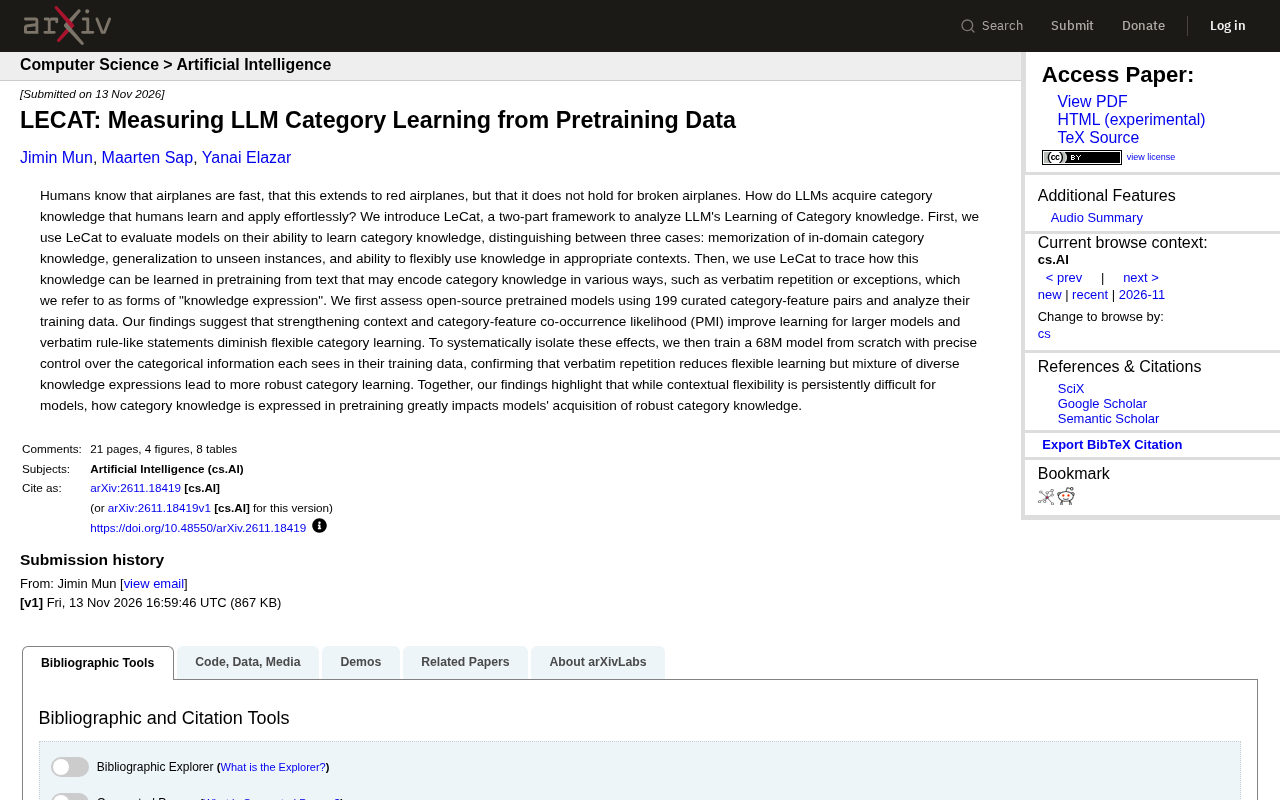
The LeCat Framework: Tracing How LLMs Learn Category Knowledge from Pretraining Data
The LeCat framework evaluates open-source models via 199 category–feature pairs and controlled experiments with a 68M-parameter model, revealing how knowledge expression in pretraining data affects LLMs' category learning, generalization, and flexible application.
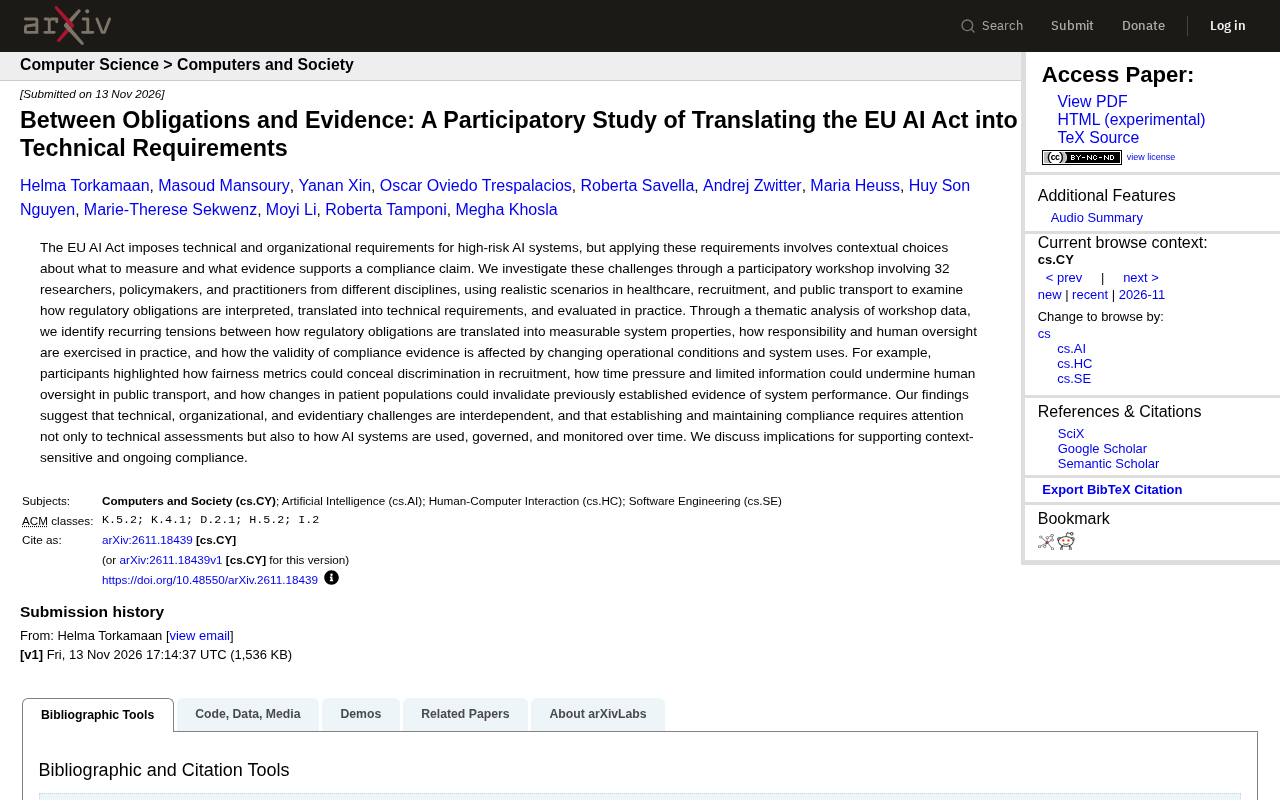
Why EU AI Act Compliance Evidence Keeps Failing
A 32-person participatory workshop study reveals the real challenges of implementing the EU AI Act: fairness metrics may mask hiring discrimination, time pressure undermines human oversight in public transportation, and changes in patient populations can invalidate compliance evidence for medical AI. Compliance is not a one-time certification but a process requiring continuous maintenance.

How to Make Single-Channel EEG Sleep Staging Explainable: A Comparison of Five XAI Methods
A study systematically compares five XAI methods' attribution faithfulness for single-channel EEG sleep staging, using AASM bands as a clinical reference, finding Integrated Gradients achieves the highest Spearman rank correlation faithfulness across all five Sleep-EDF sleep stages and DREAMT AHI groups.
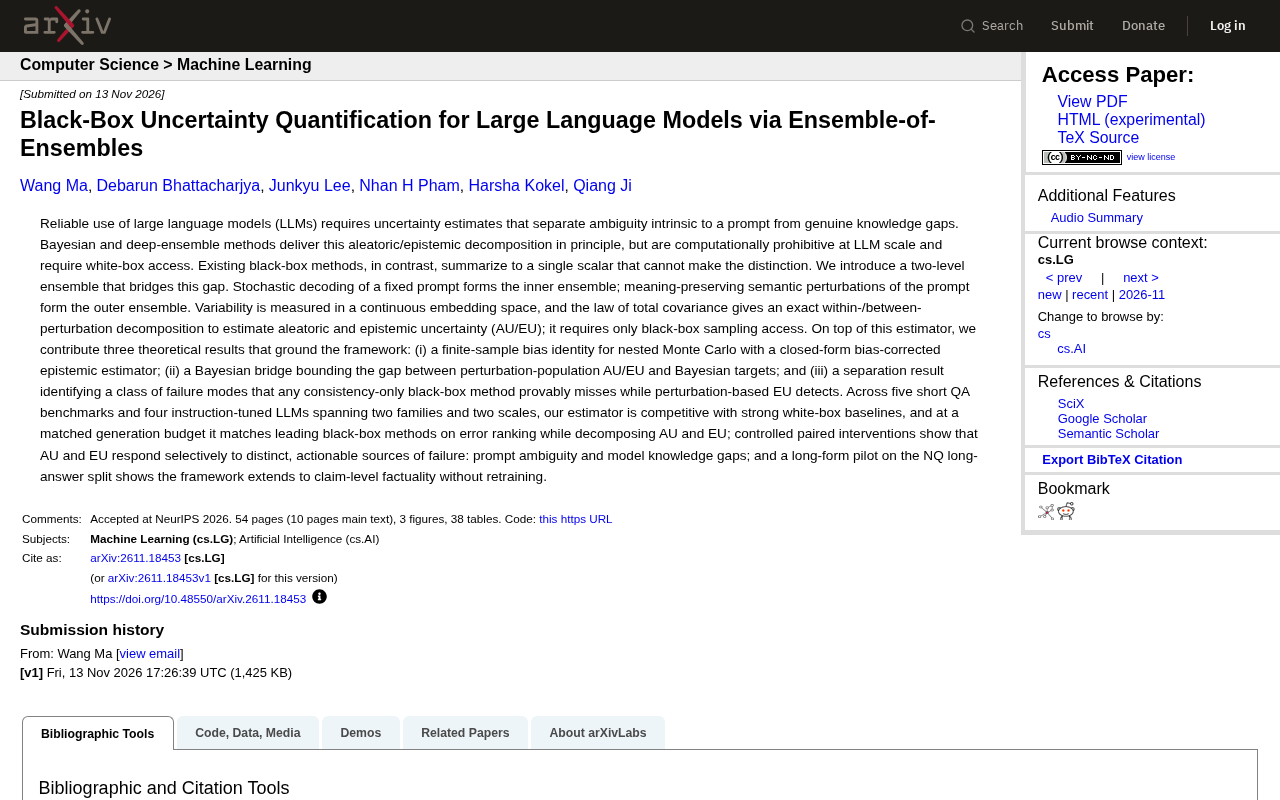
New Breakthrough in Black-Box Uncertainty Quantification: Dual-Level Ensemble Disentangles LLM Ambiguity from Knowledge Gaps
A new paper proposes a dual-level ensemble framework that decomposes LLM aleatoric and epistemic uncertainty via stochastic decoding and semantic perturbation, using only black-box sampling.
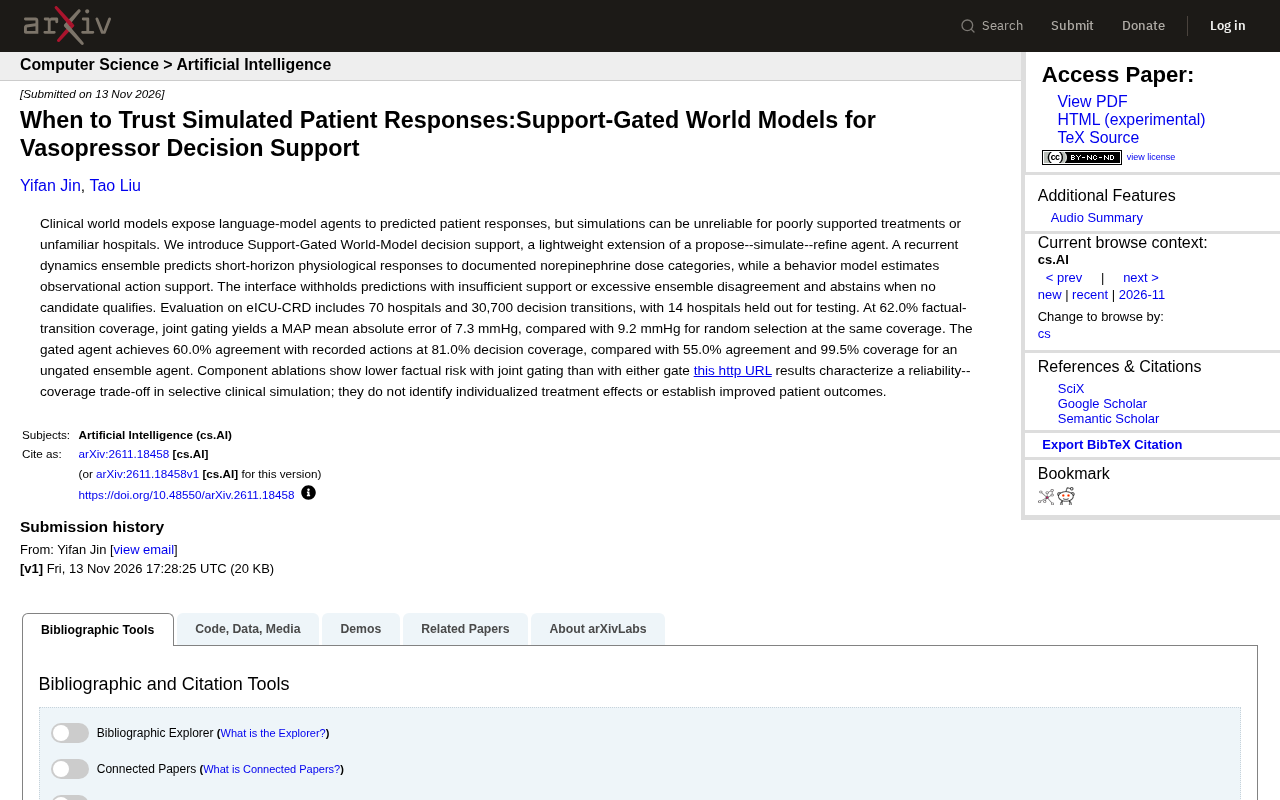
When AI Patient Response Simulations Are Unreliable: How Support-Gated World Models Improve Clinical Decision Support Reliability
New research proposes a Support-Gated World Model that uses dual gating and abstention to judge the trustworthiness of AI-simulated patient responses, achieving a reliability–coverage trade-off on multi-hospital eICU-CRD data and reducing MAP error from 9.2 to 7.3 mmHg.
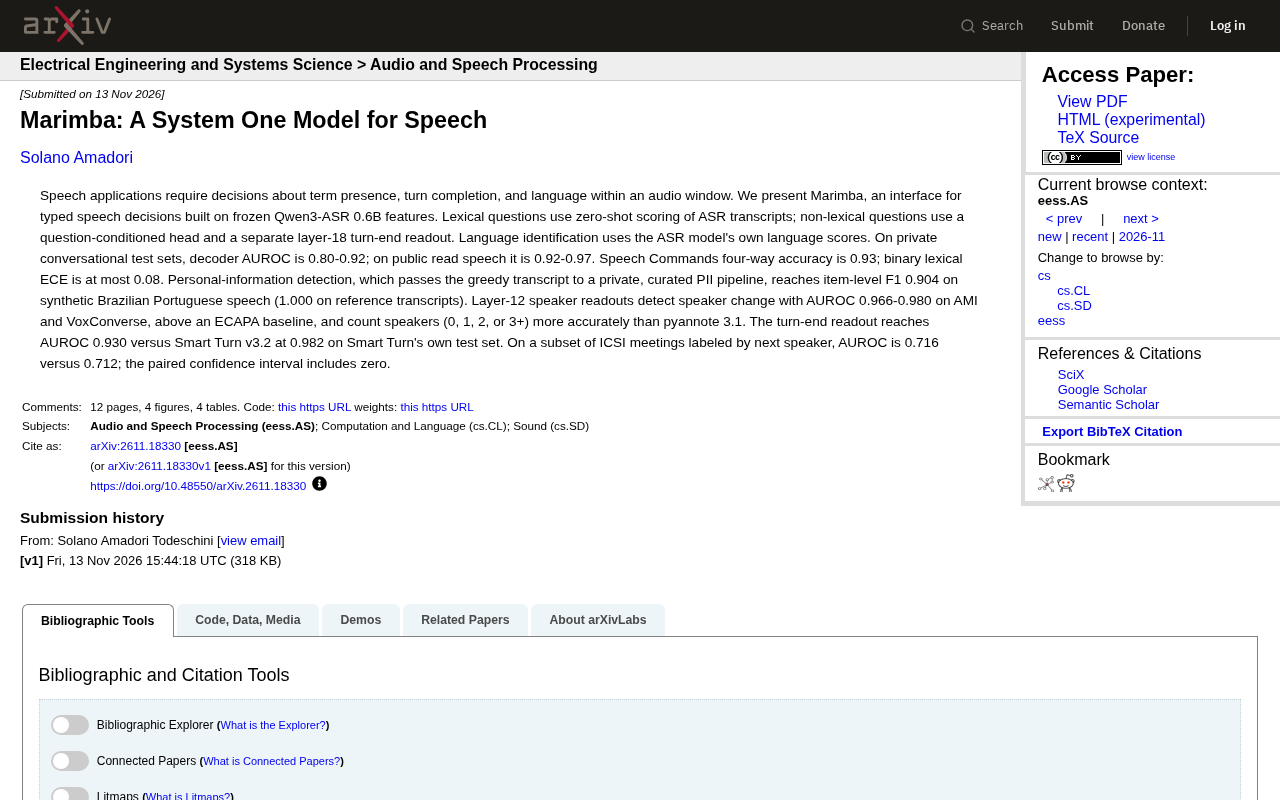
Marimba: A Unified Model for Typed Speech Decisions Driven by Frozen ASR Features
Marimba uses frozen Qwen3-ASR 0.6B features with a unified readout interface to handle word presence, turn-end, language ID, speaker change, and PII detection, reporting concrete performance on public and private test sets.
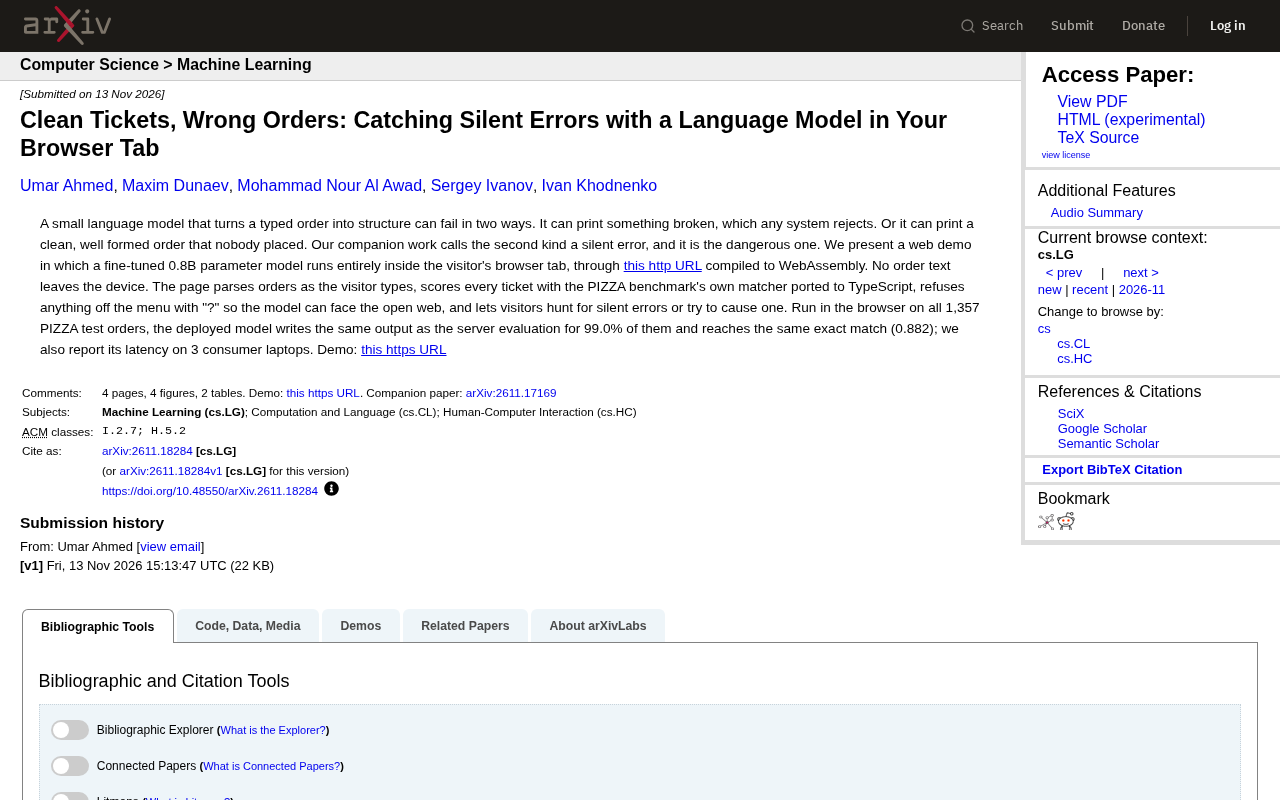
Running Language Models in the Browser: Catching Silent Errors in Orders
A 0.8B parameter model runs in-browser via WebAssembly, parsing orders in real time to catch silent errors—valid format but wrong content. Demo matches server output 99.0%, exact match 0.882, with privacy and low latency.

Word-Level Explanations of Latin Text Reuse with Minimal Annotation
This study proposes a low-annotation method using synthetic data and active learning to achieve word-level explanations of Latin text reuse with only 200 annotated pairs, matching full training performance, and releases code and demo.

GT-FENG: A New Framework for Rule Attribution in Language Model Factual Evaluation
GT-FENG is the first general framework unifying contextual/temporal correctness with rule-based error attribution for evaluating language model factual accuracy in rule-governed domains like law and policy. Experiments show documented records reduce cross-state rule confusion errors by 68-78%; open-sourced as Python package gtfeng.
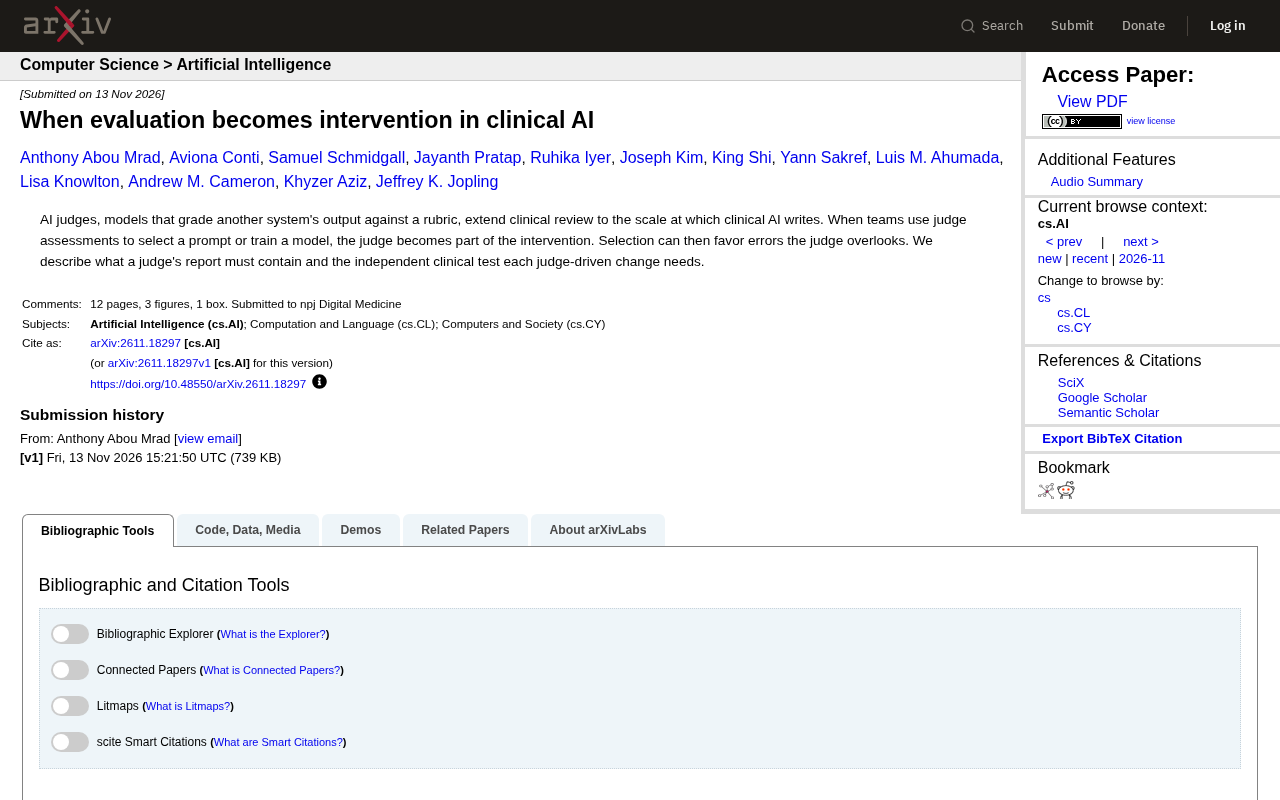
When Evaluation Becomes Intervention: The Hidden Risks of AI Judges in Clinical AI
When AI judges are used in clinical AI, once their evaluations drive prompt selection or model training, the judge becomes part of the intervention. This article explains what judge reports should contain and why every judge-driven change needs independent clinical testing.

A New Paradigm for Embodied Intelligence: How Agentic Robotics Is Reshaping Robotic Systems
Explores the Agentic Robotics paradigm: how foundation models serve as the decision core of Embodied System 2, achieving closed-loop autonomy under physical constraints, plus the missing evaluation framework and a roadmap to persistent autonomy.