Deep Dives
In-depth AI analysis, industry observations, and technical insights — slow down and read.
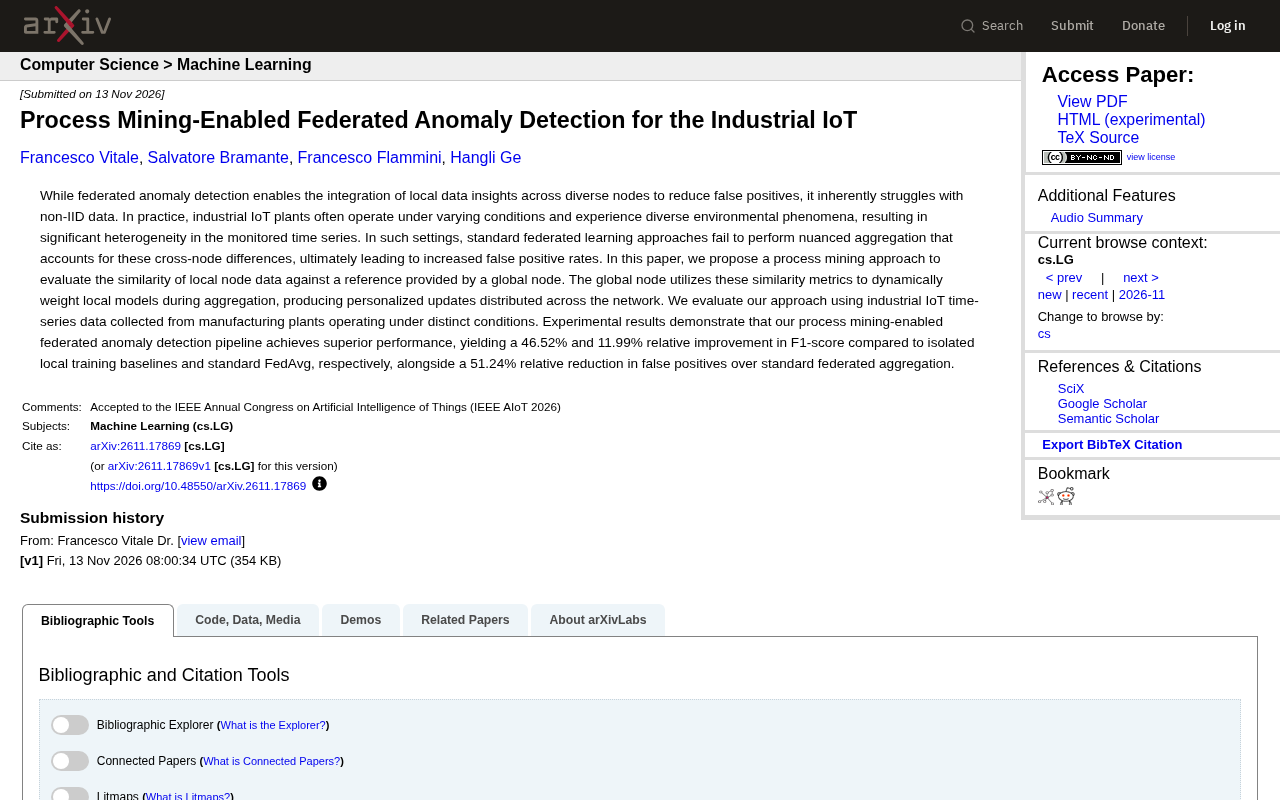
Process Mining + Federated Learning: A New Breakthrough in Industrial IoT Anomaly Detection
This article interprets a recent paper: using process mining to assess industrial IoT node data similarity and dynamically weighted federated aggregation, improving F1 by 11.99% over FedAvg and reducing false positives by 51.24% in non-IID settings.

Multimodal Person Concept Model: Robust Identity Recognition with Few-Shot Data
This paper introduces a multimodal person concept model using nonparametric Bayesian generative models and CLIP/CLAP features to learn person concepts from few unlabeled observations, achieving 0.89 average recognition accuracy across eight varying conditions, offering new ideas for robust identity recognition in service robots.

Are New Models Increasingly Hard to Jailbreak? Abliteration Effectiveness Does Not Uniformly Decline
A systematic study of five open-source model pairs finds that Abliteration effectiveness on newer models does not uniformly decline, but depends on model family, method, and search budget. Direction-based methods and ARA diverge markedly, and a single audit may yield opposite conclusions.

AmbiSteer: Teaching Vision-Language Models to Ask When Uncertain
AmbiSteer proposes a lightweight framework that predicts input ambiguity via a linear classifier and conditions activation steering, combining prompting strategies to selectively elicit ambiguity-aware behaviors in VLMs, raising the proportion handled appropriately from 59.0% to 77.0% and mitigating overconfidence in multimodal scenarios.

AI Review Bias: Why LLMs Always Zoom In on Paper Appendices
A study finds that GPT and Claude draw about 50% of review weaknesses from paper appendices, versus only 8.4% for humans. This article analyzes AI review bias and its impact on academic evaluation.

CarryOn: Teaching Long-Horizon LLM Agents to Retain Critical Context
CarryOn introduces a lightweight context manager using compact execution state plus source-linked evidence, hitting 75.7% task success—6.7 points above the strongest baseline—while balancing success and cost.

Soteria: Formal Verification + Runtime Enforcement for Both Safety and Utility in LLM Agents
Soteria combines formally verified hierarchical planning with runtime specification enforcement, enabling LLM agents to maintain task utility while complying with safety policies. Experiments show 1.7x the best baseline's success rate with zero violations, offering new ideas for deploying agents in high-risk scenarios.
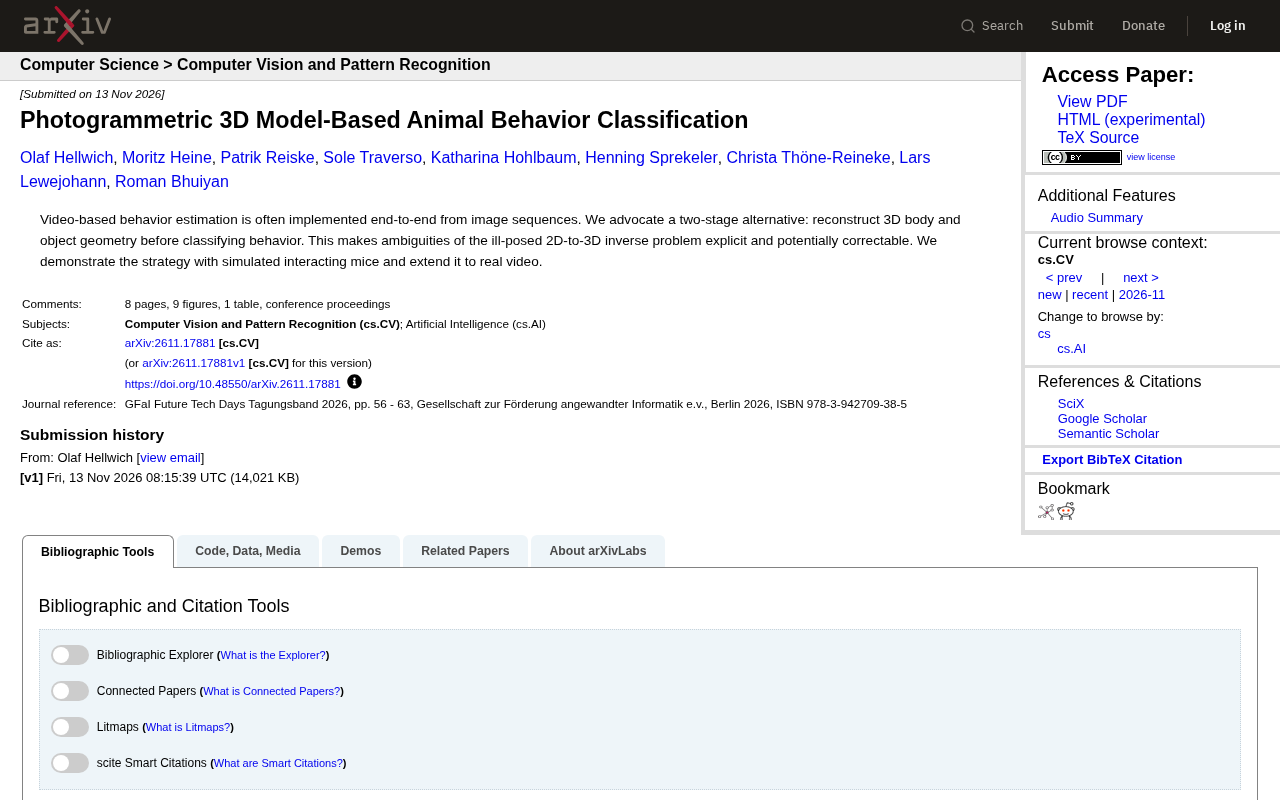
Reconstruct 3D First, Then Classify: Photogrammetric Models Revolutionize Animal Behavior Recognition
New approach to animal behavior recognition: first reconstruct 3D body and object geometry via photogrammetry, then classify behavior. The two-stage strategy makes 2D-to-3D ambiguity explicit and correctable, validated on simulated interacting mice and real videos, improving interpretability and data efficiency.

GeneFlow: A New Breakthrough in Thousand-Gene Spatial Transcriptomics Prediction
The GeneFlow framework enables efficient large-scale spatial transcriptomics prediction, improving performance by 56.8% on a 1000-gene panel while cutting compute cost by orders of magnitude. Code is open-sourced.
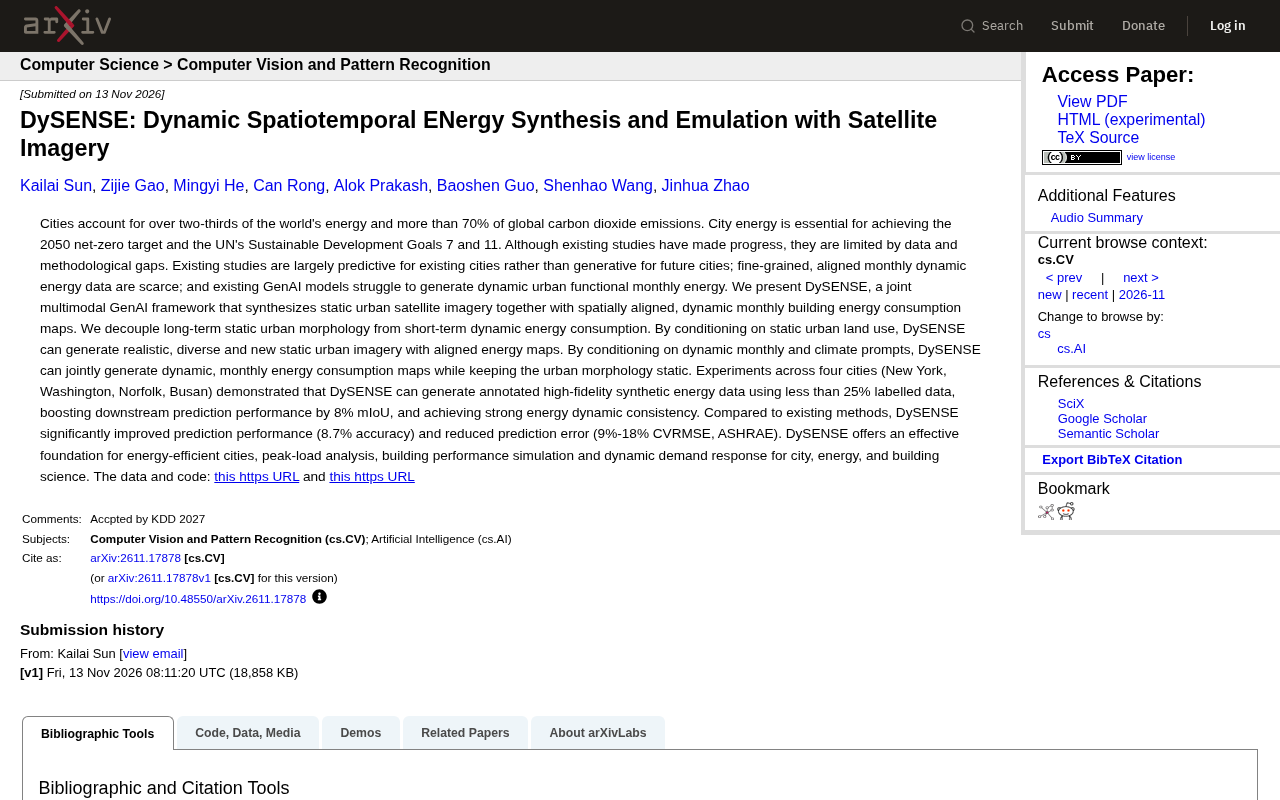
DySENSE: Generating Urban Dynamic Energy Consumption Maps from Satellite Imagery
DySENSE proposes a multimodal generative AI framework that jointly generates spatially aligned dynamic monthly building energy maps from static satellite imagery, validated in four cities including New York and Washington, improving downstream prediction with less than 25% annotated data.
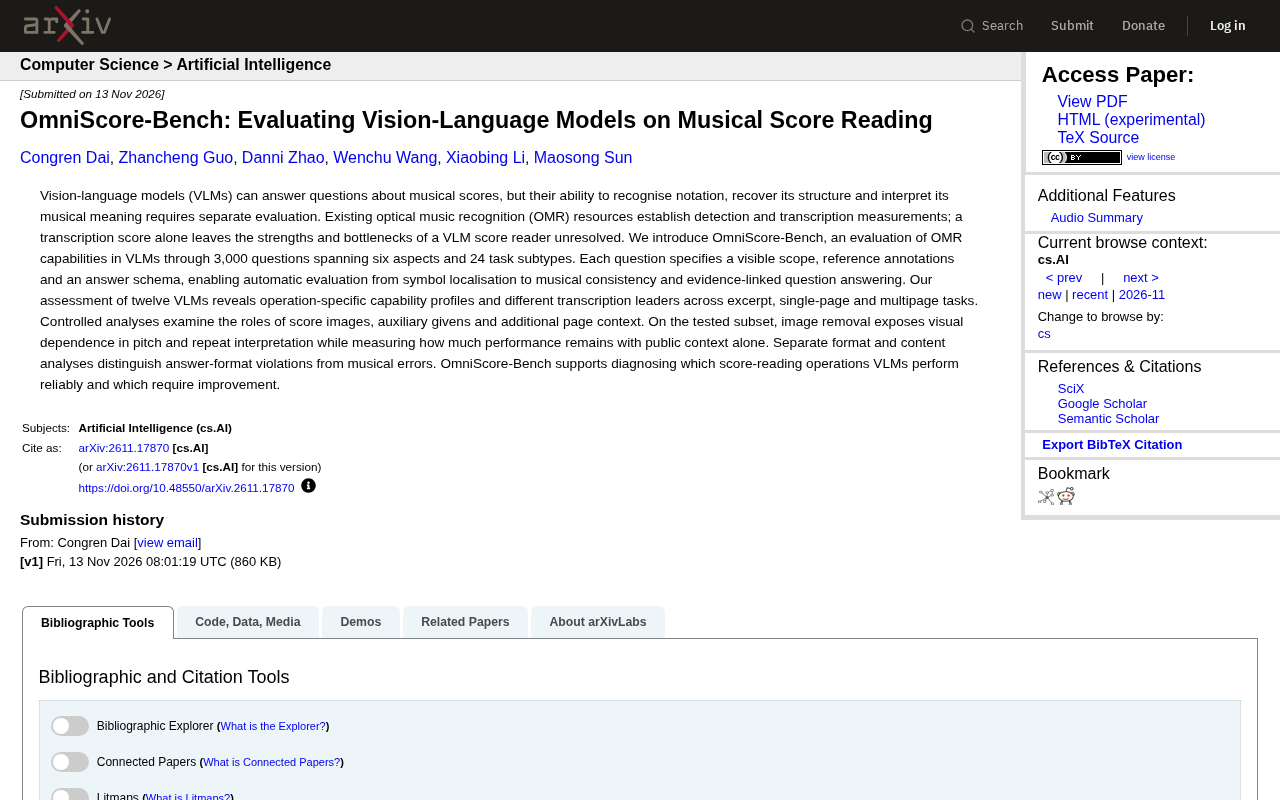
OmniScore-Bench: A Comprehensive Evaluation of VLMs' Sheet Music Reading Capabilities
OmniScore-Bench is the first benchmark to systematically evaluate VLMs' sheet music reading, with 3000 questions across six aspects and 24 sub-tasks, revealing operational capability profiles of 12 VLMs and analyzing visual reliance and format errors.
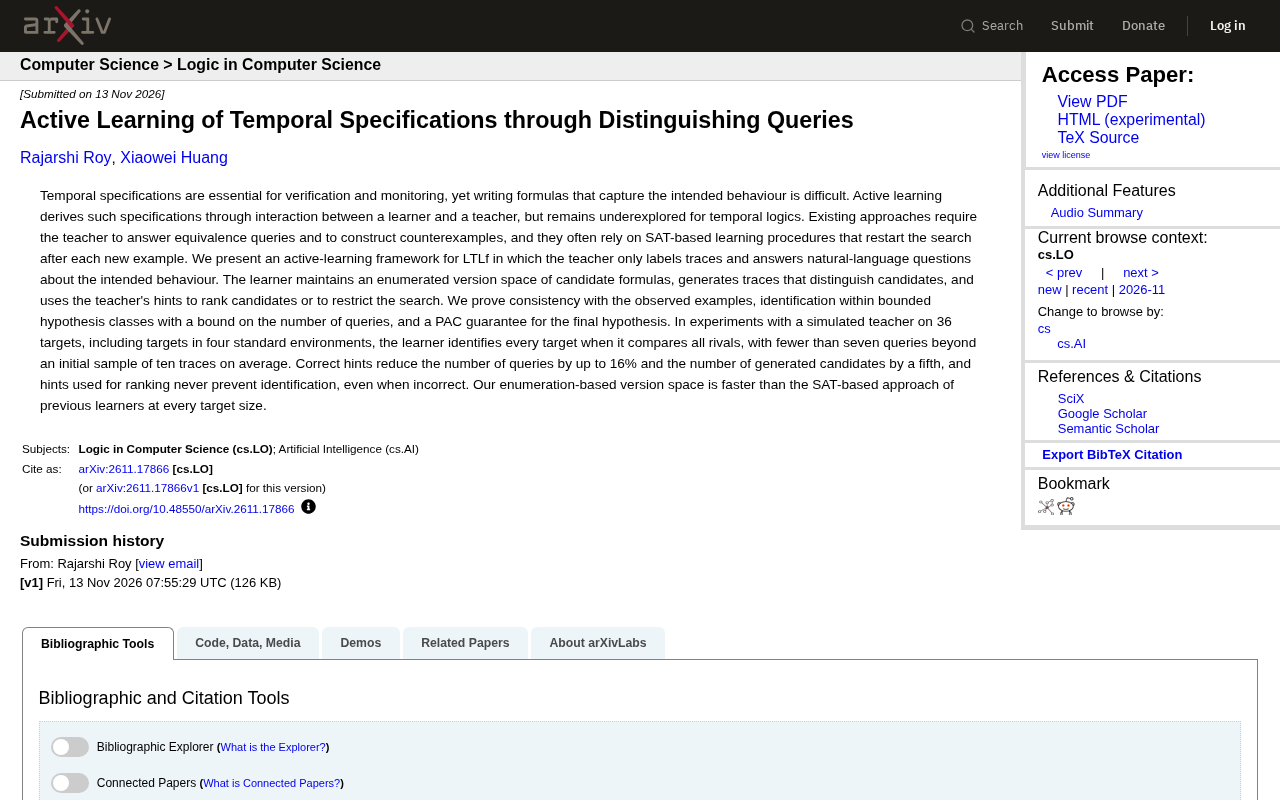
A New Active Learning Framework: Efficiently Learning Temporal Specifications with Discriminating Queries
This article introduces an active learning framework for LTLf where the teacher only labels traces and answers natural-language questions, while the learner efficiently learns temporal specifications via an enumerated version space and discriminating queries. Experiments show high query efficiency, outperforming SAT methods, with theoretical guarantees.
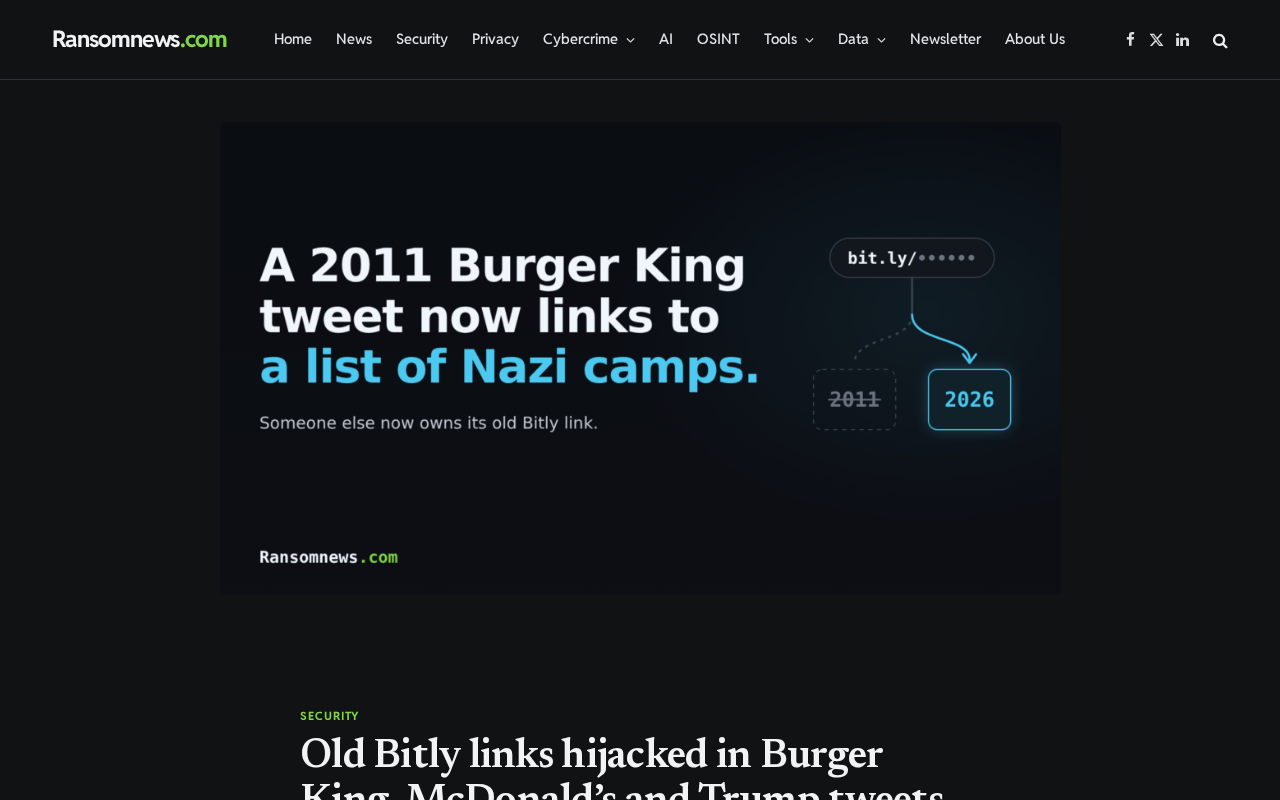
Old Bitly Links Hijacked: A Renewed Security Wake-Up Call
Old Bitly short links being hijacked spark security discussion. This article analyzes potential hijacking paths, cross-verifies multi-source information, and offers security advice for users and enterprises.
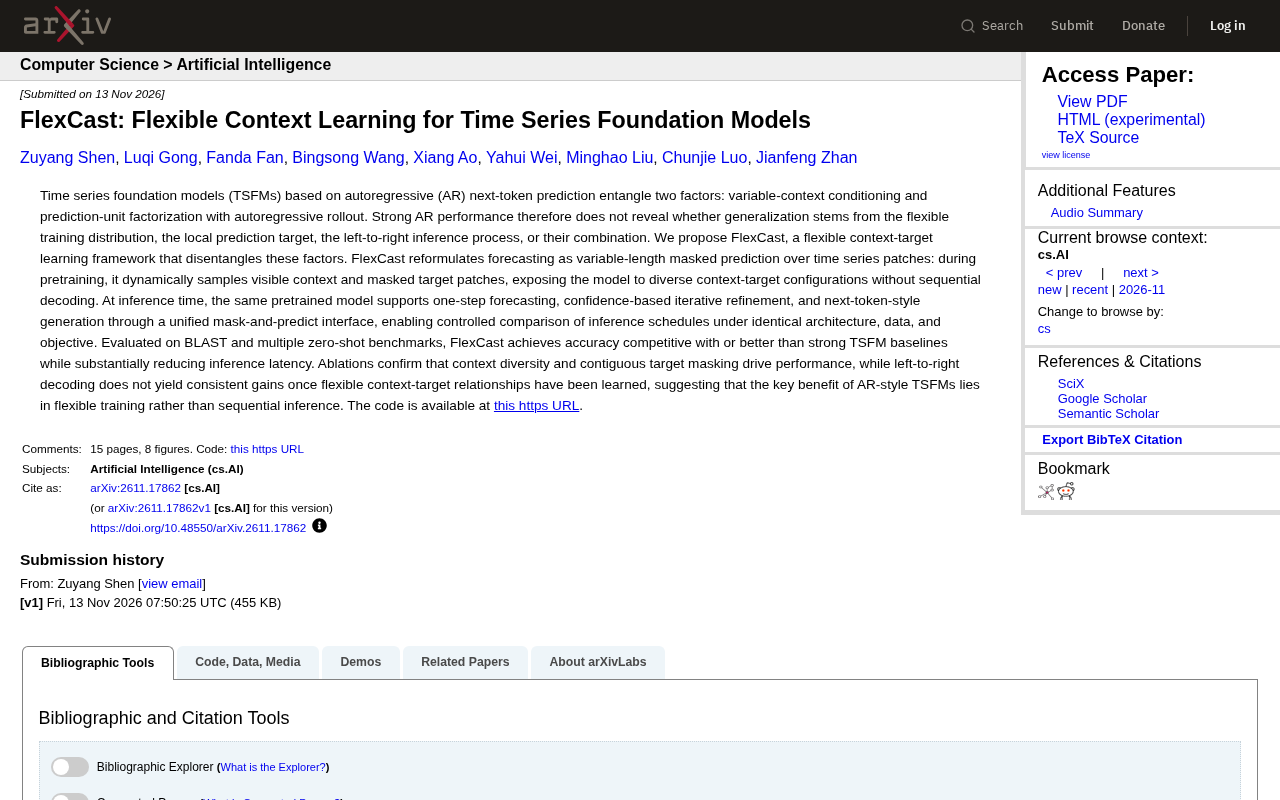
FlexCast: Decoupling Autoregression — A New Paradigm for Time Series Foundation Models
FlexCast decouples context conditioning, prediction targets, and sequential inference in autoregression, proposing flexible in-context learning for time series foundation models.

Qwen4-Max Lands on AI Gateway: Native Vision + One-Million-Token Context
Alibaba's Qwen4-Max launches on AI Gateway as the first Qwen4 reasoning model, with native vision, a 1M-token context, Blender/Unity/Godot tool use, MCP calls, and long-horizon agent tasks.
Protomaps: Making Self-Hosted Map Tiles Cheap and Simple
Protomaps makes self-hosted map tiles cheap and simple: the PMTiles format eliminates databases and tiling services, so static hosting can serve global map data. Drawing on Hacker News discussion, this article analyzes its technical trade-offs, cost advantages, and suitable use cases.
inside-llm: An Open-Source Tool That Peeks Inside LLMs and Compares Quantization Differences Token by Token
inside-llm is an open-source tool that loads GGUF models via llama.cpp and visualizes LLM internals in the browser, comparing two quantizations token by token with sampling chains, candidate distributions, entropy, and KL divergence.
Quadruped Robots + Robotic Arms Play Capture the Flag? The Tag of Flag Concept Demo
A robotics enthusiast proposes Tag of Flag: quadruped robots with robotic arms grab flags off each other's backs. The demo video shows CD-07B successfully grabbing a flag, with draft rules requiring ST3215 servos, ROS2, and PLA, aiming to promote a new form of robot locomotion.
Cursor Discloses Supply Chain Attack: Stolen Fireworks AI Key Used to Plant Trojanized Claude Code Extension
Cursor discloses a supply chain attack: a stolen Fireworks AI API key was embedded in a trojanized Claude Code VS Code extension, causing developers to run agents with poisoned credentials. The incident exposes structural gaps in agent toolchain credential integrity, including static key injection, lack of per-call validation, and no binary attestation.
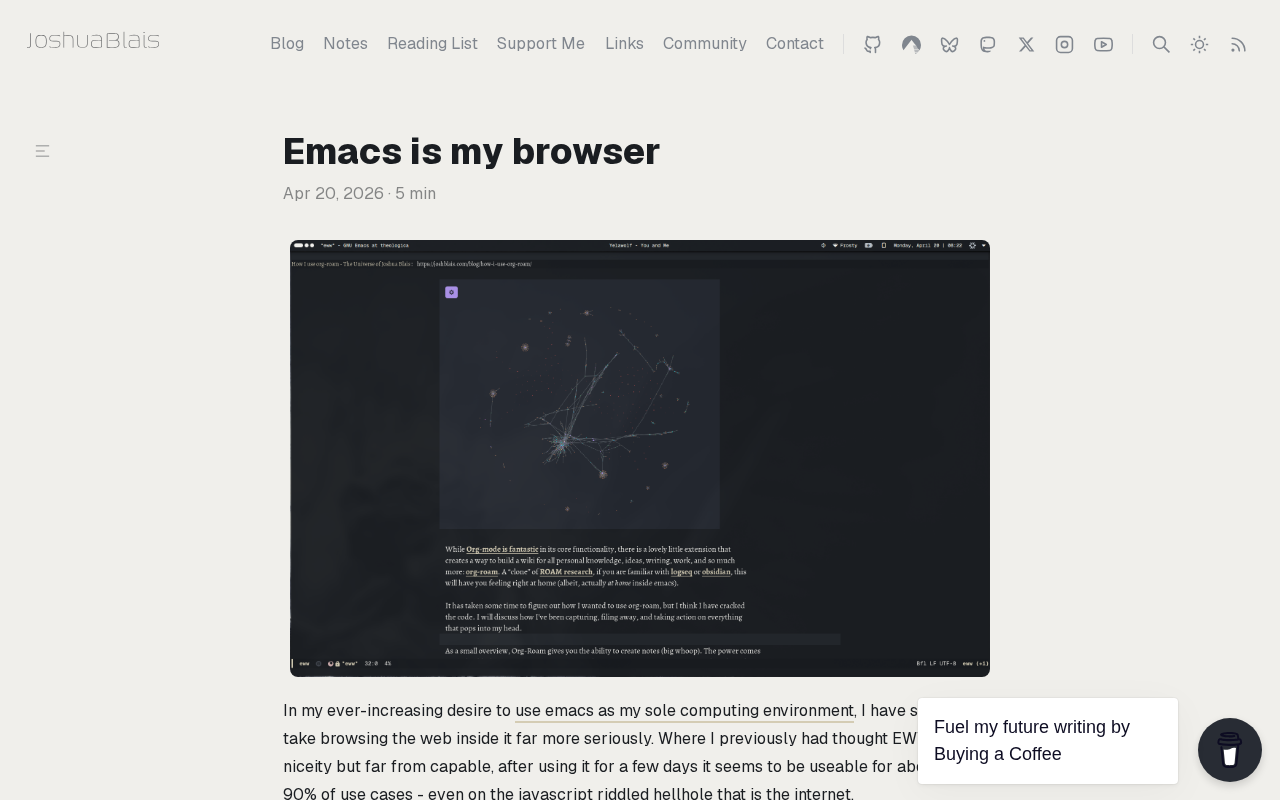
Using Emacs as a Browser: A Geek's Alternative Way to Surf the Web
Hacker News hot discussion: a developer uses Emacs as a daily browser. This article analyzes the motivation, technical paths (eww, shr, etc.), practical advantages and limitations, and the programmable tool philosophy behind it.