Deep Dives
In-depth AI analysis, industry observations, and technical insights — slow down and read.
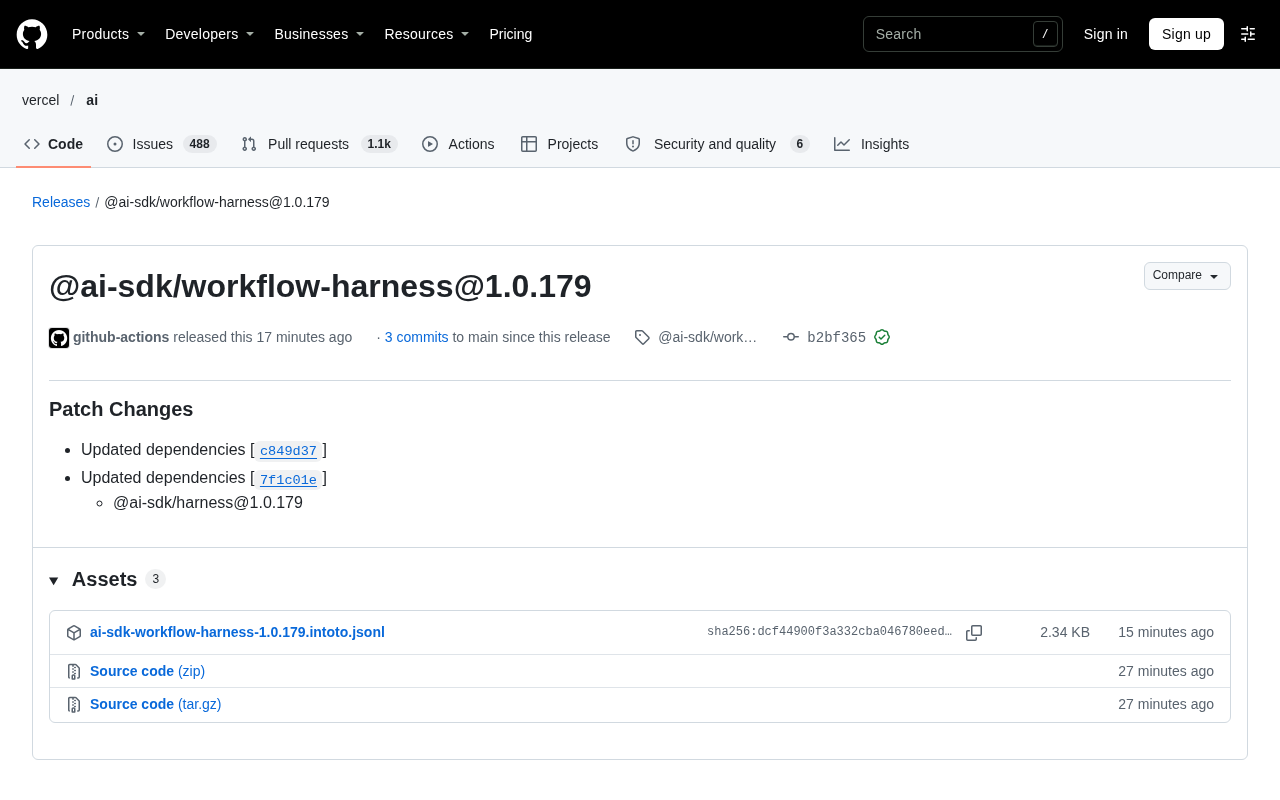
@ai-sdk/workflow-harness 1.0.179 Released: Dependency Patch Update
@ai-sdk/workflow-harness releases patch version 1.0.179 with two dependency updates and a synchronized @ai-sdk/harness upgrade. Release overview, patch change meaning, and upgrade advice.
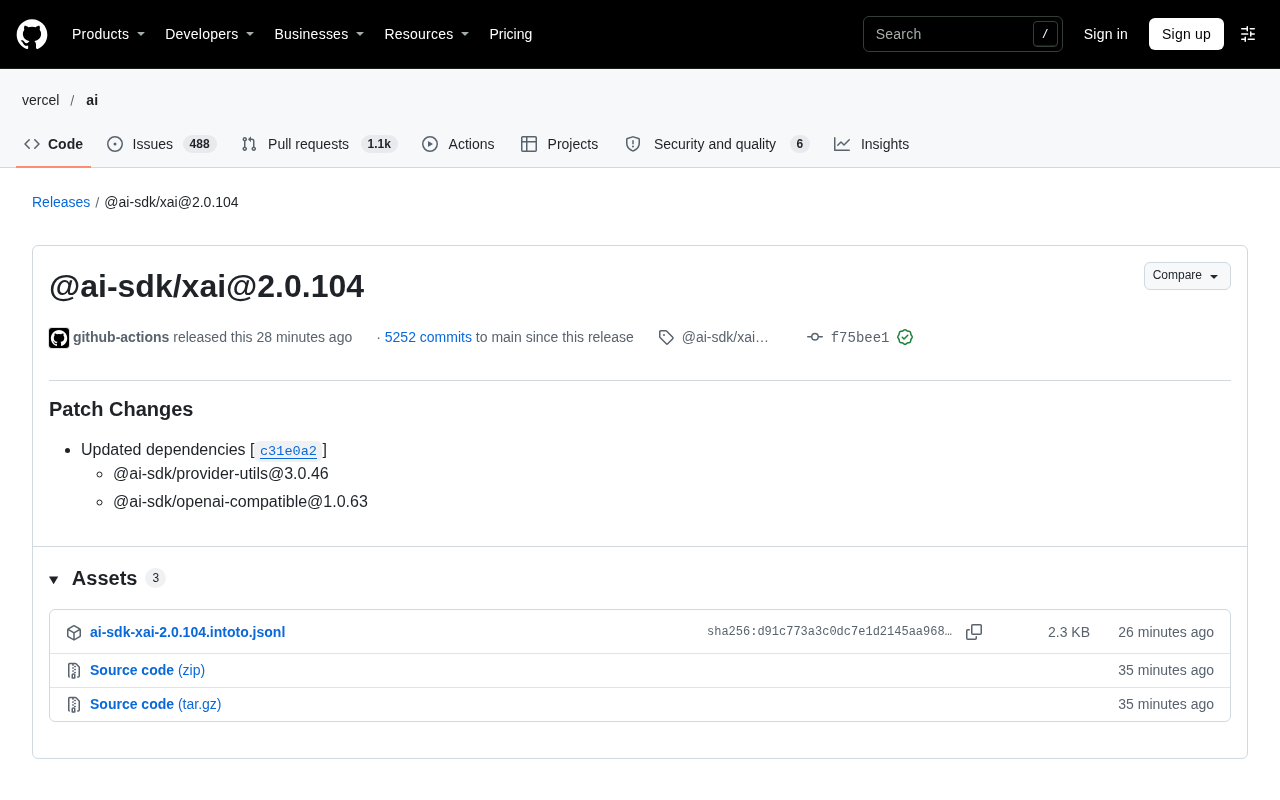
@ai-sdk/xai 2.0.104 Patch Release: Coordinated Dependency Updates
@ai-sdk/xai releases patch version 2.0.104, syncing provider-utils to 3.0.46 and openai-compatible to 1.0.63. Here's what this coordinated dependency update means for developers.
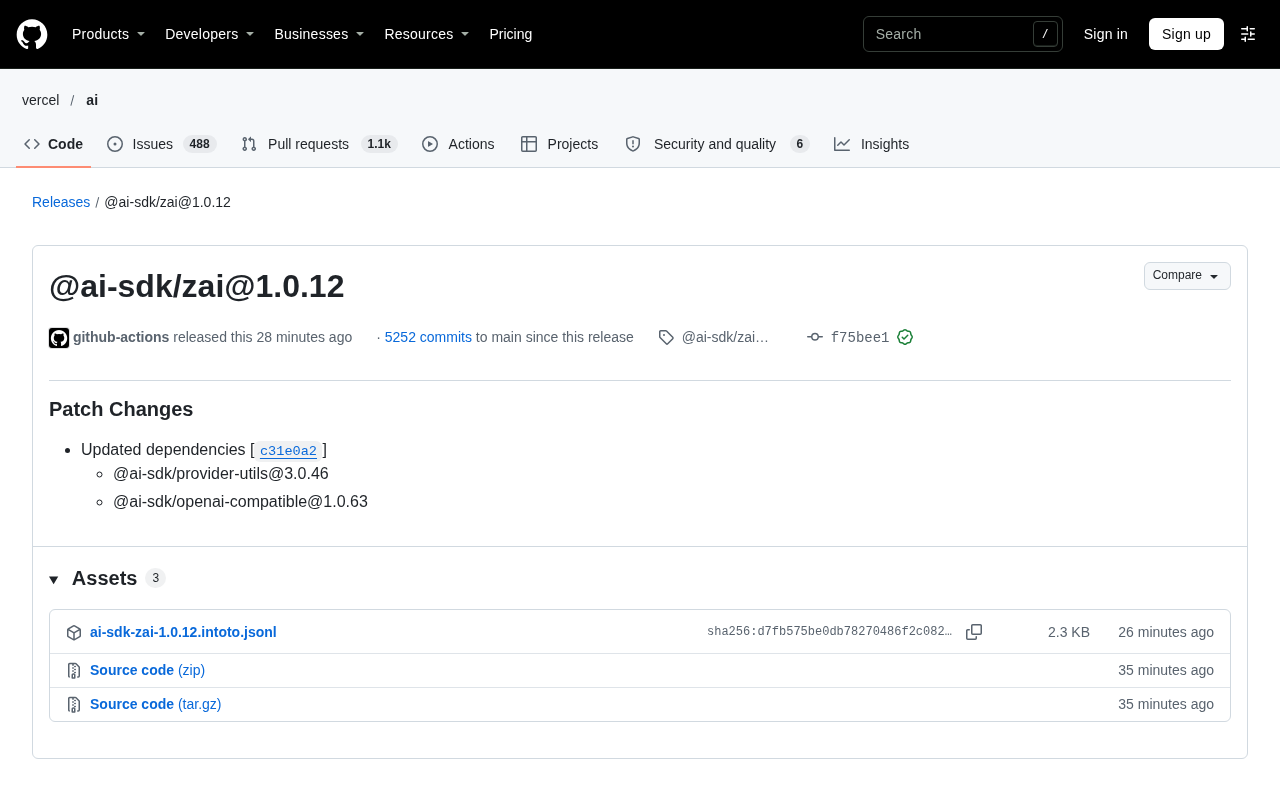
ZAI Adapter Patch Release in Vercel AI SDK: A Dependency Chain Upgrade Explained
Explaining the @ai-sdk/zai@1.0.12 patch release in Vercel AI SDK: only updates two dependencies, provider-utils and openai-compatible. A maintenance version — impact and upgrade advice in one article.
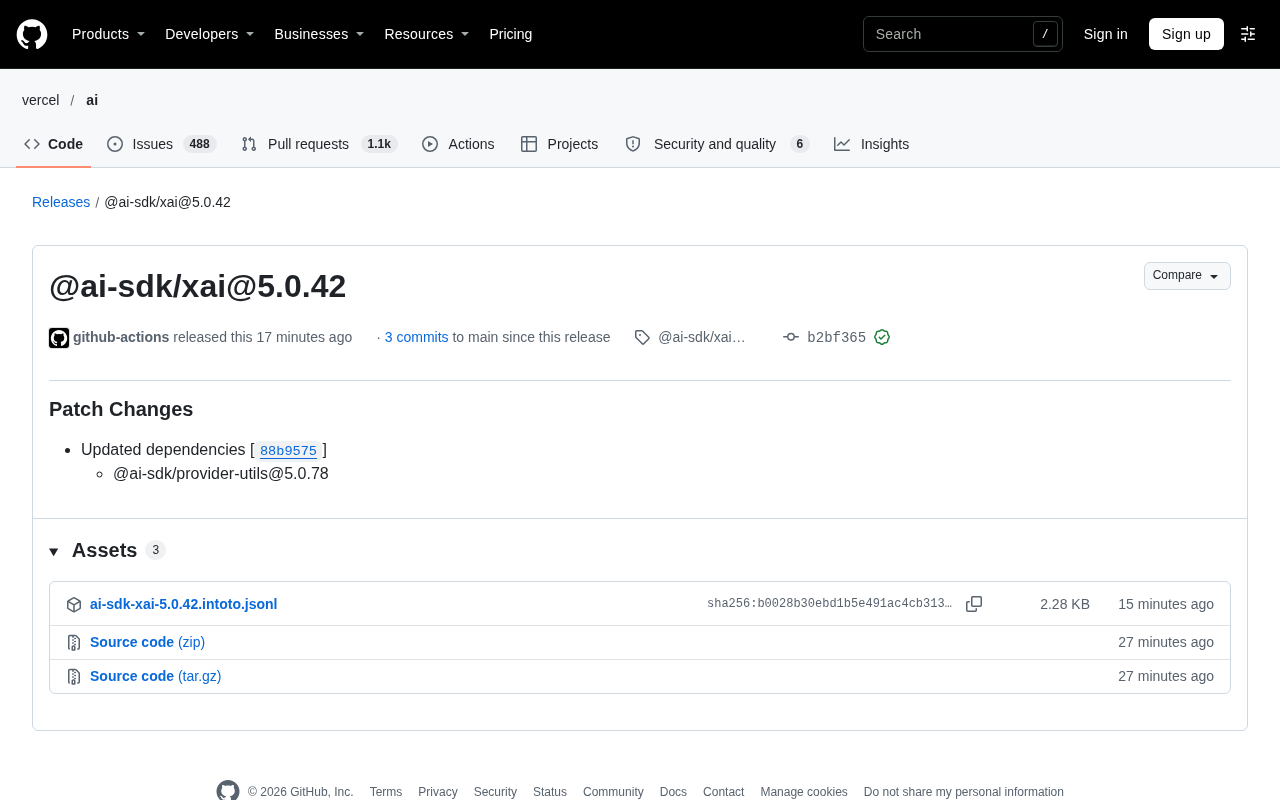
@ai-sdk/xai 5.0.42 Patch Release: Behind the Dependency Update
@ai-sdk/xai 5.0.42 patch released, upgrading the dependency @ai-sdk/provider-utils to 5.0.78. This article explains the content of this dependency-driven update, its impact on developers, and upgrade recommendations.
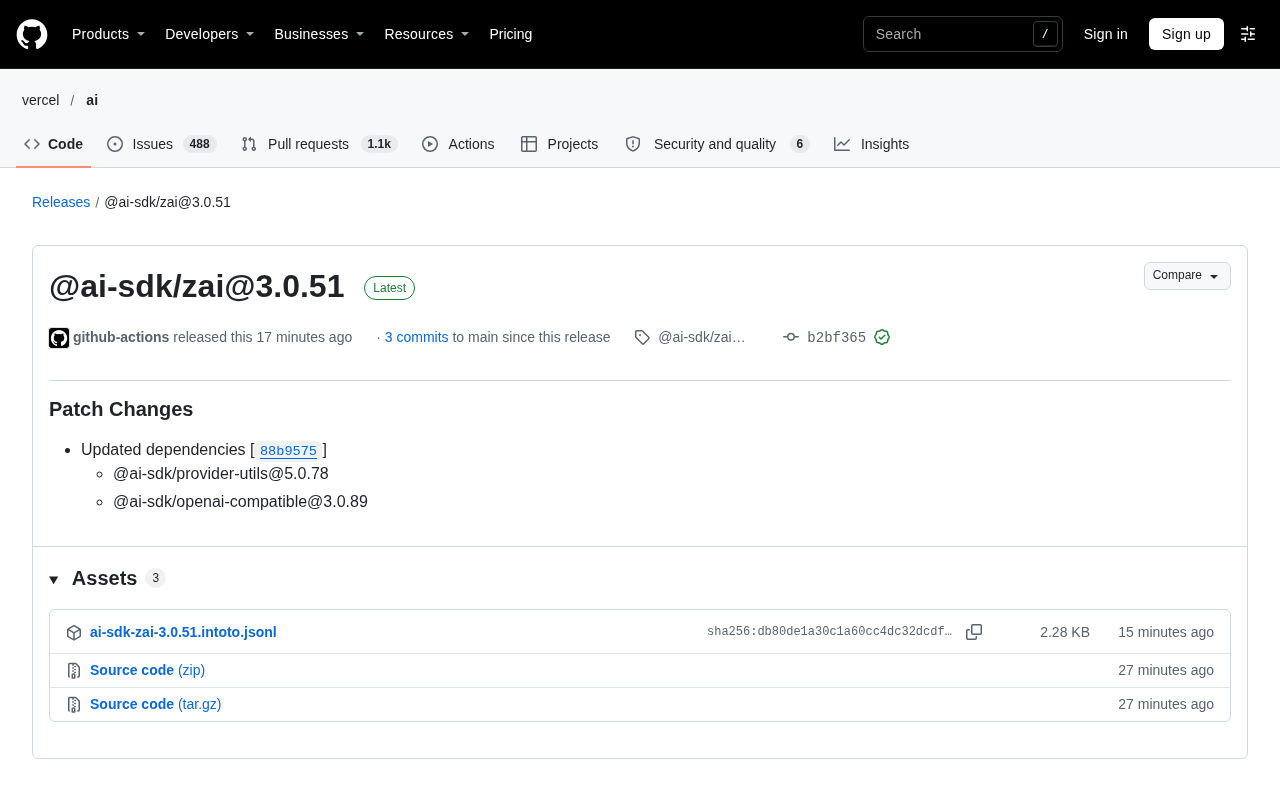
@ai-sdk/zai 3.0.51 Patch Analysis: The Right Way to Integrate Z.ai with AI SDK
An analysis of the @ai-sdk/zai 3.0.51 patch release: it updates provider-utils 5.0.78 and openai-compatible 3.0.89 dependencies, with practical impact, upgrade guidance, and dependency-tree troubleshooting advice for developers integrating Z.ai with AI SDK.
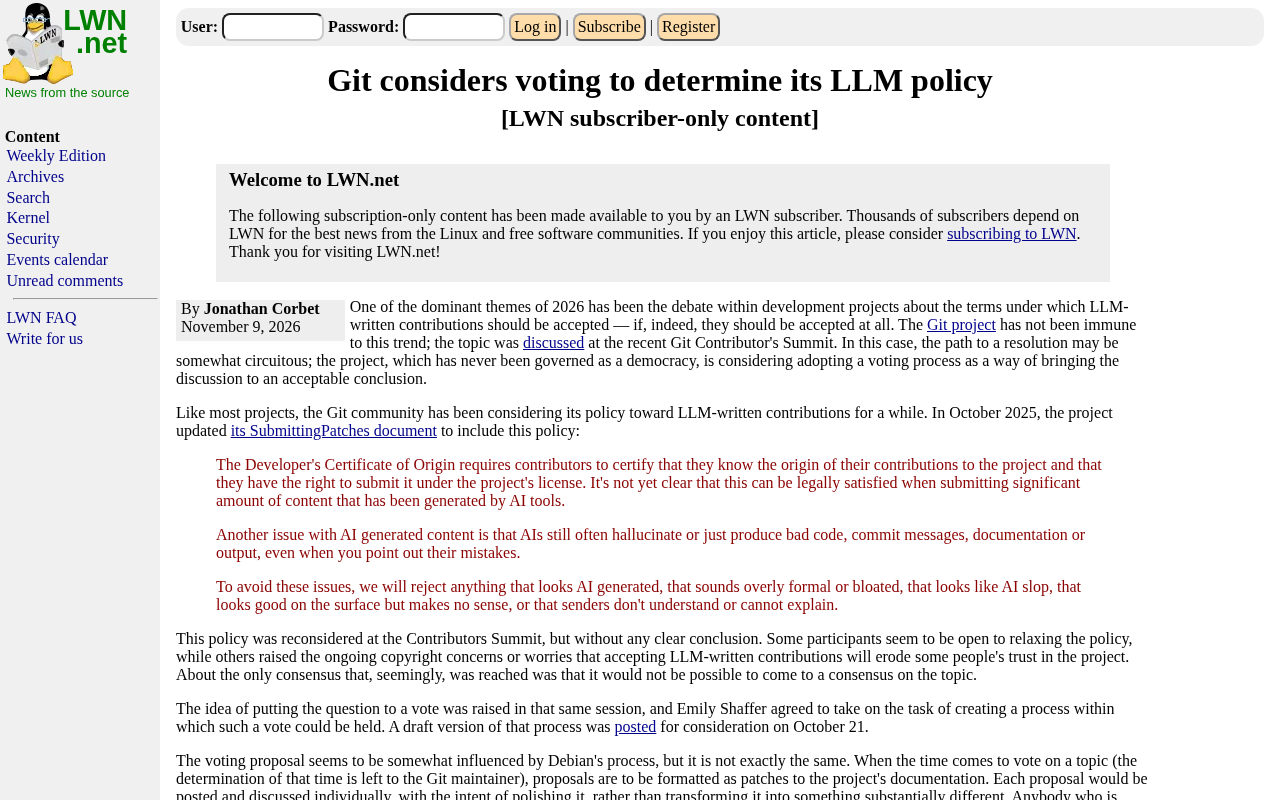
Git Community Considers Vote: How LLM Policy Could Shape the Future of Open Source
The Git community is weighing a vote to set its LLM policy, sparking new debate on open source governance. This analysis covers contributor usage norms, disclosure duties, governance risks, and potential ecosystem impact.
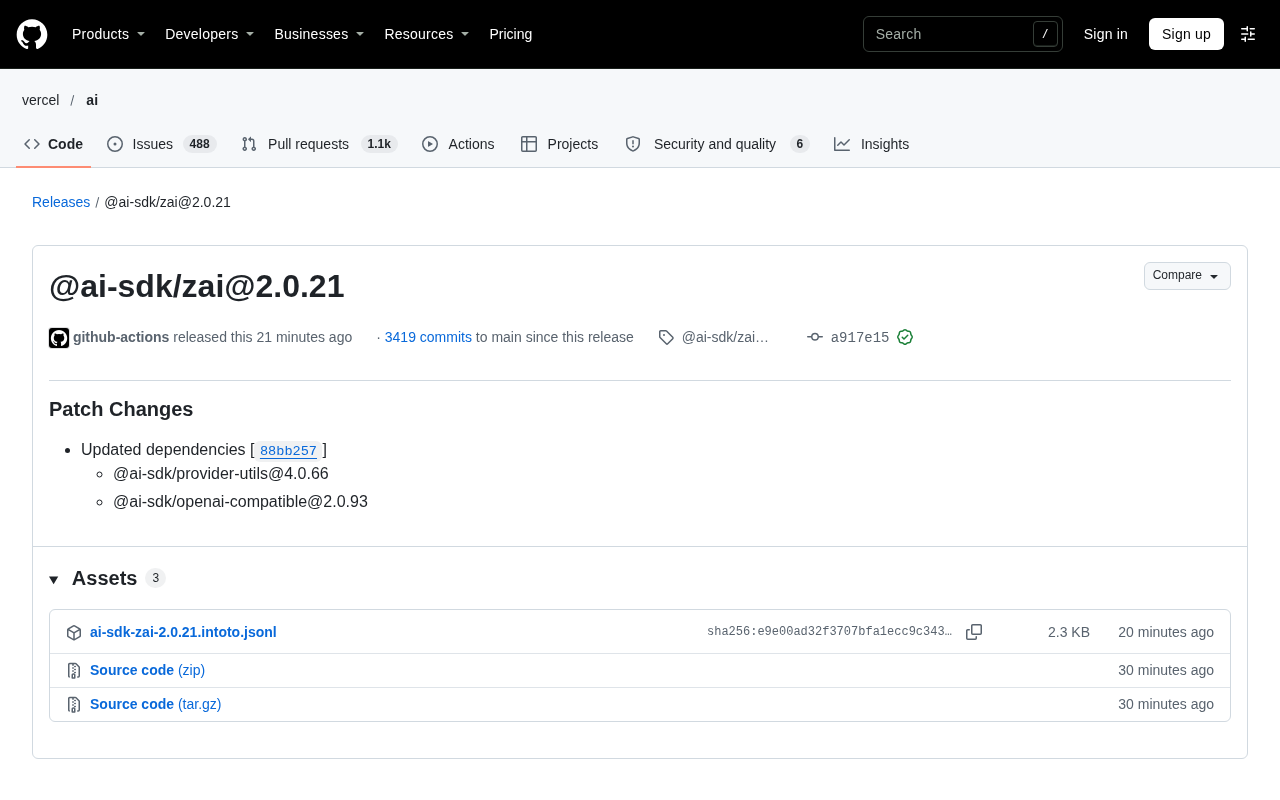
@ai-sdk/zai 2.0.21 Patch Released: Dependency Updates and Ecosystem Synergy
Analysis of the @ai-sdk/zai 2.0.21 patch release, covering @ai-sdk/provider-utils and @ai-sdk/openai-compatible dependency upgrades, practical impact on developers, and the AI SDK ecosystem's iteration cadence.

Seven Years of Evolution: How Far Has the Foldable Come From the First Generation?
From the first foldable to today's latest models, what has seven years changed? Shallower creases, higher brightness, thinner bodies, and smoother software migration—has the foldable crossed the chasm from enthusiasts to ordinary users? This article discusses the question based on a video comparison.

When Did Humans Start Eating Salt? A 10,000-Year History of Salt
When did humans start eating salt? From salt use at the dawn of agriculture 11,000 years ago to ancient seawater evaporation and rock salt mining, and on to the salt trade, salt taxes, and Gandhi's Salt March, this article traces salt's key role in human civilization.
Microsoft Paza Research: How African Language Speech Recognition Breaks Through Architecture and Data Bottlenecks
Microsoft's Paza research evaluates 53 speech models across 39 African languages, revealing architecture choice matters more than pre-training coverage, 200-300 hours is the practical data threshold, and language typology deeply influences recognition performance.
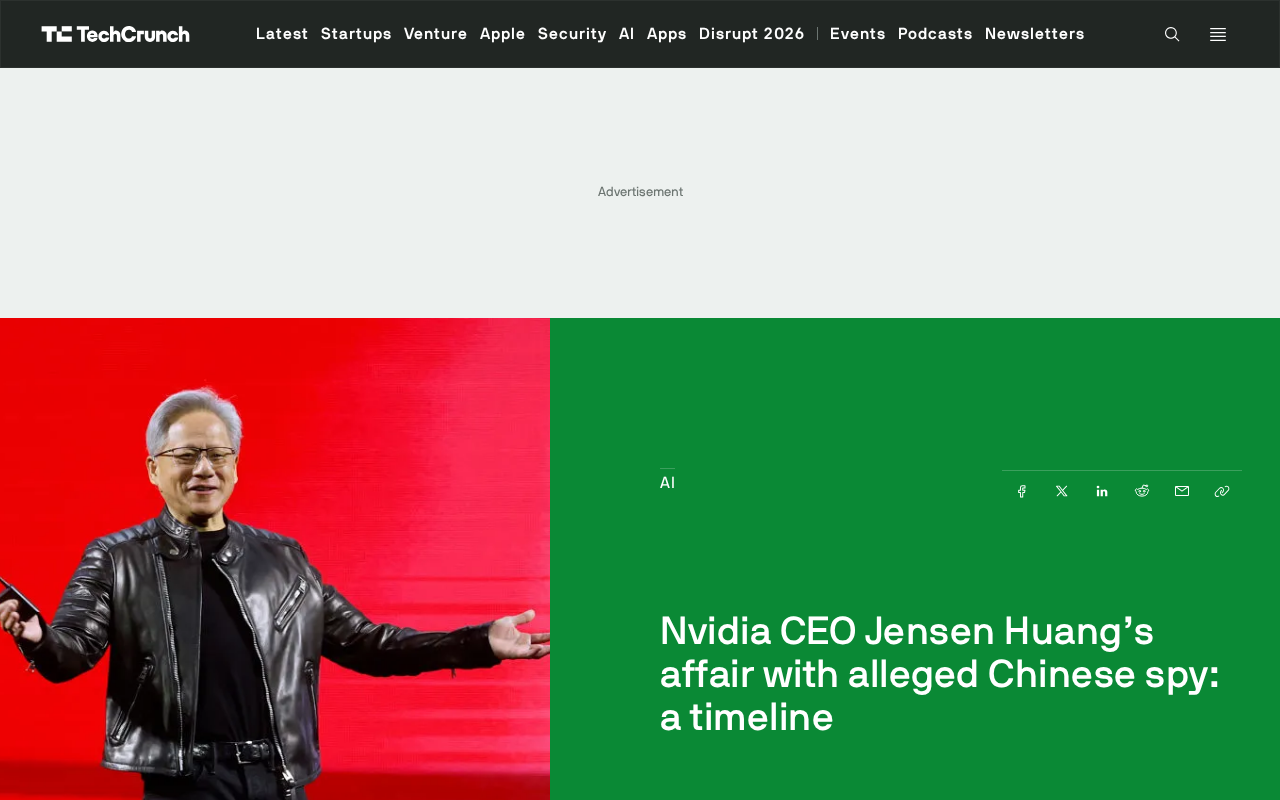
Timeline of Nvidia CEO Jensen Huang's Alleged Affair with a Purported Chinese Spy
Reports claim Nvidia CEO Jensen Huang had an affair with an alleged Chinese spy; a timeline notes possible national security concerns amid the U.S.-China AI race, though details remain unverified.
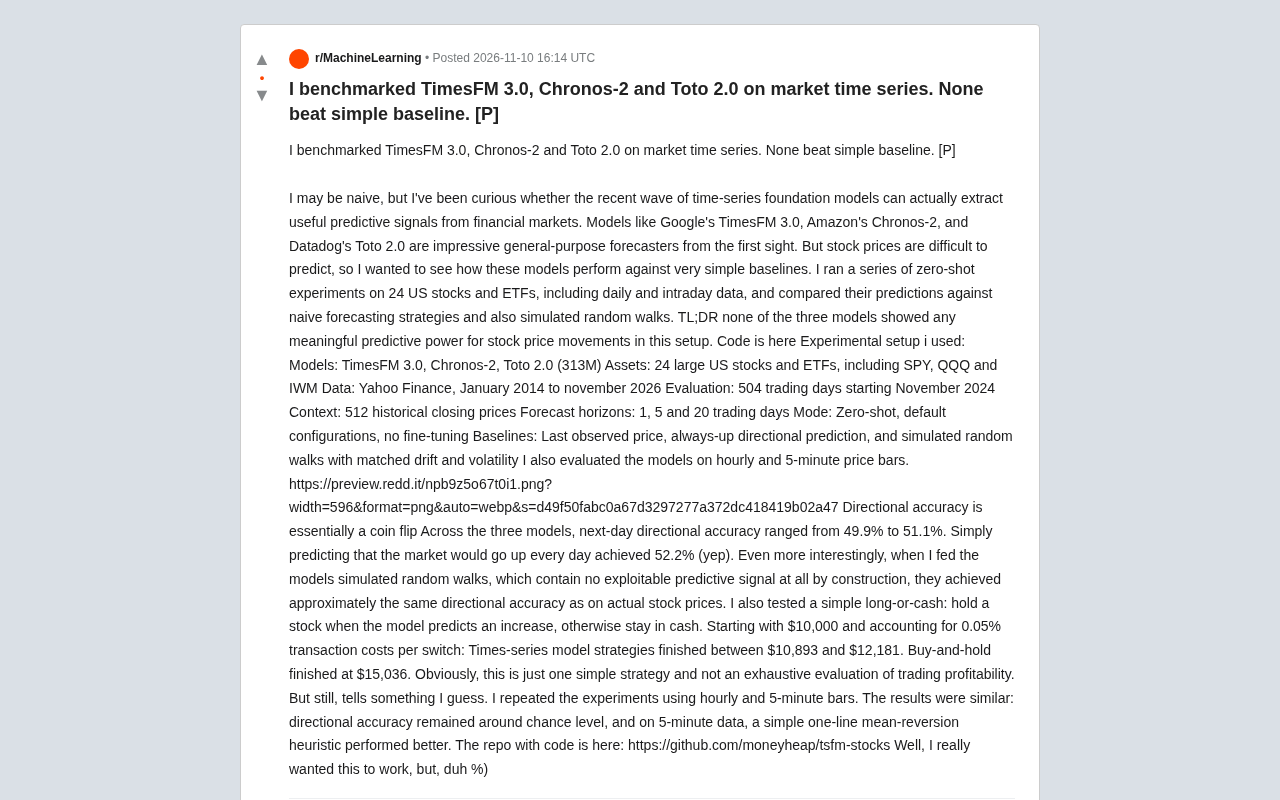
Putting TimesFM 3.0, Chronos-2, and Toto 2.0 to the Test: Time-Series LLMs Can't Beat Simple Baselines
A developer's zero-shot benchmark of TimesFM 3.0, Chronos-2 and Toto 2.0 on 24 U.S. stocks and ETFs: directional accuracy of just 49.9%-51.1%, and simulated trading underperformed buy-and-hold. Time-series foundation models show no edge over simple baselines on financial data.
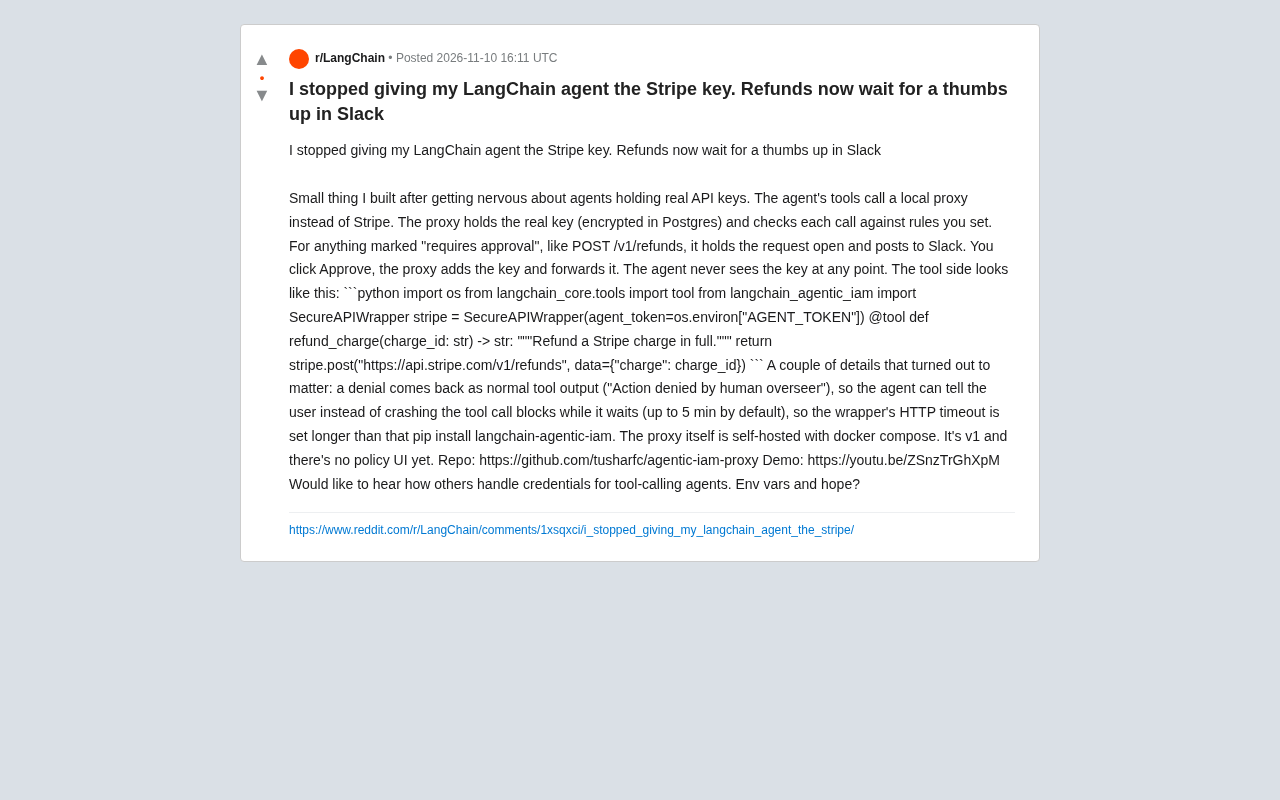
LangChain Agents No Longer Hold Stripe Keys: Refunds Require Slack Approval
A developer shares a credential management approach for LangChain agents: agents don't hold Stripe keys, and sensitive operations like refunds are forwarded through a local proxy and only executed after human approval in Slack, with code examples and engineering details.
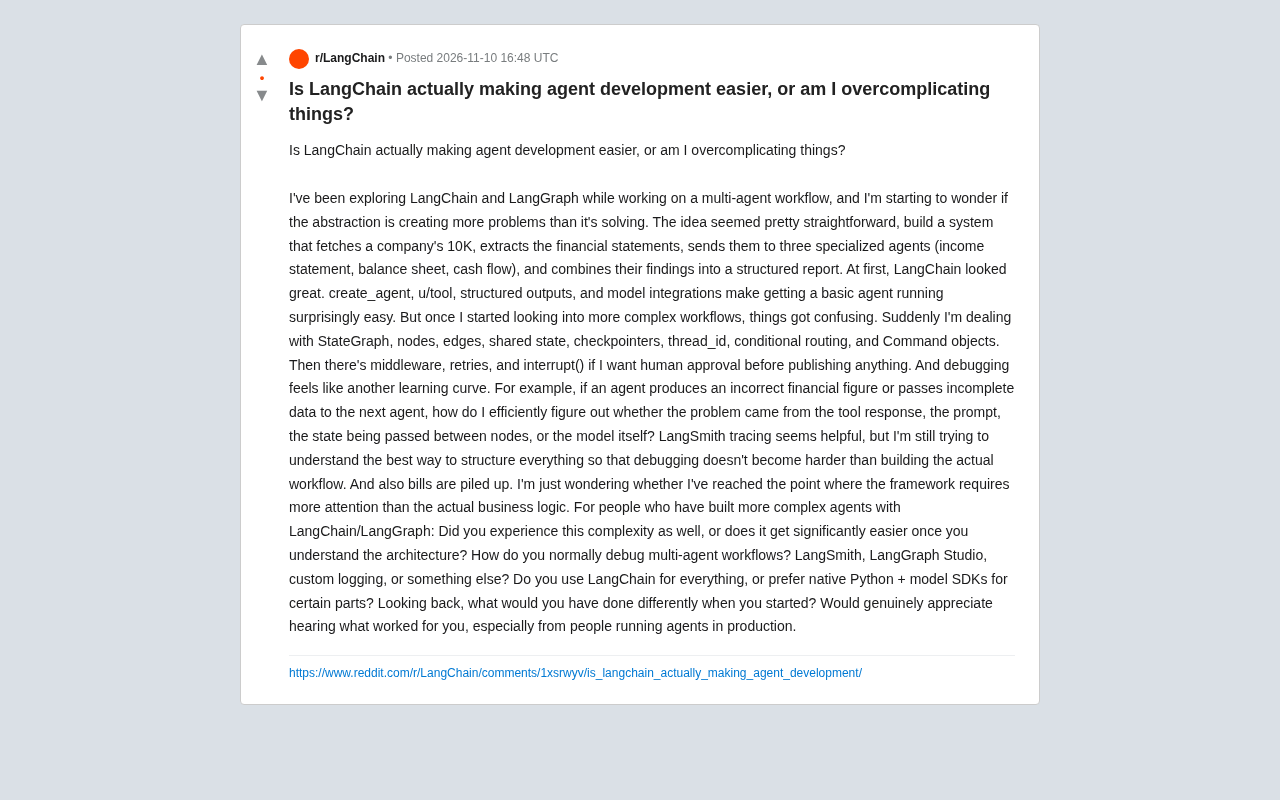
Does LangChain Really Make Agent Development Easier? A Developer Reflects on the Cost of Abstraction
A Reddit developer reflects on the abstraction cost of LangChain and LangGraph in multi-agent workflows: easy to start, but StateGraph, state management, debugging, and cost control add new complexity. The discussion covers debugging methods, whether to mix native Python + model SDKs, and production trade-offs.

Zyphra Open-Sources ZONOS3-Mini: A 100M Active Parameter Speech Synthesis Model
Zyphra open-sources the ZONOS3-Mini TTS model: 800M total / 100M active sparse architecture, voice cloning, word-level control, real-time browser execution, Apache 2.0.

No Cloud Upload Required: Sundrop Uses On-Device AI to Turn Baby Photos into Memories
Sundrop is an iPhone app using Apple's on-device AI to help parents organize baby photos and generate recap videos and time-lapses—all processed locally with no cloud uploads, balancing privacy and intelligence.

The Verge Mother's Day Gift Guide: Practical Tech Product Recommendations
The Verge releases its 2026 Mother's Day gift guide focused on practical tech. This article explains the list's selection logic and how to choose tech gifts that combine practicality and emotional value based on Mom's daily needs.

Gemini 4 Carbon Released: AI Agent Swarm Feature Draws Attention
Google officially releases Gemini 4 Carbon, billed as its most powerful model ever, introducing an agent swarm feature to compete with Anthropic and OpenAI. This article reviews the release cadence, feature highlights, and industry impact.

Gemini 4 Carbon Lands on AI Gateway: 1M Context + 50% Off
Gemini 4 Carbon is now on AI Gateway with a 1M token context, built for complex software engineering and agentic tasks. Get 50% off through Nov 30, 2026.

eBay Blocks Third-Party AI Agents: Smart Shopping Meets Platform Walls
eBay allegedly blocks Meta Muse and other third-party AI agents from browsing product listings. This incident reveals the control struggle between AI agents and e-commerce platforms, affecting automated shopping experiences and the developer ecosystem.