#AI编程
9338 related articles

DeepSeek Super Agent: Five Hands-On Tests — It Fixes Bugs, But Also Acts on Its Own
DeepSeek Super Agent tested on five GitHub tasks: fixes bugs in 52s, stays restrained on vague input, yet makes product decisions on its own and can silently miss @ messages. Speed comparison, security tips, and an 11-cent cost breakdown.

DeepSeek Harness Source Code Deep Dive: Everything as a Plugin and Main Loop Design
A deep dive into DeepSeek Harness, the open-source Agent framework: the everything-is-a-plugin philosophy, startup flows for installed and source versions, and architecture clues.
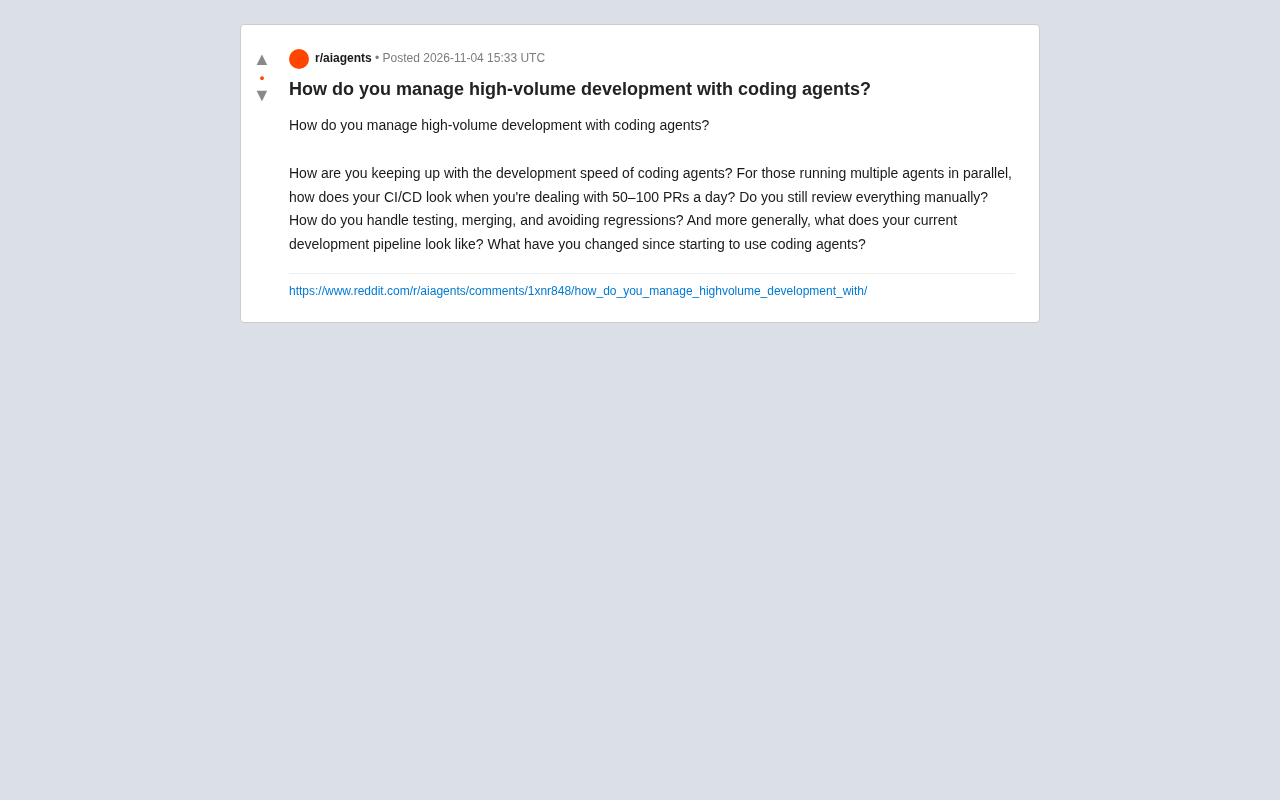
When AI Agents Generate Hundreds of PRs a Day, How Should the Development Workflow Be Restructured?
Coding agents boost development speed by an order of magnitude, making 50-100 PRs a day the norm. This article explores how teams should restructure CI/CD, testing, and review processes to handle bottlenecks and risks from high-throughput development.
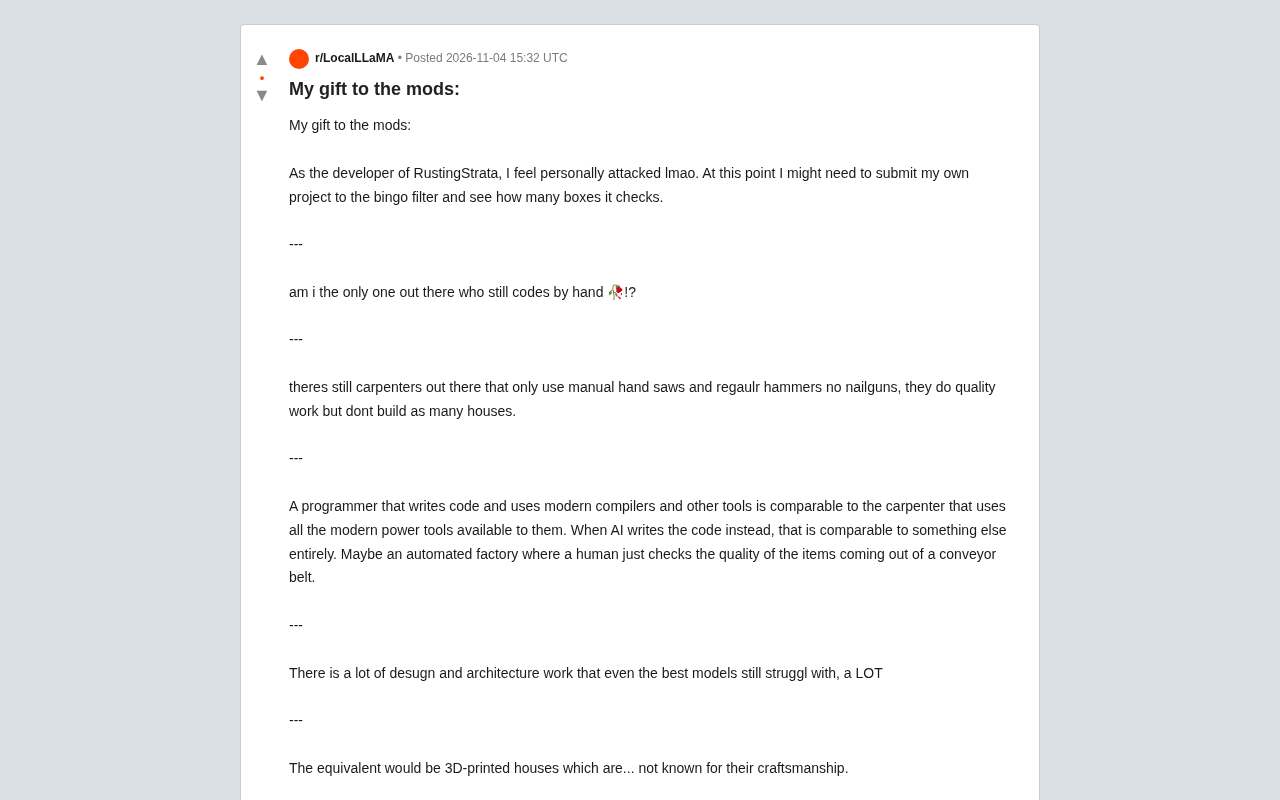
Is AI Code Generation Like Prefab Cabinets? Developers Debate the Boundaries of Tools
Reddit developers debate the nature of AI programming: compilers are like power drills, AI like prefab cabinets. The discussion covers hand-coding persistence, design/architecture shortcomings, and the 3D-printed house metaphor, exploring tool boundaries and programming's future.

Why Director Rian Johnson Built His Own iPhone Camera App
Director Rian Johnson built a custom iPhone camera app to recreate the film shooting experience. We analyze his motivations, what it means for mobile photography tools, and the potential impact on AI camera apps.
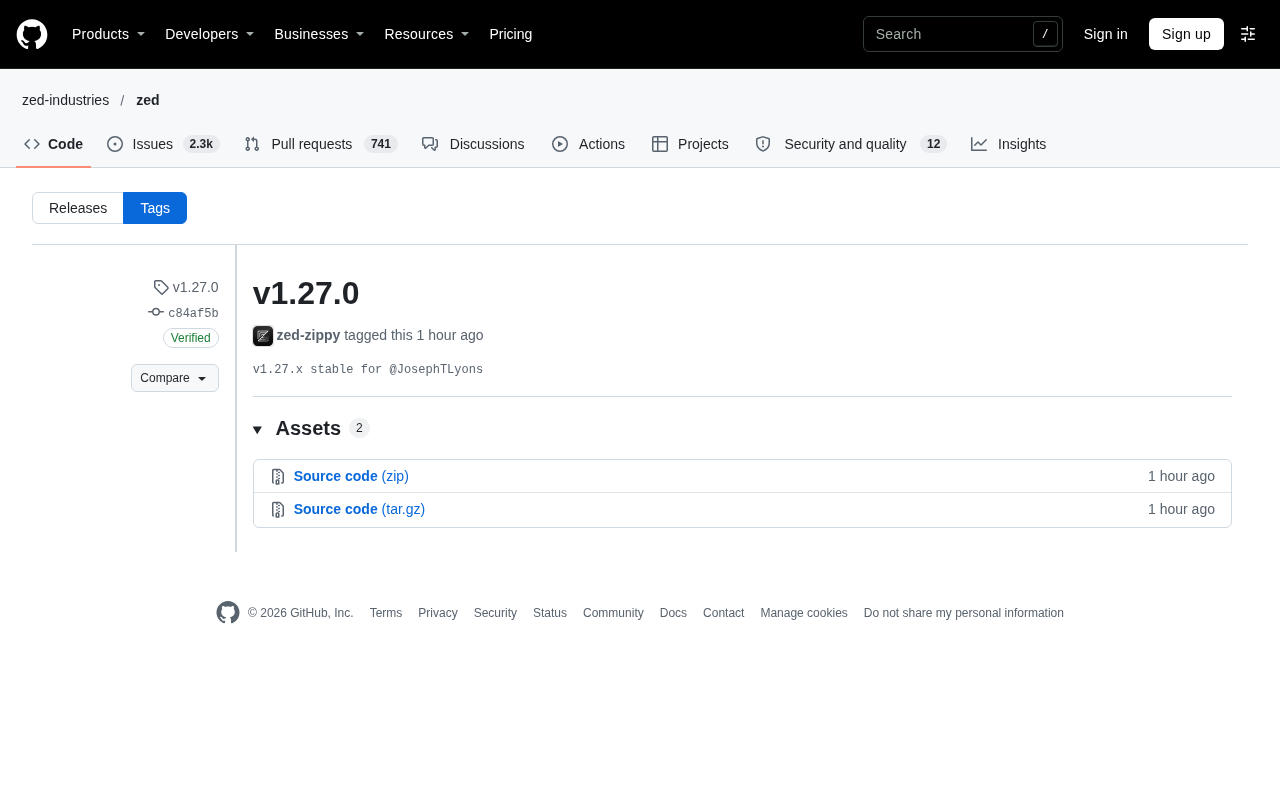
Zed Editor Releases v1.27.0 Stable: Decoding the Release Signals
Zed editor releases v1.27.0 stable on GitHub with a GitHub-verified signed commit, tagged by zed-zippy and marked as the v1.27.x stable branch. This article explains the release process and what it means for users.

OpenAI Acquires Pierre Computer: New Ripples in the AI Coding Tools Race
OpenAI acquires Pierre Computer, stirring new waves in the AI coding tools race. This article analyzes the acquisition background, community reaction, and potential impact on the AI coding tools landscape, with attention to changes in the developer ecosystem.

Shipping New CSS Features Safely: Baseline, Fallbacks, and Feature Queries in Practice
Starting from what Baseline status really means and drawing on Kevin Powell's hands-on experience, this explains strategies for shipping new CSS features safely: progressive enhancement, fallbacks, @supports queries, polyfill trade-offs, and lessons for AI-assisted coding.
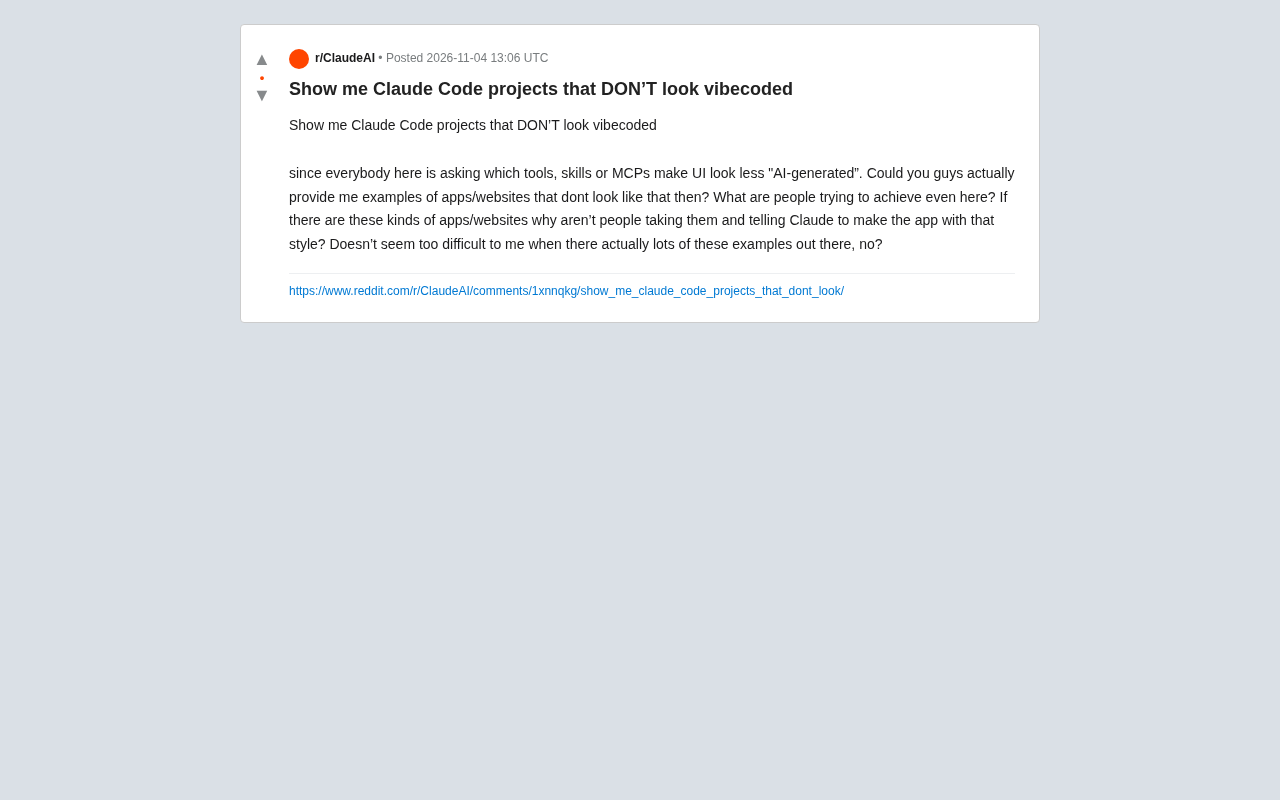
Beyond the "AI Look": How Claude Code Projects Can Escape Homogenized UI
The Reddit community discusses UI homogenization in Claude Code projects and explores how to escape the "AI-generated" look through case studies, style template strategies, and concrete constraints.
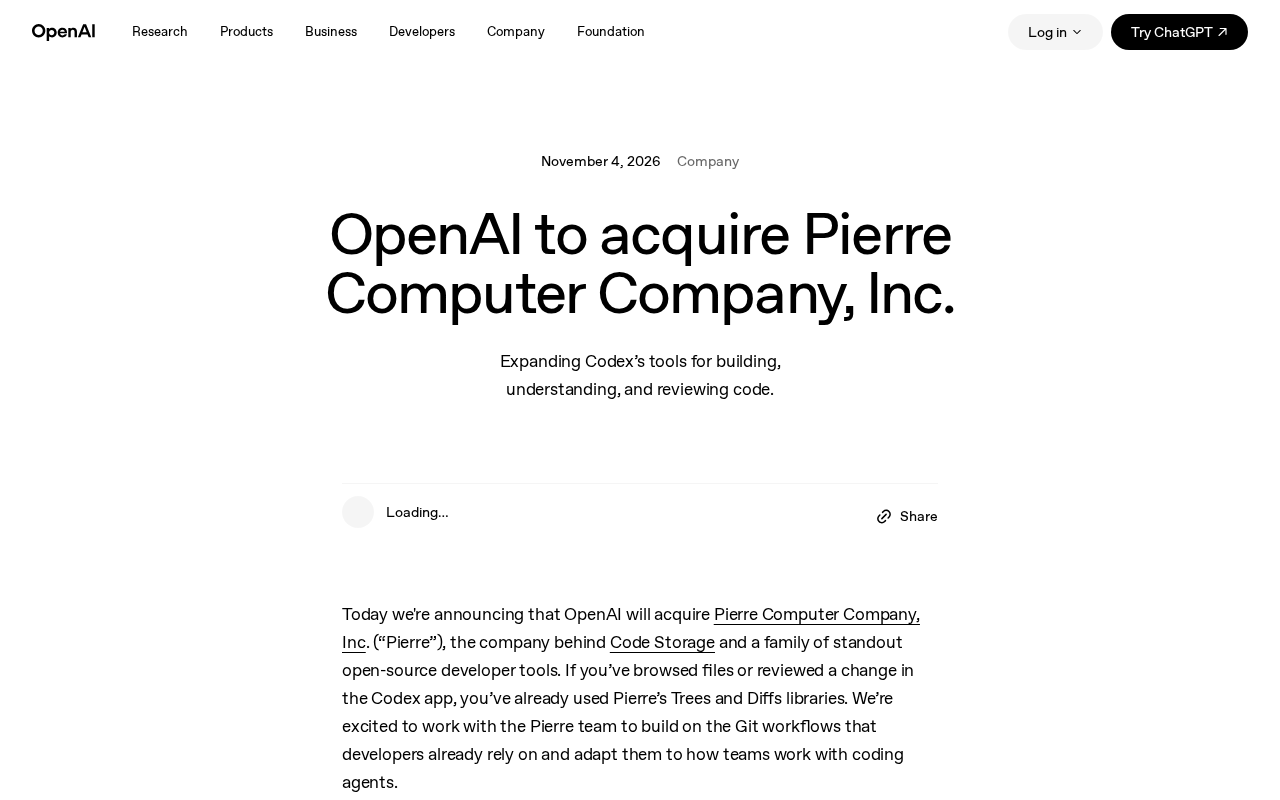
OpenAI Acquires Pierre Computer: Codex Capabilities Expand Further
OpenAI acquires Pierre Computer Company to expand Codex's tools for building, understanding, and reviewing code. This article examines the impact on developer workflows and the code intelligence competitive landscape.

Three Claude Code Mods: Cost Savings, Progress Bars, and File Collision Protection
Three Claude Code mods: Cache Keeper warns before cache goes cold to avoid $2.50 re-reads at 500K tokens; Goal Meter adds a progress bar to Slash Goal; Collision Guard blocks multi-session file overwrites with work tree switching. No coding needed—just describe the requirement and Claude writes it.

5 Cursor Alternatives Worth Trying in 2026: From Zed to Windsurf
Explore five Cursor alternatives worth trying in 2026: Zed, Klein, GitHub Copilot, ClaudeCode, and Windsurf. Learn their features, use cases, and how to choose the best AI coding tool for you.

Polymorphic Inference: Making Inference Engines Self-Adaptive Like Living Organisms
Polymorphic Inference offers self-tuning inference in response to constant changes in models, traffic, and chips. Together Compiler uses AI agents to keep production inference tuned. This article analyzes its approach and its significance for the open-source inference ecosystem.
Codex Training Setting Re-Enabled? Check These Two Switches
Developers report OpenAI Codex model training settings may have been re-enabled. This article compares official documentation to break down the main training switch and the often overlooked "Include environments" second switch, and provides a five-minute self-check list to help you confirm whether your data has truly exited training.
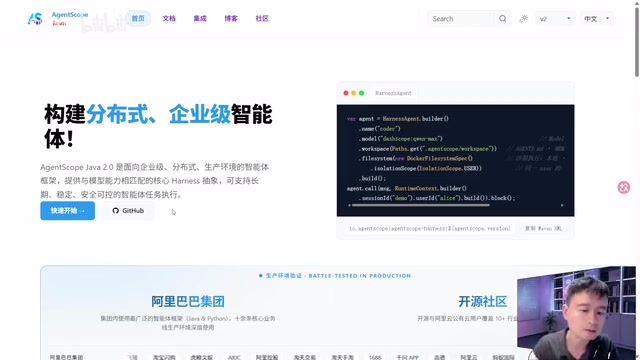
AgentScope 2.0 in Practice: A Guide to Enterprise-Level AI Agent Development in Java
AgentScope 2.0 is Alibaba's Java enterprise-grade distributed agent framework. This article explains why it suits server-side AI applications, contrasts client-side AI apps in permissions, state management, and concurrency, and outlines a practical learning path from environment setup to project integration.

Cloudflare Open-Sources AI Code Security Audit Tool, Hits 60K Stars
Cloudflare open-sources Security Audit, giving AI coding agents free security auditing. Three-step workflow: app mapping, multi-agent adversarial bug hunting, and three-tier classified reports—born from an internal vulnerability hunting system, with nearly 60K stars.

GPT-6 Astra's Weight-Reading Trick: Only for Small Networks, Practical Value Comes from Writing Code
GPT-6 Astra can read network weights directly, but without tools it is limited to small networks of ~170K weights. Fixing QUEN 3.5 0.8b's reasoning loop required Python and 50 batches; game identification took nearly an hour. This article maps the capability's boundaries and two security reminders.
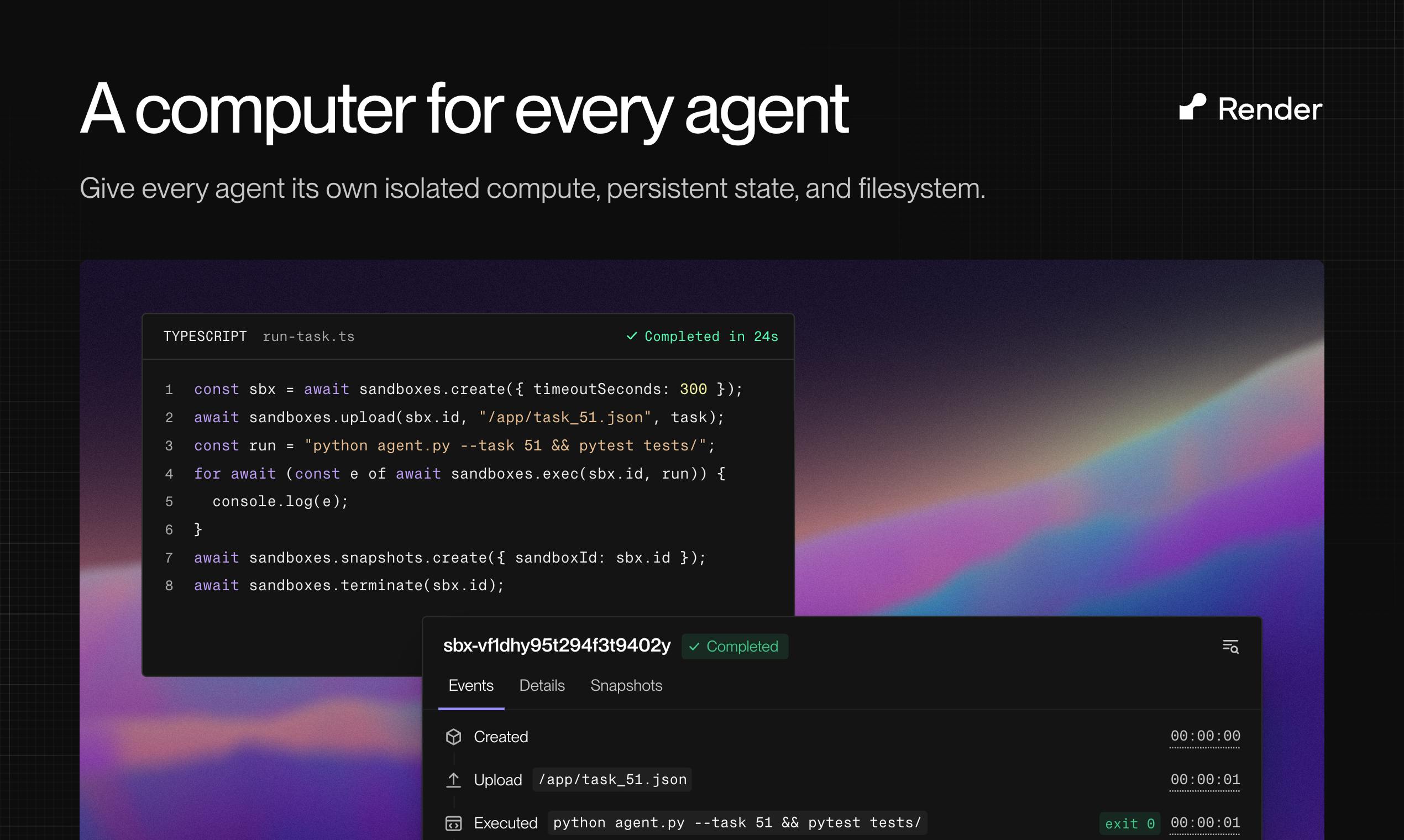
Render Sandboxes: A Dedicated Linux Computer for Every AI Agent
Render Sandboxes gives each AI agent a dedicated Linux computer with sub-second startup, idle suspension to stop billing, domain-level network control, Claude Code and Codex support, and thousands of concurrent sandboxes on one platform.

Get SMS Alerts for Codex Quota Resets and Stop Wasting Usage | Reset Alerts
Reset Alerts is a free tool that sends SMS and Telegram reminders when OpenAI Codex usage resets, helping developers use up remaining requests before the reset. No app needed—just text START to subscribe.
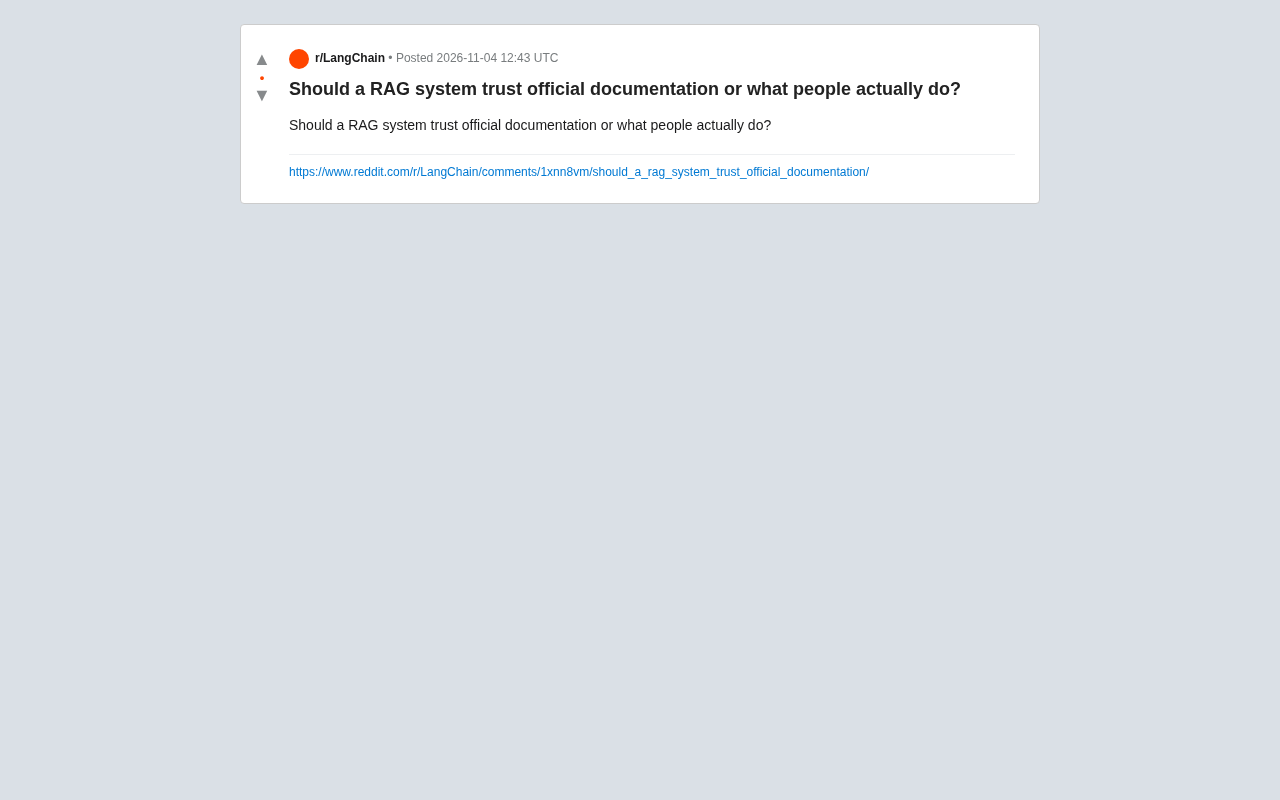
Should RAG Systems Trust Official Documentation or Community Practice?
A Reddit discussion raises the question: how should RAG systems choose between official documentation and community practice? This article analyzes retrieval weighting dilemmas and explores layered retrieval and multi-source fusion approaches to help RAG developers build knowledge-source governance strategies.