#Agent开发
127 related articles
From Zero to Agent Developer in 7 Days: A Deep Dive into Bilibili's 748-Episode Tutorial Series
A deep dive into Bilibili's 748-episode Agent app development tutorial: from zero foundation to enterprise deployment, covering how Agents differ from ordinary AI chat, MCP integration, customizing open-source projects, and the full deployment pipeline, with a learning roadmap and hands-on cases to help you get started with AI agents in seven days.

Build an Agent Yourself: The Best Path to Understanding AI Agents
Want to truly understand AI Agents? This article shows how to build a minimal Agent from scratch, breaks down the LLM/Harness division of labor, recommends learning frameworks like PiAgent and DeepSeek Harness, and outlines eight progressive stages plus the relationship between RAG and Agents.
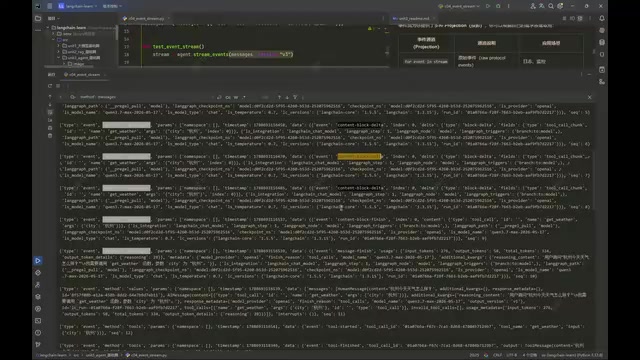
LangChain Agent Event Streaming Explained: A Practical Guide
A deep dive into LangChain 1.3's Event Streaming feature, covering the six event types—Raw, Messages, Tool Calls, Values, Custom, and Interleave—and key practical tips for Agent developers.

AI Phone as Director, Computer as Crew: Building a Custom Video Director Agent with Zero Code
A Bilibili creator shares a zero-code project: STEPX Neo AI phone as director, computer as crew, building a general AI video director agent with StepStudio—covering script parsing, storyboards, image and video generation—with open-source plans.

From Frontend to AI Agent Development: Career Paths and Skill Roadmap
A frontline AI architect analyzes the shifting landscape for frontend-to-AI-Agent developers, covering three career paths—Agent engineer, FDE, remote contracting—and a skill roadmap for Agent + big frontend.

Hands-On Review of an Open-Source Multi-Agent Business Simulation Project
Hands-on review of a Bilibili creator's open-source multi-agent sandbox business project: architecture, memory, HITL, evaluation, and LLM vs rule-engine results.

Getting Started with Agent Application Development: From Concepts to Practice, Understanding AI Agents
From large model functions to Agent system forms, this article breaks down the six core components of Agents, their essential differences from traditional AI and Workflows, high-frequency interview follow-ups, and production deployment risks, helping developers quickly build a complete cognitive framework for AI agent development.

Zero-Dependency Python Tool TokenPrune: Cut API Payload Tokens by 80% Without a Second LLM
TokenPrune is a zero-dependency Python tool that uses deterministic pruning and table compression to cut Agent API payload tokens by 70%-90% in 0.5ms, with no auxiliary LLM calls and no extra latency or cost.
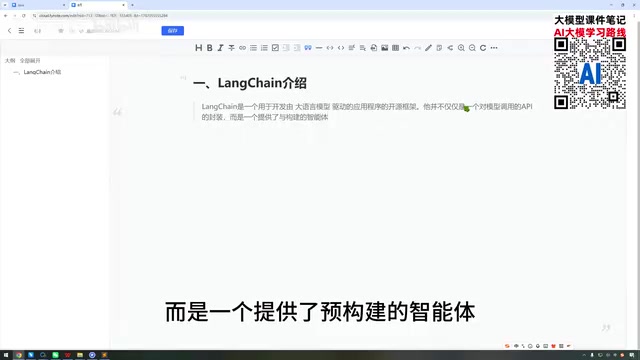
Getting Started with LangChain: From Framework Positioning to Agent in Practice
What is LangChain? This article starts from framework positioning, explaining how LangChain solves three major LLM shortcomings: limited knowledge, inability to call external tools, and lack of multi-turn memory.
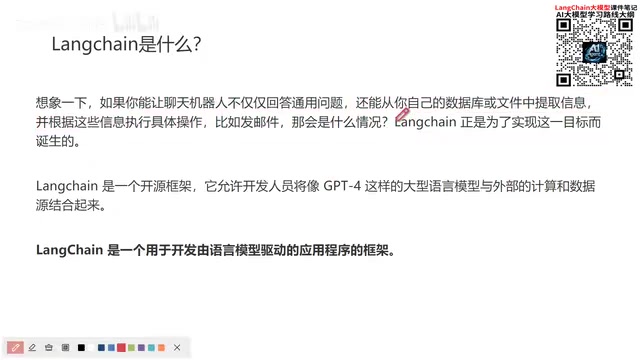
Enterprise Agent Development with LangChain: From Framework Setup to Private Deployment
Based on a Bilibili LangChain tutorial: the three limitations of LLM APIs, LangChain's Components/Chains/Agents, private knowledge base Q&A and business automation, plus private deployment engineering.
Context Engineering: The Key to Building Stronger AI Agents
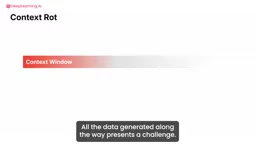
DeepLearning.AI and Chroma launch a Context Engineering course teaching you to avoid context rot by managing context, implementing tools and hooks from scratch, and boosting AI agent reliability in customer service, coding, and research.

Bilibili's 108-Episode Agent Development Course: A Complete Path from Zero to Commercial Monetization
A breakdown of Bilibili's 108-episode Agent development course: centered on LangChain, covering industry background, seven modules, and a Feng Shui virtual project, analyzing its course design logic, market data support, and learning boundaries.

DeepSeek Harness Source Code Walkthrough: How an Agent Where Everything Is a Plugin Runs
DeepSeek Harness preview source code walkthrough: from install and source launch methods to the 'everything is a plugin' architecture, main loop, event bus, and prompt assembly.

Agent Development in Practice: Layered Architecture, LLM Tool Integration, and a Full Breakdown of Dify Enterprise Agents
From LLM vendor layer to enterprise deployment, this article maps Agent development's layered architecture, tool-calling practices, and Dify agent implementation, analyzing 2026 interview focus and cost governance to help developers build an updatable knowledge structure.

The Context Window Is a Budget, Not Memory: The Truncation Ledger and Agent Design
A context window isn't memory capacity but a shared budget. This article covers the truncation ledger FAQ framework: the budget formula, three truncation points, the delete-the-middle strategy, anchor preservation, and retrieval-first design—with a runnable Python script approach to help Agent designs avoid silently losing critical information.

Bilibili's 748-Episode Agent Development Course: A Complete Breakdown from Zero to Enterprise-Level Practice
An in-depth look at Bilibili's 748-episode AI Agent beginner course: three-part structure covering foundational concepts, LangChain and AutoGen practice, and enterprise projects, assessing how it bridges the gap between theory and hands-on work.

Tested: When Skill Files Exceed 6KB, Model Output Failure Rates Double
Based on 28 test runs: skill files over 6KB drive the model's empty output rate to 25%, and a naturally bloated 9.2KB file hits 50%. Here's the data, the mechanism, and three rules to keep files under 6KB.

LLM Agent Memory Systems Explained: From Buffer to Semantic Memory
A deep dive into LLM Agent memory systems: the principles and trade-offs of Buffer, Window, Token, Summary, Long Term, and Semantic memory, plus key concepts in LangChain such as Checkpointer, thread_id, and Middleware.
Spring AI 2.0's Five Major Updates: How Java Backends Can Break Into Agent Development
A breakdown of Spring AI 2.0's five core updates: mandatory Spring Boot 4 baseline, Tools parsing moved up to Chat Client Advisor, AgentUtils library, MCP switching to Streamable HTTP, and Tool Search on-demand loading. Includes positioning analysis and a learning path for Java backends breaking into Agent development.

Pin the Contract, Not the Model: Building a Provider-Swappable Agent Grading System
Bootcamp lab design: hash prompts, record JSON cassettes, replay offline for grading—building a provider-swappable AI Agent grading system. Four rules, three checkpoints, and a rubric that rewards design, not luck.