#Codex Agent
9 related articles
·4 min
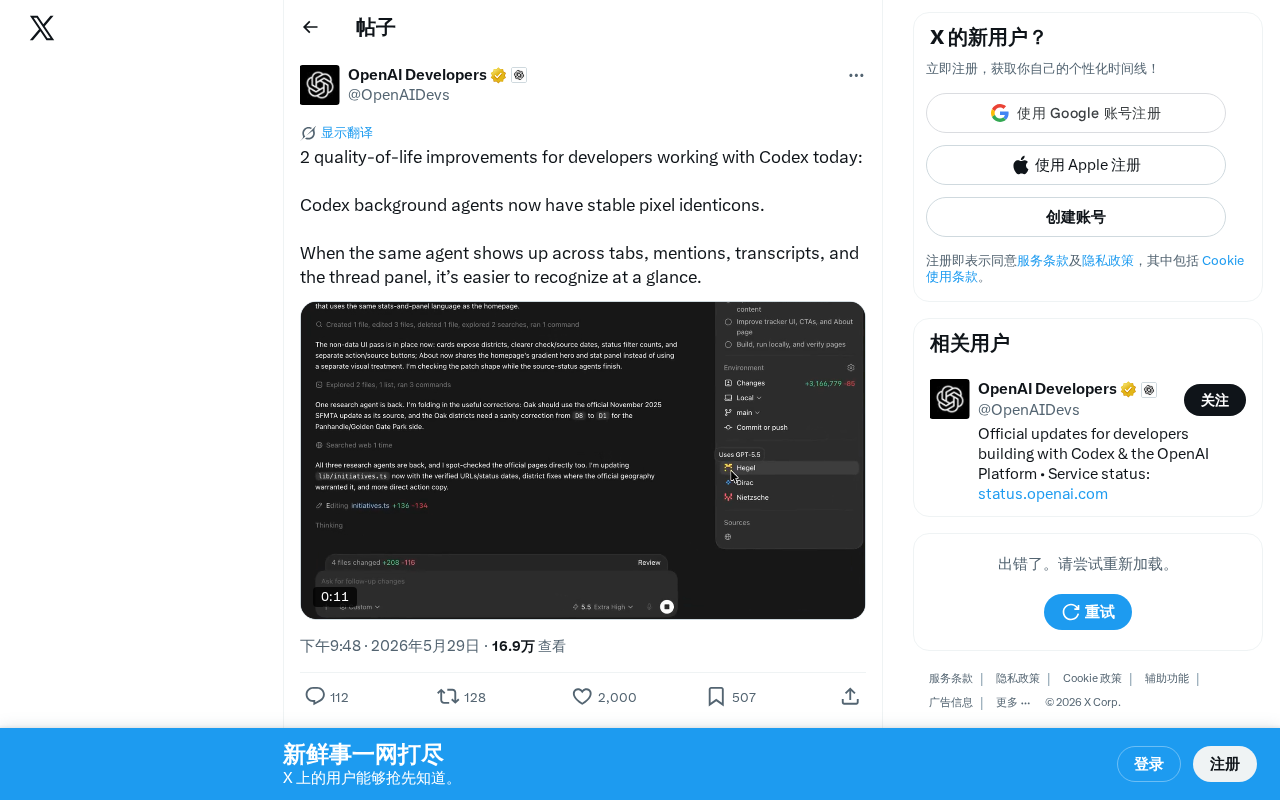
OpenAI Codex Pixel Identicons: A Visual Identification Solution for Multi-Agent Collaboration
OpenAI introduces Pixel Identicons for Codex background agents, using stable visual identifiers to solve multi-agent recognition challenges and reduce cognitive load in AI programming workflows.
Read more →
·2 min
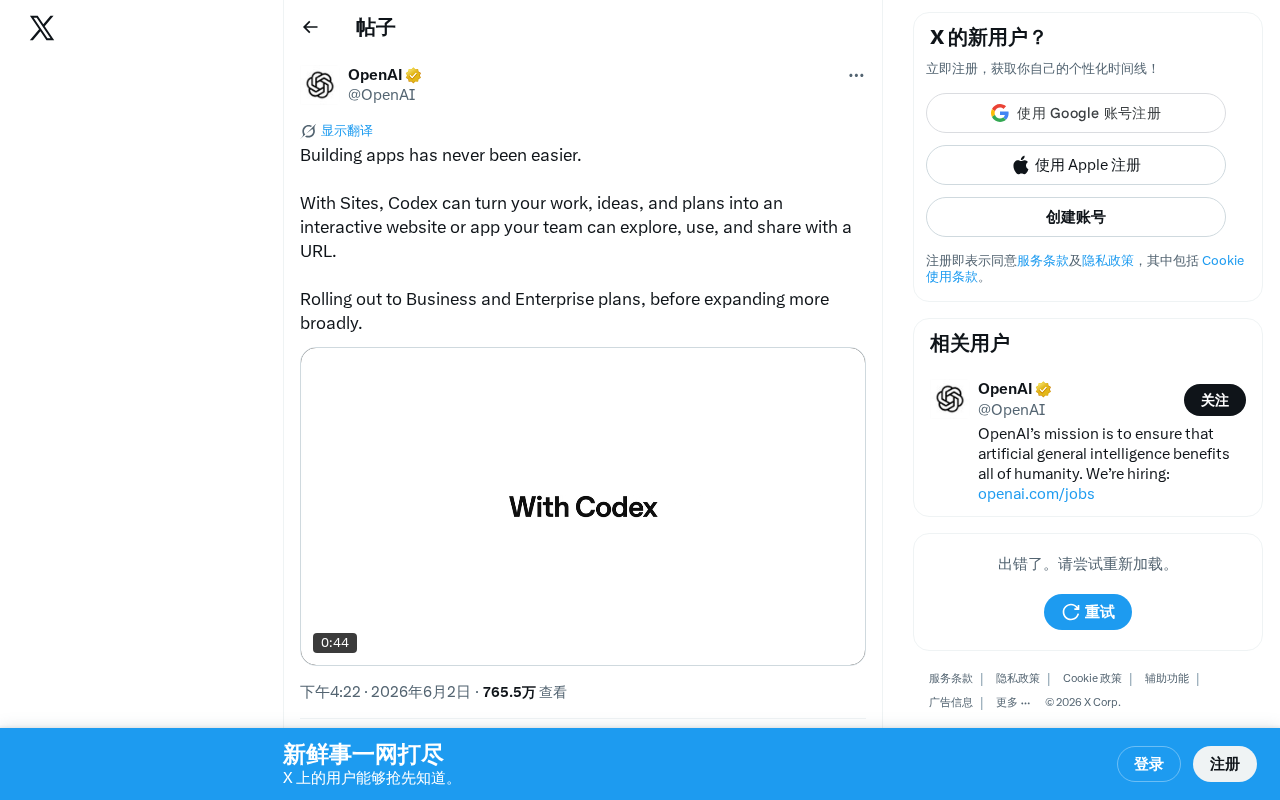
OpenAI Sites Explained: Codex One-Click Generation of Shareable Interactive Apps
OpenAI launches Sites, letting Codex transform ideas into shareable interactive apps via URL. Analysis of core value, enterprise strategy, and competitive differentiation.
Read more →
 Product Reviews
·3 min
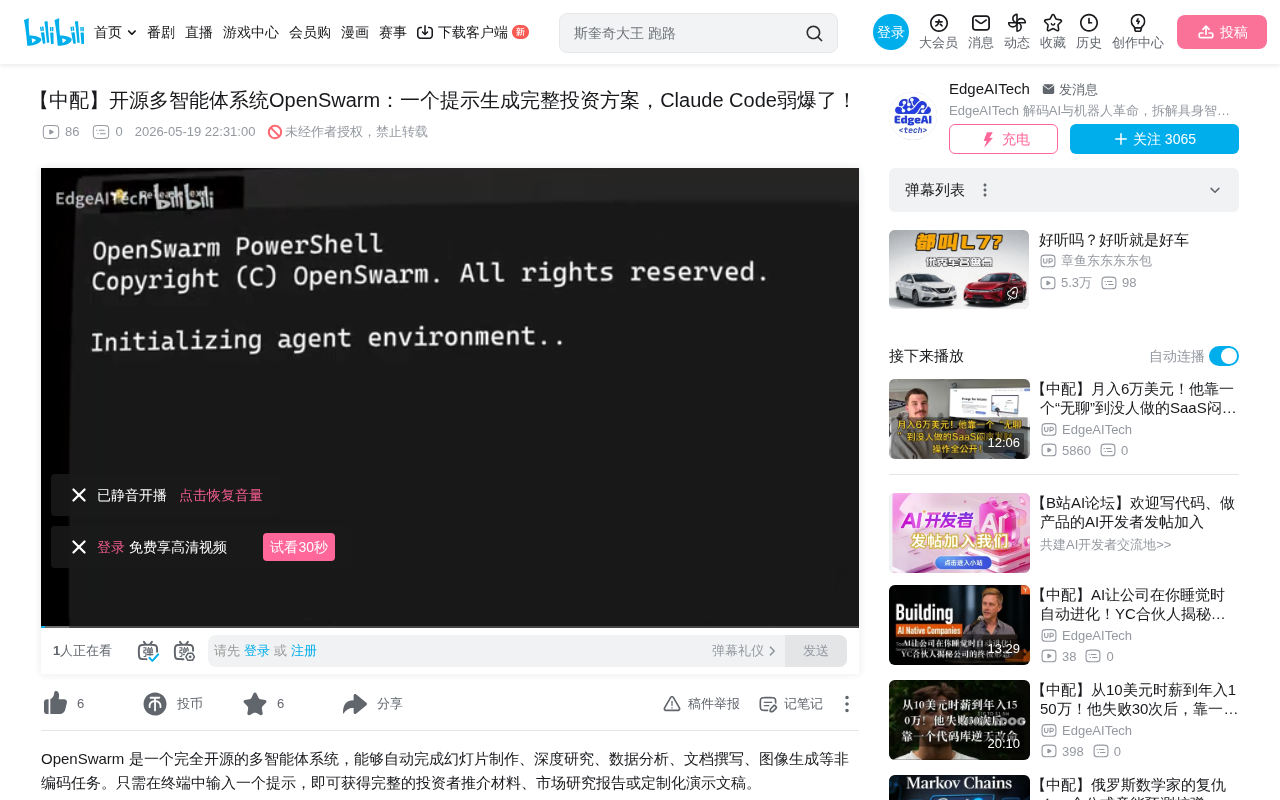
OpenSwarm Hands-On: Open-Source Multi-Agent System Generates Complete Investment Package from a Single Prompt
Deep dive into OpenSwarm, an open-source multi-agent system where 8 specialized agents collaborate to generate complete deliverables—research, charts, slides—from a single prompt.
Read more →
 Product Reviews
·3 min
Cursor 2.0 Deep Dive: Hands-On Testing of Five Major Features Including Custom Models and Multi-Agent Parallel Development
Deep dive into Cursor 2.0's five major updates: custom Composer model, Git Worktrees multi-agent parallel development, Agent View mode, built-in browser, and more—with hands-on evaluation.
Read more →
Tech Frontiers
OpenAI Codex Deep Dive: AI Programming…
·3 min
OpenAI Codex Deep Dive: AI Programming Evolves from Code Completion to Full-Repository Autonomous Development
Deep analysis of OpenAI Codex agent and its Codex-1 model, comparing Windsurf's SW1E1 and Anthropic's new reasoning model, exploring how AI programming leaps from single-file assistance to full-repository autonomous understanding.
Read more →
 Deep Dives
·4 min
Can AI Agents Replace a Development Team? A Practical Guide for Non-Technical People
Can non-technical people use AI Agents to build virtual dev teams? From CEO Agent to Developer Agent, we analyze the theory vs. reality and offer a practical implementation guide.
Read more →
Tutorials
ChatGPT Codex Phone Verification Solut…
·3 min
ChatGPT Codex Phone Verification Solution (With SMS Platform Step-by-Step Guide)
Complete guide to solving ChatGPT Codex phone verification using the WooSIM SMS platform. Step-by-step tutorial covering overseas number acquisition, IP matching, and common pitfalls.
Read more →
 Industry Insights
·3 min
Endava Builds an Agentic Organization with Codex: Requirements Analysis Compressed from Weeks to Hours
Global IT services firm Endava uses OpenAI Codex to build an Agentic Organization, compressing requirements analysis from weeks to hours. A deep dive into AI-driven software delivery transformation.
Read more →
Tutorials
Running Out of Codex Credits? AnySearc…
·2 min
Running Out of Codex Credits? AnySearch Skill Saves You Massive Token Overhead
Real-world testing shows AnySearch Skill saves ~27% Token overhead for Codex while significantly improving search quality. Learn how it works, how to install it, and when to use it.
Read more →