Deep Dives
In-depth AI analysis, industry observations, and technical insights — slow down and read.

DeepSeek Full-Stack API Integrates with Obsidian: Open-Source Plugin Hands-On Test!
DeepSeek full-stack API integrates with Obsidian via an open-source plugin offering voice input, note chat, web search, and multi-file parsing, with transparent pay-as-you-go billing.
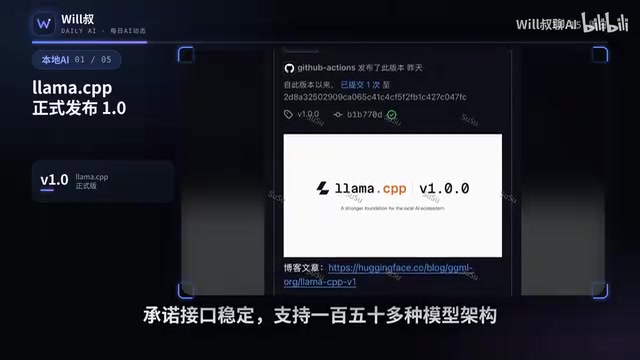
Huawei Open-Sources MACaQ: Quantizing 100B-Parameter Models in 64 Minutes; llama.cpp 1.0 Released
Huawei open-sources MACaQ, quantizing 100B models to 4-bit in 64 minutes with 32.5GB peak VRAM; llama.cpp releases 1.0 with stable interfaces and 150+ model architectures; MiniMax H3 Image's smallest quantized version runs on 8GB GPUs; coding agent leaderboards shift to cost per problem.

DeepSeek Harness + 4K Image Generation Model: 3 Advanced Techniques
Bilibili creator Shanke shares 3 advanced ways to connect MiniMax's open-source H3 Image model to DeepSeek Harness: cinematic science videos, illustrated websites, and full game art from one sentence, plus API setup and consistency tips.
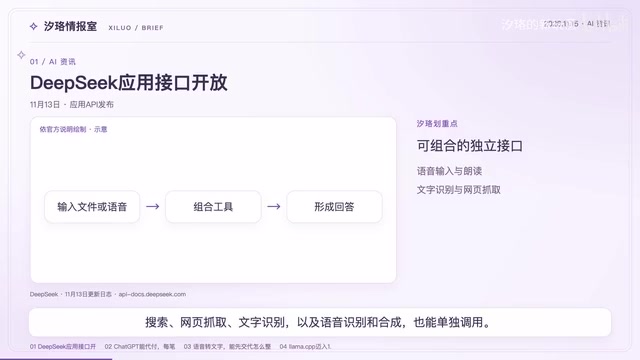
DeepSeek Completes Its Toolchain, ChatGPT Payment Still Requires Human Confirmation
Xiluo rounds up Nov 12–13 AI news: DeepSeek opens application APIs to complete its toolchain, ChatGPT wallet payments still require face verification, Salesforce open-sources a speech transcription model without Chinese, and llama.cpp releases 1.0 with stable interfaces.

Zero-Code Modding of a Naruto Minecraft Mod: A DeepSeek Hands-On Experience
A Bilibili creator uses DeepSeek Harness to zero-code mod an open-source Naruto Minecraft mod—adding Raikiri, Kamui, and Amaterasu, fixing NPC models and phasing bugs—and reveals the real limits and debugging costs of AI-assisted modding.
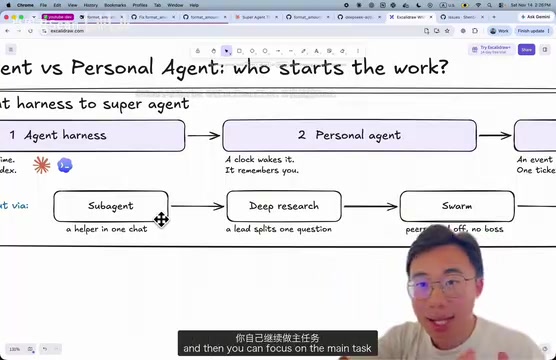
DeepSeek Super Agent Prototype Hands-On: The Core Differences Between Personal Agents and Super Agents
DeepSeek's open-source Super Agent prototype hands-on: using a GitHub issue-fixing case, we compare personal vs. super agents in triggering, ticket routing, and session lifecycle, and trace the path from Agent Harness to Super Agent.
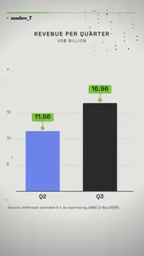
Anthropic IPO Prospectus: The Profitability Paradox Behind 47% Revenue Growth
Anthropic's IPO filing reveals contradictory signals: quarterly revenue growth of 47%, yet operating profit swung from positive to negative; of nearly $900 billion in long-term commitments, some will only be spent once data centers are built. This article breaks down AI commercialization's cost structure and triple bottleneck.
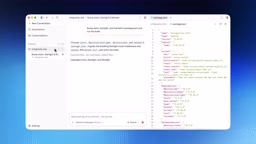
Gemini 4 Hydrogen Lands on Antigravity: A New AI Powerhouse for Code Maintenance
Google launches Gemini 4 Hydrogen, integrated into Antigravity for code refactoring, dependency upgrades, and accessibility—fixing builds in minutes.
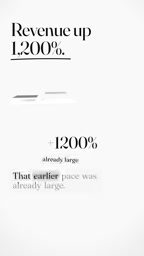
Anthropic Files ANT IPO Documents: $33.2 Billion Revenue and $89.5 Billion Compute Commitments
Anthropic files amended ANT IPO documents: $33.2B revenue over nine months, up ~1,200% YoY, $80.7B net loss due to convertible obligation adjustments, $89.5B future compute commitments, and $131.7B cash reserve.

Gemini 4 Hydrogen Review: A New Programming Paradigm Under the Orchestrator Model
Google Gemini 4 Hydrogen arrives faster and cheaper, surpassing Argon on some benchmarks, and pairs with Anti-Gravity's Orchestrator mode for multi-model collaboration. This article combines hands-on testing and official data to analyze its programming performance, search scenario improvements, and cost-effectiveness trade-offs.
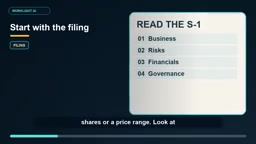
Anthropic Quietly Files S-1: Don't Guess the IPO Price—Read the Risk Factors First
Anthropic's S-1 filing doesn't mean the stock can trade. Learn to read SEC risk factors and business descriptions, separate filing, effectiveness, pricing, and first-day trading, and avoid valuation guesswork.
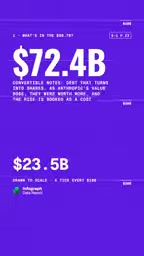
Anthropic Lost $80.7B in Six Months: Burning Cash or Making Money?
Anthropic's $80.7B six-month loss is mostly a paper loss from debt-to-equity conversion. Excluding it, operating loss is $693M, customers paying $100K+ grew from 400 to nearly 12,000, and unit cost fell from $2.50 to $0.48.
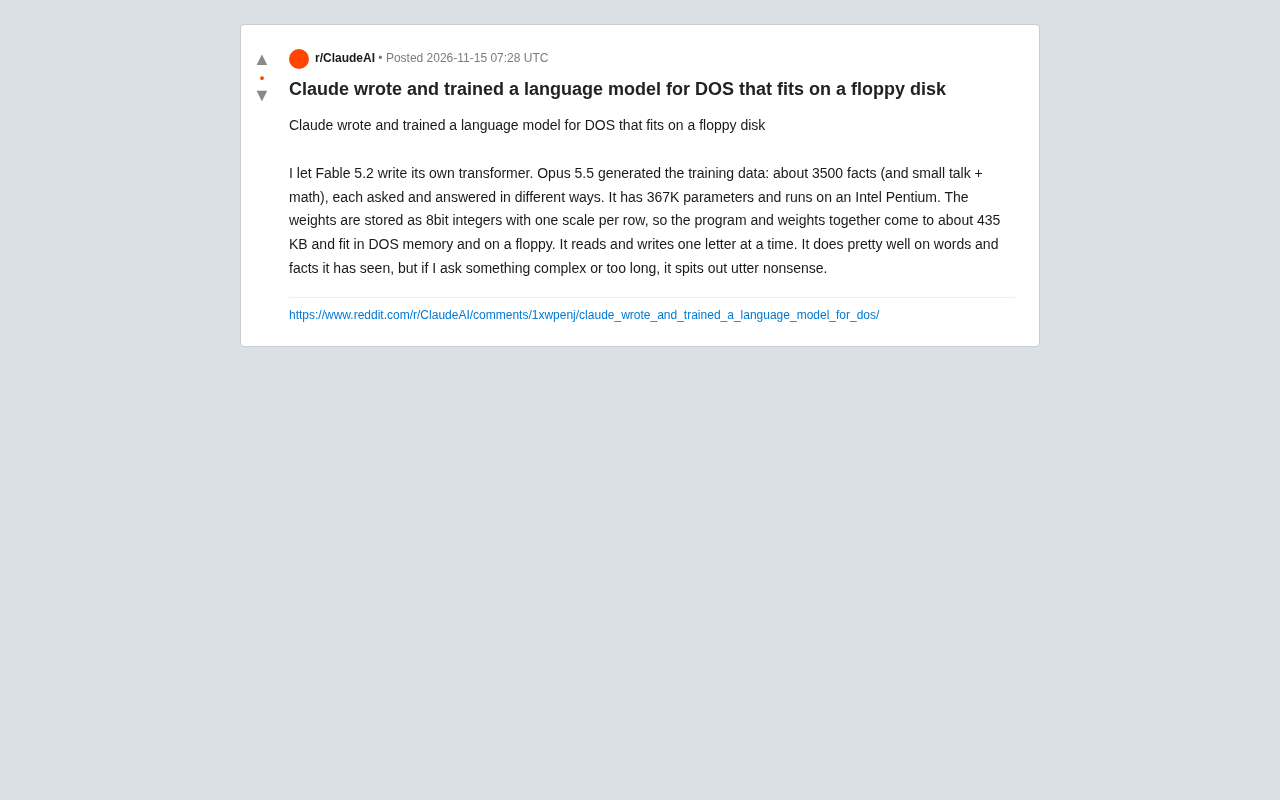
AI-Written Model Runs on DOS: 367K Parameters Fit on a Floppy Disk
Claude writes the Transformer, Opus generates training data, producing a 367K-parameter language model quantized to 8-bit and compressed to 435 KB, running on Intel Pentium in DOS and fitting on a floppy disk — showcasing model deployment under extreme constraints.
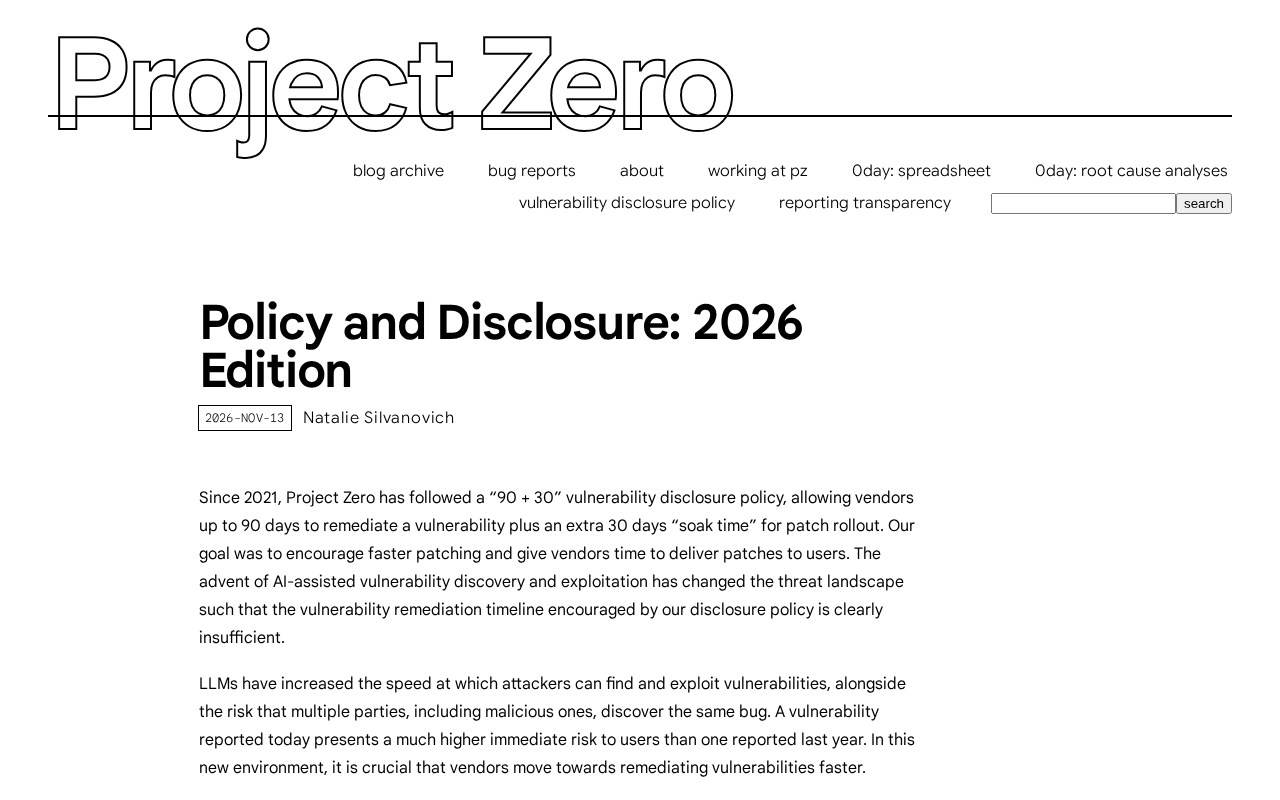
Project Zero Tightens Vulnerability Disclosure: 90-Day Deadline Takes Effect
Google Project Zero now discloses vulnerabilities 90 days after reporting, sparking debate on Hacker News. We analyze the impact on vendor patching, user risk, and disclosure trends.

If Anthropic IPOs and Joins Index Funds in Three Weeks, Your Savings Will Be Passively Betting on AI
Anthropic files for IPO; under Nasdaq 100 fast-entry rules it could enter index funds within three weeks, affecting ordinary investors' retirement savings. A look at the withdrawn pricing draft, financials, and bull-bear debate.
Anthropic IPO Analysis: $17B Quarterly Revenue and a Self-Braking Safety Framework
In-depth analysis of Anthropic's IPO: a $26B concurrent private placement, $17B quarterly revenue, 11,900 $100K+ customers, and how its PBC structure and Responsible Scaling Policy make the fastest-growing AI company deliberately brake its own innovation.
Anthropic's S-1 Leaked: $17 Billion in Revenue Over Three Months, Yet a $567 Million Loss
Anthropic files S-1 for IPO: nearly $17B in revenue over three months but a $567M loss, after a ~$1B profit last quarter. What the filing reveals about AI compute costs and vendor financial risk.
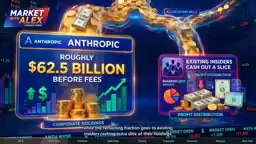
The $90 Billion Compute Bill Behind Anthropic's $85 Billion IPO
Anthropic files for IPO to raise about $85 billion net, backing a $9 trillion long-term compute commitment and a $71 billion near-term bill.

Gemini 4 Hydrogen Hands-On: The Best Flash Model Yet? 3D Generation Impresses
Gemini 4 Hydrogen hands-on: priced between Terra and Sonnet, with standout 3D printing and game generation; quota use stays manageable under Swarm. Benchmarks, tests, and value reviewed.
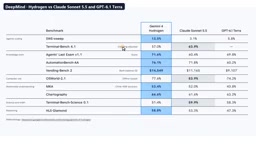
Gemini 4 Hydrogen Hands-On: The Trade-off Between Speed and Cost
Google Gemini 4 Hydrogen scored 43/43 on Plotly's test, but GPT 6.1 Sol matched it at less than half the cost. We break down Terminal Bench, thinking-level costs, and hands-on AI Studio testing to help you pick the right model.